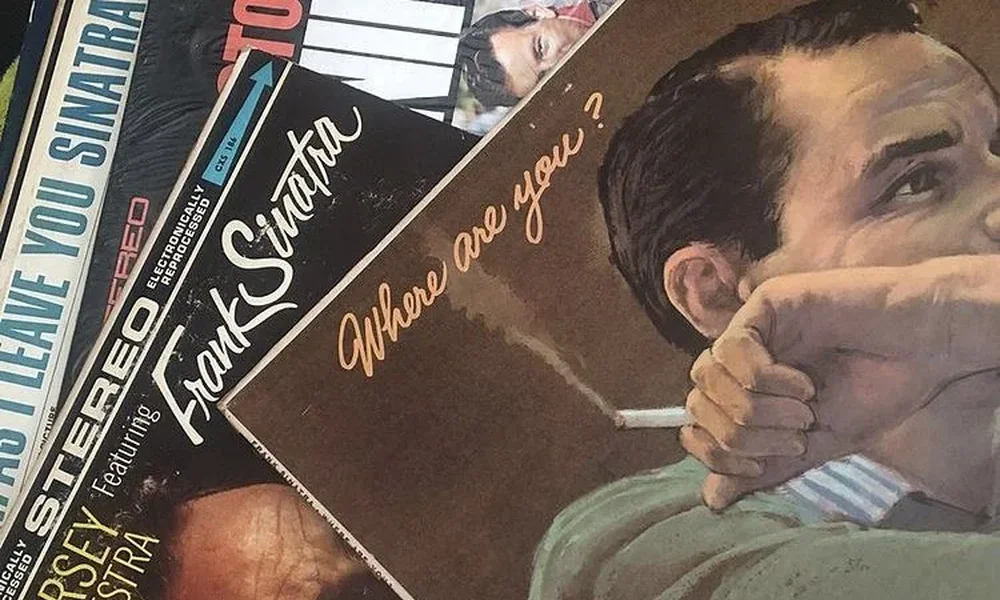
Frank Sinatra, born on December 12, 1915, in Hoboken, New Jersey, was an American singer, actor, and cultural icon. Sinatra’s career spanned more than five decades, and he remains one of the most iconic figures in the history of music and entertainment. Known for his distinctive baritone voice, charisma, and smooth style, Sinatra left an indelible mark on popular culture. His contributions to music, film, and society have cemented his status as a true American legend.
PERSONAL INFORMATION
| Name | Frank Sinatra |
|---|---|
| Date of Birth | 12 December 1915 |
| Age at Death | 82 Years |
| Zodiac Sign | Sagittarius |
| Date of Death | 14 May 1998 |
| Place of Birth | Hoboken |
| Nationality | United States, Italy |
| Birth Name | Francis Albert Sinatra |
| Ethnicity | Italian Americans |
| Residence | Hoboken |
| Religion | Catholicism |
| Place of Death | Los Angeles |
| Languages Spoken | English |
| Gender | Male |
| Native Name | Frank Sinatra |
| Native Language | American English |
| Signature |  |
PHYSICAL STATISTICS
| Height (in centimeters) | 172 cm |
|---|---|
| Height (in meters) | 1.72 m |
| Height (in feet inches) | 5′ 7″ |
FAMILY
| Children | Nancy Sinatra, Frank Sinatra Jr., Tina Sinatra |
|---|---|
| Spouse | Nancy Barbato, Ava Gardner, Mia Farrow, Barbara Sinatra |
| Father | Anthony Martin Sinatra |
| Mother | Dolly Sinatra |
| Partner | Judith Exner, Angie Dickinson |
EDUCATION
| Educated At | Hoboken High School |
|---|
CAREER
| Profession | television actor, film actor, actor, singer, voice actor, film producer, film director, director, producer |
|---|---|
| Awards Received | Emmy Award, Golden Globe Awards, Screen Actors Guild Life Achievement Award, Presidential Medal of Freedom, Austrian Decoration for Science and Art, Peabody Awards, Grammy Lifetime Achievement Award, Grammy Trustees Award, Grammy Legend Award, Jean Hersholt Humanitarian Award, Academy Award for Best Supporting Actor, Golden Globe Cecil B. DeMille Award, Congressional Gold Medal, New Jersey Hall of Fame, Gaming Hall of Fame, Kennedy Center Honors, Johnny Mercer Award, Grammy Award for Album of the Year, Grammy Award for Best Male Pop Vocal Performance, star on Hollywood Walk of Fame, Golden Globe Award for Best Original Song |
| Voice Type | baritone |
| Nominations | Academy Award for Best Actor, Academy Award for Best Supporting Actor |
| Genre | vocal jazz, big band music, blues, jazz, traditional pop, swing music, easy listening |
| Record Label | Reprise Records, Columbia Records, Capitol Records, Warner Bros. Records, RCA Records, Philips Records |
| Instruments | ukulele, triangle, castanets, friction drum, voice |
| Work Period Start | 1935 |
| Work Period End | 1995 |
| Member Of | Harry James and His Orchestra, Tommy Dorsey and His Orchestra, Rat Pack |
SOCIAL MEDIA & LINKS
| IMDB ID | nm0000069 |
|---|---|
| Official Website | https://www.sinatra.com |
| sinatra | |
| YouTube Channel | UCJtvg6ZFwzdFdtcHBqetvwg, UC1zsfp3OD8qWQ0HfLbz2TXg |
| @FrankSinatra, @franksinatra | |
| Wikipedia | Wikipedia |
Cost of becoming
Becoming Frank Sinatra was not without its challenges and sacrifices. Born to Italian immigrants, Sinatra faced numerous obstacles from the very beginning. His early life was marked by financial struggles and the demands of supporting his family. Despite these hardships, Sinatra’s relentless pursuit of his dreams and his unwavering dedication to his craft ultimately propelled him to stardom. The cost of fame was high, often leading to personal and professional tensions, but Sinatra’s resilience and passion for his artistry never wavered.
Identity before fame
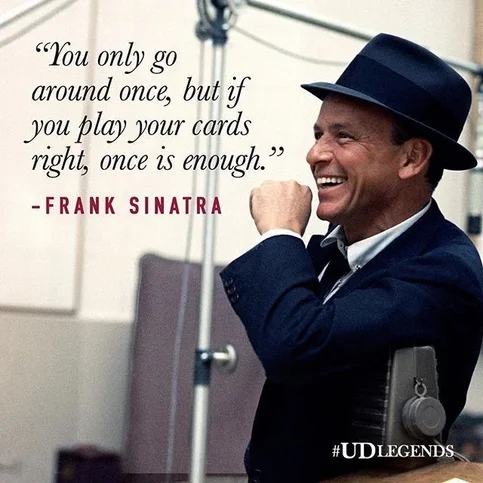
Before he became a household name, Frank Sinatra was a young man from Hoboken, New Jersey, with a strong sense of ambition and a deep love for music. His early years were spent working various jobs to make ends meet, including stints as a delivery boy and a singing waiter. It was during these formative years that Sinatra honed his vocal skills and developed his unique style. His early experiences in local clubs and social events laid the foundation for the legendary performer he would become.
Timeline
- 1915: Frank Sinatra is born in Hoboken, New Jersey.
- 1935: Sinatra joins the Hoboken Four, a local singing group, and they win a contest on Major Bowes’ Amateur Hour.
- 1939: Sinatra signs with Harry James and begins his professional career as a jazz singer.
- 1943: Sinatra signs with Tommy Dorsey and becomes one of the most popular singers in the United States.
- 1953: Sinatra wins the Academy Award for Best Supporting Actor for his role in “From Here to Eternity.”
- 1960: Sinatra forms Reprise Records, a record label that gives artists more creative control.
- 1962: Sinatra releases the album “Ring-a-Ding-Ding!,” which is one of his most successful and popular works.
- 1966: Sinatra performs at the inaugural gala of the International Hotel in Las Vegas, solidifying his status as a Las Vegas icon.
- 1980: Sinatra embarks on a world tour, performing in 11 countries and 26 cities.
- 1995: Sinatra appears in the film “The First Deadly Sin,” one of his last acting performances.
Favourites
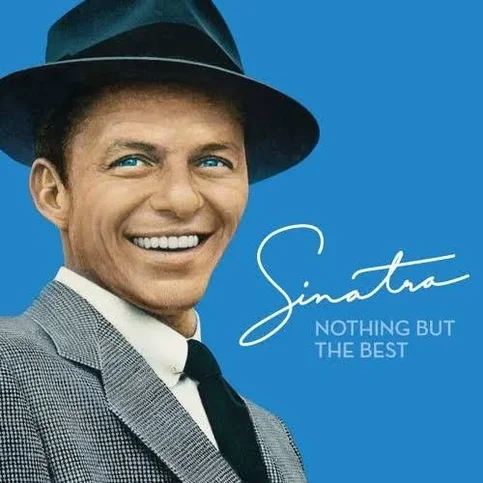
- Favorite Song: “My Way.”
- Favorite Movie: “From Here to Eternity.”
- Favorite City: New York City.
- Favorite Food: Italian cuisine, particularly pasta.
- Favorite Drink: Scotch and soda.
- Favorite Number: 12 (his birthday).
- Favorite Season: Fall.
- Favorite Hobby: Golfing.
- Favorite Animal: Dogs, especially his beloved pup, Twist.
- Favorite Quote: “The best revenge is massive success.”
Controversies
- Mafia Connections: Sinatra was often rumored to have connections with the Mafia, though these allegations were never definitively proven.
- Relationships: Sinatra’s tumultuous relationships, particularly his marriages to Nancy Barbato, Ava Gardner, Mia Farrow, and Barbara Marx, often made headlines and were the subject of intense public scrutiny.
- Racial Slurs: Sinatra was known to use racial slurs in private conversations, which was reflective of the attitudes of his time but is now considered highly offensive.
- Political Involvement: Sinatra’s involvement in politics, particularly his support for John F. Kennedy and later Richard Nixon, led to controversy and criticism.
- temper tantrums: Sinatra was known for his explosive temper and frequent outbursts, often directed at reporters and industry professionals.
- Legal Issues: Sinatra faced several legal battles throughout his career, including lawsuits and tax disputes.
- Physical Altercations: Sinatra was involved in several physical altercations, including a notorious incident with photographer Ron Deutsch in 1960.
- Extramarital Affairs: Sinatra’s numerous extramarital affairs were well-documented and contributed to the breakdown of his marriages.
- Drug Use: Rumors of drug use, particularly cocaine, surrounded Sinatra, though these were never substantiated.
- Alcoholism: Sinatra struggled with alcoholism, which often affected his personal and professional life.
Control vs chaos
Frank Sinatra’s life was a delicate balance of control and chaos. On one hand, he was a meticulous artist, known for his precision in performance and his high standards in both music and film. His ability to command a stage and captivate an audience was a testament to his control over his craft. On the other hand, Sinatra’s personal life was often chaotic, marked by turbulent relationships, public altercations, and controversial associations. This duality—his ability to maintain control on stage while embracing chaos off it—defined much of his public persona and contributed to his enduring mystique.
Emotional geography
Frank Sinatra’s emotional geography spanned the breadth of human emotion. His music resonated with listeners because it captured the full spectrum of feelings—joy, sadness, love, and heartbreak. Sinatra’s performances were often deeply personal, drawing from his own experiences and emotions. Whether singing about the joys of a newfound love or the pain of a broken heart, Sinatra’s ability to convey genuine emotion made his artistry timeless. His emotional depth and authenticity connected him to audiences around the world, making him not just a performer but a confidant and a friend to many.
FAQs
-
What is Frank Sinatra most famous for?
Frank Sinatra is most famous for his distinctive baritone voice, his iconic songs such as “My Way” and “New York, New York,” and his influential career in both music and film. He is widely regarded as one of the greatest singers of the 20th century.
-
When was Frank Sinatra born?
Frank Sinatra was born on December 12, 1915, in Hoboken, New Jersey.
-
How did Frank Sinatra start his career?
Sinatra began his career as a singer with the Hoboken Four, a local singing group. He later joined Harry James and Tommy Dorsey’s bands, where he gained significant popularity and began his rise to stardom.
-
What was Frank Sinatra’s biggest hit?
Frank Sinatra had many hits, but some of his most popular and enduring songs include “My Way,” “New York, New York,” “Fly Me to the Moon,” and “The Way You Look Tonight.”
-
What was Frank Sinatra’s role in “From Here to Eternity”?
Frank Sinatra played the role of Maggio in the 1953 film “From Here to Eternity.” His performance earned him an Academy Award for Best Supporting Actor and marked a significant turning point in his career.
-
Did Frank Sinatra have any major controversies?
Yes, Frank Sinatra faced several controversies throughout his life. These included allegations of connections with the Mafia, tumultuous relationships, legal battles, and public altercations.
-
What was Frank Sinatra’s most successful album?
Frank Sinatra had many successful albums, but “Only the Lonely” (1958) and “Come Fly with Me” (1958) are often considered among his most critically acclaimed and commercially successful.
-
How did Frank Sinatra influence popular music?
Frank Sinatra’s impact on popular music is immense. His smooth, crooning style and his ability to convey deep emotion through his performances influenced countless singers and shaped the sound of popular music in the 20th century.
-
What was Frank Sinatra’s relationship with the Rat Pack?
Frank Sinatra was a key member of the Rat Pack, a group of entertainers that included Dean Martin, Sammy Davis Jr., Peter Lawford, and Joey Bishop. They frequently performed together in Las Vegas and were known for their camaraderie and comedic chemistry.
-
What was Frank Sinatra’s impact on Hollywood?
Frank Sinatra’s impact on Hollywood is significant. He transitioned from a successful music career to a notable acting career, winning an Academy Award for his role in “From Here to Eternity” and appearing in many other films. His charisma and talent made him a sought-after actor and a cultural icon.
-
What were Frank Sinatra’s political views?
Frank Sinatra’s political views evolved over time. He initially supported John F. Kennedy and was a Democrat, but later in life, he shifted his allegiance and supported Republicans, including Richard Nixon.
-
What is the significance of Frank Sinatra’s “My Way”?
“My Way” is one of Frank Sinatra’s most iconic songs and is often seen as a personal anthem. It reflects his determination, resilience, and the belief in living life on one’s own terms. The song has become a cultural touchstone and a tribute to Sinatra’s legacy.
-
How did Frank Sinatra’s personal life affect his career?
Frank Sinatra’s personal life, marked by tumultuous relationships and public controversies, often intersected with his career. While it sometimes caused setbacks, it also added to his mystique and public appeal. His personal struggles and triumphs often found expression in his music.