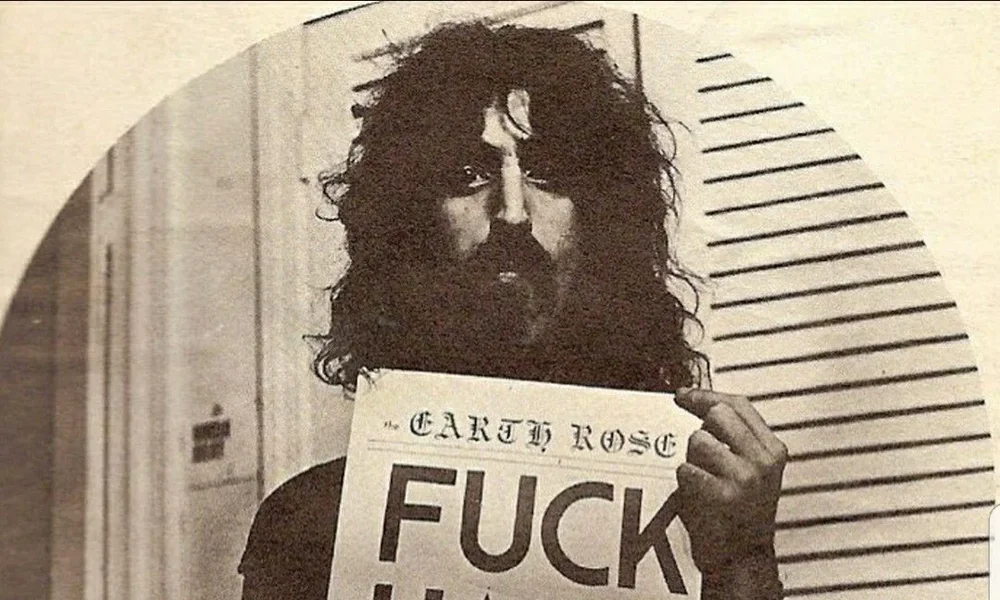
Frank Zappa, a towering figure in the world of avant-garde music and a relentless critic of societal norms, left an indelible mark on the cultural landscape of the 20th century. Born on December 21, 1940, in Baltimore, Maryland, Zappa’s unique blend of music, satire, and subversion made him a controversial yet highly influential artist. His prolific career spanned over three decades, during which he released numerous albums, composed groundbreaking symphonic works, and fearlessly challenged the status quo. Zappa’s legacy continues to inspire musicians, artists, and thinkers, making him a truly iconic figure in the annals of music history.
PERSONAL INFORMATION
| Name | Frank Zappa |
|---|---|
| Gender | Male |
| Date of Birth | 21 December 1940 |
| Age at Death | 52 Years |
| Zodiac Sign | Sagittarius |
| Date of Death | 04 December 1993 |
| Place of Birth | Baltimore |
| Place of Death | Los Angeles |
| Nationality | United States |
| Birth Name | Frank Vincent Zappa |
| Religion | atheism |
| Languages Spoken | English |
| Native Name | Frank Zappa |
| Native Language | English |
PHYSICAL STATISTICS
| Height (in centimeters) | 183 cm |
|---|---|
| Height (in meters) | 1.83 m |
| Height (in feet inches) | 6′ 0″ |
FAMILY
| Spouse | Gail Zappa |
|---|---|
| Children | Moon Zappa, Diva Zappa, Dweezil Zappa, Ahmet Zappa |
EDUCATION
| Educated At | Antelope Valley High School, Grossmont High School, Mission Bay High School, Chaffey College |
|---|
CAREER
| Profession | guitarist, singer, composer, voice actor, rock musician, record producer, songwriter, screenwriter, actor, journalist, musician, film producer, rock guitarist, film director |
|---|---|
| Awards Received | Grammy Lifetime Achievement Award, Rock and Roll Hall of Fame |
| Instruments | guitar, keyboard instrument, bass guitar, drum kit, voice, percussion instrument, Synclavier |
| Genre | rock music, experimental music, avant-garde music, jazz, classical music, avant-pop, avant-prog, jazz rock, jazz fusion, progressive rock, experimental rock, art music, proto-punk, comedy rock, psychedelic rock, musique concrète, alternative rock |
| Record Label | Warner Bros. Records, Zappa Records, Rykodisc, DiscReet, Verve Records, Straight, Bizarre Records, Barking Pumpkin Records |
| Work Period Start | 1955 |
| Work Period End | 1993 |
SOCIAL MEDIA & LINKS
| IMDB ID | nm0953261 |
|---|---|
| Official Website | https://www.zappa.com |
| Zappa | |
| @zappa | |
| YouTube Channel | UCj5ZiBBqpe0Tg4zfKGHEFuQ |
| Wikipedia | Wikipedia |
Cost of becoming
The road to becoming Frank Zappa was fraught with challenges and sacrifices. Raised in a military family, Zappa’s early life was marked by frequent moves and a lack of stability. Despite these adversities, he found solace and a profound creative outlet in music. Zappa’s relentless pursuit of his artistic vision often put him at odds with the music industry and the broader public. His uncompromising approach to music and his willingness to push boundaries cost him both friendships and financial stability. However, this unwavering commitment to his art also cemented his status as a pioneer and a visionary.
Identity before fame
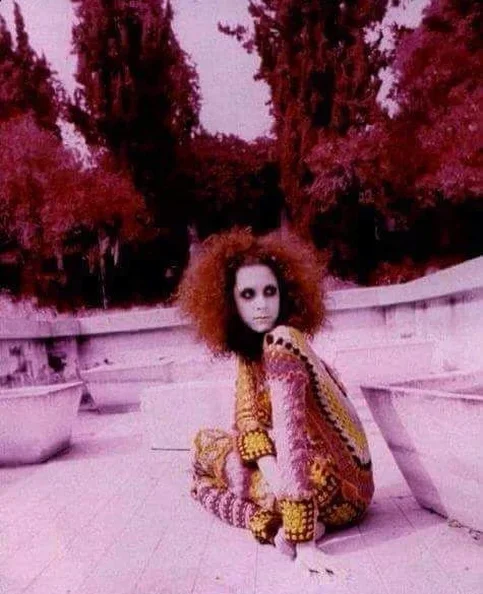
Before he became a household name, Frank Zappa was a young man with a keen interest in music and a rebellious spirit. His early experiences playing in garage bands and experimenting with various musical styles laid the foundation for his future success. Zappa’s fascination with classical music, jazz, and avant-garde compositions shaped his unique sound. His early jobs, including working as a window washer and a copyist for a music studio, provided him with valuable insights into the mechanics of the industry. These formative years were crucial in shaping the artist he would become.
Timeline
- 1940: Frank Vincent Zappa is born in Baltimore, Maryland.
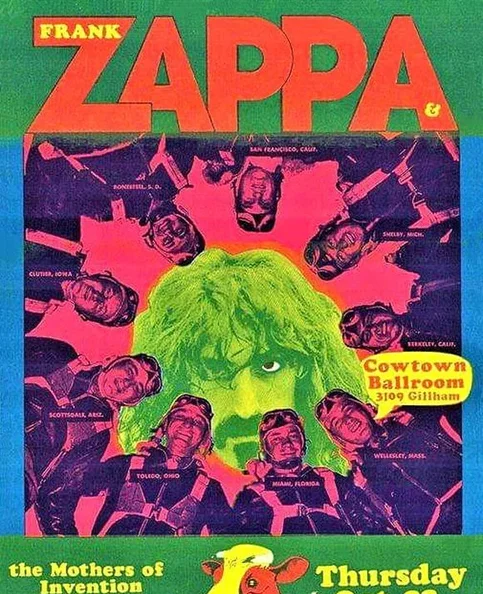
- 1964: Forms the band The Mothers of Invention.
- 1966: Releases the album “Freak Out!” with The Mothers of Invention.
- 1967: Releases “Absolutely Free” and “We’re Only in It for the Money.”
- 1970: Dissolves The Mothers of Invention and begins a solo career.
- 1973: Releases the album “Over-Nite Sensation,” which becomes one of his most commercially successful works.
- 1976: Testifies before the U.S. Senate on the topics of freedom of speech and censorship.
- 1981: Releases the album “Tronti Brothers” and begins touring Europe extensively.
- 1993: Composes the orchestral work “The Yellow Shark” and tours Europe with a chamber orchestra.
- 1993: Dies on December 4 in Los Angeles, California, from prostate cancer.
Favourites
- Album: “Freak Out!”
- Song: “Peaches en Regalia”
- Instrument: Guitar
- Genre: Progressive rock and avant-garde
- Composer: Igor Stravinsky
- Author: Kurt Vonnegut
- Film Director: Federico Fellini
- Painter: Salvatore Dali
- Philosopher: Friedrich Nietzsche
- Activist: Noam Chomsky
Controversies
- Album Cover Art: Zappa’s provocative album covers, such as “We’re Only in It for the Money,” often sparked controversy and censorship.
- Censorship and free speech: His testimony before the U.S. Senate in 1976 against the Parents Music Resource Center (PMRC) and its proposed music labeling system.
- Political Parodies: Songs like “Valley Girl” and “Joe’s Garage” satirized political figures and societal norms, often leading to backlash.
- Drug and alcohol use: Zappa’s outspoken criticism of drug and alcohol use, especially in the music industry, sometimes put him at odds with his peers.
- Anti-censorship activism: His relentless advocacy for freedom of expression and his confrontational approach to censorship laws.
- Cultural impact: The impact of his music and art on popular culture, often challenging and unsettling traditional values and norms.
- Experimental music: The controversial nature of his experimental compositions and the avant-garde elements in his music.
- Concert performances: Incidents at his concerts, including a notorious one in London where he was pushed offstage and seriously injured.
- Media criticism: His critiques of mainstream media and the music industry, which often infuriated powerful figures.
- Personal life: Rumors and speculation about his private life, including his marriage to Gail Zappa and his family dynamics.
Control vs chaos
Frank Zappa’s music and life were a delicate balance between control and chaos. His compositions were meticulously crafted, with intricate arrangements and precise instrumentation, yet they often contained elements of unpredictability and spontaneity. Zappa’s artistic philosophy embraced the idea that order and disorder could coexist, reflecting the complexity of human experience. This duality is evident in his music, which often juxtaposes structured melodies with chaotic improvisations, creating a unique and compelling sonic landscape.
Emotional geography
The emotional geography of Frank Zappa’s work is as varied and complex as his life. His music often reflected a range of emotions, from the satirical and humorous to the deeply introspective and philosophical. Zappa’s compositions were a window into his soul, revealing his skepticism of authority, his love for freedom, and his relentless pursuit of artistic expression. Despite the often comedic and outrageous facade of his work, there was a profound emotional depth that resonated with listeners and inspired a lasting legacy.
FAQs
-
What is Frank Zappa best known for?
Frank Zappa is best known for his innovative and experimental approach to music, his satirical and often controversial lyrics, and his role in challenging censorship and free speech laws. He was a prolific composer, guitarist, and bandleader who pushed the boundaries of progressive rock and avant-garde music.
-
How did Frank Zappa start his music career?
Frank Zappa began his music career in the early 1960s by playing in various garage bands and experimenting with different musical styles. He formed the band The Mothers of Invention in 1964, which marked the beginning of his rise to fame and his influential career in the music industry.
-
What is the significance of “Freak Out!”?
“Freak Out!” is a groundbreaking double album released in 1966 by The Mothers of Invention. It is considered one of the first concept albums and is notable for its experimental sound, satirical lyrics, and innovative production techniques. The album set the stage for Zappa’s future work and solidified his reputation as a pioneering musician.
-
What was Frank Zappa’s stance on censorship?
Frank Zappa was a strong advocate for free speech and a vocal critic of censorship. He testified before the U.S. Senate in 1976 against the Parents Music Resource Center (PMRC) and its proposed music labeling system. Zappa believed that censorship was a violation of artistic freedom and individual rights.
-
How did Frank Zappa influence other musicians?
Frank Zappa’s influence on other musicians is profound and far-reaching. His innovative approach to composition, his use of complex rhythms and harmony, and his fearless exploration of new musical territories inspired generations of artists. Many musicians across various genres cite Zappa as a major influence on their work.
-
What was Frank Zappa’s relationship with classical music?
Frank Zappa had a deep appreciation for classical music and often incorporated elements of classical composition into his work. He was particularly influenced by the works of composers like Igor Stravinsky and Edgard Varèse. Zappa’s orchestral works, such as “The Yellow Shark,” showcase his mastery of classical forms and his ability to blend them with his unique style.
-
What was Frank Zappa’s political activism like?
Frank Zappa was known for his political activism and his outspoken criticism of government policies and societal norms. He used his music and public appearances to advocate for issues such as free speech, environmental protection, and social justice. His activism often put him at odds with political figures and conservative groups.
-
How did Frank Zappa handle his personal life in the public eye?
Frank Zappa was generally private about his personal life but was known for his strong family values and his commitment to his wife, Gail Zappa. Despite his fame and the often intense scrutiny of his personal life, he maintained a close-knit family and was a devoted father to his children.
-
What was Frank Zappa’s impact on the music industry?
Frank Zappa’s impact on the music industry is significant and multifaceted. He challenged traditional notions of what music could be, pushing the boundaries of genre and form. His influence can be seen in the works of countless musicians across various genres, and his legacy continues to inspire new generations of artists.
-
What were some of Frank Zappa’s most notable collaborations?
Frank Zappa collaborated with a wide range of musicians and artists throughout his career. Some of his most notable collaborations include working with Captain Beefheart, Ian Underwood, and George Duke. These collaborations often resulted in groundbreaking and influential works that expanded the scope of his music.
-
How did Frank Zappa’s music evolve over time?
Frank Zappa’s music evolved significantly over the course of his career. Early works with The Mothers of Invention were characterized by their experimental nature and satirical lyrics. As he continued to develop as an artist, his compositions became more complex and diverse, incorporating elements of jazz, classical, and electronic music. His later works often featured intricate orchestral arrangements and a more refined sound.
-
What were some of Frank Zappa’s personal interests outside of music?
Frank Zappa had a wide range of interests outside of music, including painting, literature, and philosophy. He was an avid reader and often drew inspiration from the works of authors like Kurt Vonnegut and philosophers like Friedrich Nietzsche. Zappa was also known for his interest in technology and was an early adopter of digital recording equipment.
-
What is the legacy of Frank Zappa?
Frank Zappa’s legacy is one of innovation, artistic integrity, and relentless creativity. He is remembered as a visionary musician who challenged conventions and pushed the boundaries of what was possible in music. His impact on the industry and his influence on subsequent generations of artists continue to be felt, cementing his status as a true icon of 20th-century culture.
-
What are some of the posthumous releases of Frank Zappa’s music?
Following Frank Zappa’s death in 1993, numerous posthumous releases of his music and unreleased material have been made available. These include albums like “Zappa’s Universe,” “Them or Us,” and “The Essential Frank Zappa.” These releases continue to introduce new generations to Zappa’s unique and captivating musical world.
By exploring the multifaceted life and career of Frank Zappa, we gain a deeper appreciation for his contributions to music and culture. His relentless pursuit of artistic integrity, his fearless exploration of new territories, and his unwavering commitment to free expression continue to inspire and challenge us today.