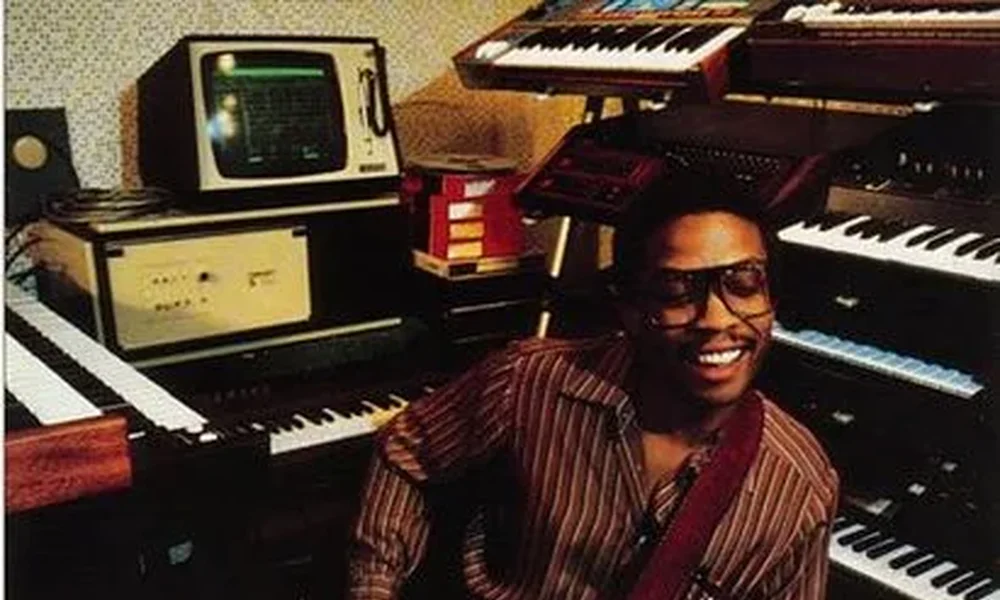
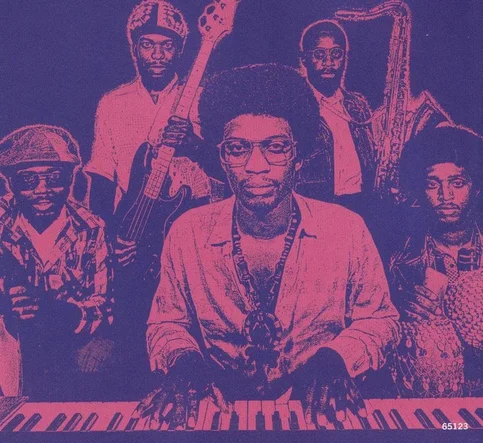
Herbie Hancock, born Herbert Jeffrey Hancock on April 12, 1940, in Chicago, Illinois, is a legendary American pianist, composer, and bandleader. Celebrated for his innovative and genre-defying approach to jazz, Hancock has left an indelible mark on the music industry. His career spans over six decades, during which he has collaborated with some of the most influential musicians of the 20th and 21st centuries, including Miles Davis, Wayne Shorter, and Quincy Jones. Hancock’s versatility and creativity have earned him numerous accolades, including 14 Grammy Awards, an Academy Award, and the prestigious Polar Music Prize. His contributions to jazz have not only redefined the genre but have also bridged the gap between jazz and other forms of music, influencing a wide range of artists and genres.
PERSONAL INFORMATION
| Name | Herbie Hancock |
|---|---|
| Date of Birth | 12 April 1940 |
| Age | 85 Years |
| Zodiac Sign | Aries |
| Place of Birth | Chicago |
| Nationality | United States |
| Languages Spoken | English |
| Religion | Nichiren Buddhism |
| Ethnicity | African Americans |
| Gender | Male |
| Native Language | English |
EDUCATION
| Educated At | Grinnell College, Manhattan School of Music, Hyde Park Academy High School, Wendell Phillips Academy High School |
|---|
CAREER
| Profession | singer-songwriter, bandleader, conductor, jazz musician, keyboardist, actor, pianist, film score composer |
|---|---|
| Awards Received | Grammy Award for Best R&B Instrumental Performance, MTV Video Music Award for Best Editing, MTV Video Music Award for Best Art Direction, MTV Video Music Award for Best Concept Video, MTV Video Music Award for Most Experimental Video, Grammy Award for Best R&B Instrumental Performance, MTV Video Music Award for Best Visual Effects, Academy Award for Best Original Score, César Award for Best Music Written for a Film, Grammy Award for Best Instrumental Composition, Grammy Award for Best Instrumental Composition, Soul Train Music Award for Best Jazz Album, Grammy Award for Best Jazz Instrumental Album, Grammy Award for Best Jazz Instrumental Album, Grammy Award for Best Arrangement, Instrumental and Vocals, Grammy Hall of Fame, Soul Train Music Award for Best Jazz Album, Grammy Award for Best Jazz Performance, Grammy Award for Best Jazz Instrumental Album, Grammy Award for Best Jazz Performance, Grammy Award for Best Contemporary Jazz Album, Grammy Award for Album of the Year, Grammy Hall of Fame, Grammy Award for Best Jazz Performance, Grammy Award for Best Pop Collaboration with Vocals, Kennedy Center Honors, Library of Congress Living Legend, star on Hollywood Walk of Fame, NEA Jazz Masters, Polar Music Prize |
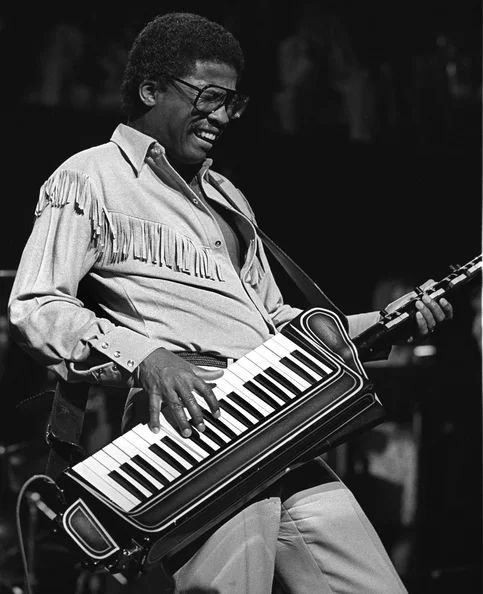
| Instruments | piano, keytar, electric piano, flute, electronic keyboard, synthesizer, ARP Chroma, musical keyboard |
| Genre | jazz, bebop, jazz fusion, post-bop, modal jazz, funk, hard bop, electro, jazz-funk, rhythm and blues, pop rock, classical music |
| Record Label | Blue Note, Columbia Records, Verve Records, Mercury Records, PolyGram, Sony BMG Music Entertainment, Inc., Warner Bros. Records |
| Nominations | Grammy Award for Best R&B Instrumental Performance, Grammy Award for Best Pop Instrumental Performance, Grammy Award for Best R&B Instrumental Performance, MTV Video Music Award for Best Male Video, MTV Video Music Award for Video of the Year, MTV Video Music Award for Best Concept Video, MTV Video Music Award for Most Experimental Video, MTV Video Music Award for Best Visual Effects, MTV Video Music Award for Best Art Direction, MTV Video Music Award – Viewer’s Choice, Grammy Award for Best R&B Instrumental Performance, MTV Video Music Award for Best Editing, Golden Globe Award for Best Original Score, Academy Award for Best Original Score, Grammy Award for Best Instrumental Composition, Grammy Award for Best Rock Instrumental Performance, César Award for Best Music Written for a Film, BAFTA Award for Best Original Music, Grammy Award for Best Jazz Instrumental Album, Soul Train Music Award for Best Jazz Album, Grammy Award for Best Music Video, Grammy Award for Best Instrumental Composition, Soul Train Music Award for Best Jazz Album, Grammy Award for Best Jazz Instrumental Album, Grammy Award for Best Arrangement, Instrumental and Vocals, Soul Train Music Award for Best Jazz Album, Grammy Award for Best Jazz Instrumental Album, Grammy Award for Best Jazz Performance, Grammy Award for Best Jazz Performance, Grammy Award for Best Pop Collaboration with Vocals, Grammy Award for Best Pop Instrumental Performance, Grammy Award for Album of the Year, Grammy Award for Best Contemporary Jazz Album, Grammy Award for Best Jazz Performance, Grammy Award for Best Pop Collaboration with Vocals, Grammy Award for Best Arrangement, Instrumental and Vocals, NAACP Image Award for Outstanding Duo or Group, NAACP Image Award for Outstanding Duo or Group, NAACP Image Award for Outstanding Album |
| Member Of | American Academy of Arts and Sciences |
| Work Period Start | 1961 |
| Employer | University of California, Los Angeles |
SOCIAL MEDIA & LINKS
| IMDB ID | nm0359372 |
|---|---|
| Official Website | http://www.herbiehancock.com |
| @herbiehancock | |
| herbiehancock | |
| @herbiehancock | |
| Wikipedia | Wikipedia |
Cost of Becoming
The journey to becoming Herbie Hancock was one of relentless dedication and hard work. From an early age, Hancock displayed a natural talent for music, which he honed through rigorous practice and formal training. His parents,グルher mother a pianist and his father a security guard, provided the initial support and encouragement he needed. Hancock’s early success at the piano, which included a performance of a Mozart concerto with the Chicago Symphony Orchestra at the age of 11, was a testament to his prodigious talent. However, the path to stardom was not without its challenges. Hancock had to navigate the competitive and often cutthroat world of professional music, balancing the demands of artistic integrity and commercial success.
Identity Before Fame
Before he became a household name, Herbie Hancock was a young musician with a deep passion for jazz and classical music. He grew up in a musical household in Chicago, where he was exposed to a variety of genres from an early age. Hancock’s early years were marked by his dedication to classical music, which he studied intensively. His talent was recognized early on, and he was awarded a scholarship to Grinnell College, where he began to explore jazz more seriously. It was during this time that Hancock started to develop his unique style, blending classical techniques with the improvisational spirit of jazz. His identity as a musician was shaped by these early experiences, laying the foundation for his future success.
Timeline
- 1940: Born in Chicago, Illinois
- 1951: Performed a Mozart concerto with the Chicago Symphony Orchestra at age 11
- 1959: Awarded a scholarship to Grinnell College
- 1960: Moved to New York City to pursue a career in music
- 1963: Joined Miles Davis’s Second Great Quintet
- 1964: Released his debut album, “Takin’ Off”
- 1973: Formed the band The Headhunters, which popularized jazz fusion
- 1983: Released the hit single “Rockit,” which was a crossover success
- 2007: Released the album “River: The Joni Letters,” which won the Grammy for Album of the Year
- 2014: Received the Polar Music Prize
Favourites
- Favorite City: New York City
- Favorite Composer: Johann Sebastian Bach
- Favorite Jazz Artist: Miles Davis
- Favorite Instrument: Piano
- Favorite Genre: Jazz Fusion
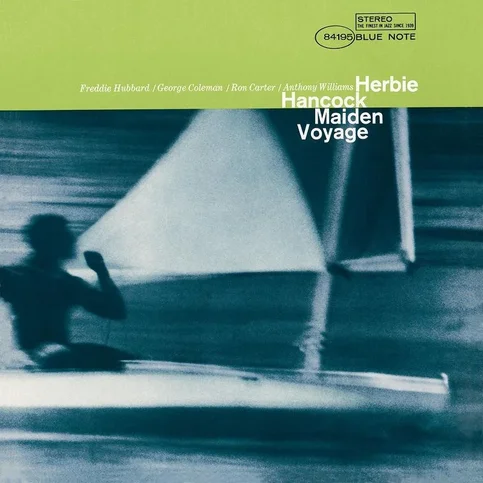
- Favorite Album: “Maiden Voyage” by Miles Davis
- Favorite Book: “The Tao of Pooh” by Benjamin Hoff
- Favorite Film: “The Sound of Music”
- Favorite Food: Sushi
- Favorite Color: Blue
Controversies
- 1983: The music video for “Rockit” was criticized for its portrayal of graffiti artists and breakdancers as stereotypes.
- 1998: Hancock was accused of cultural appropriation for his album “Gангroove,” which heavily featured hip-hop and R&B elements.
- 2000: Hancock faced backlash for his comments on the declining state of jazz and the lack of innovation in the genre.
- 2002: His collaboration with pop artist Britney Spears on the song “I Love Rock ‘n’ Roll” was met with mixed reactions from his fan base.
- 2005: Hancock’s decision to endorse a controversial health supplement was criticized as a cash grab and for lacking scientific backing.
- 2010: He was criticized for his stance on the role of technology in music, particularly regarding the use of Auto-Tune and other production tools.
- 2015: Hancock’s comments on the decline of live music and the rise of electronic dance music were met with strong opposition from younger artists.
- 2018: His collaboration with DJ tph9 and the release of the album “Herbie Hancock: The Joe Clark Sessions” was met with criticism for its experimental and largely improvised nature.
- 2020: Hancock’s decision to release a reimagined version of his classic album “Head Hunters” with a diverse group of artists was met with mixed reviews.
- 2022: He faced backlash for his statements on the role of artificial intelligence in music composition and the potential loss of human creativity.
Control vs Chaos
Herbie Hancock’s career is a study in the balance between control and chaos. On one hand, his meticulous approach to composition and arrangement is evident in his intricate and carefully crafted music. He is known for his attention to detail and his ability to bring together diverse musical elements into cohesive and innovative pieces. On the other hand, Hancock’s improvisational skills and willingness to take risks have allowed him to push the boundaries of jazz and explore new territories. This duality is a hallmark of his artistry, reflecting his ability to maintain a sense of order while embracing the unpredictability and spontaneity of musical creation.
Emotional Geography
Herbie Hancock’s emotional geography is as rich and diverse as his music. Born and raised in Chicago, Hancock’s early years were marked by the influence of the city’s vibrant jazz scene. The city’s cultural melting pot and the energy of its music venues provided a fertile ground for his creative development. As he moved to New York City in the 1960s, Hancock found himself at the center of the jazz world, where he collaborated with some of the most influential musicians of the time. His emotional connection to these cities, and the communities that shaped him, is evident in his music, which often reflects the urban landscapes and the human experiences that have inspired him throughout his life.
FAQs
-
What is Herbie Hancock best known for?
Herbie Hancock is best known for his influential contributions to jazz, particularly through his work with Miles Davis’s Second Great Quintet and his groundbreaking albums like “Head Hunters” and “Thrust.” He is also renowned for his ability to blend jazz with other genres, including funk, rock, and hip-hop.
-
When did Herbie Hancock start his music career?
Herbie Hancock began his music career in the early 1960s, after moving to New York City. He quickly gained recognition for his piano skills and was invited to join Miles Davis’s band in 1963.
-
What are some of Herbie Hancock’s most famous albums?
Some of Herbie Hancock’s most famous albums include “Takin’ Off” (1962), “Maiden Voyage” (1965), “Head Hunters” (1973), “Watermelon Man” (1973), “Rockit” (1983), and “River: The Joni Letters” (2007).
-
How did Herbie Hancock get started in music?
Herbie Hancock started playing the piano at a very young age and showed exceptional talent. He performed a Mozart concerto with the Chicago Symphony Orchestra at the age of 11 and later studied classical music at Grinnell College before turning his focus to jazz.
-
What is Herbie Hancock’s relationship with Miles Davis?
Herbie Hancock played a crucial role in Miles Davis’s Second Great Quintet from 1963 to 1968. Their collaboration was highly influential, and Hancock’s contributions helped shape the sound of the group and the future of jazz.
-
How has Herbie Hancock influenced jazz and other genres?
Herbie Hancock’s influence on jazz is profound, particularly through his innovative use of electronic instruments and his fusion of jazz with funk, rock, and hip-hop. His ability to experiment and adapt to new sounds has influenced countless musicians and helped to redefine the boundaries of jazz.
-
What awards has Herbie Hancock won?
Herbie Hancock has won numerous awards throughout his career, including 14 Grammy Awards, an Academy Award, and the prestigious Polar Music Prize. He has also received multiple honorary doctorates and other accolades for his contributions to music.
-
What is Herbie Hancock’s approach to teaching and mentorship?
Herbie Hancock is known for his commitment to education and mentorship. He has taught at several institutions, including the University of California, Los Angeles (UCLA), and has founded the Herbie Hancock Institute of Jazz to promote jazz education and performance.
-
How has Herbie Hancock evolved as a musician over the years?
Herbie Hancock’s musical journey is characterized by continuous evolution and innovation. From his early days in traditional jazz to his pioneering work in jazz fusion and electronic music, he has consistently explored new sounds and genres, adapting to the changing musical landscape.
-
What is Herbie Hancock’s opinion on the future of jazz?
Herbie Hancock has expressed both optimism and concern about the future of jazz. While he believes that the genre has the potential to continue evolving and thriving, he has also criticized the lack of innovation and the over-reliance on traditional forms in some areas of jazz.
-
How does Herbie Hancock balance his artistic and commercial interests?
Herbie Hancock has always sought to balance his artistic integrity with commercial success. While he is known for his innovative and experimental work, he has also produced popular and commercially successful projects, such as the single “Rockit” and the album “River: The Joni Letters.”
-
What is Herbie Hancock’s role in the music industry today?
Herbie Hancock remains a respected and influential figure in the music industry. He continues to perform, record, and collaborate with other artists, while also advocating for music education and the preservation of jazz as a living art form.
-
What inspired Herbie Hancock to start the Herbie Hancock Institute of Jazz?
Herbie Hancock founded the Herbie Hancock Institute of Jazz to provide young musicians with the resources and opportunities to learn and grow in the jazz tradition. The institute offers educational programs, workshops, and performances to help nurture the next generation of jazz artists.
-
What is Herbie Hancock’s favorite piece of music to perform?
While Herbie Hancock enjoys performing a wide range of music, he has often cited his love for performing compositions by Miles Davis, such as “Maiden Voyage” and “Nefertiti.” These pieces allow him to blend his classical training with his improvisational skills.
-
How does Herbie Hancock view the role of technology in music?
Herbie Hancock has a nuanced view of technology in music. While he embraces the creative possibilities that technology offers, he also emphasizes the importance of maintaining the human element and the emotional depth of music. He believes that technology should enhance, rather than replace, the artistry of the musician.
Herbie Hancock’s legacy is a testament to his extraordinary talent, innovative spirit, and enduring impact on the world of music. From his early performances in Chicago to his groundbreaking albums and collaborations, Hancock has continually pushed the boundaries of jazz and inspired generations of musicians. His ability to blend control and chaos, and his deep emotional connection to the music he creates, make him one of the most revered and influential figures in the history of jazz.