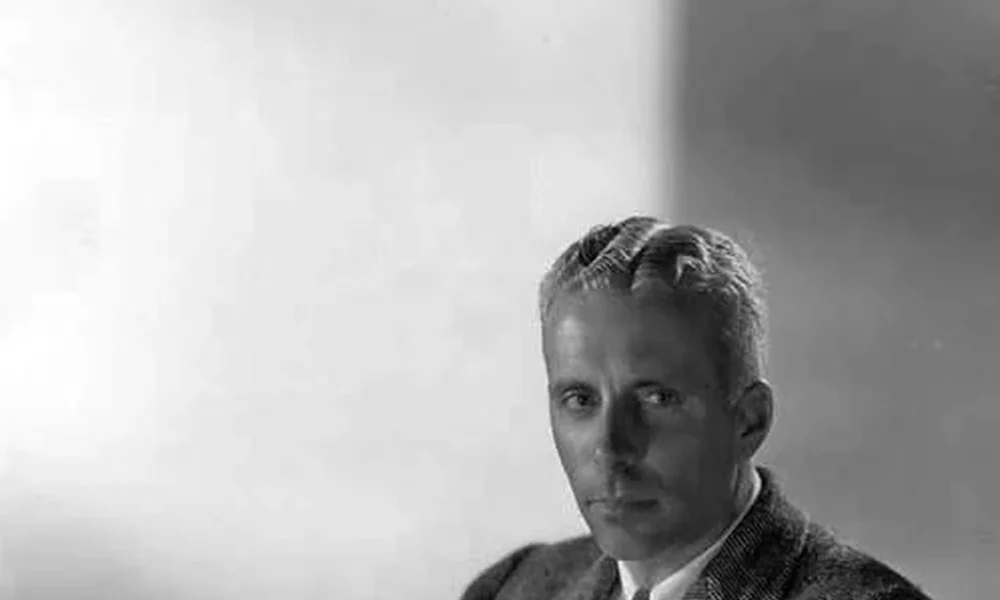
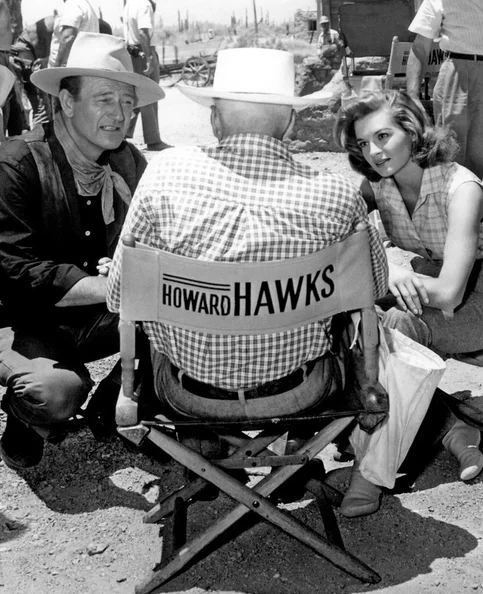
Howard Hawks, a towering figure in the world of American cinema, is renowned for his versatility and the impact of his directorial style on the film industry. Beyond his contributions to genres like screwball comedy, film noir, and Westerns, Hawks is celebrated for his ability to blend genres and create films that resonate with audiences across generations. Born on May 30, 1896, in Goshen, Indiana, Howard Hawks lived a life rich with achievements and controversies, leaving a legacy that continues to influence filmmakers and cinephiles alike.
PERSONAL INFORMATION
| Name | Howard Hawks |
|---|---|
| Nationality | United States |
| Place of Birth | Elkhart County |
| Place of Death | Palm Springs |
| Date of Birth | 30 May 1896 |
| Age at Death | 81 Years |
| Zodiac Sign | Gemini |
| Date of Death | 26 December 1977 |
| Languages Spoken | German, English |
| Gender | Male |
| Native Language | English |
FAMILY
| Spouse | Athole Shearer, Slim Keith, Dee Hartford |
|---|---|
| Children | Kitty Hawks, David Hawks, Barbara Hawks, Gregg Hawks |
| Siblings | William Hawks, Kenneth Hawks |
| Father | Frank Winchester Hawks |
| Mother | Helen Howard |
EDUCATION
| Educated At | Cornell University, Cornell University College of Engineering, Phillips Exeter Academy, Polytechnic School, Pasadena High School |
|---|
CAREER
| Profession | screenwriter, film producer, film director, actor, aircraft pilot, film editor, director, writer, producer, film screenwriter |
|---|---|
| Nominations | Academy Award for Best Director |
| Work Period Start | 1916 |
| Awards Received | Academy Honorary Award, star on Hollywood Walk of Fame |
| Work Period End | 1970 |
Cost of becoming
The journey to becoming one of the most influential directors in Hollywood was not without its challenges and sacrifices. Howard Hawks initially entered the film industry as a screenwriter and producer, honing his skills and building a network of contacts that would prove invaluable. His early work provided him with the financial stability and experience needed to transition into directing. However, this path required a deep commitment to his craft, often at the expense of personal relationships and health. Hawks was known for his perfectionism and long hours on set, which sometimes led to conflicts with actors and crew members but ultimately contributed to the high quality of his films.
Identity before fame
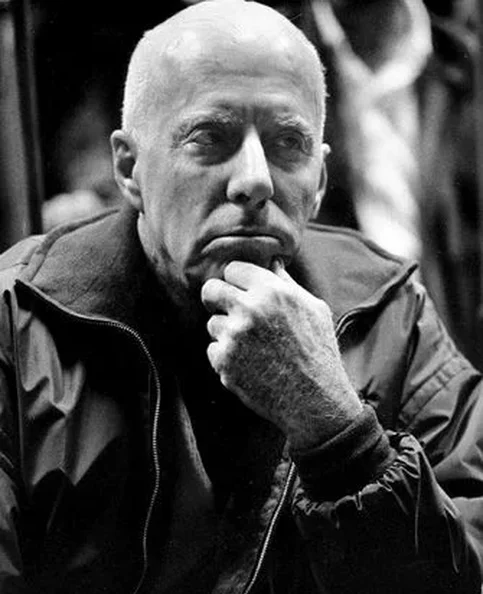
Before achieving fame as a director, Howard Hawks had a diverse background that would later inform his unique approach to filmmaking. He was born into a wealthy family, which afforded him the opportunity to travel and gain a broad education. His father, Frank Hawks, was a successful businessman, and his mother, Katherine Eleanora “May” Hawkins, was a socialite. Despite his privileged upbringing, Hawks developed a keen interest in mechanics and aviation, which led him to work as a race car driver and pilot in his youth. These early experiences instilled in him a sense of adventure and a practical approach to problem-solving, qualities that would later define his directorial style.
Timeline
- 1896: Born on May 30 in Goshen, Indiana.
- 1913: Begins his mechanical and aviation interests, working as a race car driver and pilot.
- 1917: Enters the film industry as a screenwriter, writing for silent films.
- 1926: Directs his first film, “The Road to Glory.”
- 1931: Directs “The Front Page,” a critical and commercial success.
- 1934: Releases “Twist of Faith,” a controversial film that pushes boundaries of censorship.
- 1938: Directs “Bringing Up Baby,” a classic screwball comedy starring Cary Grant and Katharine Hepburn.
- 1941: Releases “Sergeant York,” a biographical war film that wins Gary Cooper an Academy Award.
- 1946: Directs “The Big Sleep,” a film noir masterpiece featuring Humphrey Bogart and Lauren Bacall.
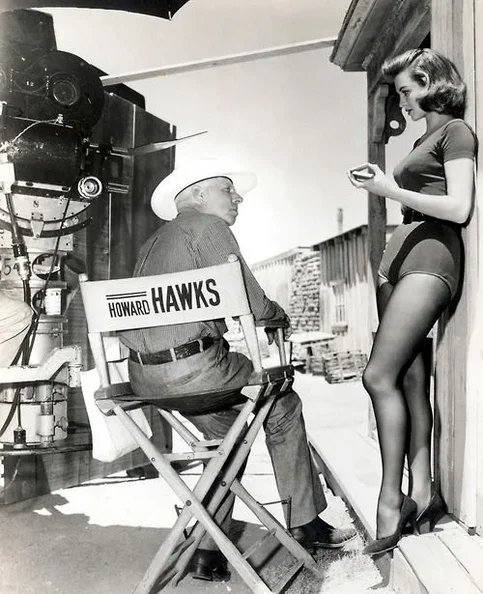
- 1965: Retires from directing after the release of “El Dorado.”
Favourites
- Favorite Actor: Humphrey Bogart
- Favorite Actress: Lauren Bacall
- Favorite Film: “Bringing Up Baby” (1938)
- Favorite Genre: Screwball Comedy
- Favorite Location to Film: Various urban and rural settings, reflecting his versatility
- Favorite Era in Film History: The Golden Age of Hollywood
- Favorite Hobby: Aviation
- Favorite Director (other than himself): John Ford
Controversies
- Racism: Some of his films, particularly “Dodge City” (1939) and “Red River” (1948), have been criticized for their portrayal of Native Americans.
- Sexism: Hawks’ depiction of women in his films has been labeled as sexist by modern standards, with characters often reduced to stereotypes.
- Homophobia: His film “His Girl Friday” (1940) has been criticized for its portrayal of LGBTQ+ characters.
- Censorship: “Twist of Faith” (1934) faced heavy censorship due to its controversial content.
- Health Issues: Hawks’ relentless work schedule and perfectionism led to health problems, including heart issues and stress-related disorders.
- Conflict with Actors: His demanding directorial style often caused friction with actors, leading to several well-publicized conflicts.
- Financial Disputes: Hawks was involved in several disputes over the distribution and profits of his films, particularly with major studios.
- Alcoholism: There were rumors of his struggle with alcoholism, which affected his personal and professional life.
- Misogyny: His private life and public statements were often seen as misogynistic, reflecting the attitudes of his time but criticized by modern standards.
Control vs chaos
Howard Hawks was known for his meticulous control over every aspect of his films, from the script to the final cut. His approach to filmmaking was characterized by a blend of discipline and creativity, where control was essential to achieve the precise vision he had for each project. However, this control often came at the cost of chaos on set, as his demanding nature and high standards sometimes led to clashes with actors and crew members. Despite these tensions, Hawks’ ability to maintain control while embracing the chaos of the creative process allowed him to produce films that were both technically proficient and artistically innovative.
Emotional geography
Howard Hawks’ films often explored themes of masculinity, friendship, and the clash between individualism and society. His emotional geography was rooted in the American experience, particularly the ideals of the frontier and the city. Hawks’ films frequently depicted characters navigating complex emotional landscapes, from the comedic misunderstandings in screwball comedies to the tense relationships in film noir. His ability to capture the emotional depth of his characters, while maintaining a sense of humor and adventure, contributed to the enduring appeal of his work. Whether set in the wilds of the West or the streets of a bustling city, Hawks’ films created a unique emotional landscape that resonated with audiences.
FAQs
-
What is Howard Hawks best known for?
Howard Hawks is best known for his versatility as a director, working across multiple genres including screwball comedy, film noir, and Westerns. His notable works include “Bringing Up Baby” (1938), “The Big Sleep” (1946), and “Rio Bravo” (1959).
-
What is Howard Hawks’ directorial style?
Hawks’ directorial style is characterized by his meticulous control over the production process, attention to detail, and a blend of humor and drama. He was known for his ability to balance different genres and create films that were both entertaining and thought-provoking.
-
What was Howard Hawks’ first film?
Howard Hawks’ first film as a director was “The Road to Glory” in 1926, a silent war film that marked the beginning of his illustrious career in Hollywood.
-
What are some of Howard Hawks’ most famous films?
Some of Howard Hawks’ most famous films include “Twist of Faith” (1934), “Bringing Up Baby” (1938), “Sergeant York” (1941), “The Big Sleep” (1946), and “Rio Bravo” (1959).
-
How did Howard Hawks start his career in the film industry?
Howard Hawks started his career in the film industry as a screenwriter and producer before transitioning to directing. His early work provided him with the experience and contacts needed to establish himself as a director.
-
What are some of Howard Hawks’ common themes in his films?
Common themes in Hawks’ films include masculinity, friendship, the clash between individualism and society, and the exploration of gender roles. His films often feature strong, independent characters navigating complex emotional landscapes.
-
How did Howard Hawks influence the film industry?
Howard Hawks influenced the film industry through his innovative use of genre blending and his ability to create films that resonated with audiences across different eras. His work paved the way for future directors to experiment with genre and storytelling techniques.
-
What were some of Howard Hawks’ personal interests outside of filmmaking?
Howard Hawks had a keen interest in mechanics and aviation, which he pursued throughout his life. He was also known for his passion for sports, particularly horse racing and hunting.
-
How did Howard Hawks’ early life influence his filmmaking?
Hawks’ early life, marked by his privileged upbringing and diverse interests, provided him with a broad perspective and a practical approach to problem-solving. These experiences influenced his directorial style, which often combined technical precision with creative innovation.
-
What is the significance of Howard Hawks’ collaboration with screenwriter Ben Hecht?
Howard Hawks’ collaboration with screenwriter Ben Hecht was significant because it resulted in some of the most iconic films of the 1930s, including “Twist of Faith” (1934) and “The Front Page” (1931). Their partnership brought together Hawks’ directorial vision and Hecht’s sharp, witty writing.
-
How did Howard Hawks’ approach to directing evolve over his career?
Hawks’ approach to directing evolved from his early work in silent films to his later films, which featured more complex narratives and sophisticated visual techniques. Throughout his career, he maintained a focus on character-driven storytelling and a balance between different genres.
-
What are some of the controversies surrounding Howard Hawks’ films?
Some of the controversies surrounding Howard Hawks’ films include his portrayal of women and minority groups, which has been criticized for perpetuating stereotypes. Additionally, his films often faced censorship issues due to their bold and sometimes controversial content.
-
How did Howard Hawks’ films reflect the social and cultural context of their time?
Hawks’ films reflected the social and cultural context of their time by addressing contemporary issues and reflecting the values and concerns of the audience. His films often explored themes of individualism, masculinity, and the changing role of women in society, providing a window into the cultural landscape of the era.
-
What is the legacy of Howard Hawks in the film industry?
The legacy of Howard Hawks in the film industry is marked by his influential contributions to the development of multiple genres and his impact on the storytelling and production techniques of future generations of directors. His films continue to be studied and celebrated for their enduring quality and artistic merit.
Howard Hawks’ legacy is a testament to his talent, innovation, and the enduring appeal of his films. His ability to blend genres, create complex characters, and tell compelling stories has made him one of the most respected and influential directors in the history of American cinema. Despite the controversies and challenges he faced, his contributions to the film industry continue to inspire and captivate audiences worldwide.