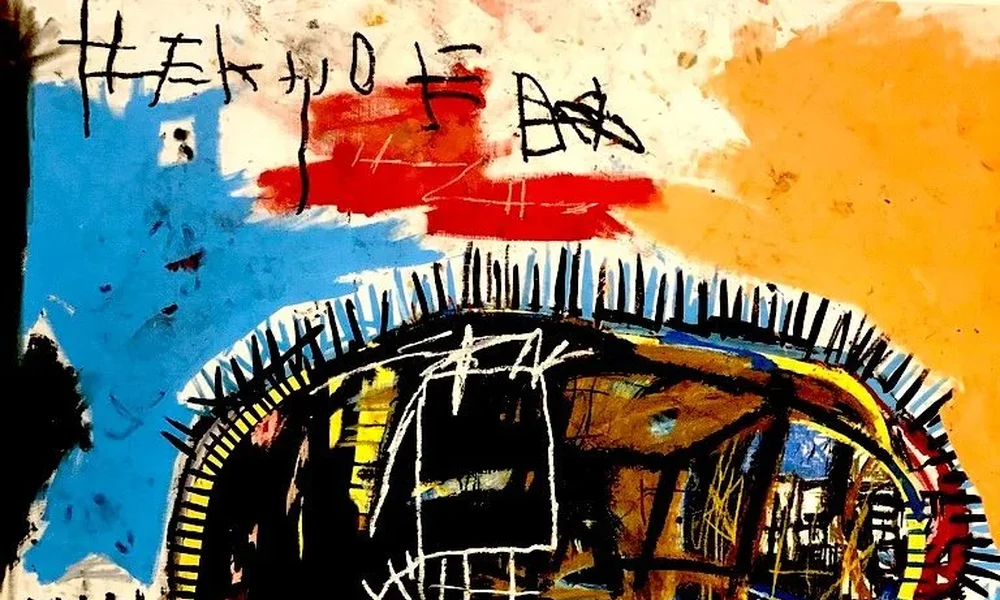
Jean-Michel Basquiat, a pivotal figure in the New York City art scene of the 1980s, left an indelible mark on the world of contemporary art. His vibrant and often politically charged works, filled with raw energy and deep cultural significance, have made him a posthumous legend. Basquiat’s art is celebrated for its fusion of text, abstraction, and found materials, reflecting his profound engagement with African, African-American, and Latino cultures. His meteoric rise from street artist to internationally acclaimed painter is a testament to his unique vision and relentless creativity. Despite his untimely death at the age of 27, Basquiat’s legacy continues to inspire artists and collectors worldwide, cementing his status as one of the most influential artists of the 20th century.
PERSONAL INFORMATION
| Name | Jean-Michel Basquiat |
|---|---|
| Nationality | United States |
| Place of Birth | Park Slope, Brooklyn |
| Date of Birth | 22 December 1960 |
| Age at Death | 27 Years |
| Zodiac Sign | Capricorn |
| Date of Death | 12 August 1988 |
| Gender | Male |
| Place of Death | New York City |
| Ethnicity | Puerto Ricans, Haitian Americans, African Americans |
| Languages Spoken | English |
| Native Name | Jean-Michel Basquiat |
FAMILY
| Partner | Madonna |
|---|
EDUCATION
| Educated At | John Jay Educational Campus, Saint Ann’s School, City As School, Edward R. Murrow High School |
|---|
CAREER
| Profession | painter, artivist, musicologist, record producer, composer, draftsperson, sculptor, graffiti artist, photographer, actor, architectural draftsperson, installation artist, visual artist, illustrator, muralist, cartoonist, musician, collagist |
|---|---|
| Genre | graffiti, figurative art |
| Work Period Start | 1978 |
| Work Period End | 1988 |
| Member Of | Gray |
SOCIAL MEDIA & LINKS
| IMDB ID | nm0060016 |
|---|---|
| Official Website | https://basquiat.com/ |
| Wikipedia | Wikipedia |
Cost of becoming
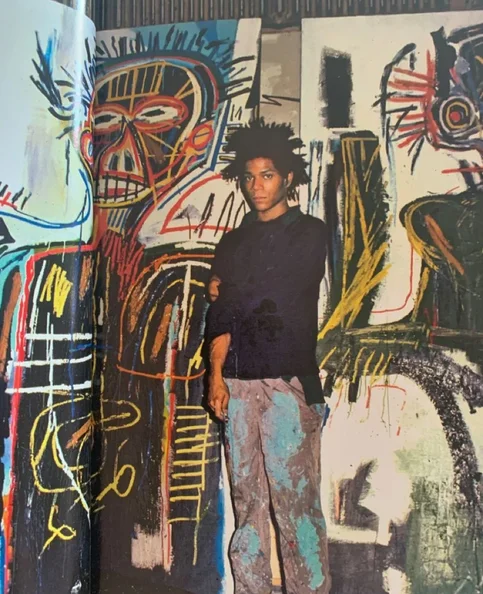
The path to stardom is often paved with sacrifice, and Jean-Michel Basquiat’s journey was no exception. Born into a middle-class Brooklyn family, Basquiat’s early life was marked by a deep curiosity and a burgeoning talent for art. His mother, an amateur artist, encouraged his creative pursuits, but his father, a strict accountant, was more skeptical. Basquiat’s decision to drop out of high school at 17 and pursue art full-time came at a significant personal cost. He faced poverty, homelessness, and the constant struggle to prove his artistic worth in a predominantly white art world. Despite these challenges, Basquiat’s unwavering dedication and innate talent propelled him to the forefront of the avant-garde art movement, earning him recognition and commercial success.
Identity before fame
Before he became a household name, Jean-Michel Basquiat was a young, street-savvy artist known by his pseudonym SAMO. He began his career as a graffiti artist, tagging buildings and subway cars with cryptic messages and slogans that challenged the status quo. Basquiat’s early work was marked by a sense of rebellion and a desire to break free from the constraints of conventional art. His collaboration with Al Diaz as SAMO led to the creation of some of his most iconic early pieces, which often critiqued consumer culture and the art world’s elitism. Despite his anonymity, Basquiat’s talent and unique voice began to attract attention in the underground art scene, laying the groundwork for his future success.
Timeline
- 1960 – Jean-Michel Basquiat is born in Brooklyn, New York.
- 1976 – Basquiat begins his graffiti career with the pseudonym SAMO in collaboration with Al Diaz.
- 1978 – Basquiat drops out of high school and becomes homeless, living on the streets of New York City.
- 1979 – He participates in the Times Square Show, a landmark exhibition of avant-garde art.
- 1981 – Art critic René Ricard publishes “The Radiant Child” in Artforum, which brings widespread attention to Basquiat’s work.
- 1982 – Basquiat has his first major solo exhibition at the Annina Nosei Gallery in New York.
- 1983 – He collaborates with Andy Warhol on several projects, further solidifying his place in the art world.
- 1985 – Basquiat appears on the cover of The New York Times Magazine, solidifying his status as a major artist.
- 1988 – Basquiat dies of a heroin overdose at the age of 27.
- 2020 – A retrospective of Basquiat’s work is held at the Fondation Louis Vuitton in Paris, celebrating his enduring legacy.
Favourites
- Art Movements: Neo-Expressionism, Street Art
- Colors: Vibrant and contrasting hues, often black and white with splashes of red and yellow
- Materials: Acrylic, oil, spray paint, found objects
- Influences: African, African-American, and Latino cultures, jazz and bebop, historical and mythological figures
- Collaborators: Andy Warhol, Keith Haring
- Themes: Social and political issues, racial identity, cultural heritage
- Medium: Mixed media paintings, drawings
- Techniques: Layering, collaging, juxtaposition of text and image
- Exhibitions: Times Square Show (1979), Annina Nosei Gallery (1982), The New York Times Magazine cover (1985)
- Personalities: Rappers, jazz musicians, historical figures like Hector of Troy and Charles III
Controversies
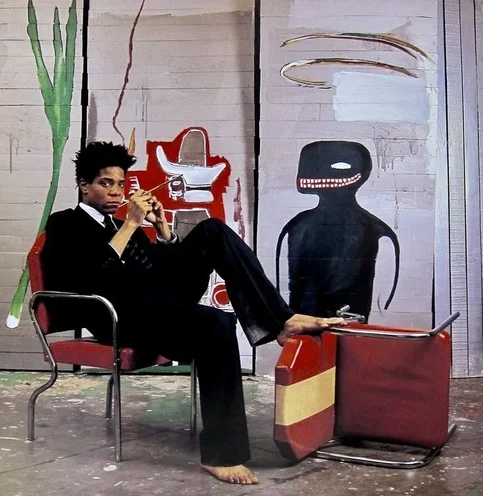
- Art World Elitism: Basquiat’s rapid rise to fame in the predominantly white art world sparked debates about tokenism and the exploitation of Black artists.
- Drug Use: His struggle with heroin addiction and subsequent death at the age of 27 have been the subject of much speculation and criticism.
- Political Statements: Many of his works contained strong political messages, which some found controversial and even offensive.
- Commercialization: Critics argued that Basquiat’s work was sometimes overshadowed by his celebrity status and the commercialization of his art.
- Collaborations: His collaboration with Andy Warhol was both praised and criticized, with some suggesting that Warhol’s influence diluted Basquiat’s authentic voice.
- Appropriation: There were accusations that Basquiat’s use of found materials and cultural symbols amounted to appropriation rather than tribute.
- Economic Inequality: His success in the art market raised questions about the economic disparities within the art world and the commercial value of Black art.
- Personal Relationships: Basquiat’s relationships, particularly with Warhol, were often complex and subject to rumor and speculation.
- Posthumous Sales: The high prices fetched by his works after his death led to debates about the exploitation of his legacy.
- Authenticity: Questions have been raised about the authenticity of some works attributed to Basquiat, leading to legal disputes and controversies.
Control vs Chaos
Jean-Michel Basquiat’s art was a dynamic interplay of control and chaos. On one hand, his works were meticulously composed, with careful layering of colors, text, and images that created a cohesive narrative. On the other hand, there was a raw, unbridled energy that permeated his pieces, reflecting the spontaneity and urgency of his creative process. This tension between order and disorder is a hallmark of Basquiat’s style, capturing the complexity of his inner world and the tumultuous times in which he lived. His ability to harness chaos into a form of structured expression was both a reflection of his artistic genius and a testament to his deep engagement with the cultural and political issues of his era.
Emotional Geography
Jean-Michel Basquiat’s emotional landscape was as rich and multifaceted as his art. Growing up in Brooklyn, he was deeply influenced by the vibrant cultural milieu of his neighborhood, where the rhythms of jazz and the street art of graffiti coexisted. His artworks often served as a conduit for his inner turmoil, channeling his experiences of racial identity, poverty, and the pressures of fame. Basquiat’s pieces are imbued with a profound sense of place, reflecting the urban landscapes that shaped his identity. His emotional geography is a testament to the resilience and creativity that can emerge from adversity, offering a window into the soul of one of the most dynamic artists of the 20th century.
FAQs
-
Who was Jean-Michel Basquiat?
Jean-Michel Basquiat was an American artist, born in 1960 in Brooklyn, New York. He rose to fame in the 1980s as a leading figure in the Neo-Expressionist art movement, known for his raw, expressive, and often politically charged works that combined text, abstraction, and found materials.
-
What is Basquiat famous for?
Basquiat is famous for his unique artistic style, which blended graffiti, painting, and drawing. His works often addressed themes of racial identity, social inequality, and cultural heritage, and he gained recognition for his provocative and innovative approach to art.
-
How did Basquiat start his career?
Basquiat’s career began as a graffiti artist in the late 1970s, using the pseudonym SAMO. He and his collaborator Al Diaz started tagging buildings and subway cars with cryptic messages, which gained attention in the underground art scene of New York City.
-
What was Basquiat’s relationship with Andy Warhol?
Basquiat and Andy Warhol developed a close relationship in the early 1980s. They collaborated on several projects, and Warhol played a significant role in Basquiat’s rise to fame. Their partnership was both productive and complex, with some suggesting that Warhol’s influence had a mixed impact on Basquiat’s artistic development.
-
What were the key themes in Basquiat’s art?
The key themes in Basquiat’s art include social and political issues, racial identity, cultural heritage, and the human condition. His works often featured powerful imagery and text, reflecting his deep engagement with the cultural and historical contexts of his time.
-
What techniques did Basquiat use in his art?
Basquiat’s art is characterized by a blend of various techniques, including mixed media, collage, and layering. He often used acrylic, oil, and spray paint, incorporating found materials and text into his works. This approach created a rich, textured aesthetic that was both visually striking and conceptually deep.
-
What is the most expensive Basquiat painting?
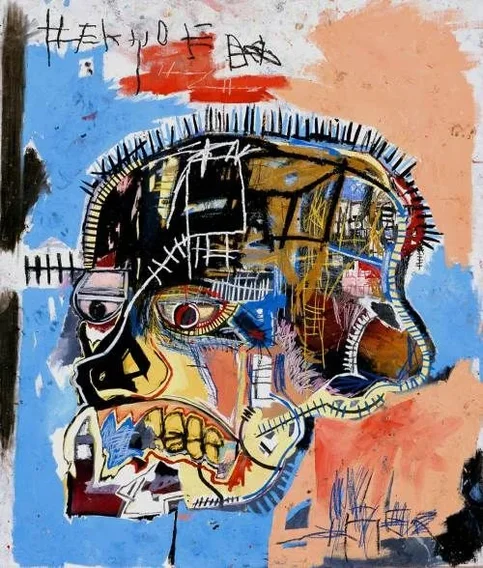
One of the most expensive Basquiat paintings is “Untitled” (1982), which sold for $110.5 million in 2017. This painting, featuring a skull-like face with graphic, colorful strokes, is a prime example of Basquiat’s signature style and has become a symbol of his artistic legacy.
-
What impact did Basquiat have on the art world?
Basquiat’s impact on the art world is profound. He broke barriers and challenged the status quo, bringing issues of race and social inequality to the forefront of contemporary art. His influence continues to inspire artists and has helped to diversify the art world, making it more inclusive and reflective of a broader range of voices.
-
How did Basquiat’s personal life affect his art?
Basquiat’s personal life, including his struggles with poverty, homelessness, and drug addiction, deeply influenced his art. His experiences of adversity and his complex relationships, particularly with Andy Warhol, informed the emotional and thematic content of his works, making them deeply personal and resonant.
-
What is the “Radiant Child” article?
The “Radiant Child” article was a pivotal piece written by art critic René Ricard and published in Artforum in 1981. It brought widespread attention to Basquiat’s work and helped establish him as a major artist in the contemporary art scene. The article highlighted Basquiat’s unique talent and the raw energy of his art.
-
What were Basquiat’s influences?
Basquiat’s influences were diverse and included African, African-American, and Latino cultures, jazz and bebop, and historical and mythological figures. He was also inspired by fellow artists, writers, and musicians, drawing from a wide range of sources to create his distinctive and multifaceted body of work.
-
What is the significance of Basquiat’s use of text in his art?
The use of text in Basquiat’s art is significant because it adds layers of meaning and depth to his works. He often incorporated words, phrases, and symbols that comment on social and political issues, creating a dialogue between the visual and the verbal. This approach makes his art both visually and intellectually engaging.
-
How did Basquiat’s early experiences in Brooklyn shape his art?
Basquiat’s early experiences in Brooklyn, where he was exposed to a rich tapestry of cultural influences, deeply shaped his art. The urban landscapes, street art, and vibrant cultural scene of Brooklyn provided a backdrop for his creative development, influencing the themes and styles that would become hallmarks of his work.
-
What happened to Basquiat at the height of his fame?
t the height of his fame, Basquiat struggled with the pressures of success and the demons of drug addiction. Despite his commercial success and critical acclaim, he faced personal challenges that ultimately contributed to his tragic death from a heroin overdose in 1988 at the age of 27.