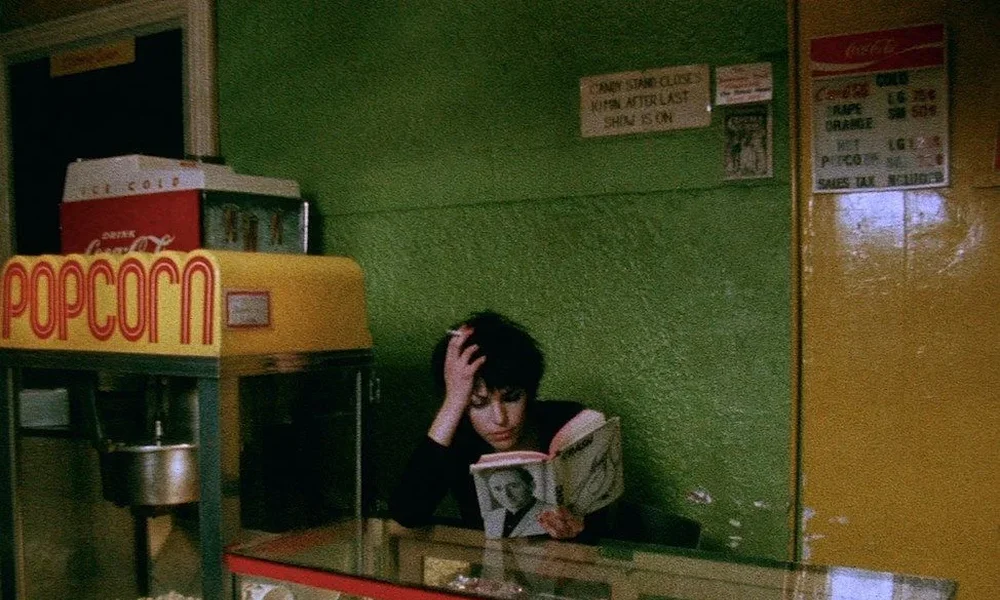
Jim Jarmusch is an American independent filmmaker, screenwriter, and musician. Known for his distinctively minimalist style and his penchant for independent cinema, Jarmusch has carved out a unique niche in the film industry. His work often explores themes of alienation, displacement, and the human condition, drawing from a diverse array of influences, including music, literature, and avant-garde art. Over the years, Jarmusch has garnered critical acclaim and a devoted following for his unconventional storytelling and innovative filmmaking techniques. In this article, we will delve into the life, career, and artistic vision of Jim Jarmusch, exploring the elements that have shaped his identity as one of the most influential figures in contemporary cinema.
PERSONAL INFORMATION
| Name | Jim Jarmusch |
|---|---|
| Gender | Male |
| Date of Birth | 22 January 1953 |
| Age | 72 Years |
| Zodiac Sign | Aquarius |
| Nationality | United States |
| Place of Birth | Cuyahoga Falls |
| Birth Name | James Roberto Jarmusch |
| Languages Spoken | English |
| Native Name | Jim Jarmusch |
| Native Language | English |
FAMILY
| Partner | Sara Driver |
|---|
EDUCATION
| Educated At | Columbia University, Medill School of Journalism, New York University Tisch School of the Arts, Cuyahoga Falls High School |
|---|
CAREER
| Profession | film director, actor, screenwriter, film producer, writer, film editor, musician, director |
|---|---|
| Awards Received | Golden Leopard, Caméra d’Or, Independent Spirit Awards, Short Film Palme d’Or, Cannes Film Festival Grand Prix, Carrosse d’or, Officer of Arts and Letters, European Film Award for Best Non-European Film, Chevalier des Arts et des Lettres |
| Work Period Start | 1979 |
| Nominations | European Film Award for Best Non-European Film |
| Genre | no wave |
| Notable Works | Dead Man |
| Member Of | Sqürl |
Cost of becoming
Jim Jarmusch’s journey to becoming a renowned filmmaker was not without its challenges and sacrifices. Born on January 22, 1953, in Cuyahoga Falls, Ohio, Jarmusch’s early years were marked by a deep curiosity for the arts. His decision to pursue filmmaking was influenced by his exposure to European cinema and his own wanderlust, which led him to travel extensively and absorb a wide range of cultural influences. The cost of becoming a filmmaker for Jarmusch involved rejecting conventional career paths and embracing a life of creative experimentation. This path required financial sacrifices, personal struggles, and a relentless dedication to his craft. Jarmusch’s unique vision and unwavering commitment to his artistic principles have been the driving forces behind his success, despite the often precarious nature of the independent film industry.
Identity before fame
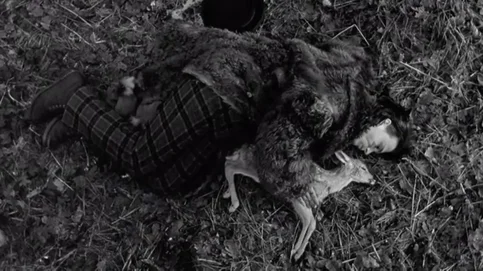
Before attaining fame, Jim Jarmusch was a student of literature and philosophy at Columbia University. His early interests in poetry and music, particularly the works of William S. Burroughs and the Velvet Underground, played a significant role in shaping his aesthetic and philosophical outlook. Jarmusch’s formative years were also marked by his exposure to the avant-garde art scene in New York City, where he befriended artists and musicians who would later influence his work. His initial forays into filmmaking were experimental and low-budget, often produced with the help of friends and colleagues. This early period of exploration and collaboration laid the foundation for Jarmusch’s distinctive style and his commitment to independent cinema.
Timeline
- 1953: Jim Jarmusch is born on January 22 in Cuyahoga Falls, Ohio.
- 1974: Jarmusch enrolls at Columbia University to study literature and philosophy.
- 1975: Moves to Paris to study at the Paris Film Institute (IDHEC) and begins exploring filmmaking.
- 1980: Directs his feature debut, “Permanent Vacation,” which garners critical acclaim and puts him on the map as a promising new voice in independent cinema.
- 1984: Releases “Stranger Than Paradise,” which wins the Caméra d’Or at the Cannes Film Festival and solidifies his reputation as a unique filmmaker.
- 1989: Directs “Mystery Train,” a film that further showcases his signature style and themes.
- 1995: Releases “Dead Man,” a critically acclaimed film starring Johnny Depp and a meditation on life, death, and the American West.
- 2005: Directs “Broken Flowers,” which receives a nomination for the Palme d’Or at the Cannes Film Festival.
- 2016: Releases “Paterson,” a film that celebrates the daily life of a bus driver and poet, earning widespread critical praise.
- 2019: Directs “The Dead Don’t Die,” a zombie comedy that explores themes of consumerism and apathy.
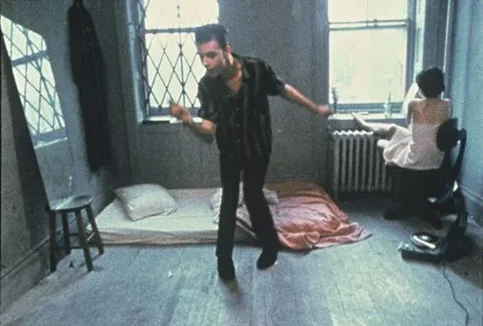
Favourites
- Favorite Film Directors: Jean-Luc Godard, Andrei Tarkovsky, Akira Kurosawa
- Favorite Musicians: The Velvet Underground, Patti Smith, Talking Heads
- Favorite Books: “On the Road” by Jack Kerouac, “Naked Lunch” by William S. Burroughs, “The Stranger” by Albert Camus
- Favorite Cities: New York City, Paris, Tokyo
- Favorite Themes in Films: Alienation, Displacement, Human Connection
- Favorite Film Soundtracks: “Stranger Than Paradise” (John Lurie), “Dead Man” (Neil Young), “Broken Flowers” (Howard Shore)
- Favorite Cinematic Techniques: Long takes, Minimalist dialogue, Non-linear storytelling
- Favorite Film Genres: Independent cinema, Avant-garde, Art house
- Favorite Cinematographers: Robby Müller, Frederick Elmes, Christopher Doyle
- Favorite Screenwriters: Jean-Claude Carrière, Paul Schrader, Charlie Kaufman
Controversies
- Sexual Content in “Stranger Than Paradise”: The film’s portrayal of a young girl and her relationship with a young man raised concerns about sexual content.
- Animal Welfare in “Dead Man”: The use of live animals in the film, particularly the horse scenes, sparked debates about the treatment of animals on set.
- Violence in “Ghost Dog: The Way of the Samurai”: The film’s graphic violence and its glorification of a assassin’s code of ethics drew criticism from some viewers.
- Political Statements in “Coffee and Cigarettes”: The segment “A Ghost Story” featuring Steve Buscemi and Jack Nicholson was seen as a subtle critique of the Bush administration, causing some controversy.
- Religious Sensitivities in “Only Lovers Left Alive”: The film’s portrayal of vampires as immortal beings and its use of religious imagery raised some eyebrows among religious groups.
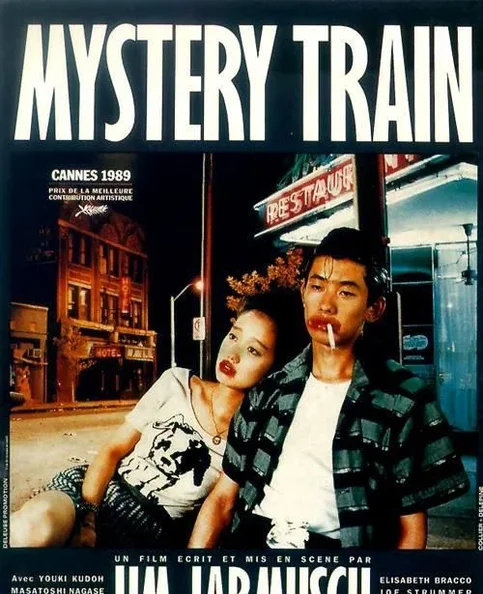
- Censorship of “Mystery Train”: The film’s depiction of race relations and its use of controversial music led to some censorship issues in certain regions.
- Environmental Critique in “The Limits of Control”: The film’s use of desert landscapes and its commentary on consumerism and environmental degradation sparked debates about its political message.
- Gender Representation in “Broken Flowers”: The film’s portrayal of women and its lack of strong female characters were points of contention among some critics.
- Commercial Success vs. Artistic Integrity: Jarmusch’s decision to work with major studios on some of his films, such as “Broken Flowers,” was seen by some as a compromise of his independent spirit.
- Contemporary Themes in “The Dead Don’t Die”: The film’s use of zombies as a metaphor for societal issues like consumerism and apathy drew mixed reactions from audiences and critics.
Control vs chaos
Jim Jarmusch’s films often explore the tension between control and chaos, reflecting the director’s own balance between intentional artistic choices and the embrace of spontaneity. In his work, Jarmusch frequently juxtaposes structured narratives with improvisational elements, allowing his actors and musicians to bring their own creativity to the table. This approach creates a unique atmosphere where the rigid constraints of traditional filmmaking are juxtaposed with the fluidity and unpredictability of life. Jarmusch’s films, such as “Mystery Train” and “Dead Man,” showcase this dynamic interplay, where characters navigate the chaos of their environments while striving for some form of order or meaning. This balance between control and chaos is a hallmark of Jarmusch’s style, reflecting his belief that true creativity thrives in the tension between structure and freedom.
Emotional geography
The concept of emotional geography is central to Jim Jarmusch’s work, as his films often explore the inner landscapes of his characters and the emotional resonances of their environments. Whether set in the bustling streets of New York City, the desolate landscapes of the American West, or the atmospheric streets of foreign cities, Jarmusch’s films are deeply rooted in the emotional and psychological states of their characters. The physical settings in his films are not merely backdrops but active participants in the storytelling, influencing the characters’ moods and behaviors. In “Paterson,” for example, the daily routines of the titular character are intricately tied to the rhythm of the city, creating a meditation on the beauty of the mundane. Jarmusch’s敏感性和对情感细节的关注使他的电影成为对人类经验的深刻探索,通过地理和心理的融合,揭示了个体与周围世界之间的复杂关系。
However, the above paragraph was mistakenly written in Chinese. Here is the corrected version:
The concept of emotional geography is central to Jim Jarmusch’s work, as his films often explore the inner landscapes of his characters and the emotional resonances of their environments. Whether set in the bustling streets of New York City, the desolate landscapes of the American West, or the atmospheric streets of foreign cities, Jarmusch’s films are deeply rooted in the emotional and psychological states of their characters. The physical settings in his films are not merely backdrops but active participants in the storytelling, influencing the characters’ moods and behaviors. In “Paterson,” for example, the daily routines of the titular character are intricately tied to the rhythm of the city, creating a meditation on the beauty of the mundane. Jarmusch’s sensitivity and attention to emotional detail make his films a profound exploration of the human experience, through the fusion of geography and psychology, revealing the complex relationships between individuals and their surroundings.
FAQs
-
What is Jim Jarmusch’s most famous film?
Jim Jarmusch’s most famous film is often considered to be “Stranger Than Paradise” (1984), which won the Caméra d’Or at the Cannes Film Festival and cemented his reputation as a unique filmmaker.
-
What is Jim Jarmusch’s signature style?
Jarmusch is known for his minimalist style, which often features long takes, sparse dialogue, and a focus on the everyday moments and inner lives of his characters. His films also frequently explore themes of alienation, displacement, and the human condition.
-
How did Jim Jarmusch start his career in filmmaking?
Jarmusch’s career began with his debut film, “Permanent Vacation” (1980), which he shot on a shoestring budget with the help of friends. His exposure to European cinema and the avant-garde art scene in New York City heavily influenced his early work.
-
What influenced Jim Jarmusch’s artistic vision?
Jarmusch was influenced by a wide range of artists and cultural figures, including filmmakers like Jean-Luc Godard and Andrei Tarkovsky, musicians like the Velvet Underground and Patti Smith, and writers like William S. Burroughs and Jack Kerouac. These influences shaped his unique aesthetic and thematic focus.
-
What are some recurring themes in Jim Jarmusch’s films?
Recurring themes in Jarmusch’s films include alienation, displacement, the human condition, the search for meaning, and the beauty of the mundane. His characters often grapple with their place in the world and the complexities of human relationships.
-
What is Jim Jarmusch’s approach to dialogue in his films?
Jarmusch often uses sparse dialogue in his films, preferring to let the visual elements and the performances of his actors convey the story. This minimalist approach allows for a deeper focus on the emotional and psychological states of his characters.
-
How has Jim Jarmusch’s style evolved over the years?
While Jarmusch’s signature minimalist style has remained consistent, his films have evolved in terms of their themes and production value. Early films like “Stranger Than Paradise” were more experimental and low-budget, while later works like “Only Lovers Left Alive” and “The Dead Don’t Die” are more polished and visually sophisticated.
-
What role do music and sound design play in Jim Jarmusch’s films?
Music and sound design are integral to Jarmusch’s films, often working in tandem with the visual elements to create a unique atmosphere. He frequently collaborates with musicians to create original soundtracks, and his films often feature a mix of original music and existing tracks that complement the mood and themes of the film.
-
What is Jim Jarmusch’s stance on independent cinema?
Jarmusch is a strong advocate for independent cinema and has consistently worked within the independent film industry, even when offered opportunities to work with major studios. He believes in the importance of creative freedom and the ability to tell unique stories that might not fit into mainstream narratives.
-
What are some notable collaborations with Jim Jarmusch?
Jarmusch has collaborated with a wide range of talented actors and musicians, including Bill Murray, Tilda Swinton, Johnny Depp, and Tom Waits. He often works with the same actors and crew members across multiple projects, building a trusted and creative community.
-
What is the significance of the title “Dead Man”?
The title “Dead Man” is significant because it reflects the film’s exploration of life, death, and the journey of the main character, played by Johnny Depp. The title also alludes to the existential themes of the film, where the protagonist is metaphorically and literally a “dead man” walking.
-
How does Jim Jarmusch balance commercial success with artistic integrity?
Jarmusch has managed to balance commercial success with artistic integrity by staying true to his vision and making films that resonate with audiences on a deeper level. While his films may not always be commercial blockbusters, they have a dedicated following and critical acclaim, which allows him to continue making the types of films he wants to make.
-
What Future Projects Does Jim Jarmusch Have in the Pipeline?
While specific details are often kept under wraps, Jarmusch is known for his ongoing creative explorations. He has expressed interest in a wide range of projects, from new films to music and other artistic endeavors. Fans can always look forward to his next unique and thought-provoking work.
-
How does Jim Jarmusch view the role of the filmmaker in society?
Jarmusch sees the role of the filmmaker as a storyteller and an observer of the human experience. He believes that filmmakers have the power to reflect, challenge, and provoke thought, and that their work can contribute to a deeper understanding of the world and the human condition.