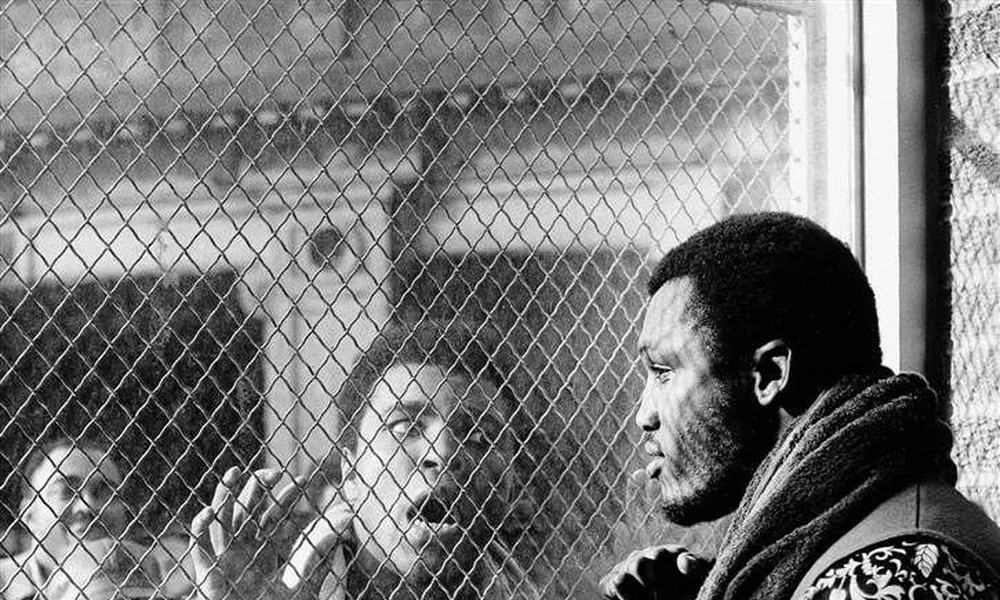
Joe Frazier, also known as “Smokin’ Joe,” was a legendary American professional boxer who left an indelible mark on the sport. Born in Beaufort, South Carolina, on January 12, 1944, Frazier’s journey from a humble beginning to becoming one of the greatest heavyweights in boxing history is a testament to his tenacity and skill. He is best known for his intense rivalry with Muhammad Ali, which culminated in three epic bouts, including the famous “Thrilla in Manila” in 1975. Frazier’s career was marked by his powerful left hook, relentless pressure, and incredible heart, qualities that earned him the respect of his peers and the admiration of fans worldwide. Beyond the ring, Frazier was a mentor and trainer, and his influence on boxing continues to be felt to this day.
PERSONAL INFORMATION
| Name | Joe Frazier |
|---|---|
| Date of Birth | 12 January 1944 |
| Age at Death | 67 Years |
| Zodiac Sign | Capricorn |
| Date of Death | 07 November 2011 |
| Place of Death | Philadelphia |
| Place of Birth | Beaufort |
| Nationality | United States |
| Languages Spoken | English |
| Ethnicity | African Americans |
| Gender | Male |
| Native Name | Joseph William Frazier |
| Native Language | English |
| Nickname | Smokin’ Joe |
PHYSICAL STATISTICS
| Weight | 103 Kg (227 lbs) |
|---|---|
| Height (in centimeters) | 182 cm |
| Height (in meters) | 1.82 m |
| Height (in feet inches) | 5′ 11″ |
FAMILY
| Children | Jackie Frazier-Lyde, Marvis Frazier, Derek Frazier |
|---|
CAREER
| Profession | actor, boxer, voice actor |
|---|---|
| Work Period End | 1981-11-03 |
SOCIAL MEDIA & LINKS
| IMDB ID | nm0004939, ch0039515 |
|---|---|
| Official Website | https://joefrazier.com |
| Wikipedia | Wikipedia |
Cost of becoming
The path to becoming a world champion boxer is fraught with challenges and sacrifices. For Joe Frazier, this journey began in poverty and was driven by a relentless work ethic. Growing up in a sharecropper family, Frazier learned the value of hard work at a young age. He often worked in the fields and docks to help support his family, but his passion for boxing never wavered. Frazier’s early training was rudimentary, often involving makeshift equipment and improvised training methods. Despite the lack of resources, he honed his skills and developed a formidable work ethic that would serve him well in the ring. The cost of becoming a champion was not just physical but also emotional, as Frazier had to overcome numerous obstacles, including racial discrimination and financial hardships, to achieve his dreams.
Identity before fame
Before Joe Frazier became a household name, he was a young man from Beaufort, South Carolina, known for his tireless work ethic and love for boxing. He moved to Philadelphia at the age of 16 to pursue his boxing career more seriously. In Philadelphia, Frazier worked at a slaughterhouse during the day and trained at the 22nd Street Gym in the evenings. His dedication and natural talent did not go unnoticed, and he quickly rose through the amateur ranks. Frazier’s early identity was rooted in his community and his family, and he carried these values with him as he navigated the world of professional boxing. His humble beginnings and the challenges he faced shaped him into the resilient and determined athlete he would become.
Timeline
- January 12, 1944: Joe Frazier is born in Beaufort, South Carolina.
- 1960: Frazier moves to Philadelphia to pursue his boxing career more seriously.
- 1964: He wins the gold medal in the heavyweight division at the Summer Olympics in Tokyo.
- 1968: Frazier turns professional and wins his first fight by knockout.
- 1970: He defeats Jimmy Ellis to become the undisputed heavyweight champion of the world.
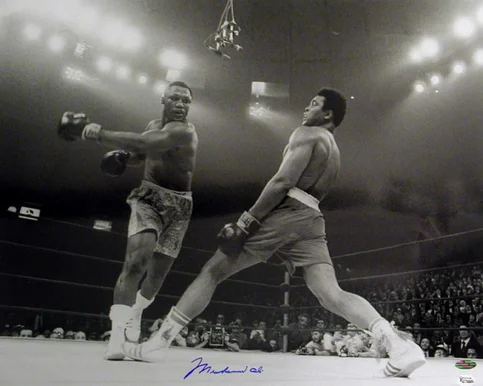
- 1971: Frazier defeats Muhammad Ali in the “Fight of the Century,” the first of their three epic bouts.
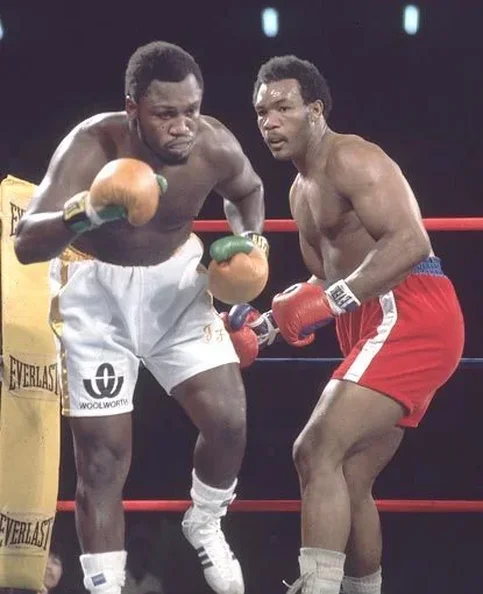
- 1973: George Foreman knocks out Frazier, ending his reign as heavyweight champion.
- 1975: Frazier fights Ali in the “Thrilla in Manila,” one of the most brutal and iconic matches in boxing history.
- 1976: He retires from professional boxing but returns briefly in 1981 for a few exhibition matches.
- November 7, 2011: Joe Frazier dies of liver cancer at the age of 67.
Favorites
- Favorite Weight: Heavyweight
- Favorite Opponent: Muhammad Ali (for the intensity and historical significance of their fights)
- Favorite Trainer: Yank Durham
- Favorite Food: Fried chicken and collard greens
- Favorite Leisure Activity: Fishing
- Favorite City: Philadelphia
- Favorite Boxer: Joe Louis
- Favorite Quote: “I’m not afraid of no one. I’m just afraid of my mother.” – Joe Frazier
Controversies
- The Ali-Frazier Rivalry: The intense rivalry between Frazier and Muhammad Ali was not just a battle in the ring but also a media spectacle that often had racial undertones. Ali frequently disparaged Frazier, calling him an “Uncle Tom” and other derogatory names, which caused significant tension.
- The 1973 Loss to Foreman: Frazier’s loss to George Foreman in 1973 was a major setback in his career. The brutal knockout not only ended his reign as heavyweight champion but also raised questions about his future in boxing.
- Racial Tensions: Frazier faced significant racial discrimination throughout his career, both inside and outside the ring. This included being denied opportunities and facing bias from the media.
- Media Perception: Frazier often felt marginalized by the media, which frequently favored Muhammad Ali. He believed that his achievements were not given the recognition they deserved.
- Feud with Ali’s Family: The animosity between Frazier and Ali extended beyond the ring and into their personal lives. Frazier’s relationship with Ali’s family, particularly his daughter, was strained for many years.
- Financial Struggles: Despite his success in the ring, Frazier faced significant financial challenges, including legal battles and business mismanagement.
- Health Issues: Frazier’s health declined in his later years, and he battled liver cancer, which ultimately led to his death in 2011.
- Betrayal by Promoters: Frazier felt betrayed by several of his promoters, who he believed did not always act in his best interests.
- Boxing Commission Disputes: Frazier was involved in several disputes with boxing commissions over licensing and other regulatory issues.
- Post-Retirement Issues: Frazier’s post-retirement life was marked by struggles to maintain his health and financial stability, which led to further controversies and public scrutiny.
Control vs Chaos
Joe Frazier’s life and career were a constant struggle between control and chaos. From his early days as a sharecropper’s son to his rise as a world champion, Frazier maintained a strict regimen and a disciplined approach to his training and life. This control was essential in helping him overcome the numerous challenges he faced, both inside and outside the ring. However, the chaos of his personal life and the intense media scrutiny often threatened to derail his progress. Despite these challenges, Frazier’s ability to maintain control and stay focused on his goals was a key factor in his success. His resilience in the face of adversity and his unwavering commitment to his craft are qualities that continue to inspire generations of athletes.
Emotional Geography
Joe Frazier’s emotional geography is a map of resilience, determination, and deep-rooted pride. Growing up in the rural South during a time of significant racial tension, Frazier learned to navigate a world that often seemed hostile and unforgiving. His move to Philadelphia marked a pivotal shift, as he found a place where he could focus on his boxing dreams and build a new life. The city became a haven for him, a place where he could train and compete without the constant threat of discrimination. Despite the challenges he faced, Frazier’s emotional landscape was shaped by his family, his community, and his unwavering belief in himself. The emotional toll of his battles, both in and out of the ring, was significant, but his strength and determination carried him through the darkest times.
FAQs
-
What are some of Joe Frazier’s major achievements in boxing?
Joe Frazier is best known for his victory over Muhammad Ali in the “Fight of the Century” in 1971, his gold medal at the 1964 Olympics, and his reign as the undisputed heavyweight champion of the world from 1970 to 1973.
-
How did Joe Frazier prepare for his fights?
Frazier had a rigorous training regimen that included intense sparring sessions, endurance training, and a focus on his signature left hook. He was known for his relentless work ethic and dedication to perfection.
-
What was Joe Frazier’s relationship with Muhammad Ali like?
Joe Frazier and Muhammad Ali had one of the most famous rivalries in sports history. While they had mutual respect for each other’s skills, their relationship was often strained by Ali’s public comments and the intense media scrutiny surrounding their matches.
-
How did Joe Frazier’s early life influence his boxing career?
Frazier’s early life, which was marked by poverty and hard work, instilled in him a strong work ethic and determination. These qualities were crucial in his rise to become a world champion boxer.
-
What was Joe Frazier’s fighting style?
Frazier was known for his aggressive, pressure-based fighting style. He was particularly famous for his powerful left hook, which he used to great effect in many of his fights.
-
How did Joe Frazier impact the sport of boxing?
Joe Frazier’s impact on boxing is significant. He helped to elevate the sport’s popularity through his intense rivalries and memorable fights. His legacy as a champion and a mentor continues to inspire boxers today.
-
What were some of Joe Frazier’s major setbacks in his career?
Some of Frazier’s major setbacks included his loss to George Foreman in 1973, which ended his reign as heavyweight champion, and the brutal “Thrilla in Manila” fight against Ali in 1975, which took a significant toll on his health and career.
-
How did Joe Frazier handle the media’s portrayal of him?
Frazier often felt marginalized by the media, which frequently favored Muhammad Ali. He believed that his achievements were not given the recognition they deserved and was vocal about the media’s biased coverage.
-
What was Joe Frazier’s role in the boxing community after his retirement?
After retiring, Frazier remained active in the boxing community as a mentor and trainer. He opened his own gym in Philadelphia and worked with many young boxers, passing on his knowledge and experience.
-
How did Joe Frazier deal with the racial discrimination he faced?
Frazier faced significant racial discrimination throughout his career. He remained resilient and focused on his goals, using his platform to advocate for equality and fairness in the sport.
-
What was Joe Frazier’s legacy after his death?
Frazier’s legacy as one of the greatest heavyweights in boxing history is secure. He is remembered for his relentless fighting style, his intense rivalries, and his contributions to the sport. His life and career continue to inspire generations of athletes and fans.
-
What are some interesting facts about Joe Frazier?
Joe Frazier was known for his powerful left hook, which was one of the most feared punches in boxing. He also had a passion for fishing and was a devoted family man, often credited with instilling strong values in his children and grandchildren.
-
How did Joe Frazier’s training methods differ from other boxers of his time?
Frazier’s training methods were characterized by their intensity and focus on fundamentals. He spent countless hours sparring and perfecting his technique, often training in harsh conditions to prepare himself for the rigors of professional boxing.
-
What was the significance of the “Fight of the Century” in 1971?
The “Fight of the Century” between Joe Frazier and Muhammad Ali in 1971 was one of the most anticipated and significant fights in boxing history. It was the first meeting between two undefeated heavyweights and is remembered for its intensity and historical significance.
-
How did Joe Frazier balance his personal life with his boxing career?
Balancing his personal life with his boxing career was a constant challenge for Frazier. He relied on the support of his family and a strong sense of discipline to stay focused on his goals. Despite the pressures, he remained committed to his loved ones and his community.
-
What were some of Joe Frazier’s post-retirement activities?
After retiring from boxing, Joe Frazier remained active in the sport as a trainer and mentor. He also appeared in various media and entertainment projects, including a role in the film “Rocky II.” Additionally, he continued to support boxing at the amateur level and worked to promote the sport he loved.