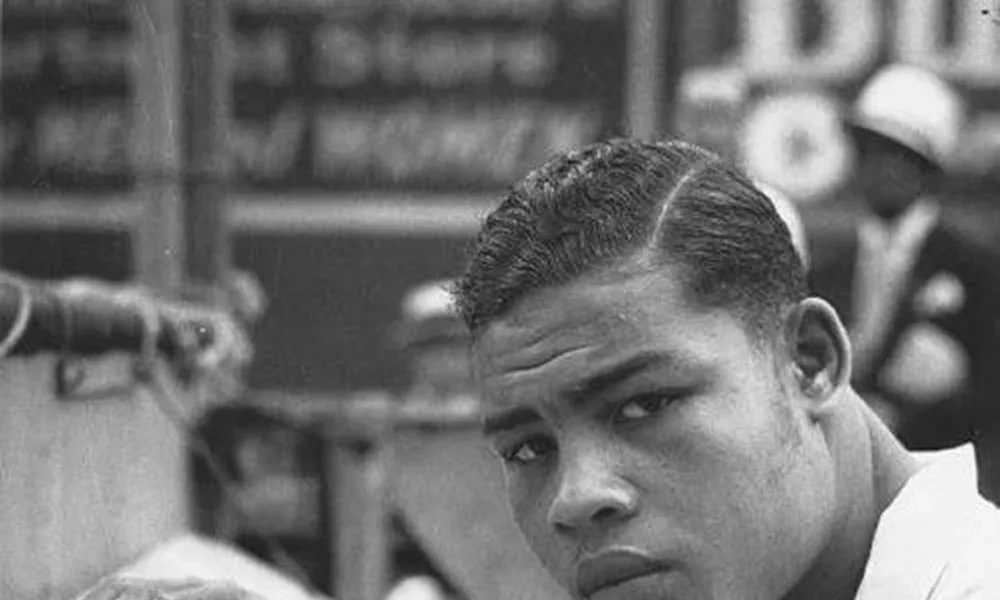
Joe Louis, born on May 13, 1914, in Alabama, is remembered as one of the most significant and celebrated boxers in the history of the sport. Known as “The Brown Bomber,” Louis held the world heavyweight championship for an impressive 12 years, from 1937 to 1949, and his impact extended far beyond the ring. His tenure as champion coincided with a period of significant social and political change in the United States, and his victories over German boxer Max Schmeling in 1938 were particularly symbolic, representing a triumph of democracy over fascism. Beyond his athletic achievements, Louis is recognized for his contributions to breaking racial barriers and for his charitable efforts, making him a true icon of the 20th century.
PERSONAL INFORMATION
| Name | Joe Louis |
|---|---|
| Date of Birth | 13 May 1914 |
| Age at Death | 66 Years |
| Zodiac Sign | Taurus |
| Date of Death | 12 April 1981 |
| Place of Death | Las Vegas |
| Place of Birth | LaFayette, Chambers County |
| Nationality | United States |
| Gender | Male |
| Nickname | The Brown Bomber |
| Languages Spoken | English |
| Residence | Michigan Boulevard Garden Apartments |
| Native Language | English |
PHYSICAL STATISTICS
| Weight | 99 Kg (218 lbs) |
|---|---|
| Height (in centimeters) | 188 cm |
| Height (in meters) | 1.88 m |
| Height (in feet inches) | 6′ 2″ |
CAREER
| Profession | boxer, actor, professional wrestler, referee |
|---|---|
| Awards Received | Legionnaire of Legion of Merit, Congressional Gold Medal, Associated Press Athlete of the Year, Michigan Sports Hall of Fame |
| Work Period Start | 1934-07-04 |
Cost of Becoming
The path to becoming a champion is never easy, and Joe Louis’s journey was no exception. Growing up in Detroit, Louis faced numerous challenges, including poverty and racial discrimination. Despite these obstacles, he found solace and a purpose in boxing. His journey was marked by relentless training, sacrifice, and a deep commitment to the sport. Louis’s success did not come overnight; it was the result of years of hard work, dedication, and the support of his trainers and mentors. His rise to the top of the boxing world required a blend of physical prowess, mental fortitude, and strategic planning, all of which he embodied throughout his career.
Identity Before Fame
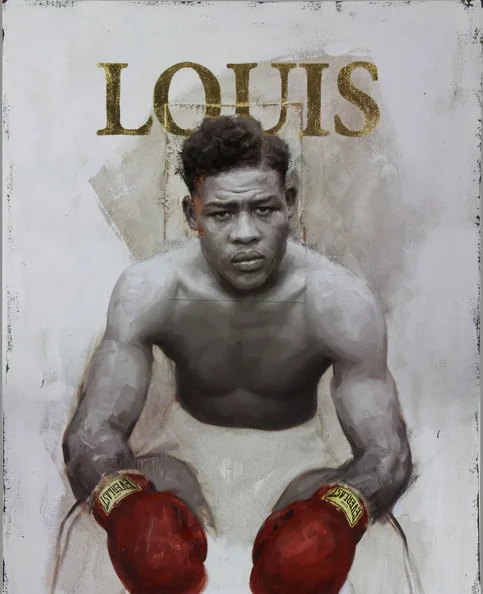
Before Joe Louis became a household name, he was Joseph Louis Barrow, the son of a sharecropper from Alabama. He moved to Detroit with his family in the 1920s, where he began his boxing career. Initially, Louis was hesitant to pursue boxing, but he was eventually encouraged by his friends and a local gym owner. His early fights were in local gyms and clubs, where he honed his skills and developed his unique fighting style. It was during this period that Louis began to gain attention for his exceptional talent and potential. His identity before fame was that of a hardworking, ambitious young man from a humble background, driven by a desire to succeed and provide for his family.
Timeline
- 1914 – Born as Joseph Louis Barrow in Lafayette, Alabama
- 1926 – Moves to Detroit with his family
- 1934 – Wins the heavyweight championship of the United States
- 1935 – Defeats Max Baer in a heavily publicized match
- 1936 – Loses to Max Schmeling in a shocking upset
- 1937 – Wins the world heavyweight championship by defeating James J. Braddock
- 1938 – Defeats Max Schmeling in a rematch, solidifying his status as a national hero
- 1941 – Enlists in the United States Army during World War II
- 1949 – Retires from professional boxing
- 1951 – Attempts a comeback but is defeated by Rocky Marciano
Favourites
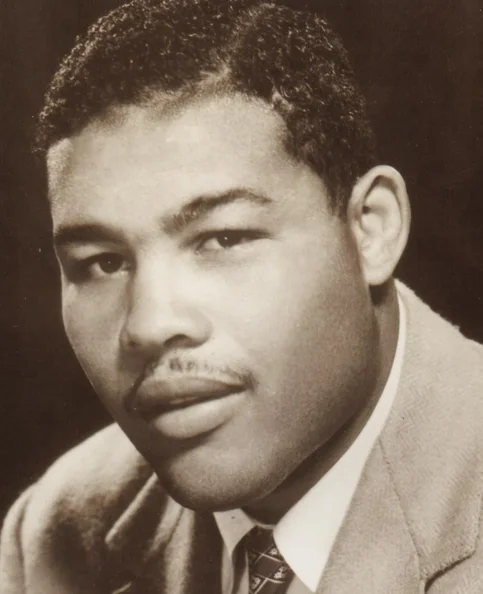
- Favorite Food – Louis had a particular fondness for fried chicken and collard greens, reflecting his Southern roots.
- Favorite Activity – In his free time, Louis enjoyed golf, which he found relaxing and a way to stay in shape.
- Favorite Place – Louis often visited his hometown of Detroit, where he had many fond memories and connections.
- Favorite Person – His mother, Lillie Barrow, was a significant influence in his life, providing him with the love and support he needed to succeed.
- Favorite Quote – “A man who has been knocked down and has the courage to get up, is the real champion.”
- Favorite Music – Louis was known to enjoy jazz music, which was popular during his era.
- Favorite Sport (other than boxing) – Louis was an avid golfer and enjoyed playing the sport in his later years.
- Favorite Movie – He was a fan of Western movies, particularly those featuring action and adventure.
- Favorite Book – Louis enjoyed biographies and historical books, which he found inspirational.
- Favorite Color – His favorite color was brown, which was also his nickname “The Brown Bomber.”

Controversies
- 1936 Loss to Max Schmeling – Louis’s loss to Schmeling in 1936 was a significant setback, leading to questions about his ability to compete at the highest level.
- Tax Issues – Louis faced significant financial issues, including back taxes, which led to his financial troubles and eventual bankruptcy.
- Segregation in the Military – During his service in World War II, Louis faced racial segregation and discrimination within the military, which was a common issue for African American soldiers at the time.
- Personal Relationships – Louis had several high-profile relationships and marriages, which sometimes drew media scrutiny and criticism.
- Drug Use – Later in life, Louis struggled with drug addiction, which had a negative impact on his health and public image.
- Retirement and Comeback – His decision to retire in 1949 and later attempt a comeback in 1951 was met with mixed reactions from fans and critics.
- Public Speaking Engagements – Louis’s involvement in various public speaking engagements and promotional events sometimes led to controversy, especially when he was perceived as being exploited for commercial purposes.
Control vs Chaos
Joe Louis’s career was marked by a delicate balance between control and chaos. On one hand, his training regimen and preparation for fights were meticulously planned, reflecting a high degree of control and discipline. Louis was known for his strategic approach to boxing, which often involved breaking down his opponents mentally and physically before delivering a decisive blow. However, the chaos of the ring itself and the unpredictable nature of professional sports also played a significant role in his career. Louis’s ability to adapt and perform under pressure, often in high-stakes situations, demonstrated his resilience and mental fortitude. This balance between control and chaos was a key factor in his success and longevity as a champion.
Emotional Geography
Joe Louis’s emotional geography was deeply rooted in his upbringing and the experiences that shaped him. Growing up in poverty in the segregated South, Louis faced numerous challenges that could have derailed his dreams. However, the love and support of his family, particularly his mother, provided him with a strong emotional foundation. As he rose to fame, the weight of his responsibilities and the expectations placed on him as a role model for African Americans added layers of complexity to his emotional landscape. Despite these pressures, Louis remained grounded and dedicated to his craft, drawing strength from his community and the fans who supported him. His emotional resilience and ability to connect with people from all walks of life were defining aspects of his legacy.
FAQs
-
When was Joe Louis born?
Joe Louis was born on May 13, 1914, in Lafayette, Alabama.
-
What was Joe Louis’s nickname?
Joe Louis’s nickname was “The Brown Bomber.” It was a reference to his powerful punches and his African American heritage.
-
How did Joe Louis start his boxing career?
Joe Louis started his boxing career in Detroit, where he was encouraged by friends and a local gym owner to take up the sport. He began by fighting in local gyms and clubs, gradually gaining recognition for his talent.
-
What was Joe Louis’s most famous fight?
Joe Louis’s most famous fight was his 1938 rematch against Max Schmeling. Louis’s victory in this fight was seen as a symbolic triumph of democracy over fascism and solidified his status as a national hero.
-
How long did Joe Louis hold the world heavyweight championship?
Joe Louis held the world heavyweight championship for 12 years, from 1937 to 1949.
-
What other sports did Joe Louis enjoy?
Joe Louis enjoyed golfing, which he found to be a relaxing and enjoyable activity in his free time.
-
How did Joe Louis’s military service affect his career?
Joe Louis’s military service during World War II interrupted his boxing career, but it also enhanced his public image as a patriotic and dedicated American. His service helped to break down racial barriers within the military and provided him with opportunities to promote unity and morale among the troops.
-
What were some of Joe Louis’s notable opponents?
Some of Joe Louis’s notable opponents included James J. Braddock, Max Schmeling, and Rocky Marciano. Each of these fights was significant in its own way and contributed to Louis’s legacy.
-
What was Joe Louis’s impact on civil rights?
Joe Louis’s impact on civil rights was significant. As a successful African American athlete, he broke down racial barriers and inspired many to fight for equality. His victories, particularly his 1938 win over Max Schmeling, were seen as symbolic triumphs of the American values of freedom and democracy.
-
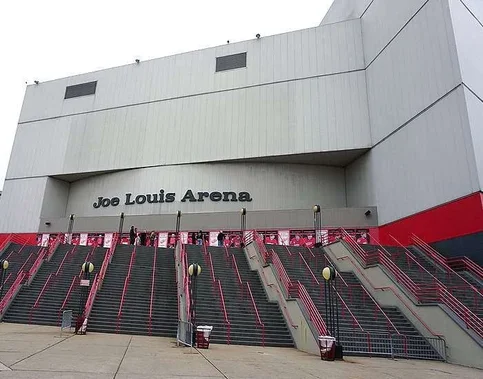
What is the Joe Louis Arena?
The Joe Louis Arena was a multi-purpose arena in Detroit, Michigan, named in honor of Joe Louis. It was the home of the Detroit Red Wings hockey team from 1979 to 2017 and was a fitting tribute to one of the city’s most celebrated figures.
-
How did Joe Louis’s early life shape his character?
Joe Louis’s early life, marked by poverty and racial discrimination, instilled in him a strong work ethic and a determination to succeed. These experiences shaped his character, making him resilient and dedicated to his goals.
-
What was Joe Louis’s legacy?
Joe Louis’s legacy is multifaceted. He is remembered as one of the greatest heavyweight boxers of all time, a symbol of American patriotism, and a trailblazer for racial equality. His charitable efforts and contributions to the community further cemented his status as a beloved and respected figure in American history.
-
What were some of the challenges Joe Louis faced in his career?
Joe Louis faced numerous challenges throughout his career, including financial issues, tax troubles, and personal struggles with drug addiction. Despite these obstacles, he maintained a strong public image and continued to be a positive influence on his fans and the broader community.
-
How did Joe Louis contribute to breaking racial barriers?
Joe Louis contributed to breaking racial barriers by achieving success in a sport dominated by white athletes. His victories, particularly over white opponents, inspired African Americans and helped to challenge the prevailing racial stereotypes. His role as a role model and his efforts to promote racial harmony were significant in the broader civil rights movement.
Joe Louis’s life and career are a testament to the power of perseverance, dedication, and the human spirit. His impact on the sport of boxing and on American society as a whole is immeasurable, and his legacy continues to inspire generations.