
John Carpenter, a towering figure in the world of horror and science fiction cinema, has carved out a unique niche with his distinctive style and visionary approach to filmmaking. Born on January 16, 1948, in Carthage, North Carolina, Carpenter is celebrated for his ability to blend suspense, atmosphere, and a minimalistic yet effective use of special effects. From his breakout classic Halloween to the dystopian masterpiece They Live, Carpenter has consistently pushed the boundaries of genre cinema. His films are often characterized by themes of chaos, control, and the human spirit’s resilience in the face of overwhelming odds. This in-depth exploration delves into the life, career, and enduring legacy of John Carpenter, a true auteur whose work continues to captivate audiences worldwide.
PERSONAL INFORMATION
| Name | John Carpenter |
|---|---|
| Gender | Male |
| Nationality | United States |
| Date of Birth | 16 January 1948 |
| Age | 77 Years |
| Zodiac Sign | Capricorn |
| Place of Birth | Carthage, Jefferson County |
| Residence | Los Angeles |
| Religion | atheism |
| Languages Spoken | English |
| Native Name | John Carpenter |
| Signature |  |
| Birth Name | John Howard Carpenter |
| Native Language | English |
PHYSICAL STATISTICS
| Height (in centimeters) | 180 cm |
|---|---|
| Height (in meters) | 1.80 m |
| Height (in feet inches) | 5′ 10″ |
FAMILY
| Spouse | Adrienne Barbeau, Sandy King |
|---|---|
| Children | Cody Carpenter |
EDUCATION
| Educated At | University of Southern California, USC School of Cinematic Arts, Western Kentucky University |
|---|
CAREER
| Profession | film director, screenwriter, composer, director, film producer, actor, producer, film score composer, film screenwriter, writer |
|---|---|
| Genre | horror film, science fiction film, science fiction horror film, thriller film, mystery film, fantasy film, psychological horror film, action film, supernatural horror film, psychological thriller film, drama film, slasher film, crime film, gothic horror film, gothic film, body horror film, suspense film, crime thriller film, psychological drama film, crime drama film, adventure film |
| Record Label | Sacred Bones Records |
| Instruments | piano, ARP Quadra, keyboard instrument, synthesizer, guitar |
| Work Period Start | 1969 |
| Awards Received | Time Machine Award, The George Pal Memorial Award, Bram Stoker Award for Lifetime Achievement |
| Member Of | Writers Guild of America West |
| Notable Works | Halloween, The Fog, The Thing, Escape from New York, Christine, They Live, In the Mouth of Madness, Vampires, Big Trouble in Little China, Prince of Darkness |
SOCIAL MEDIA & LINKS
| IMDB ID | nm0000118 |
|---|---|
| Official Website | https://www.theofficialjohncarpenter.com/ |
| @TheHorrorMaster | |
| 100044248998323, 100044338000932, directorjohncarpenter | |
| @johncarpenterofficial | |
| YouTube Channel | UCL8qXl5HI0v_XxGN8CFQxLw, UCt7Or_D0y8LuvS1kzaZIwZw |
| Wikipedia | Wikipedia |
Cost of Becoming
John Carpenter’s journey to becoming a revered filmmaker was marked by both determination and resourcefulness. Born into a family of modest means, Carpenter’s early interest in cinema was fostered by his parents, who often took him to see films at a local theater. His passion for storytelling and visual artistry was evident from a young age, but the path to success was far from easy. Carpenter faced numerous challenges, including budget constraints and the need to prove himself in a highly competitive industry. However, his relentless drive and innovative spirit ultimately propelled him to the forefront of the genre, making him one of the most influential horror directors of all time.

Identity Before Fame
Before achieving fame, John Carpenter was a budding filmmaker who cut his teeth on short films and student projects. He studied at the University of Southern California’s School of Cinema-Television, where he honed his skills and developed a keen understanding of the craft. Carpenter’s early work, such as the short film Ghost Story and the feature-length Dark Star, showcased his talent for creating atmospheric and suspenseful narratives with limited resources. These early projects laid the foundation for his future success and helped establish his reputation as a creative force to be reckoned with.
Timeline
- 1948: John Carpenter is born on January 16 in Carthage, North Carolina.
- 1968: Begins his studies at the University of Southern California’s School of Cinema-Television.
- 1970: Produces and directs the short film Ghost Story.
- 1974: Directs and produces his first feature film, Dark Star.
- 1976: Releases the low-budget horror film Assault on Precinct 13.
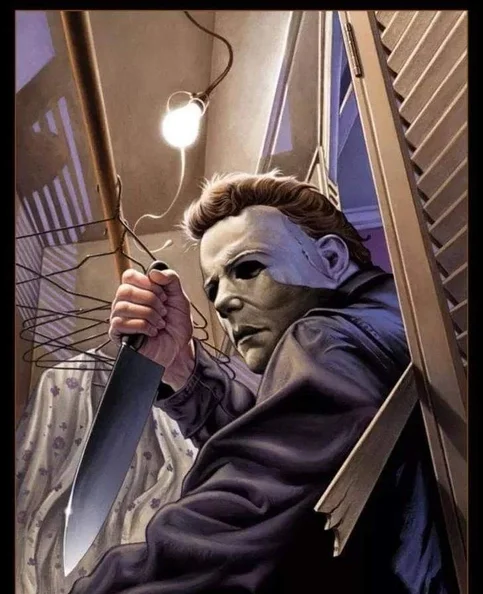
- 1978: Achieves widespread recognition with Halloween, which becomes a major box office success.
- 1982: Directs The Thing, a remake of the 1951 film The Thing from Another World.
- 1987: Releases the dystopian sci-fi film They Live.
- 1998: Directs Vampires, a supernatural action film.
- 2018: Receives the Vanguard Award at the 2018 Fantasia Film Festival.

Favourites
- Favorite Movie: The Sea Hawks (1940) – Directed by Michael Curtiz
- Favorite Book: The Outlaw Josey Wales by Frank Gruber
- Favorite Musician: Ennio Morricone
- Favorite Director: Howard Hawks
- Favorite Genre: Horror and Science Fiction
- Favorite Film of His Own: The Thing (1982)
- Favorite Actor to Work With: Kurt Russell
- Favorite Horror Film: Night of the Living Dead (1968) – Directed by George A. Romero

Controversies
- Violence in Halloween: The graphic violence and disturbing imagery in Halloween sparked debates about the impact of horror films on society, leading to calls for stricter censorship.
- Remake of The Thing: Carpenter’s 1982 remake of The Thing was initially panned by critics and fans of the original 1951 film, though it has since gained a cult following.
- Political Themes in They Live: The overtly anti-consumerist and anti-establishment themes in They Live generated controversy and mixed reactions from audiences and critics.
- Criticism of Vampires: While some appreciated the action and gore in Vampires, others found the film to be a disappointing entry in Carpenter’s filmography.
- Accusations of Misogyny: Some critics have accused Carpenter of portraying women in a negative or stereotypical manner in several of his films, particularly in Halloween and Prince of Darkness.
- Commercial Failures: Despite critical acclaim, several of Carpenter’s films, including In the Mouth of Madness and Ghosts of Mars, were commercial flops, leading to criticism of his commercial viability.
- Indie Film Funding: Carpenter’s decision to work frequently with independent production companies has sometimes led to financial and creative constraints, drawing criticism from those who believe he should have aimed for larger budgets.
Control vs Chaos
John Carpenter’s films often explore the tension between control and chaos, a theme that resonates deeply with his personal philosophy. In movies like Assault on Precinct 13 and Halloween, the struggle against overwhelming forces of disorder and violence is a central narrative. Carpenter’s approach to filmmaking, characterized by precision and economy of means, reflects his belief in the power of individual agency in the face of systemic breakdowns. This dynamic interplay between order and chaos not only adds depth to his storytelling but also underscores the resilience of the human spirit.
Emotional Geography
The emotional geography of John Carpenter’s films is rich and multifaceted, often delving into the psychological landscapes of his characters. His work frequently examines the primal fears and desires that drive human behavior, creating a sense of intimacy and connection with the audience. Whether it’s the isolation and paranoia in In the Mouth of Madness or the dystopian despair in They Live, Carpenter’s ability to tap into universal emotions and anxieties makes his films profoundly resonant. This emotional depth is a testament to his skill as a storyteller and his deep understanding of the human condition.
FAQs
-
What is John Carpenter best known for?
John Carpenter is best known for his contributions to the horror and science fiction genres, particularly for directing the classic film Halloween (1978). His other notable works include The Thing (1982) and They Live (1988).
-
What was John Carpenter’s first feature film?
John Carpenter’s first feature film was Dark Star, which he directed and produced in 1974. The film was a low-budget science fiction comedy and marked the beginning of his career in the film industry.
-
How did John Carpenter’s education influence his career?
Carpenter’s education at the University of Southern California’s School of Cinema-Television provided him with a strong foundation in filmmaking techniques and theory. This formal training, combined with his practical experience on student projects, played a crucial role in shaping his unique style and approach to storytelling.
-
What is the significance of Halloween in John Carpenter’s career?
Halloween (1978) was a turning point in John Carpenter’s career. The film’s success not only established Carpenter as a major force in the horror genre but also set a new standard for low-budget filmmaking. It introduced the slasher subgenre and became a cultural phenomenon, inspiring numerous sequels and remakes.
-
How did John Carpenter’s work in music influence his films?
Carpenter’s background in music significantly influenced his films. He often composed the scores for his movies, which helped create the distinctive atmosphere and tension that his works are known for. His minimalist and electronic music style became a signature element of his films, contributing to their unique and memorable soundscapes.
-
What themes are commonly found in John Carpenter’s films?
Common themes in John Carpenter’s films include the struggle against chaos, government conspiracy, and the resilience of the human spirit. His works often explore the balance between control and disorder, the impact of technology on society, and the hidden dangers lurking in everyday life.
-
How has John Carpenter’s work influenced modern horror cinema?
John Carpenter’s films have had a profound influence on modern horror cinema. His use of minimalistic storytelling, atmospheric tension, and innovative special effects has inspired countless filmmakers. The slasher subgenre, which he helped popularize with Halloween, continues to be a staple of the horror genre, and his films are often referenced and homaged in contemporary horror productions.
-
What is John Carpenter’s relationship with actor Kurt Russell?
Kurt Russell and John Carpenter have a long-standing and fruitful collaboration. Russell has starred in several of Carpenter’s films, including Escape from New York (1981), The Thing (1982), and Big Trouble in Little China (1986). Their partnership is often cited as one of the most iconic director-actor collaborations in cinema.
-
How did John Carpenter’s early career shape his later work?
Carpenter’s early career, marked by his work on short films and low-budget productions, taught him the importance of storytelling efficiency and resourcefulness. These experiences honed his skills and instilled a DIY ethos that would become a hallmark of his later, more ambitious projects. His early films, such as Dark Star and Assault on Precinct 13, laid the groundwork for his signature style and themes.
-
What is the legacy of The Thing (1982)?
The Thing (1982) is considered a modern horror classic. Despite initial mixed reviews, the film has since gained a cult following and is praised for its chilling atmosphere, groundbreaking special effects, and thought-provoking exploration of themes such as trust and paranoia. It has influenced numerous other horror films and continues to be a reference point for the genre.
-
How does John Carpenter approach the role of women in his films?
While some critics have accused Carpenter of portraying women in a negative or stereotypical manner, his films often feature strong, resilient female characters who play pivotal roles in the narratives. For example, Laurie Strode in Halloween is a classic example of a resourceful and determined protagonist. Carpenter’s approach to gender roles is complex and has evolved over the course of his career.
-
What was the impact of They Live (1988) on popular culture?
They Live (1988) is a satirical science fiction film that has had a significant impact on popular culture. The film’s critique of consumerism and media control, along with its memorable tagline “I have come here to chew bubblegum and kick ass… and I’m all out of bubblegum,” has resonated with audiences and influenced various aspects of media and entertainment. It has become a cult classic and a symbol of anti-establishment sentiment.
-
How does John Carpenter balance commercial and artistic ambitions in his films?
Carpenter is known for his ability to balance commercial appeal with artistic integrity. While his films often cater to genre audiences with their thrilling and suspenseful elements, they also delve into deeper themes and unconventional storytelling. Carpenter’s approach is to create films that are both entertaining and thought-provoking, ensuring that they have a lasting impact on audiences.
-
What is John Carpenter’s opinion on the horror genre’s evolution?
John Carpenter has expressed mixed views on the evolution of the horror genre. While he acknowledges the advancements in special effects and the increasing diversity of subgenres, he has also criticized the trend towards excessive violence and gore for its own sake. Carpenter believes that horror should evoke genuine fear and psychological tension, not just shock value.
-
What are some of John Carpenter’s future projects?
Carpenter continues to be active in the film and music industries. While specific future projects are not always announced in advance, he has expressed interest in returning to directing and has hinted at potential collaborations and new films. Additionally, he continues to release music and engage with his fanbase through various media platforms.