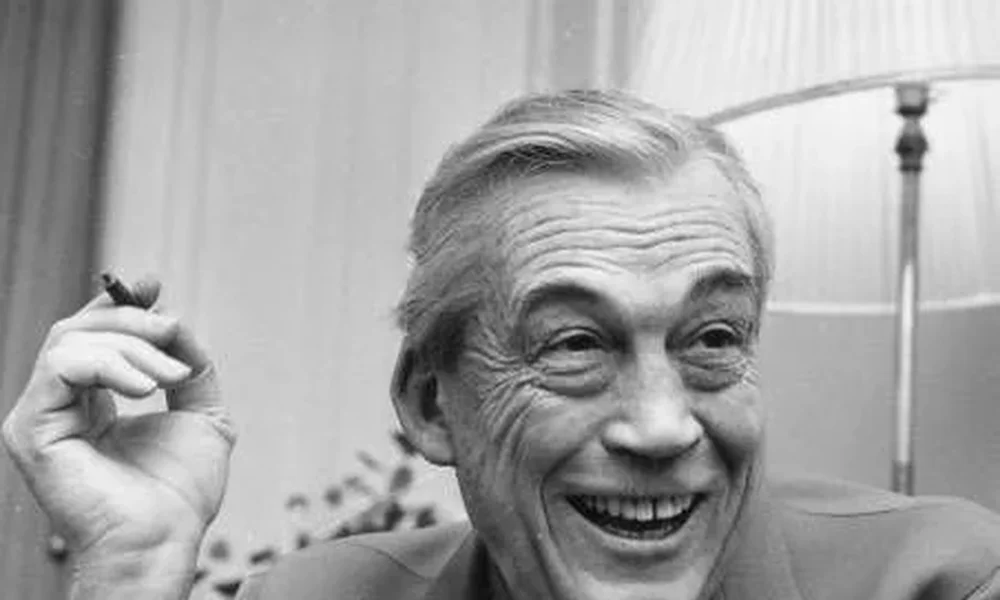
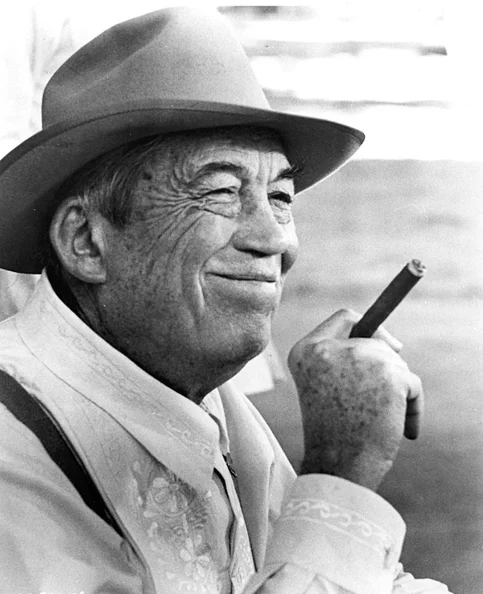
John Huston, a towering figure in the world of cinema, left an indelible mark on the 20th century with his groundbreaking directorial work and unforgettable performances as an actor. Born on August 5, 1906, in Nevada, Missouri, Huston’s life was a blend of artistic brilliance and personal complexity. He emerged as a leading director during the Golden Age of Hollywood, known for his innovative storytelling and profound influence on the film industry. From classics like “The Maltese Falcon” to the introspective “The Asphalt Jungle,” Huston’s legacy continues to inspire filmmakers and cinephiles worldwide.
PERSONAL INFORMATION
| Name | John Huston |
|---|---|
| Place of Death | Middletown |
| Nationality | United States |
| Date of Birth | 05 August 1906 |
| Age at Death | 81 Years |
| Zodiac Sign | Leo |
| Date of Death | 28 August 1987 |
| Place of Birth | Nevada |
| Religion | atheism |
| Languages Spoken | English |
| Gender | Male |
| Native Language | English |
| Native Name | John Marcellus Huston |
PHYSICAL STATISTICS
| Height (in centimeters) | 187 cm |
|---|---|
| Height (in meters) | 1.87 m |
| Height (in feet inches) | 6′ 1″ |
FAMILY
| Spouse | Evelyn Keyes, Enrica Soma, Dorothy Harvey, Lesley Black, Celeste Shane |
|---|---|
| Father | Walter Huston |
| Children | Tony Huston, Anjelica Huston, Danny Huston, Allegra Huston |
| Mother | Rhea Gore |
EDUCATION
| Educated At | Art Students League of New York, Abraham Lincoln High School, Hollywood High School |
|---|
CAREER
| Profession | actor, film actor, film director, screenwriter, film producer, writer, character actor, director, producer, film screenwriter |
|---|---|
| Awards Received | Legionnaire of Legion of Merit, Academy Award for Best Director, Academy Award for Best Writing, Adapted Screenplay, AFI Life Achievement Award, American Campaign Medal, Asiatic-Pacific Campaign Medal, World War II Victory Medal, Golden Lion, star on Hollywood Walk of Fame |
| Nominations | Academy Award for Best Supporting Actor, Academy Award for Best Director, Academy Award for Best Director, Academy Award for Best Director, Academy Award for Best Director, Academy Award for Best Director, Academy Award for Best Writing, Original Screenplay, Academy Award for Best Writing, Original Screenplay, Academy Award for Best Writing, Adapted Screenplay, Academy Award for Best Writing, Adapted Screenplay, Academy Award for Best Writing, Adapted Screenplay, Academy Award for Best Writing, Adapted Screenplay, Academy Award for Best Writing, Adapted Screenplay, Academy Award for Best Writing, Adapted Screenplay, Academy Award for Best Picture, Golden Raspberry Award for Worst Director |
| Employer | Samuel Goldwyn Productions, Universal Pictures, United States Army Signal Corps |
| Work Period Start | 1930 |
| Work Period End | 1987 |
| Member Of | Writers Guild of America West |
| Notable Works | The Maltese Falcon, The Treasure of the Sierra Madre, Key Largo, The Asphalt Jungle, The African Queen, Moulin Rouge, The Man Who Would Be King, Fat City, Heaven Knows, Mr. Allison, The Misfits, The Night of the Iguana, Annie, Prizzi’s Honor, The Dead, Chinatown, The Cardinal, Casino Royale, Myra Breckinridge, Battle for the Planet of the Apes, Hobbit |
Cost of becoming
The journey to becoming one of the most respected directors in Hollywood was not without its challenges for John Huston. His early years were marked by a restless spirit and a constant search for creative fulfillment. Huston’s early career as a writer and journalist provided him with the foundational skills he needed to transition into filmmaking. His move to Hollywood in the 1930s, despite initial setbacks, eventually led to his breakthrough with “The Maltese Falcon” in 1941. The film’s success not only established Huston as a formidable director but also came at the cost of intense scrutiny and high expectations. Throughout his career, Huston balanced the demands of the studio system with his artistic integrity, often pushing the boundaries of what was acceptable in mainstream cinema.
Identity before fame
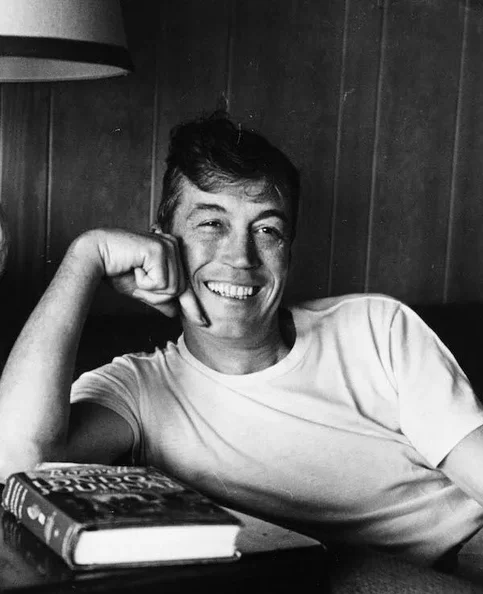
Before he became a household name, John Huston led a life filled with diverse experiences that shaped his artistic vision. Born to actor Walter Huston and journalist Rhea Gore, Huston’s early exposure to the arts and the dramatic world was significant. His father’s influence instilled in him a deep appreciation for performance and storytelling. Huston’s youth was marked by frequent relocations, from Missouri to Los Angeles, and later to Mexico. These experiences fostered a cosmopolitan worldview and a fascination with different cultures, which would later influence his film themes and settings. Despite his eventual fame, Huston never forgot his roots and often drew upon his early life experiences in his work.
Timeline
- 1906 – Born in Nevada, Missouri
- 1924 – Began working as a journalist in Los Angeles
- 1938 – Moved to Hollywood and began working as a screenwriter
- 1941 – Directed and wrote “The Maltese Falcon,” which was a critical and commercial success
- 1945 – Joined the U.S. Army Signal Corps and directed documentaries during World War II
- 1948 – Directed “The Treasure of the Sierra Madre,” starring Humphrey Bogart, and won Academy Awards for Best Director and Best Screenplay
- 1950 – Directed “The Asphalt Jungle,” a seminal film noir
- 1964 – Directed “The Unforgiven,” starring Audrey Hepburn and Burt Lancaster
- 1975 – Directed “The Man Who Would Be King,” based on Rudyard Kipling’s novella
- 1987 – Died on August 28 in Middletown, Rhode Island
Favourites
- Favorite Film Genre – Film Noir
- Favorite Actor to Work With – Humphrey Bogart
- Favorite Screenplay – “The Maltese Falcon” (which he also directed)
- Favorite Location to Film – Mexico
- Favorite Hobby – Painting and writing
- Favorite Sport – Golf
- Favorite Book – “The Adventures of Huckleberry Finn” by Mark Twain
- Favorite Meal – Seafood
- Favorite Time of Year – Autumn
- Favorite Quote – “A man is not old until regrets take the place of dreams.” (attributed to John Barrymore)
Controversies
- Early Marriage and Divorce – Huston’s first marriage to Dorothy Harvey in 1927 ended in divorce in 1931, which was a source of public and family tension.
- World War II Documentary Controversy – His documentary “Report from the Aleutians” (1943) and “The Battle of San Pietro” (1945) were initially suppressed by the U.S. government due to their graphic content.
- Political Stances – Huston’s left-leaning political views and association with the Hollywood Ten during the McCarthy era led to investigations by the House Un-American Activities Committee (HUAC).
- Personal Life and Multiple Marriages – Huston’s multiple marriages and affairs were often the subject of tabloid scrutiny and criticism.
- Accusations of Misogyny – Some of his films, such as “Moby Dick” (1956), have been criticized for their portrayal of women and their roles in the narrative.
- Alleged Antisemitic Comments – Huston was accused of making antisemitic remarks during the production of “The Roots of Heaven” (1958), although this was later disputed by many of his colleagues.
- Clashes with Hollywood Studios – Huston frequently clashed with studio executives over creative control and the direction of his films, leading to several high-profile disputes.
- Health Issues and Alcoholism – Huston’s longtime battle with alcoholism and health issues, including heart problems, were often discussed in the media and affected his work schedule.
- Late Career Projects – Some of his later films, such as “The Dead” (1987), were met with mixed reviews and criticism, raising questions about his artistic decline.
- Legacy and Posthumous Recognition – Despite his significant contributions to cinema, Huston’s legacy has been subject to some debate, with some critics questioning the depth and consistency of his body of work.
Control vs Chaos
John Huston’s life and career were a constant dance between control and chaos. On one hand, he was a meticulous planner, known for his detailed storyboards and rigorous scripting processes. His films were often meticulously crafted, with every frame and dialogue line carefully considered. Yet, Huston also embraced the unpredictable nature of filmmaking, often allowing his actors and crew the creative freedom to explore and improvise. This balance of control and chaos not only enhanced the artistic quality of his films but also reflected his personal philosophy of embracing life’s uncertainties while maintaining a clear vision.
Emotional Geography
John Huston’s emotional geography was as expansive as the physical landscapes he often depicted in his films. His travels and experiences in Mexico, Europe, and Asia deeply influenced his work, infusing his films with a sense of place and cultural richness. Huston’s ability to capture the essence of different environments and the people who inhabit them was evident in his films, from the desolate deserts of “The Treasure of the Sierra Madre” to the rain-soaked streets of “The Maltese Falcon.” His emotional connection to these places and the characters he created was a testament to his deep empathy and artistic intuition.
FAQs
-
Who was John Huston?
John Huston was an American film director, screenwriter, and actor, known for his influential contributions to cinema during the 20th century.
-
What is John Huston’s most famous film?
John Huston’s most famous film is “The Maltese Falcon” (1941), which he directed and wrote. The film is a classic of the film noir genre and starred Humphrey Bogart.
-
When was John Huston born?
John Huston was born on August 5, 1906, in Nevada, Missouri.
-
Did John Huston serve in the military?
Yes, John Huston served in the U.S. Army Signal Corps during World War II, where he directed several documentary films, including “The Battle of San Pietro.”
-
What awards did John Huston win?
John Huston won two Academy Awards for Best Director and Best Screenplay for “The Treasure of the Sierra Madre” in 1948. He was also nominated for numerous other awards throughout his career.
-
What was John Huston’s early career like?
Before becoming a director, John Huston worked as a journalist and screenwriter in Hollywood. His early experiences in these fields helped him develop the skills needed for his later success in filmmaking.
-
What was John Huston’s relationship with Humphrey Bogart?
John Huston and Humphrey Bogart had a strong professional and personal relationship. Huston directed Bogart in several films, including “The Maltese Falcon” and “The African Queen,” and the two became close friends.
-
Did John Huston have any controversial moments in his career?
Yes, John Huston faced several controversies throughout his career, including his association with the Hollywood Ten during the McCarthy era and his alleged antisemitic comments during the production of “The Roots of Heaven.”
-
What was John Huston’s approach to directing?
John Huston was known for his detailed and meticulous approach to directing. He often created detailed storyboards and scripts, but he also encouraged his actors and crew to explore and improvise, striking a balance between control and creativity.
-
What are some of John Huston’s notable films?
Some of John Huston’s notable films include “The Maltese Falcon” (1941), “The Treasure of the Sierra Madre” (1948), “The Asphalt Jungle” (1950), “The Man Who Would Be King” (1975), and “The Dead” (1987).
-
Did John Huston have any hobbies?
Yes, John Huston had several hobbies, including painting, writing, and golf. He was also an avid traveler and enjoyed exploring different cultures and landscapes.
-
What was John Huston’s legacy?
John Huston’s legacy is that of a visionary filmmaker and storyteller who pushed the boundaries of cinema. His films continue to be celebrated for their artistic and technical excellence, and he is remembered as one of the most influential directors in the history of film.
-
What was John Huston’s final film?
John Huston’s final film was “The Dead” (1987), an adaptation of James Joyce’s short story, which he directed and starred in with his daughter, Anjelica Huston.
-
How did John Huston’s personal life influence his work?
John Huston’s personal life, marked by multiple marriages, travels, and a deep appreciation for different cultures, deeply influenced his work. His films often explored themes of adventure, moral complexity, and the human condition, reflecting his own life experiences and philosophies.