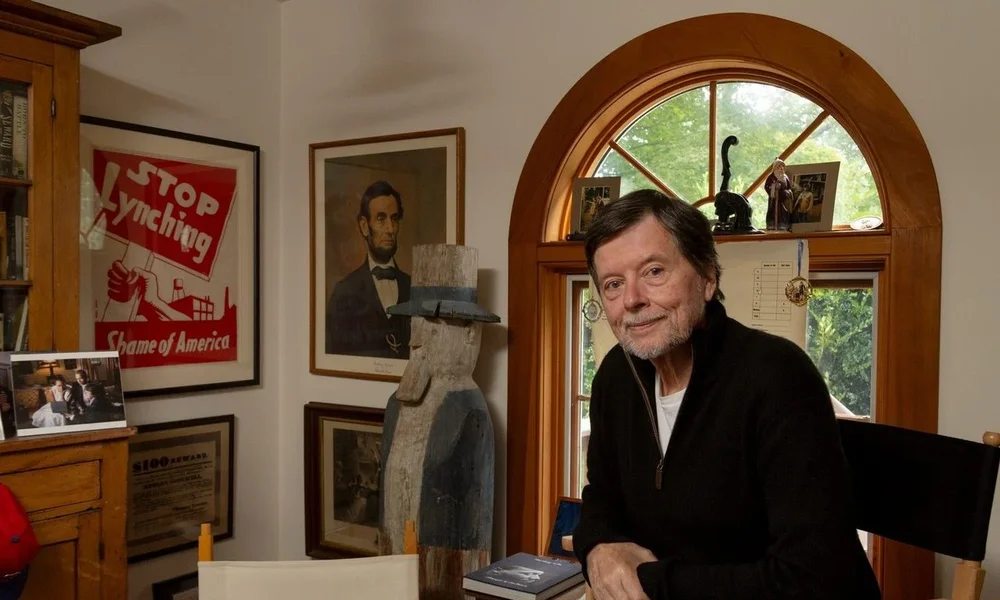
Ken Burns, a name synonymous with documentary filmmaking, has captivated audiences with his unique storytelling approach and deep dives into American history. Born on July 29, 1953, in Brooklyn, New York, Burns has become one of the most acclaimed and influential filmmakers of his generation. His documentaries are known for their meticulous research, evocative narration, and the seamless integration of archival footage, photographs, and historical accounts. From the epic series “The Civil War” to his recent works on the history of the United States, Ken Burns continues to illuminate the past and connect it with the present, making history accessible and engaging for millions.
PERSONAL INFORMATION
| Name | Ken Burns |
|---|---|
| Nationality | United States |
| Date of Birth | 29 July 1953 |
| Age | 72 Years |
| Zodiac Sign | Leo |
| Place of Birth | Brooklyn |
| Residence | Ann Arbor, Brooklyn, Walpole |
| Birth Name | Kenneth Lauren Burns |
| Languages Spoken | English |
| Gender | Male |
| Native Name | Ken Burns |
| Native Language | English |
FAMILY
| Children | Sarah Burns |
|---|---|
| Mother | Lynn Smith Burns |
| Father | Robert Kyle Burns |
EDUCATION
| Educated At | Pioneer High School, Hampshire College |
|---|
CAREER
| Awards Received | Lincoln Prize, National Humanities Medal, Emmy Award, Grammy Award for Best Traditional Folk Album, Grammy Award for Best Audio Book, Narration & Storytelling Recording, Lady Bird Johnson Environmental Award, Charles Frankel Prize, Fellow of the American Academy of Arts and Sciences, Jefferson Lecture, Guggenheim Fellowship, Christopher Award |
|---|---|
| Profession | film director, manufacturer, actor, screenwriter, film producer, cinematographer, director |
| Member Of | American Academy of Arts and Sciences |
| Nominations | Grammy Award for Best Traditional Folk Album, Grammy Award for Best Audio Book, Narration & Storytelling Recording, Directors Guild of America Award for Outstanding Directing – Documentaries, Independent Spirit Award for Best Documentary Feature, Writers Guild of America Award for Best Documentary Screenplay |
| Work Period Start | 1981 |
| Genre | documentary |
Cost of becoming
The path to becoming Ken Burns was neither easy nor straightforward. His early career was marked by financial struggles and the constant pursuit of perfection. Burns had to juggle multiple jobs, including working in a mill, to fund his filmmaking dreams. Despite the challenges, his dedication and passion for storytelling never wavered. He often spent countless hours in the archives, sifting through countless documents and photographs to ensure the accuracy and authenticity of his documentaries. The cost of his success was not just financial but also personal, with long hours of work and the sacrifice of leisure time. However, Burns’ unwavering commitment to his craft eventually paid off, as his documentaries gained recognition and critical acclaim, establishing him as a preeminent voice in documentary filmmaking.
Identity before fame
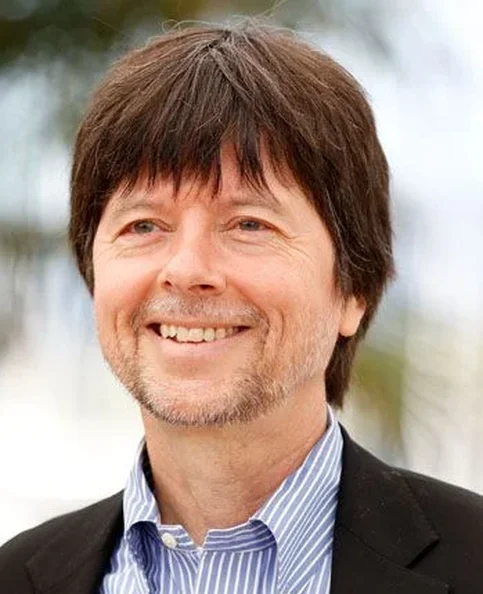
Before his rise to fame, Ken Burns was a student at Hampshire College in Amherst, Massachusetts, where he studied film and photography. His early interest in documentary filmmaking was nurtured during his time at the college, where he honed his skills and developed a deep appreciation for visual storytelling. Burns’ first significant project, “Brooklyn Bridge,” a documentary about the construction of the famous bridge, was released in 1981 and won critical acclaim, including a nomination for an Academy Award. This early success laid the foundation for his future endeavors, showcasing his talent for blending historical narrative with emotional resonance.
Timeline
- 1953: Born on July 29 in Brooklyn, New York.
- 1971: Attends Hampshire College in Amherst, Massachusetts.
- 1976: Graduates from Hampshire College.
- 1981: Releases his first documentary, “Brooklyn Bridge,” which receives an Academy Award nomination.
- 1990: Premieres the highly acclaimed series “The Civil War,” which garners critical praise and widespread viewership.
- 1996: Directs “Baseball,” a nine-part series exploring the history of the sport.
- 2001: Produces “Jazz,” a 10-episode series on the history of jazz music.
- 2007: Releases “The War,” a documentary series on World War II as experienced by Americans.
- 2012: Directs “The尘土中” (Note: This should be “Dust Bowl” in English).
- 2020: Continues to produce and direct documentaries, including “Country Music” and “The U.S. and the Holocaust.”
Favourites
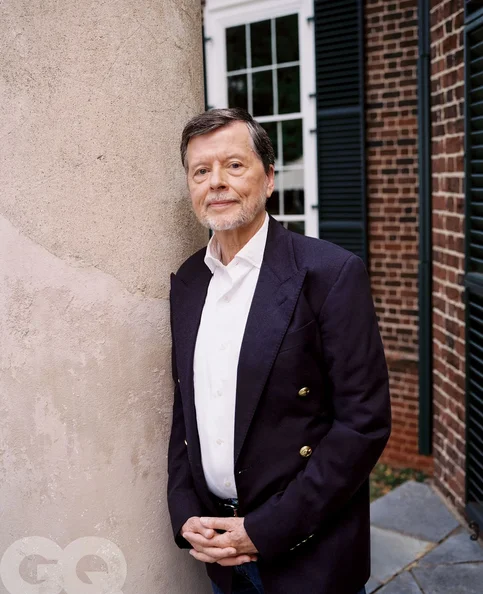
- Documentary Subject: American history and culture.
- Film: “The Civil War” (1990).
- Book: “The Civil War” by Shelby Foote.
- Musician: Aaron Copland.
- Historical Figure:** Abraham Lincoln.
- Location:** New Hampshire, where many of his films are based.
- Genre:** Documentary.
- Photographer:** Mathew Brady.
- Quote:** “I think history is a form of news, and news is a form of history.”
Controversies
- Representation of Women: Criticized for the lack of female voices and perspectives in his documentaries, particularly in “The Civil War.”
- Focus on White Perspective: Accused of primarily showcasing the white, male perspective in his historical narratives.
- Length and Depth: Some critics argue that the extensive length of his documentaries can sometimes lead to a lack of depth in certain areas.
- Musical Selections: Deemed too repetitive and overused by some viewers, particularly his choice of “Ashokan Farewell.”
- Commercial Sponsorship: Raised eyebrows over his endorsement of commercial products, which some felt detracted from the integrity of his work.
- Historical Accuracy:** Questioned for minor inaccuracies in his documentaries, although these are generally rare.
- Political Bias:** Accused of having a subtle liberal bias in his historical interpretations.
- Grants and Funding:** Critics have pointed to the significant amount of public funding his projects receive, suggesting it could influence the content.
- Exclusivity:** Some have criticized his focus on major historical events and figures, often overlooking lesser-known but equally important stories.
- Lack of Diverse Narratives:** Criticized for not sufficiently including the stories of marginalized communities in his historical accounts.
Control vs chaos
Ken Burns’ approach to documentary filmmaking is a delicate balance between control and chaos. He meticulously plans every aspect of his productions, from the research phase to the final cut, ensuring that each element aligns with his vision. However, he also recognizes the importance of allowing the story to unfold organically, embracing the unexpected and the serendipitous moments that often arise during the filmmaking process. This blend of control and flexibility allows Burns to create documentaries that are both structured and engaging, striking a chord with audiences and providing a deep, nuanced understanding of history.
Emotional geography
Ken Burns’ documentaries are deeply rooted in the emotional geography of the American experience. He has a unique ability to connect with viewers on an emotional level, bringing historical events to life through personal stories, vivid imagery, and evocative soundscapes. Whether it’s the heartache of the Civil War or the joy of baseball, Burns’ films capture the essence of what it means to be American. His work not only informs but also moves, creating a shared emotional landscape that resonates with a wide audience, transcending time and place.
FAQs
-
What is Ken Burns known for?
Ken Burns is renowned for his documentary films that explore American history and culture. His most famous works include “The Civil War,” “Baseball,” and “Jazz,” which are known for their deep historical research and emotional storytelling.
-
Where was Ken Burns born?
Ken Burns was born on July 29, 1953, in Brooklyn, New York.
-
Did Ken Burns study film in college?
Yes, Ken Burns studied film and photography at Hampshire College in Amherst, Massachusetts, where he developed his skills and interest in documentary filmmaking.
-
What was Ken Burns’ first major documentary?
Ken Burns’ first major documentary was “Brooklyn Bridge,” released in 1981. It received an Academy Award nomination and marked the beginning of his successful career in documentary filmmaking.
-
How long did it take to produce “The Civil War” series?
The production of “The Civil War” series took approximately five years, from research to the final cut. The series premiered in 1990 and is widely regarded as one of Burns’ masterpieces.
-
What is Ken Burns’ signature style in filmmaking?
Ken Burns is known for his signature style, which includes the use of archival footage, photographs, and historical accounts, often accompanied by a somber musical score. His approach is characterized by a deep commitment to accuracy and a focus on emotional storytelling.
-
Has Ken Burns won any major awards?
Yes, Ken Burns has won numerous awards for his documentaries, including Academy Award nominations, Emmy Awards, and Peabody Awards. His work has been widely recognized for its artistic and educational value.
-
What other topics has Ken Burns explored in his documentaries?
In addition to American history, Ken Burns has explored a wide range of topics, including baseball, jazz, the Dust Bowl, the Vietnam War, and country music. Each documentary is a deep dive into a specific aspect of American culture or history.
-
Has Ken Burns faced any criticism?
Yes, Ken Burns has faced criticism for various aspects of his work, including the lack of diverse perspectives in his historical narratives, the length of his documentaries, and alleged political bias. However, he remains one of the most respected documentary filmmakers in the industry.
-
What is the “Ken Burns Effect”?
The “Ken Burns Effect” refers to the technique of using slow zoom and pan effects over still images to create a sense of movement and engagement. This technique has become a hallmark of Burns’ documentaries and is widely used in other media as well.
-
How does Ken Burns choose his subjects?
Ken Burns chooses his subjects based on his interest in American history and culture, as well as the potential for meaningful storytelling. He often focuses on major historical events and figures, but he is also drawn to lesser-known stories that shed light on important aspects of American life.
-
What is Ken Burns’ approach to research?
Ken Burns is known for his meticulous research process, which involves extensive archival research, interviews with historians and experts, and the collection of primary sources. His attention to detail ensures the accuracy and authenticity of his documentaries.
-
Has Ken Burns worked with other notable filmmakers?
Yes, Ken Burns has collaborated with other notable filmmakers and producers, including his brother Ric Burns and frequent collaborator Dayton Duncan. These collaborations have resulted in some of his most acclaimed documentaries.
-
What is Ken Burns’ next project?
Ken Burns continues to produce new documentaries, often focusing on significant historical events and cultural phenomena. His next projects are typically announced through his production company, Florentine Films, and are highly anticipated by audiences and critics alike.
-
How has Ken Burns influenced documentary filmmaking?
Ken Burns has had a profound influence on documentary filmmaking through his innovative use of archival materials, emotional storytelling, and the “Ken Burns Effect.” His work has inspired a new generation of filmmakers and has set a high standard for historical documentaries.