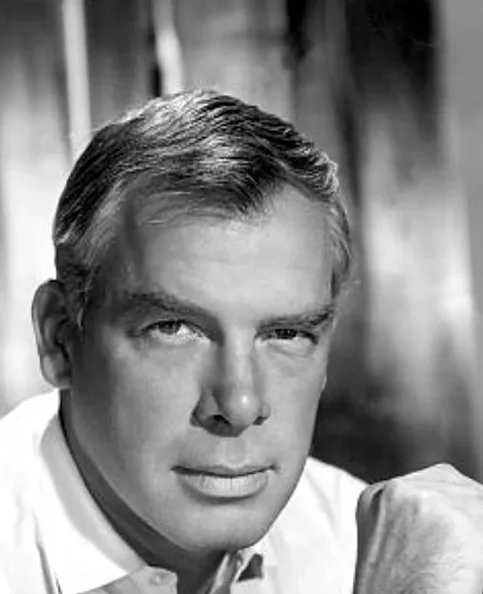
Lee Marvin, born on February 19, 1924, in New York City, was a towering figure in American cinema, celebrated for his rugged good looks and versatility as an actor. Best known for his roles in films such as “The Man Who Shot Liberty Valance,” “Cat Ballou,” and “The Dirty Dozen,” Marvin’s career spanned several decades, earning him both critical acclaim and popular admiration. Beyond his cinematic achievements, Marvin’s life was marked by a blend of military service, personal struggles, and a unique charisma that made him an enduring icon. This in-depth exploration delves into the various facets of Lee Marvin’s life, from his early days to his lasting legacy.
PERSONAL INFORMATION
| Name | Lee Marvin |
|---|---|
| Nationality | United States |
| Place of Birth | New York City |
| Date of Birth | 19 February 1924 |
| Age at Death | 63 Years |
| Zodiac Sign | Pisces |
| Date of Death | 29 August 1987 |
| Place of Death | Tucson |
| Native Name | Lee Marvin |
| Gender | Male |
| Languages Spoken | English |
| Native Language | English |
PHYSICAL STATISTICS
| Height (in centimeters) | 186 cm |
|---|---|
| Height (in meters) | 1.86 m |
| Height (in feet inches) | 6′ 1″ |
FAMILY
| Partner | Michelle Triola Marvin |
|---|---|
| Mother | Courtenay Washington Davidge |
| Father | Lamont Waltman Marvin |
| Spouse | Betty Ebeling, Pamela Feeley |
EDUCATION
| Educated At | Saint Leo University, Oakwood Friends School, Manumit School |
|---|
CAREER
| Profession | film actor, actor, military personnel, television actor, stage actor, military officer |
|---|---|
| Awards Received | Purple Heart, Academy Award for Best Actor, Silver Bear, Golden Globe Award for Best Actor – Motion Picture Musical or Comedy |
| Nominations | Academy Award for Best Actor |
| Genre | Western film, war film |
| Work Period Start | 1948 |
Cost of becoming
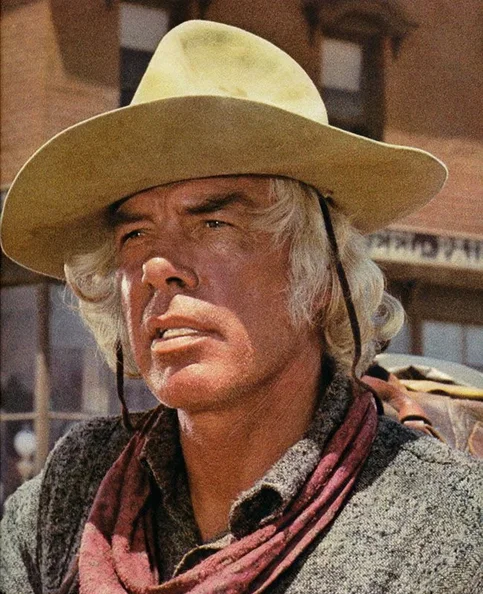
Lee Marvin’s journey to stardom was not without its toll. His experiences in World War II, where he was a Marine Corps veteran and recipient of the Purple Heart, shaped his character and resilience. The physical and emotional scars from his military service influenced his performances, bringing a depth of authenticity to his roles. Post-war, Marvin grappled with the transition from combat to civilian life, facing challenges such as alcoholism and personal turmoil. Despite these obstacles, his determination and raw talent propelled him to become one of Hollywood’s most respected actors.
Identity before fame
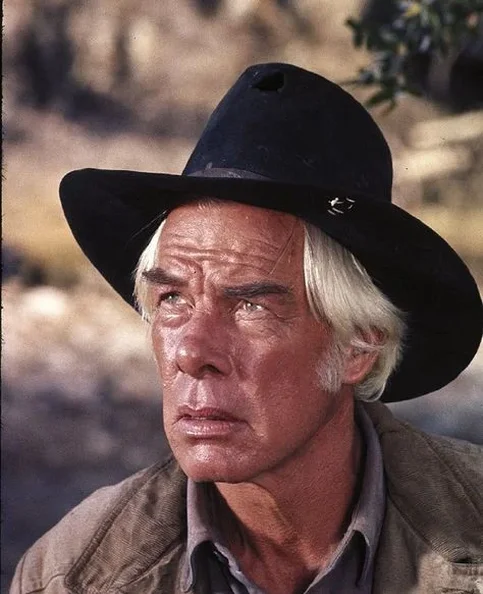
Before achieving fame, Lee Marvin worked various jobs to make ends meet. He was an elevator operator, a professional boxer, and a welder, among other occupations. These diverse experiences provided him with a robust understanding of different walks of life, which he later drew upon in his acting. Marvin’s early roles in theater and television helped him hone his craft, and his natural charisma began to attract attention. His breakthrough came with his performance in the 1957 film “The Caine Mutiny,” where he played a Marine sergeant, foreshadowing the tough, no-nonsense characters that would define his career.
Timeline
- 1924: Lee Marvin born in New York City.
- 1942: Joins the United States Marine Corps and serves in World War II.
- 1951: Begins his career in acting with minor roles in theater and television.
- 1957: Gains recognition for his role in “The Caine Mutiny.”
- 1965: Wins an Academy Award for Best Actor for his dual role in “Cat Ballou.”
- 1967: Stars in “The Dirty Dozen,” a film that becomes a classic of the war genre.
- 1968: Appears in “The Big Red One,” a film based on his own wartime experiences.
- 1971: Receives the National Medal of Freedom for his service in World War II.
- 1987: Dies on September 29 in Mexico, where he had been living.
Favourites
- Favorite Film: “Cat Ballou” (1965)
- Favorite Director: Sam Peckinpah
- Favorite Genre: Western
- Favorite Hobby: Fishing
- Favorite Sport: Boxing
- Favorite Animal: Dogs
- Favorite Food: Steaks
- Favorite Drink: Scotch
Controversies
- Alcoholism: Marvin struggled with alcoholism throughout his life, which affected his personal and professional relationships.
- Marital Issues: His marriages to Betty Ebel and Pamela Grove were marked by public disputes and legal battles.
- Alleged Abuse: Accusations of physical and emotional abuse from ex-spouses and colleagues.
- Contract Disputes: Legal battles with studios over contract terms and royalties.
- Public Persona vs. Private Life: Marvin’s public image of a tough, no-nonsense actor clashed with his private life, leading to media scrutiny.
- Substance Abuse: Rumors of drug use, though not extensively documented, contributed to his tumultuous personal life.
- Political Views: Marvin’s conservative political views sometimes put him at odds with liberal colleagues and the media.
Control vs chaos
Lee Marvin’s life was a delicate balance of control and chaos. His military background instilled a sense of discipline and order, which he carried into his acting career. However, his personal life was often marked by turmoil and unpredictability, as evidenced by his battles with alcoholism and troubled relationships. Marvin’s ability to channel this duality into his performances allowed him to create characters that were both tough and vulnerable, resonating deeply with audiences.
Emotional geography
Marvin’s emotional landscape was complex and multifaceted. His experiences in World War II left him with a profound sense of disillusionment and a deep understanding of the human capacity for both good and evil. This emotional depth informed his approach to acting, allowing him to portray a wide range of characters, from hardened veterans to charming outlaws. Despite his public persona, Marvin was known to be a private individual, often retreating to his ranch in Mexico to find solace and peace.
FAQs
-
When was Lee Marvin born?
Lee Marvin was born on February 19, 1924, in New York City.
-
What was Lee Marvin’s most famous role?
Lee Marvin is perhaps best known for his dual role in the 1965 film “Cat Ballou,” for which he won an Academy Award for Best Actor.
-
Did Lee Marvin serve in the military?
Yes, Lee Marvin served in the United States Marine Corps during World War II and was awarded the Purple Heart for his service.
-
What were some of Lee Marvin’s notable films?
Some of Lee Marvin’s notable films include “The Man Who Shot Liberty Valance,” “The Dirty Dozen,” and “Point Blank.”
-
Did Lee Marvin have any other careers before acting?
Yes, before becoming an actor, Lee Marvin worked as an elevator operator, professional boxer, and welder.
-
What were Lee Marvin’s personal struggles?
Lee Marvin struggled with alcoholism and had tumultuous relationships, including legal battles with his ex-wives.
-
Did Lee Marvin win any awards?
Yes, Lee Marvin won an Academy Award for Best Actor for his performance in “Cat Ballou” in 1965.
-
What was Lee Marvin’s favorite hobby?
Lee Marvin’s favorite hobby was fishing, a pastime he often enjoyed during his time in Mexico.
-
What was Lee Marvin’s political stance?
Lee Marvin held conservative political views, which sometimes put him at odds with liberal colleagues and the media.
-
How did Lee Marvin’s military service influence his acting?
Marvin’s military service provided him with a deep understanding of discipline and the human experience under extreme conditions, which he often brought to his roles.
-
Where did Lee Marvin live in his later years?
In his later years, Lee Marvin lived in Mexico, where he found solace and peace away from the Hollywood spotlight.
-
What was Lee Marvin’s relationship with director Sam Peckinpah?
Lee Marvin and Sam Peckinpah had a professional relationship, with Marvin appearing in several of Peckinpah’s films, including “The Wild Bunch.”
-
How did Lee Marvin’s personal life affect his career?
Lee Marvin’s personal life, marked by struggles with alcoholism and relationship issues, sometimes impacted his career, leading to periods of tension and controversy.
Lee Marvin’s life and career are a testament to the complexity and depth of human experience. From his early days in New York to his stardom in Hollywood, Marvin’s journey is one of resilience, talent, and enduring legacy. His contributions to cinema continue to inspire and entertain audiences, ensuring his place in the annals of film history.