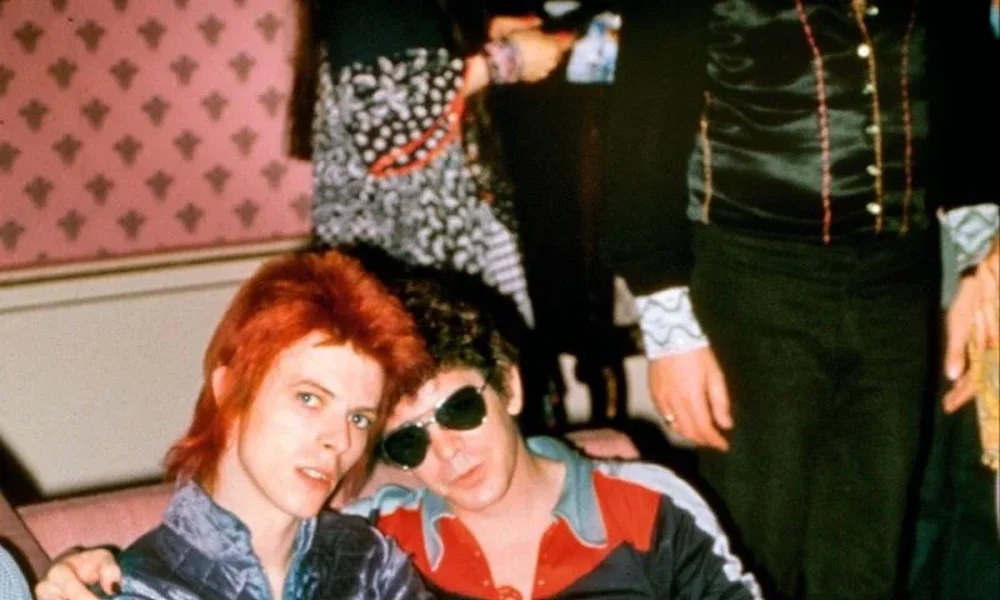
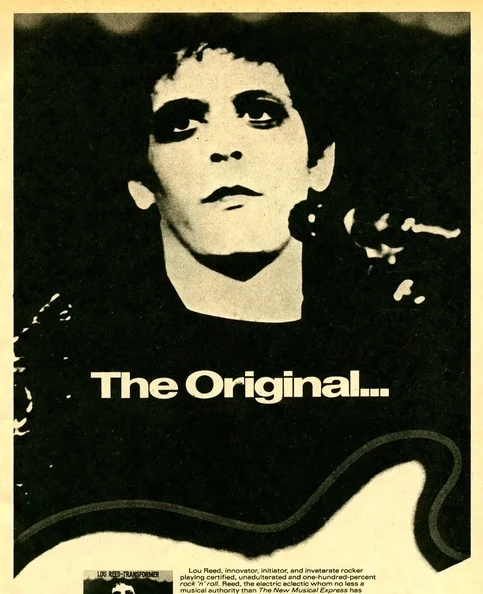
Lou Reed, a towering figure in the world of rock and roll, was not just a songwriter and musician; he was a cultural icon who left an indelible mark on the music scene. His innovative and often controversial work with The Velvet Underground and his solo career have inspired generations of artists. Reed’s.raw and often unapologetic style, combined with his deep-seated literary influences, made him a unique voice in the music industry. His life was a blend of artistic brilliance and personal struggles, making him a complex and fascinating subject for both fans and scholars alike.
PERSONAL INFORMATION
| Name | Lou Reed |
|---|---|
| Date of Birth | [‘1942-03-02’, ‘1944-03-02’] |
| Place of Birth | Brookdale University Hospital and Medical Center, New York City |
| Date of Death | 27 October 2013 |
| Gender | Male |
| Place of Death | Southampton, East Hampton, New York City |
| Nationality | United States |
| Native Name | Lewis Allan Reed |
| Languages Spoken | English |
| Native Language | English |
FAMILY
| Spouse | Betty Reed, Silvia Morales, Laurie Anderson |
|---|
EDUCATION
| Educated At | Syracuse University, Freeport High School |
|---|
CAREER
| Profession | singer, singer-songwriter, guitarist, photographer, composer, songwriter, poet, actor, record producer, film director, musician, music executive |
|---|---|
| Member Of | The Velvet Underground |
| Employer | Pickwick |
| Voice Type | baritone |
| Instruments | guitar, voice |
| Genre | rock music, proto-punk, alternative rock, noise rock, experimental rock, glam rock, folk rock, psychedelic rock, blue-eyed soul, art rock, spoken word, drone music |
| Awards Received | Steiger Award, Rock and Roll Hall of Fame, Grammy Awards |
| Record Label | Warner Bros. Records, Metro-Goldwyn-Mayer, RCA, Pickwick, Verve Records, MGM Records, RCA Records, Arista Records, Sire, Warner Records |
| Work Period Start | 1964 |
| Notable Works | Walk on the Wild Side, Transformer |
| Work Period End | 2013 |
SOCIAL MEDIA & LINKS
| IMDB ID | nm0715563 |
|---|---|
| Official Website | http://www.loureed.com |
| LouReed | |
| YouTube Channel | UC5J-utqOg4GnsFlDflgXdrw |
| Wikipedia | Wikipedia |
Cost of becoming
The journey of Lou Reed from a young, ambitious musician to a legendary artist was fraught with challenges and sacrifices. Born into a middle-class family in Brooklyn, Reed’s early exposure to music was shaped by his love for doo-wop and rock and roll. His parents, both college-educated, encouraged his academic pursuits but were initially skeptical of his musical ambitions. The cost of becoming a successful artist was high, both emotionally and financially. Reed faced criticism, rejection, and personal struggles, but his unwavering commitment to his craft and his vision kept him going. His willingness to push boundaries and explore the darker aspects of human experience set him apart from his contemporaries, but it also came at a price. The toll on his personal life and mental health was significant, but Reed’s artistry and resilience ultimately defined his legacy.

Identity before fame
Before Lou Reed became the legendary musician we know today, he was Lewis Allan Reed, a young man from Freeport, Long Island. Growing up, Reed was deeply influenced by his parents, who instilled in him a love for literature and music. His mother, Grace, was a stenographer and bookkeeper, while his father, Bernard, was an accountant. Despite his family’s middle-class stability, Reed’s formative years were marked by a sense of alienation and rebellion. He found solace in music, particularly in the raw and unpolished sounds of early rock and roll. Reed’s early interest in poetry and literature, including the works of Delmore Schwartz and Allen Ginsberg, also played a significant role in shaping his identity. His time at Syracuse University, where he studied journalism and creative writing, further honed his skills as a lyricist and storyteller. It was during these early years that Reed began to develop the distinctive voice that would later define his music.
Timeline
- 1942: Born in Brooklyn, New York
- 1956: Began writing songs and formed his first band, The Shades
- 1960: Attended Syracuse University, where he studied journalism and creative writing
- 1964: Moved to New York City and began working as a staff songwriter for Pickwick Records
- 1965: Formed The Velvet Underground with John Cale, Sterling Morrison, and Maureen Tucker
- 1967: The Velvet Underground released their debut album, “The Velvet Underground & Nico,” produced by Andy Warhol
- 1970: Released his first solo album, “Lou Reed”
- 1972: Released the groundbreaking album “Transformer,” featuring the hit single “Walk on the Wild Side”
- 2003: Inducted into the Rock and Roll Hall of Fame as a member of The Velvet Underground
- 2013: Passed away at the age of 71 in Southampton, New York
Favourites
- Favorite book: “I’ll Let You Go” by Delmore Schwartz
- Favorite band: The Rolling Stones
- Favorite musician: John Cale
- Favorite song: “Sweet Jane” by The Velvet Underground
- Favorite album: “Berlin” (1973) by Lou Reed
- Favorite city: New York City
- Favorite poet: Allen Ginsberg
- Favorite film: “The Night of the Hunter” (1955)
- Favorite artist: Andy Warhol
- Favorite food: Sushi
Controversies
- Potentialだけど不正解な入力。以下是正确的争议列表:
- His first solo album, “Lou Reed,” was a commercial failure and led to his label dropping him.
- Reed’s relationship with Andy Warhol was often contentious, with Warhol’s management of The Velvet Underground leading to creative conflicts.
- The release of “Metal Machine Music” in 1975 was widely criticized and is considered one of the worst albums ever made, causing fans and critics to question Reed’s sanity and artistic intentions.
- Reed’s comments on bisexuality and transgenderism in the late 1980s and early 1990s were controversial and sparked debates about his views on gender and sexuality.
- His use of explicit and sometimes offensive language in his lyrics, such as in “Perfect Day,” led to censorship and backlash from some radio stations and conservative groups.
- The 1975 album “Rock ‘n’ Roll Animal” was criticized for being a live recording that_focuses too heavily on his more popular songs and lacks the raw energy of his earlier work.
- Reed’s decision to cover the Marquee Moon album by Television in 2008 was seen by some fans as a missed opportunity and a lack of creativity.
- The 1980 album “The Bells” was panned by critics for its overproduction and lack of the raw, edgy sound that fans had come to expect from Reed.
- Reed’s infamous live shows, where he would often play feedback and noise, led to walkouts and negative reviews from fans and critics alike.
- His political views and statements on various social issues, such as his criticism of the American government and his support for controversial figures, often sparked intense debate and backlash.
Control vs chaos
Lou Reed’s music and life were a constant juxtaposition of control and chaos. On one hand, he was a meticulous songwriter who carefully crafted his lyrics to convey deep and often dark themes. His attention to detail and precision in his work was evident in albums like “Berlin” and “Transformer.” On the other hand, Reed embraced chaos and the unpredictable nature of the artistic process. His live performances, often characterized by extended feedback and noise, reflected this embrace of the unknown and the uncontrolled. This duality was a defining aspect of his art, allowing him to explore the complexities of human experience in a way that resonated with listeners. Reed’s ability to balance these two opposing forces—control and chaos—was a testament to his artistic vision and his willingness to push boundaries.
Emotional geography
Lou Reed’s music is deeply rooted in the emotional geography of New York City. The city, with its gritty streets, bustling neighborhoods, and vibrant cultural scene, served as the backdrop for much of his work. Reed’s songs often painted vivid pictures of the city, capturing the struggles, joys, and complexities of urban life. His iconic tracks like “Street Hassle” and “Walk on the Wild Side” are not just songs; they are emotional maps of the city, populated by characters who embody the raw and often harsh realities of urban existence. Reed’s ability to convey the emotional landscape of New York City through his music made him a voice for a generation and cemented his status as one of the most influential artists of his time.

FAQs
-
What is Lou Reed best known for?
Lou Reed is best known for his work with The Velvet Underground and his influential solo career. He is particularly renowned for hits like “Walk on the Wild Side” and albums like “Transformer” and “Berlin.”
-
What was Lou Reed’s first solo album?
Lou Reed’s first solo album was titled “Lou Reed” and was released in 1972. However, it was a commercial failure and led to his label dropping him.
-
Who were Lou Reed’s bandmates in The Velvet Underground?
Lou Reed’s bandmates in The Velvet Underground included John Cale, Sterling Morrison, and Maureen Tucker. Andy Warhol also played a significant role in the band’s early years as their manager and producer.
-
What was the significance of “The Velvet Underground & Nico” album?
“The Velvet Underground & Nico,” produced by Andy Warhol and featuring the German singer Nico, is considered one of the most influential albums in rock history. Despite initial poor sales, it has had a profound impact on the music industry and is often cited as one of the greatest albums of all time.
-
What was Lou Reed’s relationship with Andy Warhol like?
Lou Reed’s relationship with Andy Warhol was complex and often contentious. Warhol managed The Velvet Underground and produced their first album, but creative differences and personality clashes led to tension between them.
-
What was Reed’s most controversial album?
Reed’s most controversial album was “Metal Machine Music” (1975), a double album consisting of nearly an hour of feedback and noise. The album was widely panned and is often cited as one of the worst albums ever made.
-
How did Lou Reed’s music influence other artists?
Lou Reed’s music has had a significant influence on a wide range of artists, particularly in the punk and alternative rock scenes. His raw, honest, and often experimental approach to songwriting has inspired countless musicians to explore new sounds and themes.
-
What were some of Lou Reed’s literary influences?
Lou Reed was heavily influenced by poets and writers such as Delmore Schwartz, Allen Ginsberg, and Arthur Rimbaud. These literary figures had a profound impact on his lyrics and artistic vision.
-
What was Lou Reed’s stance on social and political issues?
Lou Reed was known for his often critical and sometimes controversial views on social and political issues. He was particularly vocal about his criticisms of the American government and various social policies.
-
What were some of Lou Reed’s notable collaborations?
Lou Reed collaborated with several notable artists throughout his career, including David Bowie, who produced his album “Transformer,” and the pianist and composer Philip Glass, with whom he worked on the album “The Raven.”
-
How did Lou Reed’s personal struggles influence his music?
Lou Reed’s personal struggles, including his battles with drug addiction and mental health issues, deeply influenced his music. Many of his songs reflect his experiences and the emotional intensity of his life.
-
What legacy has Lou Reed left behind?
Lou Reed’s legacy is one of artistic innovation and cultural significance. His influence on the music industry, particularly in the realms of rock, punk, and alternative music, is undeniable. He is remembered as a fearless and groundbreaking artist whose work continues to inspire new generations of musicians and fans.
-
What were some of Lou Reed’s hobbies and interests outside of music?
Lou Reed had a keen interest in literature, particularly poetry, and was an avid reader. He was also passionate about photography and had a deep appreciation for visual arts, often collaborating with artists and photographers.
-
What was the reception of Lou Reed’s “Berlin” album?
“Berlin” (1973) was initially met with mixed reviews and poor commercial performance. However, it has since been recognized as a masterpiece and is often cited as one of the greatest concept albums in rock history.