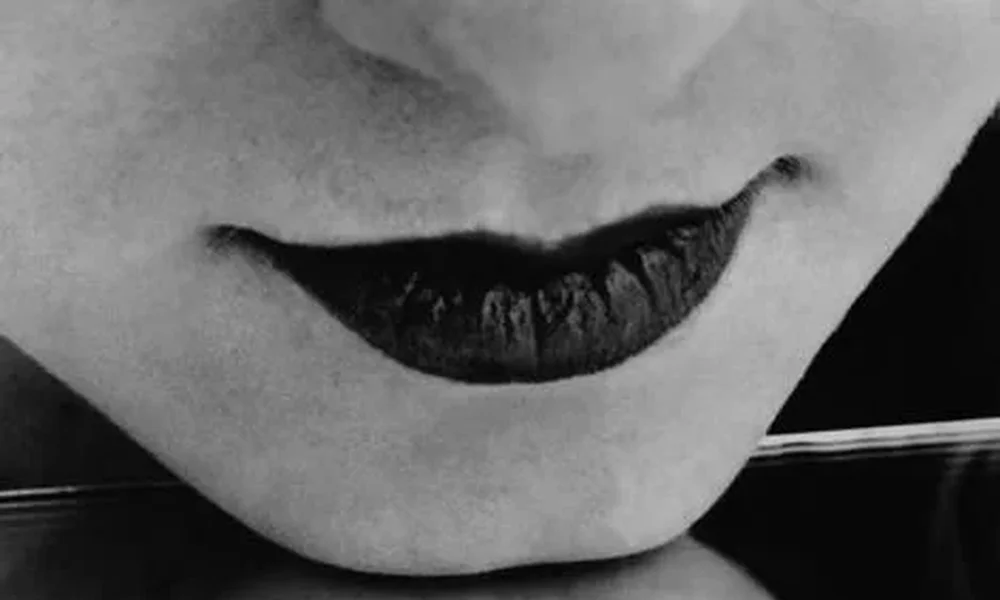
Man Ray, born Emmanuel Radnitzky on August 27, 1890, in Philadelphia, Pennsylvania, is one of the most influential figures in the world of avant-garde art. Renowned for his groundbreaking work in photography, painting, and filmmaking, Man Ray’s contributions to the Dada and Surrealist movements have cemented his place in the annals of art history. His innovative techniques, such as the photogram (which he called “rayographs”), and his collaborations with other artists like Marcel Duchamp, have left an indelible mark on the 20th-century art scene. Man Ray’s life was a journey of constant reinvention and exploration, capturing the essence of modernity and challenging conventional artistic boundaries.
PERSONAL INFORMATION
| Name | Man Ray |
|---|---|
| Place of Death | Paris, 6th arrondissement of Paris |
| Place of Birth | Philadelphia |
| Date of Death | 18 November 1976 |
| Date of Birth | 27 August 1890 |
| Age at Death | 86 Years |
| Zodiac Sign | Virgo |
| Nationality | United States, France |
| Signature |  |
| Native Name | Man Ray |
| Gender | Male |
| Languages Spoken | English |
| Native Language | English |
FAMILY
| Spouse | Juliet Man Ray, Adon Lacroix |
|---|---|
| Partner | Lee Miller, Alice Prin |
| Mother | Manya Lourie Ray |
| Father | Max Ray |
EDUCATION
| Educated At | Art Students League of New York, Boys and Girls High School, Boys High School |
|---|
CAREER
| Profession | film director, photographer, cinematographer, screenwriter, painter, film editor, collagist, autobiographer, actor, designer, jewelry designer, filmmaker, printmaker, sculptor, assemblage artist, lithographer |
|---|---|
| Member Of | College of ‘Pataphysics |
| Notable Works | Ingres’s Violin, Gift |
| Genre | assemblage, abstract art |
| Field of Work | art of painting, photography, art of sculpture, cinematography, jewelry, erotic art, erotic photography |
SOCIAL MEDIA & LINKS
| IMDB ID | nm0712915 |
|---|---|
| Official Website | http://www.manraytrust.com/ |
| Wikipedia | Wikipedia |
Cost of Becoming
The path to artistic greatness is rarely smooth, and Man Ray’s journey was no exception. He faced numerous challenges and obstacles, including financial struggles and artistic rejection. Despite these hurdles, Man Ray remained committed to his vision. His early years in New York, where he worked as a commercial artist and attended art school, laid the foundation for his future success. The cost of becoming a renowned artist involved relentless dedication, a willingness to push boundaries, and a radical approach to creativity. Man Ray’s willingness to experiment and embrace the avant-garde allowed him to transcend traditional artistic forms and forge a unique path in the art world.
Identity Before Fame
Before he became the celebrated Man Ray, Emmanuel Radnitzky was a young artist striving to find his voice in the competitive New York art scene. Born to a family of Russian Jewish immigrants, he grew up in Philadelphia and later moved to Brooklyn. His early exposure to the vibrant artistic community in New York, where he met fellow artists like Duchamp and Picabia, played a crucial role in shaping his artistic identity. Man Ray’s early works, which included commercial illustrations and abstract paintings, hinted at his potential but did not yet reflect the revolutionary style that would define his later career. It was his move to Paris in 1921 that truly marked the beginning of his ascent to fame, as he immersed himself in the Dada and Surrealist movements.
Timeline
- 1890: Born Emmanuel Radnitzky in Philadelphia, Pennsylvania.
- 1908: Attends the National Academy of Design in New York.
- 1912: Begins working as a commercial artist and illustrator in New York.
- 1913: Meets Marcel Duchamp and Alfred Stieglitz, forming influential artistic relationships.
- 1915: Participates in the first Dada exhibition in New York.
- 1921: Moves to Paris, becoming a central figure in the Dada and Surrealist movements.
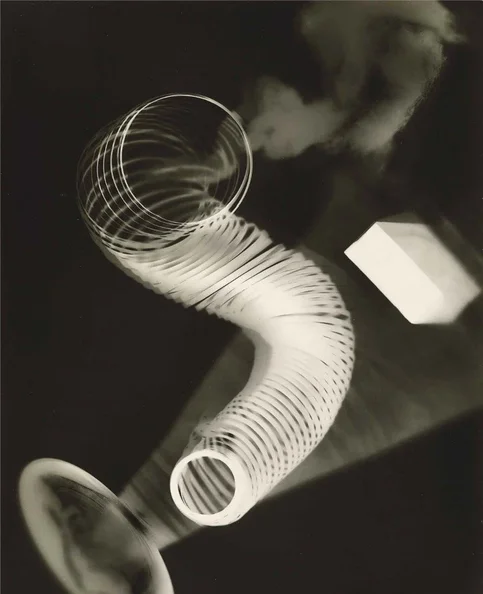
- 1922: Develops the “rayograph” technique, creating photograms without a camera.
- 1929: Collaborates with Luis Buñuel on the Surrealist film “L’Étoile de Mer.”
- 1940: Returns to the United States due to World War II.
- 1951: Returns to Paris and continues his artistic work until his death in 1976.
Favourites
- Artists: Marcel Duchamp, Pablo Picasso, André Breton
- Movement: Surrealism, Dada
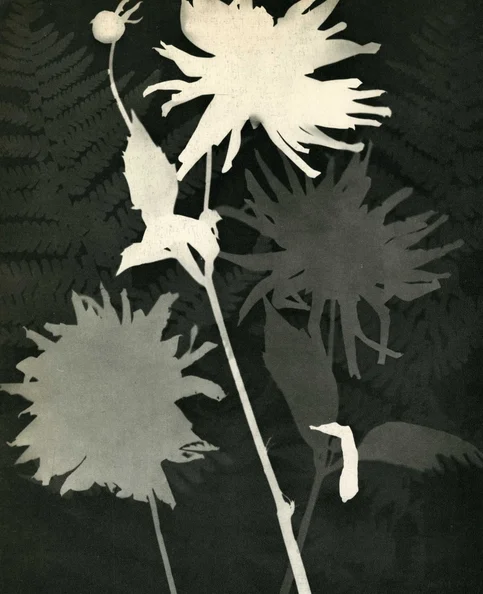
- Photographic Technique: Rayograph
- Film: “L’Étoile de Mer” (1928)
- Painting: “Observatory Time – The Lovers” (1934)
- City: Paris, France
- Period: 1920s and 1930s
- Gallery: Galerie Louis Carré
- Photography Subject: Lee Miller
- Exhibition: “The First Papers of Surrealism” (1942)
Controversies
- Rayograph Controversy: Debate over the origin and invention of the photogram technique.
- Surrealist Exclusions: Man Ray was occasionally excluded from Surrealist exhibitions due to personal conflicts with André Breton.
- Sexual Themes: Some of his works, such as “Le Violon d’Ingres,” featured erotic and sexually suggestive imagery, which was controversial at the time.
- War and Exile: His return to the United States during World War II and the subsequent impact on his career and relationships.
- Personal Relationships: Tensions with his ex-wife, Kiki de Montparnasse, and other romantic partners.
- Commercial Art vs. Fine Art: Criticism for his commercial work and its perceived commercialism in the art world.
- Political Stances: His ambivalence towards political movements and his focus on artistic freedom over political engagement.
- Collaborations and Credits: Disputes over the contributions and credits in collaborative works, particularly with fellow artists.
- Exhibition Censorship: Some of his works were censored or banned from exhibitions due to their controversial nature.
- Cultural Appropriation: Accusations of cultural appropriation in his use of African and Asian art elements in his work.
Control vs Chaos
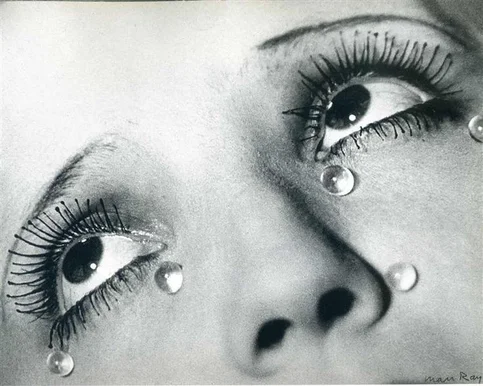
Man Ray’s art often balanced the fine line between control and chaos. His innovative techniques, such as the rayograph, required a meticulous approach and a deep understanding of the medium. At the same time, his Surrealist works embraced the unpredictable and the subconscious, allowing for a more spontaneous and chaotic expression. This duality is evident in his photographic and painted works, where structured compositions coexist with elements of surprise and unpredictability. Man Ray’s ability to navigate this balance reflects his artistic philosophy, which celebrated the intersection of technique and freedom, order and disorder.
Emotional Geography
The emotional geography of Man Ray’s life and work is marked by a constant exploration of the human psyche and the natural world. His art often delved into the depths of human emotion, capturing the complexities of love, desire, and identity. Man Ray’s experiences of displacement, from his early years in Philadelphia to his later years in Paris and the United States, influenced his approach to art. His works frequently reflect a sense of wanderlust and a longing for connection, blending personal narratives with broader cultural themes. This emotional landscape is evident in his iconic portraits, abstract compositions, and experimental films, which continue to resonate with audiences today.
FAQs
-
What is Man Ray’s real name?
Man Ray was born Emmanuel Radnitzky on August 27, 1890, in Philadelphia, Pennsylvania.
-
When did Man Ray move to Paris?
Man Ray moved to Paris in 1921, where he became a central figure in the Dada and Surrealist movements.
-
What is a rayograph?
rayograph is a type of photogram created by Man Ray, where objects are placed directly on photographic paper and exposed to light, creating unique images without the use of a camera.
-
Who were Man Ray’s famous collaborators?
Man Ray collaborated with many influential artists, including Marcel Duchamp, Pablo Picasso, and André Breton.
-
What is Man Ray’s most famous painting?
One of Man Ray’s most famous paintings is “Observatory Time – The Lovers” (1934), which features a kiss between two lovers.
-
What is Man Ray’s most famous film?
“L’Étoile de Mer” (1928), a Surrealist film Man Ray collaborated on with Luis Buñuel, is one of his most famous works in the film medium.
-
How did World War II affect Man Ray’s career?
During World War II, Man Ray returned to the United States, which temporarily disrupted his artistic network and activities in Paris.
-
What was Man Ray’s relationship with Kiki de Montparnasse?
Kiki de Montparnasse, also known as Alice Prin, was Man Ray’s muse and lover during the 1920s. They had a tumultuous relationship marked by both creative collaboration and personal tensions.
-
How did Man Ray contribute to the Surrealist movement?
Man Ray’s innovative photographic techniques, such as the rayograph, and his experimental films and paintings were instrumental in shaping the Surrealist movement’s aesthetic and philosophy.
-
What is the significance of Man Ray’s “rayograph” technique?
The rayograph technique allowed Man Ray to create unique and abstract images without a camera, pushing the boundaries of traditional photography and contributing to the development of Surrealist art.
-
What was Man Ray’s impact on 20th-century art?
Man Ray’s influence on 20th-century art is profound, as he helped to redefine the boundaries of photography, painting, and filmmaking. His innovative techniques and avant-garde approach continue to inspire artists today.
-
What galleries did Man Ray exhibit in?
Man Ray exhibited his work in numerous galleries, including the Galerie Louis Carré in Paris and various galleries in New York and other cities during his career.
-
How did Man Ray’s childhood influence his art?
Man Ray’s childhood in a family of Russian Jewish immigrants and his early exposure to the New York art scene played a significant role in shaping his artistic identity and his later contributions to the Dada and Surrealist movements.
-
What were Man Ray’s most controversial works?
Some of Man Ray’s most controversial works included his erotic and sexually suggestive imagery, such as “Le Violon d’Ingres,” which challenged societal norms and conventions.
-
How did Man Ray balance his commercial and fine art work?
Man Ray often balanced his commercial work, such as commercial illustrations and portraits, with his fine art practice, using both to explore and express his artistic vision.
-
What legacy did Man Ray leave behind?
Man Ray’s legacy is marked by his groundbreaking contributions to photography, painting, and filmmaking, his influence on the Dada and Surrealist movements, and his enduring impact on 20th-century art and culture.