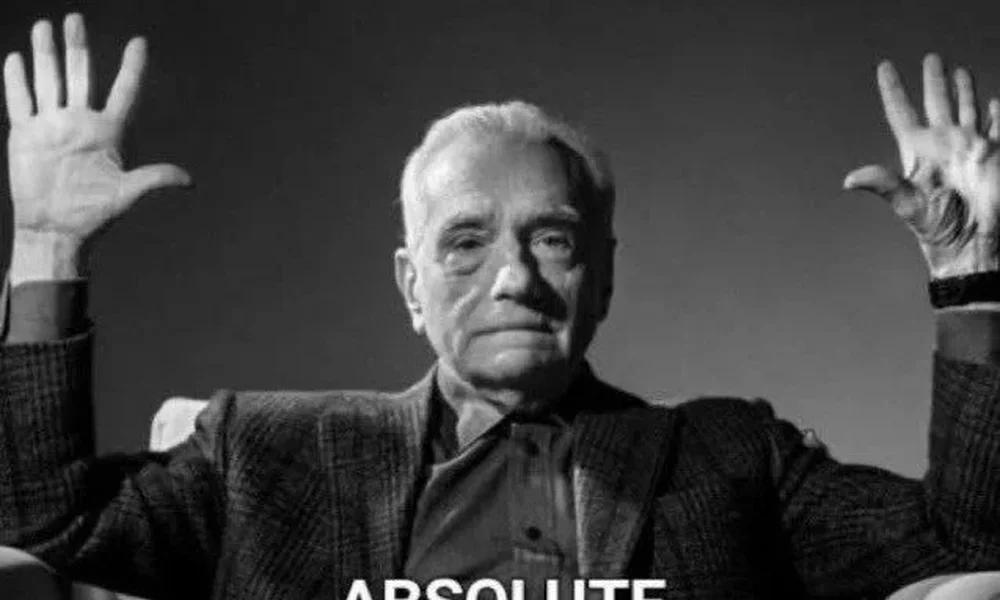
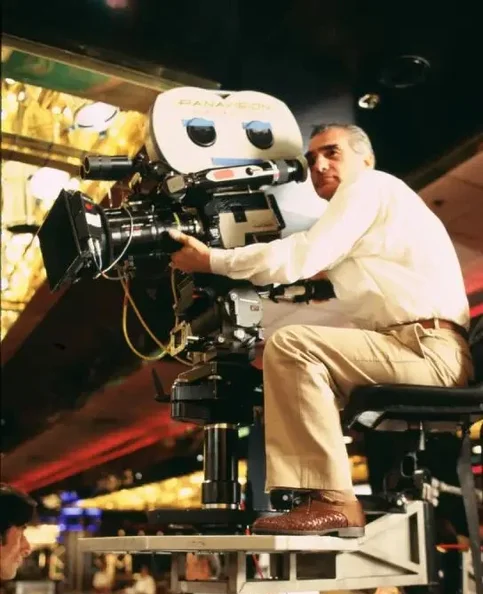
Martin Scorsese, a towering figure in the world of cinema, has left an indelible mark on the art of filmmaking. Born and raised in New York City, Scorsese’s personal experiences and deep cultural roots have profoundly influenced his work. Known for his meticulous attention to detail, exploration of themes such as crime, redemption, and the human condition, Scorsese has directed some of the most critically acclaimed and commercially successful films in history. His collaborations with actors like Robert De Niro, Leonardo DiCaprio, and Joe Pesci have resulted in iconic performances and enduring cinematic masterpieces. Scorsese’s influence extends beyond the realm of feature films; he has also made significant contributions to documentary filmmaking and the preservation of film history. His legacy as a filmmaker, mentor, and cultural icon is secured by his unwavering commitment to his craft and his profound impact on the film industry.
PERSONAL INFORMATION
| Name | Martin Scorsese |
|---|---|
| Nationality | United States, Italy |
| Place of Birth | Queens |
| Date of Birth | 17 November 1942 |
| Age | 83 Years |
| Zodiac Sign | Scorpio |
| Native Name | Martin Scorsese |
| Birth Name | Martin Charles Scorsese |
| Languages Spoken | English |
| Gender | Male |
| Ethnicity | Italian Americans, Sicilian Americans |
| Signature |  |
| Religion | Catholicism |
| Native Language | English |
PHYSICAL STATISTICS
| Height (in centimeters) | 160 cm |
|---|---|
| Height (in meters) | 1.60 m |
| Height (in feet inches) | 5′ 2″ |
FAMILY
| Father | Charles Scorsese |
|---|---|
| Mother | Catherine Scorsese |
| Spouse | Laraine Marie Brennan, Julia Cameron, Isabella Rossellini, Barbara De Fina, Helen Schermerhorn Morris |
| Children | Cathy Scorsese, Francesca Scorsese, Domenica Cameron-Scorsese |
EDUCATION
| Educated At | New York University Tisch School of the Arts, Cardinal Hayes High School |
|---|
CAREER
| Profession | film director, film actor, film producer, screenwriter, film editor, voice actor, television director, director, actor, film historian, television producer, producer, film screenwriter, writer, music video director |
|---|---|
| Member Of | American Academy of Arts and Sciences, Writers Guild of America West, Directors Guild of America |
| Nominations | Academy Award for Best Director, Academy Award for Best Director, Academy Award for Best Director, Academy Award for Best Director, Academy Award for Best Director, Academy Award for Best Director, Academy Award for Best Director, Academy Award for Best Director, Academy Award for Best Writing, Adapted Screenplay, Academy Award for Best Writing, Adapted Screenplay, Academy Award for Best Picture, Academy Award for Best Picture, Academy Award for Best Director, Academy Award for Best Director, Academy Award for Best Picture |
| Work Period Start | 1962 |
| Employer | New York University |
| Career Start | 1999 |
| Awards Received | Academy Award for Best Director, Directors Guild of America Award, Light of Truth Award, Library of Congress Living Legend, Golden Globe Cecil B. DeMille Award, Kennedy Center Honors, AFI Life Achievement Award, Praemium Imperiale, honorary doctorate from Princeton University, Golden Globe Awards, Britannia Awards, Palme d’Or, Golden Bear, Cannes Best Director Award, Silver Lion, Golden Globe Award for Best Director, Golden Globe Award for Best Director, Grammy Award for Best Music Film, Honorary César, BAFTA Award for Best Film, BAFTA Award for Best Adapted Screenplay, BAFTA Award for Best Direction, Academy Fellowship Award, Knight Grand Cross of the Order of Merit of the Italian Republic, Fellow of the American Academy of Arts and Sciences, National Board of Review Award for Best Film, star on Hollywood Walk of Fame, Dallas-Fort Worth Film Critics Association Award for Best Director, Officer of the Legion of Honour, Dallas-Fort Worth Film Critics Association Award for Best Director, Primetime Emmy Award for Outstanding Directing for a Drama Series, Princess of Asturias Award for the Arts, Evelyn F. Burkey Award, The George Pal Memorial Award, Honorary Golden Bear, David di Donatello Award for Lifetime Achievement |
| Genre | drama film, crime film, thriller film, action film, gangster film, psychological thriller film, neo-noir, crime drama film, epic film, biographical film, Western film, mystery film, sport film, adventure film, comedy film, historical film, historical drama film, war film, fantasy film, crime thriller film, comedy drama, psychological horror film, suspense film, film noir, documentary film, psychological drama film, horror film, vigilante film, heist film |
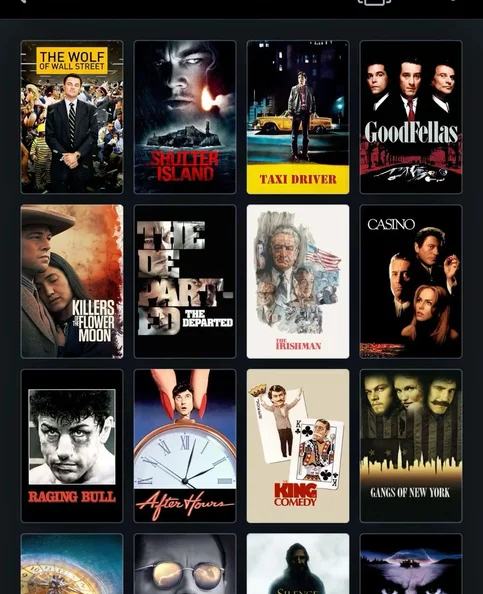
| Notable Works | Taxi Driver, Goodfellas, Casino, Gangs of New York, The Aviator, Shutter Island, The Wolf of Wall Street, Silence, Boxcar Bertha, The Irishman, Killers of the Flower Moon, Bringing Out the Dead, Hugo, New York, New York, The Last Waltz, The Age of Innocence, After Hours, Kundun, The Color of Money, The Last Temptation of Christ, Who’s That Knocking at My Door, Alice Doesn’t Live Here Anymore, The Wager, Mean Streets, The Departed, Raging Bull, The King of Comedy, Cape Fear |
SOCIAL MEDIA & LINKS
| IMDB ID | nm0000217 |
|---|---|
| @martinscorsese_ | |
| scorsese | |
| Wikipedia | Wikipedia |
Cost of Becoming
The journey to becoming one of the most revered directors in cinema history was not without its trials and tribulations for Martin Scorsese. Born into a working-class Italian-American family in New York City, Scorsese faced numerous challenges, including financial hardships and the pressure to succeed in a highly competitive industry. His passion for film was nurtured from a young age, but pursuing a career in filmmaking required immense dedication and sacrifice. Scorsese’s early films, such as “Mean Streets” and “Taxi Driver,” not only showcased his unique vision but also marked the beginning of his long-standing collaborations with key actors and crew members. Despite the initial struggles, Scorsese’s relentless pursuit of his artistic vision and his ability to tell compelling stories has earned him a place among the greatest directors of all time.
Identity Before Fame
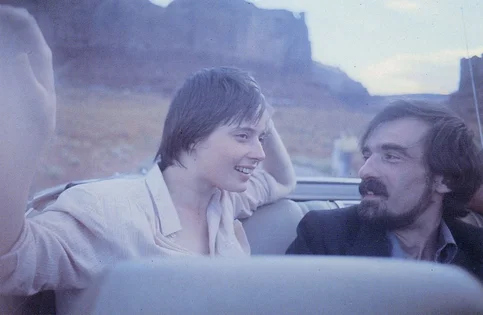
Before achieving fame and recognition, Martin Scorsese was a young man deeply rooted in his Italian-American heritage and the bustling streets of Little Italy, New York City. His father, Charles Scorsese, and mother, Catherine Scorsese, were both immigrants who worked hard to provide for their family. Scorsese’s early life was marked by a love for cinema, which he indulged in by frequently visiting local movie theaters. Despite facing health issues that restricted his physical activities, he found solace and inspiration in the world of film. His passion for filmmaking was further solidified during his time at New York University, where he studied film and began to develop his unique style. These early experiences and influences laid the foundation for his future success and shaped his identity as a filmmaker.
Timeline
- 1942: Martin Scorsese is born on November 17 in Queens, New York City.
- 1960s: Scorsese studies film at New York University, earning his B.A. and M.A. in film.
- 1967: He directs his first feature film, “Who’s That Knocking at My Door.”
- 1973: “Mean Streets” is released, marking the beginning of his collaborations with Robert De Niro.
- 1976: “Taxi Driver” premieres at the Cannes Film Festival and garners critical acclaim.
- 1980: “Raging Bull” is released, cementing Scorsese’s reputation as a master filmmaker.
- 1990: “Goodfellas” is released, becoming one of his most beloved and influential films.
- 2006: “The Departed” wins the Academy Award for Best Director, Scorsese’s first Oscar win.
- 2007: He directs “Shine a Light,” a documentary featuring The Rolling Stones.
- 2019: “The Irishman” is released, starring Robert De Niro, Al Pacino, and Joe Pesci.
Favourites
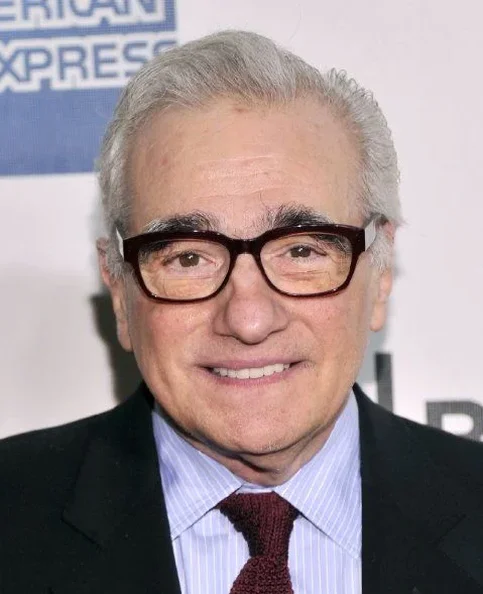
- Favorite actor: Robert De Niro
- Favorite film genre: Crime and drama
- Favorite director: Elia Kazan
- Favorite film: “Bring Me the Head of Alfredo Garcia” by Sam Peckinpah
- Favorite music: Classic rock and jazz, particularly artists like The Rolling Stones and Miles Davis
- Favorite book: “The Waste Land” by T.S. Eliot
- Favorite city: New York City
- Favorite meal: Italian-American cuisine, particularly pasta dishes
- Favorite time of year: Autumn in New York
- Favorite place to work: His editing suite in New York City
Controversies
- Censorship Issues: “The Last Temptation of Christ” faced significant controversy and protests due to its portrayal of Jesus Christ.
- Violent Content: Films like “Taxi Driver” and “Goodfellas” have been criticized for their graphic violence and depiction of criminal activities.
- Religious Sensitivities: “The Last Temptation of Christ” led to cancellations of premieres and protests by religious groups.
- Scorsese’s Personal Life: His multiple marriages and divorces have been subject to media scrutiny.
- Political Stances: Scorsese’s outspoken views on political and social issues have sometimes sparked debate.
- Criticism of the Film Industry: He has been vocal about the commercialization of Hollywood and the decline of independent filmmaking.
- Use of Graphic Content: Films like “Gangs of New York” and “The Departed” have been criticized for their brutal and graphic scenes.
- Racial Depictions: Some of his films have been criticized for stereotypical portrayals of certain racial and ethnic groups.
- Cultural Appropriation: His use of elements from various cultures in his films has sometimes been seen as appropriative.
- Adaptations and Source Material: Controversy has arisen over the accuracy and sensitivity of his adaptations of real-life events and figures.
Control vs Chaos
Martin Scorsese’s films often explore the delicate balance between control and chaos, reflecting his own life and the world around him. In his personal life, Scorsese has faced numerous challenges, from financial struggles to the pressure of maintaining his artistic integrity in a cutthroat industry. His films, such as “Taxi Driver” and “Raging Bull,” delve into the internal and external conflicts that drive characters to the brink of madness. Despite the chaos and turbulence, Scorsese’s meticulous attention to detail and his ability to craft cohesive, powerful narratives showcase his mastery of control. This duality is a recurring theme in his work, highlighting the thin line between order and disorder that often defines the human experience.
Emotional Geography
The emotional geography of Martin Scorsese’s films is deeply rooted in the streets of New York City, where he grew up and where many of his most iconic works are set. The city is not just a backdrop but a character in itself, influencing the mood, tone, and themes of his films. Scorsese’s New York is a place of contrasts—brutal and beautiful, chaotic and reassuring. The neighborhoods of Little Italy, the bustling streets of Manhattan, and the gritty, neon-lit corners of the city provide a rich tapestry of emotions and experiences. His ability to capture the essence of these places, and the people who inhabit them, brings a profound emotional depth to his work. This emotional geography is a testament to Scorsese’s deep connection to his roots and his ability to translate personal experiences into universal stories.
FAQs
-
What is Martin Scorsese’s most famous film?
Martin Scorsese’s most famous film is often considered “Taxi Driver” (1976), but other highly acclaimed works include “Goodfellas” (1990), “Raging Bull” (1980), and “The Departed” (2006).
-
How many Academy Awards has Martin Scorsese won?
Martin Scorsese has won one Academy Award for Best Director for “The Departed” (2006). He has also been nominated for several other awards throughout his career.
-
What is Martin Scorsese’s directorial style?
Scorsese’s directorial style is characterized by his attention to detail, use of long takes, and a deep exploration of themes such as crime, redemption, and the human condition. He often employs a fast-paced, energetic editing style and uses a distinctive visual language to tell his stories.
-
Who are some of Martin Scorsese’s frequent collaborators?
Some of Martin Scorsese’s most frequent collaborators include actors Robert De Niro, Leonardo DiCaprio, and Joe Pesci, as well as cinematographer Rodrigo Prieto and screenwriter Paul Schrader.
-
What are some of Martin Scorsese’s documentaries?
Some of Scorsese’s documentaries include “A Personal Journey with Martin Scorsese Through American Movies” (1995), “The Blues” (2003), and “Shine a Light” (2008), which features The Rolling Stones.
-
How did Martin Scorsese get his start in the film industry?
Martin Scorsese got his start in the film industry by attending New York University’s film school, where he made several short films. His first feature film, “Who’s That Knocking at My Door” (1967), caught the attention of the film community and set the stage for his future success.
-
What is Martin Scorsese’s approach to storytelling?
Scorsese’s approach to storytelling is deeply rooted in his personal experiences and cultural background. He is known for his ability to blend personal narrative with broader societal themes, creating films that are both intimate and universal.
-
What are some of Martin Scorsese’s most controversial works?
Some of Scorsese’s most controversial works include “The Last Temptation of Christ” (1988), which faced significant protests and censorship issues, and “Gangs of New York” (2002), which was criticized for its graphic violence and historical accuracy.
-
How has Martin Scorsese influenced the film industry?
Scorsese’s influence on the film industry is extensive. He is known for his innovative directorial techniques, his contributions to the preservation of film history, and his mentorship of younger filmmakers. His films have set new standards for storytelling and have inspired countless directors and actors.
-
What is Martin Scorsese’s take on the future of cinema?
Scorsese is a strong advocate for the preservation of film as an art form and is concerned about the impact of modern technology on the cinematic experience. He believes in the importance of preserving the integrity of the theatrical experience and the value of traditional filmmaking techniques.
-
How does Martin Scorsese balance personal and professional life?
Balancing personal and professional life has been a challenge for Scorsese. He is known for his dedication to his craft and his long working hours, which have sometimes strained his personal relationships. However, he has also found ways to integrate his personal experiences and values into his work, creating films that are both authentic and meaningful.
-
What are some lesser-known facts about Martin Scorsese?
Some lesser-known facts about Scorsese include his love for comic books, his early ambition to become a priest, and his role in the formation of the Film Foundation, which aims to preserve and restore classic films.
-
What is Martin Scorsese’s legacy in the film industry?
Martin Scorsese’s legacy in the film industry is one of innovation, artistic integrity, and profound storytelling. He has earned a reputation as one of the greatest directors of all time, and his influence can be seen in the work of countless filmmakers and actors. His commitment to preserving film history and mentoring the next generation of filmmakers ensures that his legacy will continue to inspire and influence future generations.