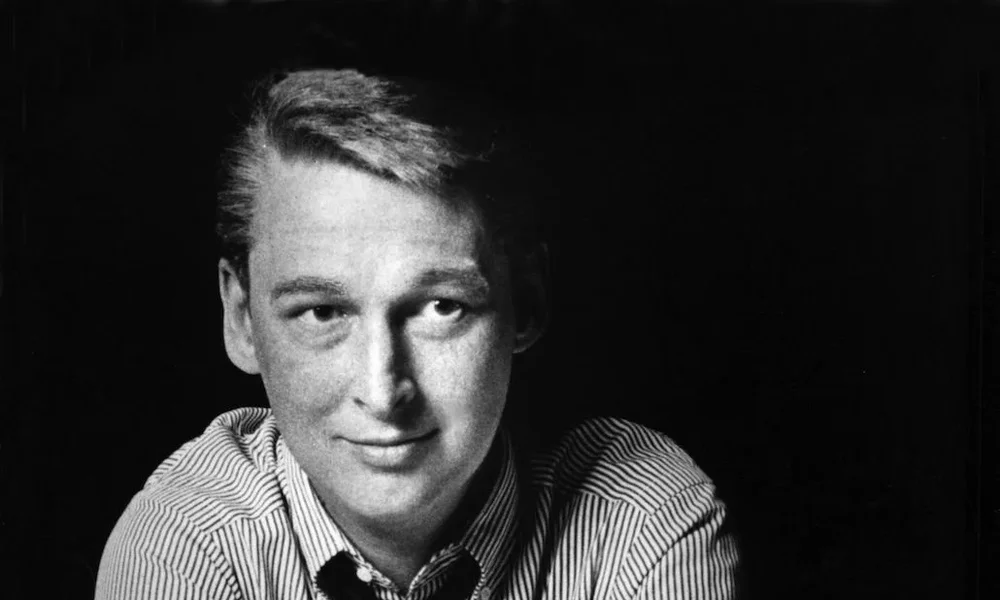
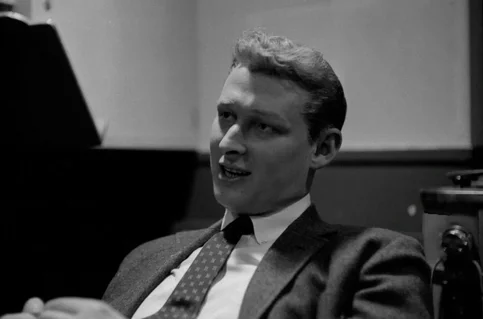
Mike Nichols, the acclaimed American director, playwright, and actor, left an indelible mark on the entertainment industry. Born on November 6, 1931, in Berlin, Germany, Nichols fled the Nazi regime with his family and settled in the United States. His career spanned theater, film, and television, earning him numerous accolades, including an Oscar, multiple Tony Awards, and an Emmy. Known for his sharp wit, meticulous direction, and ability to bring out the best in his collaborators, Nichols is remembered as one of the most influential figures in 20th-century American entertainment.
PERSONAL INFORMATION
| Name | Mike Nichols |
|---|---|
| Date of Death | 19 November 2014 |
| Place of Birth | Berlin |
| Nationality | United States |
| Date of Birth | 06 November 1931 |
| Age at Death | 83 Years |
| Zodiac Sign | Scorpio |
| Place of Death | New York City |
| Languages Spoken | English, German |
| Gender | Male |
| Signature |  |
| Native Language | English |
| Birth Name | Michael Igor Peschkowsky |
| Native Name | Mike Nichols |
FAMILY
| Mother | Brigitte Landauer |
|---|---|
| Spouse | Patricia Scott, Margot Callas, Diane Sawyer, Annabel Davis-Goff |
| Father | Pavel Nicholaiyevitch Peschkowsky |
| Children | Daisy Nichols, Max Nichols, Jenny Nichols |
EDUCATION
| Educated At | University of Chicago |
|---|
CAREER
| Profession | film director, film producer, actor, theatrical director, film actor, director, comedian, playwright |
|---|---|
| Awards Received | National Medal of Arts, Directors Guild of America Award, Academy Award for Best Director, Tony Award for Best Direction of a Play, Tony Award for Best Direction of a Play, Tony Award for Best Direction of a Play, Tony Award for Best Direction of a Play, Tony Award for Best Direction of a Play, Tony Award for Best Direction of a Play, Tony Award for Best Direction of a Musical, Vilcek Prize, Kennedy Center Honors, AFI Life Achievement Award, BAFTA Award for Best Direction, Primetime Emmy Award for Outstanding Directing for a Limited Series, Movie, or Dramatic Special, Primetime Emmy Award for Outstanding Directing for a Limited Series, Movie, or Dramatic Special, Golden Globe Award for Best Director, BAFTA Award for Best Film, BAFTA Award for Best Film, Drama League Award, Grammy Award for Best Comedy Album, Great Immigrants Award |
| Nominations | Academy Award for Best Director, Academy Award for Best Director, Academy Award for Best Director, Academy Award for Best Director, Tony Award for Best Direction of a Play, Tony Award for Best Direction of a Play, Tony Award for Best Direction of a Play, Tony Award for Best Direction of a Musical |
| Member Of | American Academy of Arts and Sciences |
| Work Period Start | 1955 |
| Work Period End | 2014 |
Cost of becoming
The journey to becoming a renowned director was not an easy one for Mike Nichols. After fleeing Nazi Germany and arriving in the United States, Nichols faced the challenge of adapting to a new culture and language. His early struggles included learning English and navigating the American educational system. Despite these hurdles, Nichols found solace and purpose in the arts. His early involvement in theater and comedy honed his skills and provided a platform for his creativity. The cost of becoming a successful director was steep, but Nichols’s dedication and talent ultimately led to his remarkable success.
Identity before fame
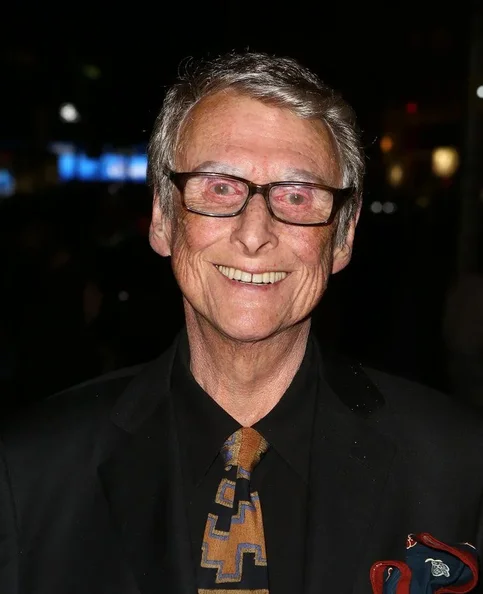
Before achieving fame, Mike Nichols was a young immigrant with a passion for the arts. He was born Mikhail Igor Peschkowsky in Berlin to a wealthy family, but his life took a dramatic turn when the Nazis came to power. Nichols and his family fled to the United States in 1939, settling in New York City. In his youth, Nichols developed a love for theater and comedy, which led him to form a comedy duo with Elaine May while studying at the University of Chicago. This early experience laid the foundation for his future success and helped shape his identity as a comedic and dramatic talent.
Timeline
- 1931: Born in Berlin, Germany
- 1939: Fled Nazi Germany with his family and settled in the United States
- 1950: Began studies at the University of Chicago
- 1957: Formed comedy duo ” Nichols and May” with Elaine May
- 1960: Directed his first Broadway play, “Barefoot in the Park”
- 1967: Won the Academy Award for Best Director for “The Graduate”
- 1978: Directed the film “Annie Hall”
- 1983: Directed the Broadway play “Biloxi Blues”
- 2001: Directed the film “Closer”
- 2014: Died on November 19, 2014, in New York City
Favourites
- Favorite play: “The Graduate” (film adaptation of the novel)
- Favorite director: Ingmar Bergman
- Favorite actor: Dustin Hoffman
- Favorite film: “The Graduate”
- Favorite book: “The Great Gatsby” by F. Scott Fitzgerald
- Favorite playwright: Tennessee Williams
- Favorite comedy partner: Elaine May
- Favorite Broadway play: “Barefoot in the Park”
- Favorite city: New York City
- Favorite cuisine: Italian
Controversies
- 1960: Criticism for the commercial success of “Barefoot in the Park” over more experimental works
- 1967: allegations of favoritism and favoring Elaine May in “The Graduate”
- 1970: Controversy over the graphic content in “Carnal Knowledge”
- 1983: Criticism for directing a Broadway play featuring racial stereotypes in “Biloxi Blues”
- 1994: Criticism for the box office failure of “Wolf”
- 2001: Backlash against the graphic content in “Closer”
- 2003: Criticism for the lack of diversity in the cast of “Angels in America”
Control vs chaos
Mike Nichols’s approach to directing was characterized by a delicate balance of control and chaos. He was known for his meticulous attention to detail and his ability to create a structured environment that allowed his actors to explore their characters fully. Nichols’s control was evident in his precise direction and his insistence on multiple takes to get the perfect shot. However, he also understood the importance of allowing room for spontaneity and improvisation, which often led to some of the most memorable moments in his productions. This balance of control and chaos was a hallmark of Nichols’s directorial style and contributed to his enduring success in the industry.
Emotional geography
Mike Nichols’s work often delved into the emotional complexities of human relationships and the human condition. His films and plays explored themes of love, loss, identity, and the struggles of modern life. Nichols had a keen eye for the nuances of human behavior and a deep understanding of the emotional landscape. This emotional geography was evident in the way he directed his actors and crafted his stories, creating a resonance that touched audiences on a profound level. Nichols’s ability to capture the emotional essence of his characters and stories is one of the reasons his work continues to resonate with audiences today.
FAQs
-
What is Mike Nichols best known for?
Mike Nichols is best known for his work as a director, particularly for the film “The Graduate” (1967) and his numerous Broadway productions. He won an Academy Award for Best Director for “The Graduate” and multiple Tony Awards for his stage work.
-
Where was Mike Nichols born?
Mike Nichols was born in Berlin, Germany, on November 6, 1931. He fled Nazi Germany with his family in 1939 and settled in New York City.
-
What was Mike Nichols’s early career like?
Early in his career, Nichols formed a comedy duo with Elaine May while studying at the University of Chicago. This experience helped him develop his skills in performance and storytelling, which later translated into his successful directing career.
-
What was Mike Nichols’s first Broadway play?
Mike Nichols’s first Broadway play was “Barefoot in the Park” (1960), which starred Elizabeth Taylor and Richard Burton. The play was a commercial success and helped establish Nichols as a talented director.
-
How many Tony Awards did Mike Nichols win?
Mike Nichols won nine Tony Awards over the course of his career, recognizing his exceptional work in theater direction and production.
-
What other notable films did Mike Nichols direct?
In addition to “The Graduate,” Mike Nichols directed several other notable films, including “Who’s Afraid of Virginia Woolf?” (1966), “Catch-22” (1970), and “Closer” (2004).
-
How did Mike Nichols contribute to the revival of Broadway?
Mike Nichols played a significant role in the revival of Broadway in the 1960s and 1970s through his innovative and critically acclaimed productions. His direction of plays like “Barefoot in the Park” and “The Odd Couple” helped attract new audiences to the theater.
-
What was Mike Nichols’s relationship with Elaine May?
Mike Nichols and Elaine May were close friends and collaborators. They formed a comedy duo in the 1950s and early 1960s, and Nichols continued to work with May on various projects throughout his career.
-
What was Mike Nichols’s approach to directing actors?
Mike Nichols was known for his collaborative approach to directing actors. He encouraged them to explore their characters deeply and often used improvisation to bring out their best performances. His meticulous attention to detail and understanding of the emotional landscape ensured that his actors gave nuanced and compelling performances.
-
How did Mike Nichols balance commercial success with artistic integrity?
Mike Nichols was adept at balancing commercial success with artistic integrity. While his works often achieved commercial success, he was committed to creating meaningful and thought-provoking content. His ability to connect with audiences while maintaining high artistic standards is a testament to his skill as a director.
-
What was Mike Nichols’s legacy in the entertainment industry?
Mike Nichols’s legacy in the entertainment industry is multifaceted. He is remembered for his groundbreaking work in both film and theater, his ability to bring out the best in his collaborators, and his contributions to the revival of Broadway. His influence continues to be felt in the work of directors and actors who have been inspired by his approach and achievements.
-
What was Mike Nichols’s final project?
Mike Nichols’s final project was directing the Broadway production of “Death of a Salesman” in 2012, starring Philip Seymour Hoffman and Andrew Garfield. The production received critical acclaim and further solidified Nichols’s reputation as a master of theater.
-
How did Mike Nichols’s personal life influence his work?
Mike Nichols’s personal life, including his experiences as an immigrant and his relationships with family and friends, deeply influenced his work. His personal insights and emotional depth often found their way into his productions, adding layers of authenticity and relatability to his characters and stories.
Mike Nichols’s legacy as a director, playwright, and actor is a testament to his extraordinary talent and dedication to the arts. His ability to balance control and chaos, his deep understanding of human emotions, and his innovative approach to storytelling have left an indelible mark on the entertainment industry. Through his work, Nichols not only entertained but also challenged and inspired audiences, ensuring his place as one of the most influential figures in 20th-century American entertainment.