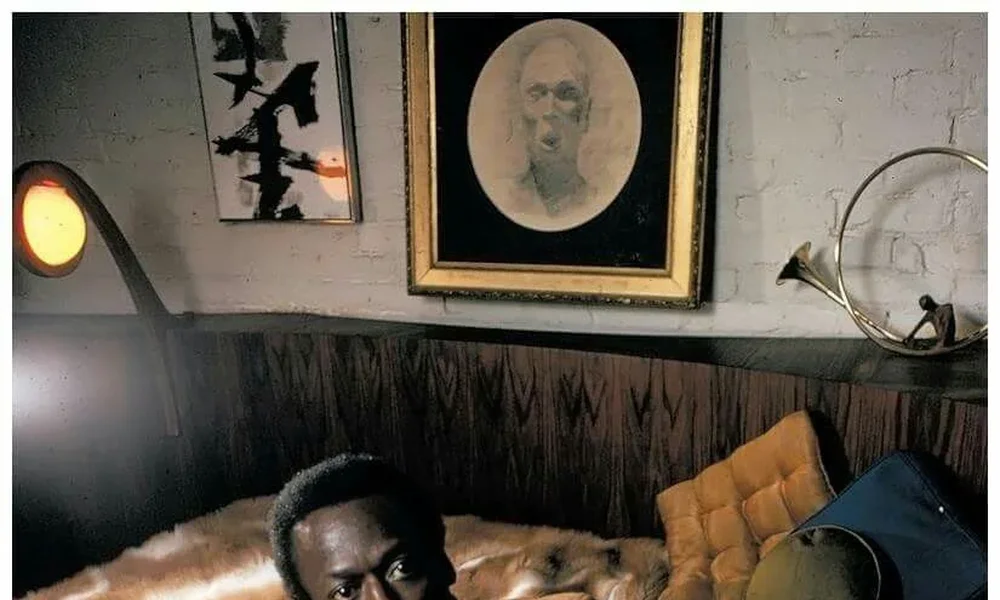
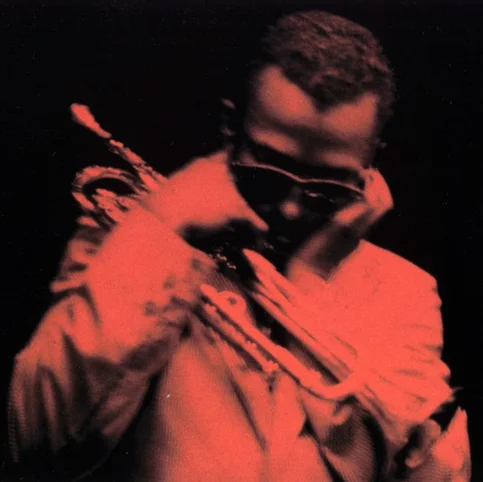
Miles Davis, a towering figure in the world of jazz, left an indelible mark on the genre and on the broader cultural landscape. Born in 1926, Davis’s career spanned several decades, during which he continually reinvented himself and the music he played. Known for his innovative trumpet playing, his compositional skills, and his leadership in forming groundbreaking ensembles, Davis remains one of the most influential musicians of the 20th century. His contributions to jazz, fusion, and beyond have inspired generations of artists and continue to be studied and celebrated today.
PERSONAL INFORMATION
| Name | Miles Davis |
|---|---|
| Date of Birth | 26 May 1926 |
| Age at Death | 65 Years |
| Zodiac Sign | Gemini |
| Date of Death | 28 September 1991 |
| Place of Birth | Alton |
| Place of Death | Santa Monica |
| Nationality | United States |
| Languages Spoken | English |
| Ethnicity | African Americans |
| Gender | Male |
| Native Name | Miles Davis |
| Native Language | American English |
FAMILY
| Father | Miles Henry Davis |
|---|---|
| Spouse | Frances Taylor Davis, Betty Davis, Cicely Tyson |
EDUCATION
| Educated At | Juilliard School, East St. Louis Lincoln High School |
|---|
CAREER
| Profession | composer, trumpeter, bandleader, conductor, autobiographer, jazz musician, actor, songwriter, film score composer, musician, television actor, recording artist, orchestra leader |
|---|---|
| Instruments | trumpet, synthesizer, organ, flugelhorn |
| Genre | jazz, bebop, cool jazz, hard bop, modal jazz, jazz fusion |
| Record Label | Prestige, ACT Music, Capitol Records, Columbia Records, Philips Records, Fontana Records |
| Work Period Start | 1944 |
| Member Of | The Miles Davis Sextet, Miles Davis Quintet, The Miles Davis Quartet, Miles Davis All Stars |
| Work Period End | 1991 |
| Awards Received | Léonie Sonning Music Prize, honorary doctorate of Paris Nanterre University, Grammy Lifetime Achievement Award, American Book Awards, Rock and Roll Hall of Fame, Paul Acket Award, star on Hollywood Walk of Fame, MOJO Awards, NEA Jazz Masters |
SOCIAL MEDIA & LINKS
| Official Website | https://www.milesdavis.com |
|---|---|
| IMDB ID | nm0002537 |
| MilesDavis | |
| @milesdavis | |
| YouTube Channel | UCIev2PktTH5mI-QlGmbUkiw, UC1ZS17c0DlqUjsXZK3K_bgA |
| @milesdavis | |
| Wikipedia | Wikipedia |
Cost of becoming
The path to becoming one of the most celebrated jazz musicians in history was not without its costs for Miles Davis. Growing up in East St. Louis, Illinois, Davis faced the challenges of racial discrimination and the economic hardships of the Great Depression. Despite these obstacles, his dedication to music and his relentless pursuit of perfection drove him forward. The financial strain of pursuing his musical career, the physical toll of relentless touring, and the personal toll of his battles with addiction all contributed to the high cost of his transformation into a legendary artist. Yet, through it all, Davis’s unwavering commitment to his art remained unbroken.
Identity before fame
Before his rise to fame, Miles Davis was a young trumpet player with a deep passion for music. Born into a relatively affluent family, Davis was exposed to a wide range of cultural influences from an early age. His father, a dentist and musician, encouraged his musical talents, and Davis began playing the trumpet at the age of 13. He quickly developed a reputation as a talented musician in his local community, performing in church bands and school orchestras. His early experiences with the blues and jazz, particularly the influence of Charlie Parker, shaped his musical identity and laid the foundation for his future success.
Timeline
- 1926: Miles Davis is born in Alton, Illinois, on May 26.
- 1935: Begins playing the trumpet at the age of 9.
- 1944: Moves to New York City to attend the Juilliard School of Music.
- 1945: Forms his first quartet with Charlie Parker, starting a significant collaboration.
- 1949: Releases the influential album “Birth of the Cool,” which introduces the cool jazz style.
- 1958: Releases the album “Miles Ahead,” featuring the Gil Evans Orchestra.
- 1960: Forms the First Great Quintet with John Coltrane, Cannonball Adderley, Paul Chambers, and Philly Joe Jones.
- 1969: Releases the groundbreaking album “In a Silent Way,” marking the beginning of his fusion period.
- 1972: Releases “On the Corner,” an album that further pushes the boundaries of jazz and fusion.
- 1991: Dies on September 28 in Santa Monica, California.
Favourites
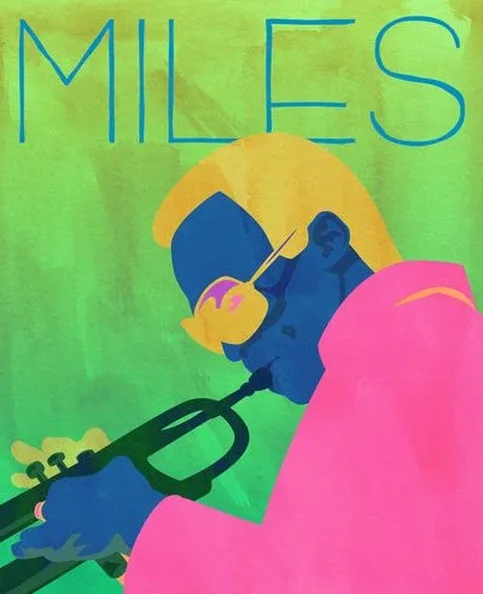
- Favorite Instrument: Trumpet
- Favorite Musical Style: Jazz, particularly bebop and cool jazz
- Favorite Collaborators: Charlie Parker, John Coltrane, Gil Evans, Herbie Hancock
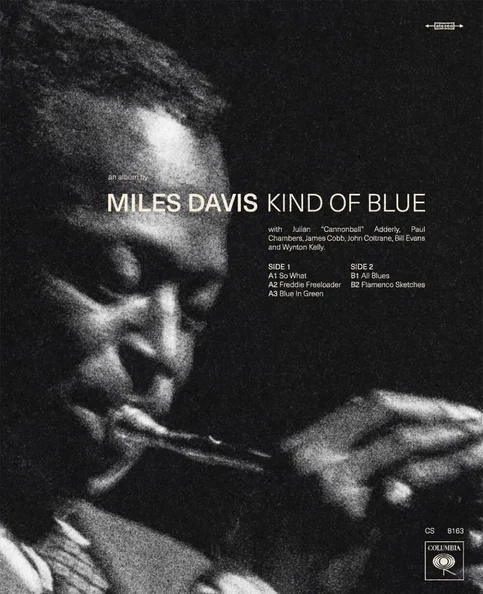
- Favorite Albums: “Kind of Blue,” “Bitches Brew,” “In a Silent Way”
- Favorite Compositions: “So What,” “All Blues,” “Freddie Freeloader”
- Favorite Venues: Birdland, the Village Vanguard, Fillmore West
- Favorite Books: “The Autobiography of Malcolm X,” “The Prophet” by Kahlil Gibran
- Favorite Films: “The Man with the Golden Arm,” “Paris Blues”
- Favorite Artists: Pablo Picasso, Jackson Pollock
- Favorite Cities: New York City, Paris, Tokyo
Controversies
- Drug Addiction: Davis battled with heroin addiction in the early 1950s, which affected his performances and personal life.
- Alcohol Abuse: His heavy drinking was a constant issue throughout his life, leading to health problems and erratic behavior.
- Domestic Violence: Allegations of physical abuse towards his ex-wife Frances Davis and girlfriend Cicely Tyson.
- Racial Tensions: Davis was known for his outspokenness on racial issues, often clashing with authority figures and facing discriminatory treatment.
- Professional Feuds: Conflicts with other musicians and band members, including John Coltrane and Gil Evans.
- Financial Disputes: Legal battles over record royalties and contractual obligations.
- Artistic Differences: Criticism from purists for his experiments with fusion and electronic music.
- Personal Conduct: Known for his sometimes abrasive and confrontational personality, leading to strained relationships with colleagues and fans.
- Health Issues: Public discussions about his health struggles, including a stroke and other medical conditions.
- Political Stances: His support for controversial figures and movements, such as his endorsement of Fidel Castro and his critical views on American politics.
Control vs chaos
Miles Davis’s life and music were a constant negotiation between control and chaos. On one hand, he was a meticulous and perfectionist artist, often spending hours in the studio to get every note and every arrangement just right. His attention to detail and his insistence on high standards were legendary. On the other hand, Davis’s personal life was often marked by chaos and turmoil, from his struggles with addiction to his tumultuous relationships. This dichotomy is reflected in his music, where structured compositions seamlessly blend with improvisational freedom, creating a unique and compelling sound that has stood the test of time.
Emotional geography
The emotional geography of Miles Davis’s life is a complex landscape of highs and lows. From the joy and creativity of his early collaborations with Charlie Parker and the innovation of his quintets, to the darkness of his addiction and the strain of his personal relationships, Davis’s emotional journey is a reflection of his deep connection to his art. His music, often deeply emotional and introspective, serves as a map of his inner world, revealing the pain, the passion, and the profound sense of purpose that drove him throughout his career. Despite the challenges he faced, Davis’s music remains a testament to his resilience and his unyielding spirit.
FAQs
-
Who was Miles Davis?
Miles Davis was an American jazz trumpeter, bandleader, and composer, widely considered one of the most influential musicians of the 20th century. Born in 1926, he played a pivotal role in the development of jazz, fusion, and other genres.
-
What are some of Miles Davis’s most famous albums?
Some of Miles Davis’s most famous albums include “Kind of Blue,” “Bitches Brew,” “In a Silent Way,” “Miles Ahead,” and “Porgy and Bess.”
-
What was the “Birth of the Cool” album?
“Birth of the Cool” is a compilation album that features recordings made by Miles Davis and his nonet between 1949 and 1950. It is known for its introduction of the cool jazz style and its innovative arrangements.
-
Who were some of Miles Davis’s key collaborators?
Miles Davis collaborated with many influential musicians, including Charlie Parker, John Coltrane, Gil Evans, Herbie Hancock, Wayne Shorter, and Tony Williams.
-
What was Miles Davis’s approach to composition?
Davis was known for his innovative and experimental approach to composition. He often used modal scales, avoided traditional chord progressions, and emphasized improvisation, creating a unique and influential style.
-
How did Miles Davis influence the development of jazz?
Davis’s influence on jazz is vast. He helped develop the cool jazz movement, spearheaded the modal jazz approach with “Kind of Blue,” and pioneered the fusion genre with albums like “Bitches Brew.” His constant innovation and willingness to push boundaries transformed the genre.
-
What were Miles Davis’s struggles with addiction?
Miles Davis battled with heroin addiction in the early 1950s and struggled with alcohol abuse throughout his life. These issues significantly impacted his personal and professional life, though he eventually overcame his heroin addiction.
-
How did Miles Davis’s personal life affect his music?
Davis’s personal life, marked by both triumphs and struggles, deeply influenced his music. His battles with addiction and personal conflicts often fueled his artistic expression, leading to some of his most emotionally powerful and innovative works.
-
What were some of Miles Davis’s notable performances?
Notable performances include his appearances at the Newport Jazz Festival, his residency at the Village Vanguard, and his groundbreaking sets at festivals like the 1969 Isle of Wight Festival.
-
How did Miles Davis’s relationship with Gil Evans impact his music?
His collaboration with Gil Evans resulted in some of his most critically acclaimed works, including “Miles Ahead,” “Porgy and Bess,” and “Sketches of Spain.” Evans’s arrangements helped Davis explore new textures and sounds, expanding his musical palette.
-
What was the impact of Miles Davis’s fusion period?
The fusion period, marked by albums like “In a Silent Way” and “Bitches Brew,” was a radical departure from traditional jazz. It combined elements of rock, funk, and electronic music, opening up new possibilities for the genre and influencing countless artists.
-
What was Miles Davis’s legacy?
Miles Davis’s legacy is immense. He is remembered as a musical innovator, a cultural icon, and a trailblazer who pushed the boundaries of jazz and beyond. His influence continues to be felt in the music world, inspiring new generations of musicians and listeners.
-
How did Miles Davis address social and political issues through his music?
While not overtly political, Davis’s music often reflected the social and political climate of his time. His albums and performances provided a platform for expressing the struggles and hopes of African Americans, and he used his platform to speak out against racial injustice.
-
What was Miles Davis’s impact on other genres?
Beyond jazz, Davis’s influence extended to rock, funk, and electronic music. His fusion experiments and innovative use of technology inspired countless artists outside of the jazz world, contributing to the evolution of these genres.