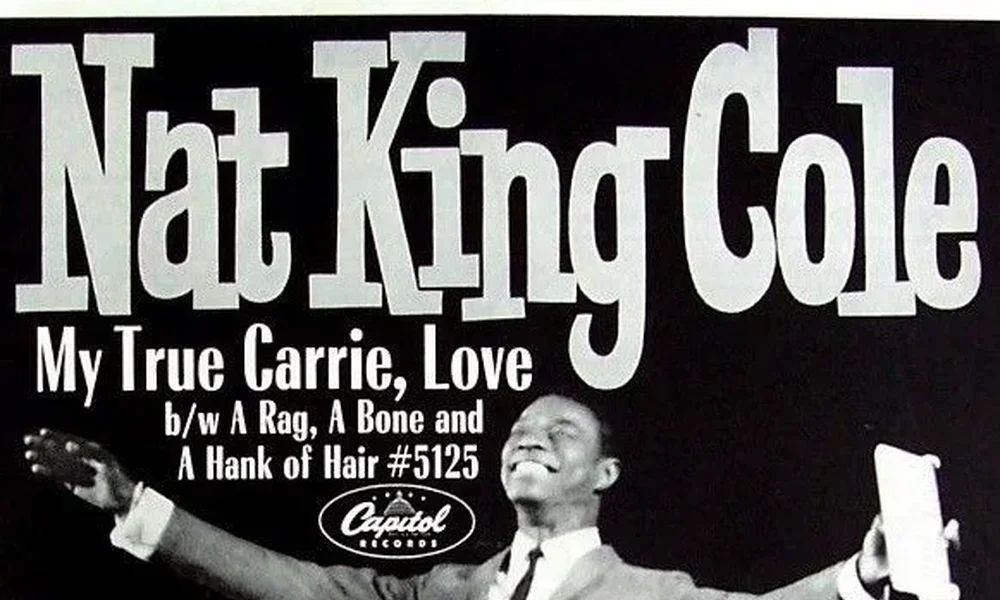
Nat King Cole, born Nathaniel Adams Coles, was one of the most influential and beloved figures in American music. His smooth baritone voice, impeccable piano skills, and charismatic stage presence made him a household name in the mid-20th century. Beyond his musical prowess, Cole was a trailblazer who broke racial barriers and inspired generations of artists. Despite the challenges he faced during a time of significant racial discrimination, his legacy endures as a symbol of elegance, talent, and perseverance. This article delves into Nat King Cole’s life, his journey from humble beginnings to international stardom, and the impact he had on music and society.
PERSONAL INFORMATION
| Name | Nat King Cole |
|---|---|
| Gender | Male |
| Date of Birth | 17 March 1919 |
| Age at Death | 45 Years |
| Zodiac Sign | Pisces |
| Date of Death | 15 February 1965 |
| Place of Birth | Montgomery |
| Place of Death | Santa Monica |
| Nationality | United States |
| Birth Name | Nathaniel Adams Coles |
| Languages Spoken | English |
| Residence | Michigan Boulevard Garden Apartments |
| Signature |  |
| Native Language | English |
| Ethnicity | African Americans |
FAMILY
| Children | Natalie Cole |
|---|---|
| Siblings | Freddy Cole, Eddie Cole, Ike Cole |
| Spouse | Maria Cole |
EDUCATION
| Educated At | Wendell Phillips Academy High School |
|---|
CAREER
| Profession | singer-songwriter, pianist, actor, jazz musician, jazz guitarist, television actor, musician |
|---|---|
| Voice Type | baritone |
| Awards Received | Grammy Lifetime Achievement Award, star on Hollywood Walk of Fame, Rock and Roll Hall of Fame, Latin Grammy Hall of Fame |
| Instruments | piano, organ, guitar, voice |
| Genre | jazz |
| Record Label | Capitol Records, Decca, Ammor |
| Work Period Start | 1934 |
| Member Of | The King Cole Trio |
SOCIAL MEDIA & LINKS
| IMDB ID | nm0170713 |
|---|---|
| natkingcole | |
| Official Website | http://www.natkingcole.com/ |
| YouTube Channel | UCirPLQsYtHWBmalEbX1LcAA |
| Wikipedia | Wikipedia |
Cost of becoming
Nat King Cole’s rise to fame was not without its costs. Born in 1919 in Montgomery, Alabama, Cole grew up in a era of rampant racial segregation and discrimination. His family moved to Chicago when he was a child, and it was there that he began to develop his musical talents. Despite the economic hardships and social challenges, Cole’s dedication to music was unwavering. He practiced relentlessly, often forgoing sleep and leisure time to hone his skills. The financial strain of pursuing a career in music was significant, but Cole’s passion and determination drove him forward. His early gigs in clubs and vaudeville shows were low-paying, and he often faced racial prejudice from audiences and fellow musicians. However, Cole’s grit and resilience allowed him to rise above these obstacles and achieve international stardom.
Identity before fame
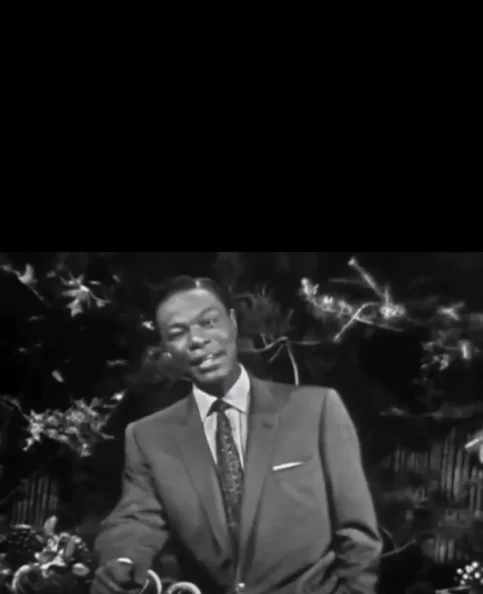
Before he became a household name, Nat King Cole was Nathaniel Adams Coles, the son of a Baptist minister and a former schoolteacher. Growing up in Chicago’s South Side, Cole was exposed to a rich musical environment that included jazz, blues, and gospel. His father, Edward James Coles, and his mother, Perlina Adams Coles, instilled in him a strong sense of discipline and a love for music. Cole began playing the piano at a young age, often practicing at his father’s church. His early musical influences included the likes of Earl Hines and Louis Armstrong. While still in his teens, Cole formed a jazz quartet and began performing in local clubs. These early experiences shaped his musical identity and laid the foundation for his future success.
Timeline
- 1919: Born on March 17 in Montgomery, Alabama.
- 1923: Moved with his family to Chicago, Illinois.
- 1932: At the age of 15, formed his first band, the Royal Dukes.
- 1937: Joined the national touring production of the Broadway musical “Shuffle Along.”
- 1939: Formed the King Cole Trio with Oscar Moore and Wesley Prince.
- 1943: Recorded “Straighten Up and Fly Right,” which became his first major hit.
- 1946: Signed a recording contract with Capitol Records.
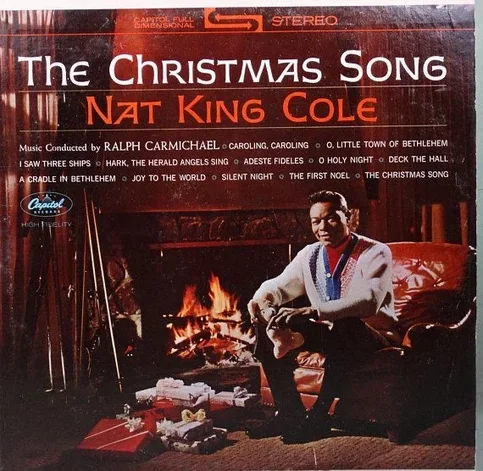
- 1951: Released his first full-length album, “The Christmas Song (Chestnuts Roasting on an Open Fire).”
- 1956: Became the first African American to host a television variety show, “The Nat King Cole Show.”
- 1965: Died on February 15 in Santa Monica, California, from lung cancer.
Favourites
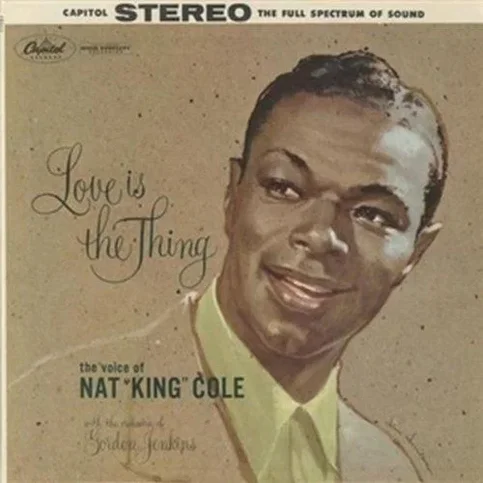
- Favorite Song: “Unforgettable” (1951)
- Favorite Piano Player: Earl Hines
- Favorite Band: The King Cole Trio
- Favorite City: Los Angeles, California
- Favorite Hobby: Golfing
- Favorite Food: Southern Fried Chicken
- Favorite Movie: “Gone with the Wind” (1939)
- Favorite Book: “Pride and Prejudice” by Jane Austen
- Favorite Artist: Louis Armstrong
- Favorite Songwriter: Johnny Mercer
Controversies
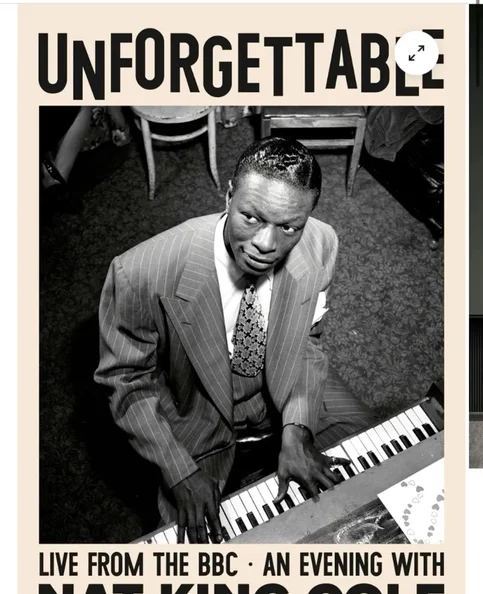
- Racial Segregation: Cole faced significant racial discrimination, particularly in the South, where he and his band were often denied entry to hotels and restaurants.
- Television Cancellation: “The Nat King Cole Show” was canceled after one season due to a lack of sponsors, despite its popularity, largely because of racial prejudice.
- Integration Efforts: In 1956, Cole purchased a home in an all-white neighborhood in Los Angeles, leading to protests and threats from racist groups.
- Civil Rights Stance: Cole was criticized by some in the African American community for not being more vocal about civil rights issues, although he did support the movement in his own way.
- Alcohol and Smoking: Cole was a heavy smoker and drinker, which contributed to his health issues and eventual early death from lung cancer.
- Marriage and Family: His marriage to Nadine Robinson was short-lived and controversial, as it was not well-received by his family and friends.
- Political Affiliations: Cole was accused of being too close to the Eisenhower administration, which some saw as a betrayal of his community.
- Collaborations with White Artists: Some criticized Cole for collaborating with predominantly white artists and producers, suggesting he was not doing enough to support black musicians.
- Public Appearances: Cole was often heckled and faced hostile crowds, particularly in the South, but he continued to perform with dignity and grace.
- Media Representation: Some critics felt that Cole’s polished image and demeanor on television and in films did not accurately represent the struggles of African Americans during the civil rights era.
Control vs chaos
Nat King Cole’s life was a constant balancing act between control and chaos. His disciplined approach to music and his professional demeanor helped him navigate the turbulent waters of the entertainment industry and the racial tensions of his time. Cole was known for his meticulous preparation and attention to detail, whether it was in his performances or his recordings. He carefully curated his image as a sophisticated and elegant performer, which helped him gain acceptance and respect from audiences of all backgrounds. However, this control also had its price. Cole often had to suppress his personal feelings and opinions to maintain his public image, which could be emotionally taxing. Despite the chaos and adversity he faced, Cole’s ability to maintain control and remain gracious under pressure is a testament to his strength and character.
Emotional geography
Nat King Cole’s emotional geography was shaped by his deep connection to his roots and his profound love for music. Growing up in Chicago’s South Side, he was surrounded by the vibrant sounds of jazz, blues, and gospel, which became the foundation of his musical identity. Despite the challenges and hardships he faced, Cole’s music always reflected a sense of warmth, optimism, and resilience. His performances were not just about entertainment; they were a way for him to connect with his audience on a deeper emotional level. Whether he was singing a love song or a heartfelt ballad, Cole’s music conveyed a sense of authenticity and emotional depth that resonated with people from all walks of life. His emotional geography was a complex tapestry of joy, sorrow, and hope, woven together through the power of his music.
FAQs
-
Who was Nat King Cole?
Nat King Cole was an American singer and pianist who became one of the most influential figures in American music during the mid-20th century. He is best known for his smooth baritone voice and his contributions to the jazz and pop genres.
-
When was Nat King Cole born?
Nat King Cole was born on March 17, 1919, in Montgomery, Alabama.
-
What is Nat King Cole’s most famous song?
One of Nat King Cole’s most famous songs is “Unforgettable,” which was released in 1951 and became a classic. Other notable hits include “The Christmas Song (Chestnuts Roasting on an Open Fire)” and “Mona Lisa.”
-
What was Nat King Cole’s first hit?
Nat King Cole’s first major hit was “Straighten Up and Fly Right,” which was released in 1943 and became a significant success for the King Cole Trio.
-
What was the King Cole Trio?
The King Cole Trio was a jazz group formed by Nat King Cole, guitarist Oscar Moore, and bassist Wesley Prince. They were known for their smooth, sophisticated sound and contributed to Cole’s early success.
-
Did Nat King Cole have any other talents besides singing and playing the piano?
Yes, Nat King Cole was also a talented actor and appeared in several films. He had a natural charm and charisma that made him a popular figure both on and off the stage.
-
What challenges did Nat King Cole face during his career?
Nat King Cole faced significant racial discrimination throughout his career. He was often denied entry to hotels and restaurants, and his television show, “The Nat King Cole Show,” was canceled due to a lack of sponsors, largely because of racial prejudice.
-
What was Nat King Cole’s contribution to the civil rights movement?
While Nat King Cole was not as vocal about civil rights issues as some of his contemporaries, he did use his platform to promote racial equality and support the movement in various ways. His presence and success in the entertainment industry helped break down racial barriers.
-
What was the significance of “The Nat King Cole Show”?
“The Nat King Cole Show” was significant because it was the first nationally televised variety show hosted by an African American. Despite its popularity, it faced challenges and was ultimately canceled after one season due to a lack of sponsors, highlighting the racial prejudices of the time.
-
What was Nat King Cole’s family life like?
Nat King Cole was married to Nadine Robinson for a short time and later to Maria Ellington. He had five children, including three daughters and two sons. His family was a significant part of his life and provided him with emotional support.
-
What legacy did Nat King Cole leave behind?
Nat King Cole left a lasting legacy as a pioneering musician who broke racial barriers and inspired generations of artists. His music continues to be celebrated and his influence is felt in various genres of music today.
-
What was Nat King Cole’s influence on the music industry?
Nat King Cole’s influence on the music industry is profound. He revolutionized the way jazz and pop music were performed and recorded, and his smooth, crooning style set a new standard for vocalists. His success paved the way for many other African American artists.
-
What health issues did Nat King Cole face?
Nat King Cole was a heavy smoker and drinker, which contributed to his declining health. He died on February 15, 1965, from lung cancer at the age of 45.
-
How is Nat King Cole remembered today?
Nat King Cole is remembered as a iconic figure in American music. His timeless songs and elegant style continue to inspire and influence musicians and music lovers around the world. His life and legacy are celebrated through various tributes, including the Nat King Cole Generation Hope organization, which helps young people pursue their musical dreams.
Nat King Cole’s life was a remarkable journey from a young boy in Chicago to a global music icon. His music transcended racial and cultural boundaries, touching the hearts of millions. Despite the challenges he faced, Cole’s legacy as a musician, performer, and trailblazer endures, continuing to inspire generations of artists and music lovers alike.