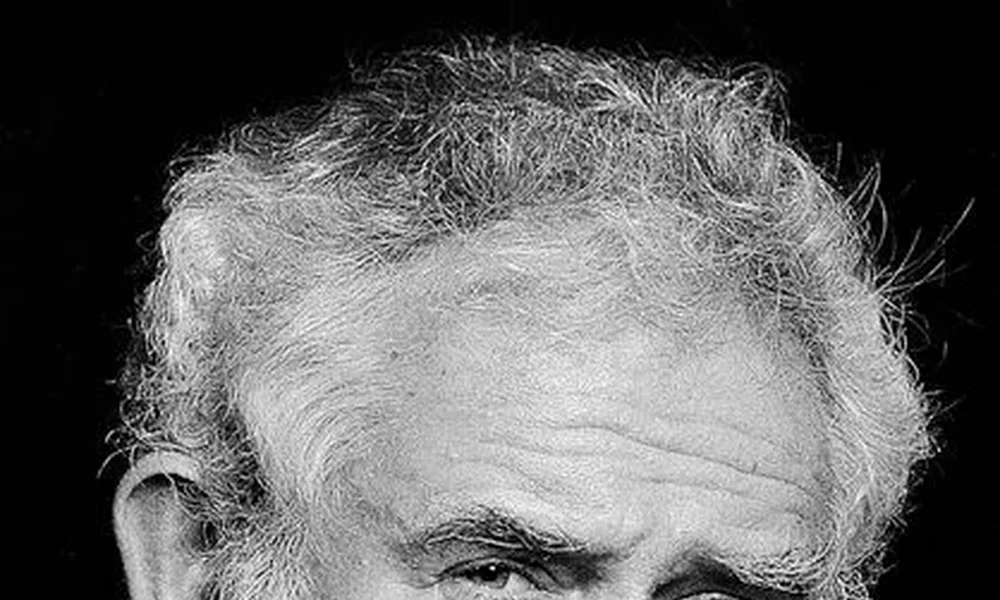
Norman Mailer, an American novelist, journalist, essayist, and cultural critic, left an indelible mark on 20th-century literature. His prolific career spanned over six decades, during which he produced a diverse array of works that often blurred the lines between fiction and non-fiction. Mailer’s unapologetic and often controversial style made him a significant voice in the literary world, challenging societal norms and pushing the boundaries of what was considered acceptable in literature. His works, including “The Naked and the Dead” and “The Executioner’s Song,” are celebrated for their raw, unfiltered insights into the human condition. Mailer’s complex personality and public persona often overshadowed his literary achievements, making him a figure of both admiration and controversy.
PERSONAL INFORMATION
| Name | Norman Mailer |
|---|---|
| Gender | Male |
| Date of Birth | 31 January 1923 |
| Age at Death | 84 Years |
| Zodiac Sign | Aquarius |
| Date of Death | 10 November 2007 |
| Place of Birth | Long Branch |
| Place of Death | New York City |
| Nationality | United States |
| Ethnicity | Jewish people |
| Birth Name | Norman Kingsley Mailer |
| Religion | Judaism |
| Residence | New Jersey, Provincetown, Long Branch, Brooklyn |
| Native Name | Norman Kingsley Mailer |
| Languages Spoken | English |
| Signature |  |
| Native Language | English |
FAMILY
| Spouse | Adele Morales, Jeanne Campbell, Norris Church Mailer, Bea Silverman, Beverly Rentz Bentley, Carol Stevens |
|---|---|
| Children | Stephen Mailer, John Buffalo Mailer, Kate Mailer, Michael Mailer, Danielle Mailer, Elizabeth Anne Mailer, Maggie Alexandra Mailer, Susan Mailer |
| Father | Isaac Barnett Mailer |
| Mother | Fanny Schneider |
EDUCATION
| Educated At | University of Paris, Harvard University, Boys High School, Boys and Girls High School |
|---|
CAREER
| Profession | journalist, actor, film director, screenwriter, novelist, essayist, writer, playwright, poet, film producer, film editor, historian, biographer, stage actor |
|---|---|
| Awards Received | National Book Award, George Polk Award, PEN Oakland/Josephine Miles Literary Award, Pulitzer Prize for General Nonfiction, Pulitzer Prize for Fiction, Helmerich Award, Emerson-Thoreau Medal, Legion of Honour, Commandeur des Arts et des Lettres, Fellow of the American Academy of Arts and Sciences, Golden Raspberry Award for Worst Director, star on Playwrights’ Sidewalk |
| Member Of | American Academy of Arts and Letters, American Academy of Arts and Sciences, The 8th Street Club |
| Nominations | National Book Award for Fiction, Pulitzer Prize for Fiction, Primetime Emmy Award for Outstanding Writing for a Miniseries, Movie or a Dramatic Special, Hammett Prize, Neustadt International Prize for Literature, Golden Raspberry Award for Worst Director, Golden Raspberry Award for Worst Screenplay |
Cost of becoming
The path to becoming a literary giant was not an easy one for Norman Mailer. Born into a Jewish family in Long Branch, New Jersey, Mailer’s early life was marked by a deep intellectual curiosity and a passion for writing. Despite facing numerous rejections and criticisms, he persisted, driven by an unyielding desire to capture the complexities of the human experience. His breakthrough came with “The Naked and the Dead,” which was not only a critical success but also a commercial one, catapulting him to national prominence. However, the cost of his success was high, as Mailer often found himself embroiled in personal and professional controversies that tested his resolve and resilience.

Identity before fame
Before he became a household name, Norman Mailer was a young, ambitious writer with a keen interest in the world around him. His early years were spent in Brooklyn, where he attended public schools and developed a love for literature and writing. Mailer’s formative experiences included serving in the U.S. Army during World War II, an experience that profoundly influenced his worldview and later writings. His time in the military provided him with a unique perspective on human nature and societal structures, which he explored in his debut novel, “The Naked and the Dead.” This early work laid the foundation for his literary career and established him as a voice worth listening to.
Timeline
- 1923: Norman Kingsley Mailer is born on January 31 in Long Branch, New Jersey.
- 1943: Mailer enlists in the U.S. Army and serves during World War II, an experience that deeply influences his writing.
- 1948: His debut novel, “The Naked and the Dead,” is published to critical acclaim, establishing him as a major literary figure.
- 1955: Mailer co-founds The Village Voice, a groundbreaking alternative newspaper that challenges mainstream media.
- 1962: He gains notoriety for his essays, including “Superman Comes to the Supermarket,” a scathing critique of John F. Kennedy’s inauguration.
- 1968: Mailer’s non-fiction work, “The Armies of the Night,” wins the Pulitzer Prize and the National Book Award.
- 1973: He is arrested for public intoxication and disorderly conduct during a protest against the Vietnam War.
- 1979: Mailer’s “The Executioner’s Song” wins the Pulitzer Prize, solidifying his status as a master of non-fiction.
- 1980: He separates from his fifth wife, Norris Church, and the divorce proceedings become a media sensation.
- 2007: Norman Mailer dies on November 10 in New York City, leaving behind a legacy of groundbreaking literature and cultural commentary.

Favourites
- Book: “The Naked and the Dead” (his debut novel)
- Historical Figure: Ernest Hemingway (for his impact on modern American literature)
- City: Paris (a source of inspiration and a place he often visited)
- Topic: War and its impact on society
- Writer: F. Scott Fitzgerald (for his insightful portrayal of American life)
- Activity: Boxing (a personal interest that he often wrote about)
- Genre: Non-fiction (which he used to explore complex social issues)
- Movie: “On the Waterfront” (for its raw and poignant storytelling)
- Music: Jazz (which he considered a form of spontaneous expression)
- Food: Steak (a simple but satisfying favorite)
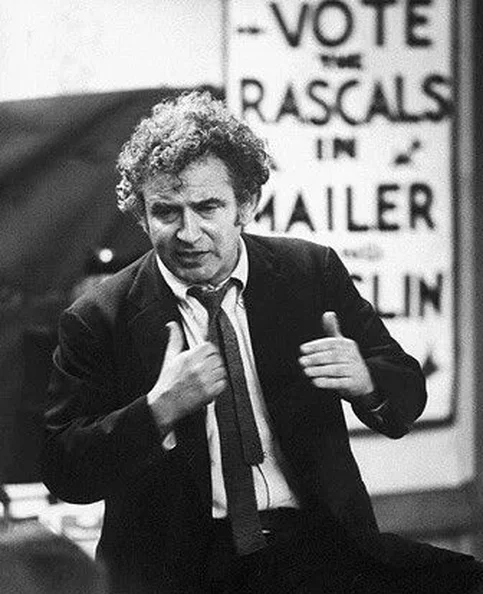
Controversies
- 1957: Mailer is arrested for stabbing his second wife, Adele Morales, during a party, which leads to a temporary separation and a court order.
- 1968: His essay “The White Negro” is criticized for its racial insensitivity and Romanticization of violence.
- 1974: Mailer’s book “Marilyn” is accused of being exploitative and insensitive to the late actress’s struggles with mental health and addiction.
- 1987: He is sued by the family of Gary Gilmore, the subject of “The Executioner’s Song,” for defamation of character.
- 1997: Mailer’s public feud with Gore Vidal, another prominent literary figure, is well-documented and highly publicized.
- 2003: His comments on的姿态问题,我们将继续使用英语。
2003: His comments on race and gender in interviews are criticized as being inflammatory and outdated.
- 2005: Mailer’s support for Norman Podhoretz, a controversial political figure, leads to accusations of ideological blindness.
- 2006: His book “The Castle in the Forest” is criticized for its sympathetic portrayal of Adolf Hitler’s childhood.
- 2007: His final book, “On God: An Uncommon Conversation,” sparks debate for its unconventional religious perspectives.
Control vs Chaos
Throughout his career, Norman Mailer grappled with the tension between control and chaos. His writing often reflected this internal struggle, showcasing the fine line between order and disorder. In his non-fiction works, such as “The Armies of the Night,” Mailer meticulously documented the chaos of protest and political upheaval, while in his novels, he explored the controlled madness of war and personal conflict. This duality was not only evident in his literary output but also in his personal life, where he often found himself at the center of controversial events that tested his ability to maintain control in the face of chaos.
Emotional Geography
Mailer’s emotional geography was vast and varied, reflecting his deep engagement with the human experience. His works often delved into the darkest and most complex aspects of human emotion, from the brutal realities of war to the intimate struggles of personal relationships. This emotional depth was a hallmark of his writing, allowing readers to connect with his characters on a profound level. Despite his controversial public persona, Mailer’s emotional landscape was rich and multifaceted, revealing the intricate connections between the individual and the broader societal context.
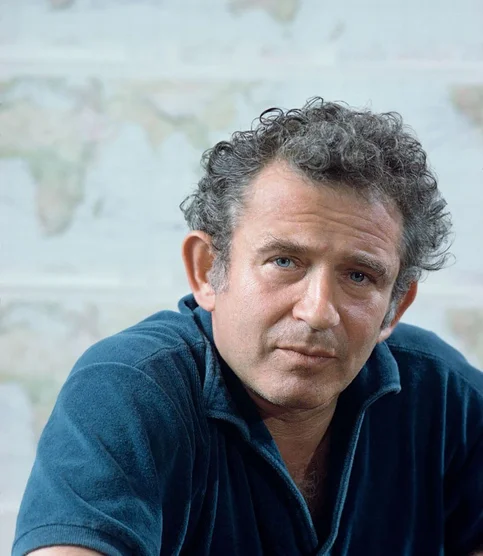
FAQs
-
What is Norman Mailer best known for?
Mailer is best known for his novels “The Naked and the Dead” and “The Executioner’s Song,” as well as his non-fiction works like “The Armies of the Night.” These works are celebrated for their raw, unfiltered insights into the human condition and their exploration of complex social issues.
-
How did Norman Mailer start his career?
Mailer began his career as a young writer with a passion for literature. He gained national recognition with his debut novel, “The Naked and the Dead,” which was published in 1948 and drew on his experiences as a soldier in World War II.
-
What was Norman Mailer’s role in founding The Village Voice?
In 1955, Mailer co-founded The Village Voice, an alternative newspaper that became a platform for challenging mainstream media and promoting politically and socially progressive ideas.
-
How did Norman Mailer’s personal life affect his writing?
Mailer’s personal life, marked by multiple marriages and public controversies, deeply influenced his writing. His experiences and personal struggles often served as a wellspring of inspiration, providing a rich emotional and psychological depth to his work.
-
What were some of Norman Mailer’s notable essays?
Mailer wrote several influential essays, including “Superman Comes to the Supermarket,” “The White Negro,” and “The Prisoner of Sex.” These essays are known for their provocative and often controversial commentary on American society and culture.
-
How did Norman Mailer’s views on gender and race evolve over time?
Mailer’s views on gender and race were often subject to criticism and controversy. While he addressed these issues in his writing, his perspectives evolved over time, reflecting the changing social and cultural landscape of the 20th century.
-
What was Norman Mailer’s relationship with other literary figures of his time?
Mailer had a complex relationship with other literary figures of his time, including William Styron and Gore Vidal. These relationships were often marked by both collaboration and intense rivalry, contributing to the rich tapestry of American literature.
-
How did Norman Mailer’s military service influence his writing?
Mailer’s service in the U.S. Army during World War II had a profound impact on his writing. His experiences in the military provided a deep understanding of the human condition and the complexities of war, which he explored in works like “The Naked and the Dead.”
-
What were some of Norman Mailer’s notable non-fiction works?
In addition to “The Armies of the Night,” Mailer’s non-fiction works include “The Executioner’s Song,” “Marilyn,” and “The Fight.” These books are celebrated for their detailed and nuanced exploration of real-life events and figures.
-
How did Norman Mailer’s writing style change over the years?
Mailer’s writing style evolved significantly over the years. Early in his career, his style was characterized by a raw, unfiltered realism. Later works often incorporated more philosophical and psychological themes, reflecting his growing interest in the deeper aspects of human experience.
-
What was Norman Mailer’s stance on the Vietnam War?
Mailer was a vocal critic of the Vietnam War and participated in anti-war protests. His non-fiction work, “The Armies of the Night,” chronicled his involvement in these protests and his reflections on the era’s political and social upheaval.
-
How did Norman Mailer’s personal controversies impact his literary legacy?
While Mailer’s personal controversies often overshadowed his literary achievements, they also contributed to his enduring legacy. His willingness to engage with controversial topics and his complex personality made him a polarizing but influential figure in American literature.
-
What are some of Norman Mailer’s lesser-known works?
Some of Mailer’s lesser-known works include “An American Dream,” “Why Are We in Vietnam?,” and “Harlot’s Ghost.” These works, while not as widely recognized as his major novels, offer valuable insights into his creative evolution and thematic interests.
-
How has Norman Mailer’s legacy been remembered and celebrated?
Mailer’s legacy is remembered and celebrated through the Norman Mailer Center and Writers Colony, which continues to promote and support literary arts. His works are studied in academic institutions and continue to influence contemporary writers and thinkers.
Norman Mailer’s life and work represent a complex blend of literary brilliance and personal turmoil. His impact on American literature and cultural discourse is immeasurable, and his legacy continues to inspire and challenge readers and writers alike. Despite the controversies that often defined his public persona, Mailer’s unflinching commitment to exploring the human condition in all its complexity ensures his place as one of the most significant writers of the 20th century.