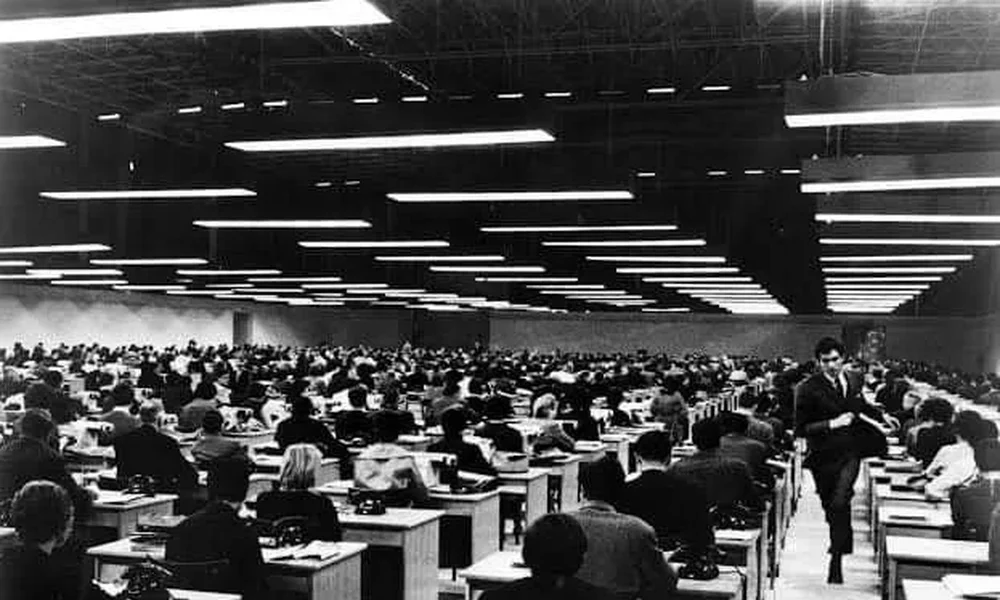
Orson Welles, a towering figure in the world of cinema, theater, and radio, left an indelible mark on the 20th century. Born on May 6, 1915, in Kenosha, Wisconsin, Welles’s multifaceted talent and innovative approach to storytelling made him a legend in his own time. His career spanned several decades, during which he directed, produced, and starred in some of the most groundbreaking works in the history of media. Despite facing numerous challenges and controversies, Welles’s influence on the arts remains unparalleled. From his early days as a prodigy to his later years as a revered icon, Welles’s life was a testament to the power of creativity and perseverance.
PERSONAL INFORMATION
| Name | Orson Welles |
|---|---|
| Signature |  |
| Place of Birth | Kenosha |
| Place of Death | Los Angeles |
| Nationality | United States |
| Date of Birth | 06 May 1915 |
| Age at Death | 70 Years |
| Zodiac Sign | Taurus |
| Date of Death | 10 October 1985 |
| Religion | Christianity, atheism |
| Languages Spoken | English |
| Gender | Male |
| Birth Name | George Orson Welles |
| Native Name | Orson Welles |
| Native Language | English |
PHYSICAL STATISTICS
| Height (in centimeters) | 183 cm |
|---|---|
| Height (in meters) | 1.83 m |
| Height (in feet inches) | 6′ 0″ |
FAMILY
| Spouse | Rita Hayworth, Paola Mori, Virginia Nicolson |
|---|---|
| Children | Beatrice Welles, Rebecca Welles, Chris Welles Feder |
| Partner | Oja Kodar, Dolores del Rio |
| Father | Richard Head Welles |
| Mother | Beatrice Ives Welles |
EDUCATION
| Educated At | Todd Seminary for Boys, School of the Art Institute of Chicago |
|---|
CAREER
| Profession | film director, actor, screenwriter, film producer, magician, character actor, playwright, radio personality, stage actor, theatrical producer, television actor, voice actor, film actor, director, producer, writer |
|---|---|
| Nominations | Academy Award for Best Actor, Academy Award for Best Director, Academy Award for Best Writing, Original Screenplay, Golden Raspberry Award for Worst Supporting Actor – Razzie Award |
| Work Period Start | 1934 |
| Work Period End | 1985 |
| Member Of | Académie des beaux-arts |
| Genre | drama film, mystery film, action film, thriller film, psychological thriller film, film noir, adventure film |
| Awards Received | Academy Award for Best Writing, Original Screenplay, Palme d’Or, Academy Honorary Award, Golden Lion, honorary doctorate from the University of Paris-VII, AFI Life Achievement Award, Commander of the Legion of Honour, National Board of Review Award for Best Film, star on Hollywood Walk of Fame |
SOCIAL MEDIA & LINKS
| IMDB ID | nm0000080 |
|---|---|
| YouTube Channel | UCk91fsagFKk4b3OIZ5yEIkQ |
| Wikipedia | Wikipedia |
Cost of Becoming
Orson Welles’s ascent to the pinnacle of the entertainment industry was neither smooth nor effortless. His early success in the theater and radio worlds, particularly with the infamous “War of the Worlds” broadcast, earned him widespread acclaim but also incited significant backlash. The financial and emotional toll of his grand ambitions and high-risk projects, such as “Citizen Kane,” often left him in precarious financial situations. Despite the challenges, Welles’s unwavering commitment to his artistic vision and his relentless pursuit of perfection ultimately defined his legacy. His refusal to compromise on his artistic integrity, even when it cost him financially and professionally, is a testament to his dedication to his craft.
Identity Before Fame
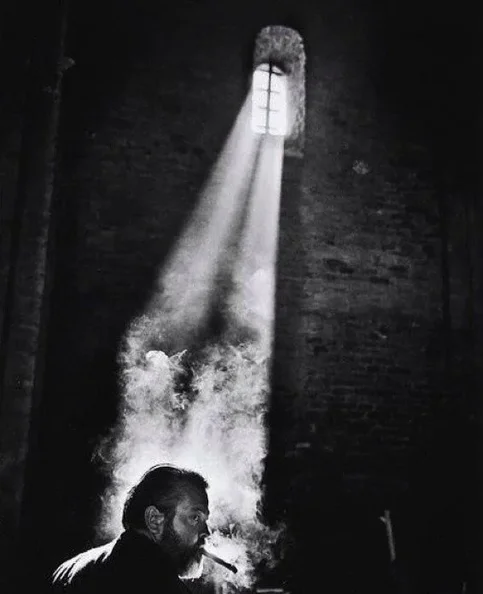
Prior to his meteoric rise to fame, Orson Welles was a prodigious child with a penchant for the dramatic arts. Growing up in affluent yet unconventional circumstances, he was exposed to a rich and diverse cultural landscape from a young age. His parents, both accomplished in their own right, encouraged his creative inclinations. Welles’s early experiences in the arts, including his involvement in local theater productions and his extensive reading, laid the groundwork for his future success. By the time he reached his early twenties, Welles had already established himself as a promising talent in the theater and radio industries, setting the stage for his eventual breakthrough in film.
Timeline
- 1915: Born in Kenosha, Wisconsin
- 1924: Parents separate, and Welles is sent to live with his mother’s friend
- 1925: Enrolled at the Todd School for Boys in Woodstock, Illinois
- 1931: Begins his professional career in the theater in Dublin, Ireland
- 1937: Founding director of the Mercury Theatre, a radio drama company
- 1938: Directs and narrates the famous “War of the Worlds” radio broadcast
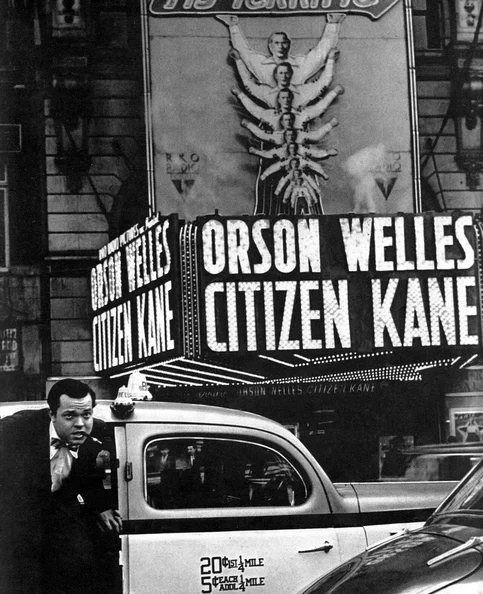
- 1941: Release of “Citizen Kane,” widely regarded as one of the greatest films ever made
- 1942: Directs and stars in “The Magnificent Ambersons,” which is heavily edited by the studio
- 1958: Directs and stars in “Touch of Evil,” a film noir classic
- 1985: Dies on October 10 in Los Angeles, California
Favourites
- Favorite Film: “Citizen Kane”
- Favorite Book: “The Mysterious Stranger” by Mark Twain
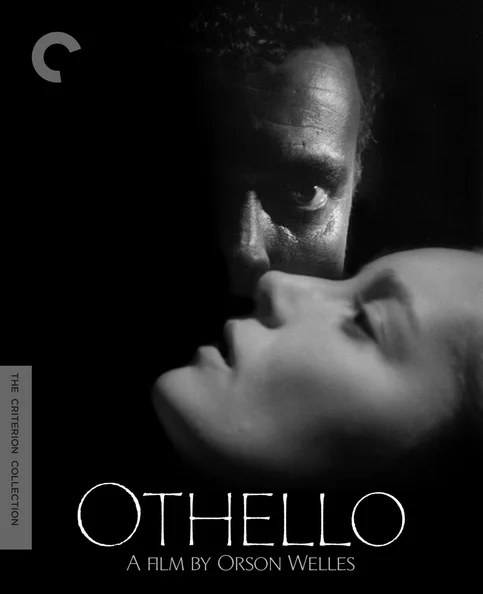
- Favorite Play: “Macbeth”
- Favorite Actor: John Houseman
- Favorite Director: Sergei Eisenstein
- Favorite Location to Work: Hollywood, California
- Favorite Musical Composition: Beethoven’s Symphony No. 9
- Favorite Food: Lobster and fried chicken
- Favorite Drink: Scotch whiskey
- Favorite Hobby: Reading and writing
Controversies
- War of the Worlds Panic: The 1938 radio broadcast of “The War of the Worlds” caused widespread panic, leading to public outrage and legal threats.
- Contract Disputes with RKO: Welles’s battles with RKO over the editing and distribution of “The Magnificent Ambersons” resulted in a heavily cut and altered final product.
- Political Activism: His outspoken support for progressive causes, particularly during the McCarthy era, made him a target of conservative critics and the House Un-American Activities Committee (HUAC).
- Personal Life: Welles’s marriages and relationships were often tumultuous, leading to public scrutiny and criticism.
- Financial Troubles: His lavish productions and high-risk ventures often left him in debt, causing financial instability throughout his career.
- Industry Confrontations: His confrontational nature and high standards led to numerous conflicts with studio executives and industry peers.
- Unreleased Projects: Several of Welles’s ambitious film projects, such as “The Other Side of the Wind,” were left unfinished due to financial and logistical challenges.
- Allegations of Racism: Some of his works, particularly his 1936 stage production of “Voodoo Macbeth,” faced accusations of cultural insensitivity.
- Media Criticism: His critical and satirical approach to media, as seen in “F for Fake,” drew both admiration and criticism.
- Health Issues: His battle with obesity and related health problems, including heart disease, affected his later career and personal life.
Control vs Chaos
Orson Welles’s life and career were marked by a constant struggle between control and chaos. On one hand, he was a meticulous planner, known for his detailed storyboards and obsessive attention to detail in his productions. His innovative techniques in film and theater, such as deep focus cinematography and non-linear narratives, showcased his mastery of his craft. On the other hand, Welles often found himself at the mercy of external forces, from studio interference and financial constraints to personal and health issues. This dynamic tension between his desire for artistic control and the unpredictable nature of the industry and life itself is a recurring theme in his body of work and personal history.
Emotional Geography
Orson Welles’s emotional landscape was as rich and complex as his artistic creations. Born into a family that valued individuality and creativity, Welles developed a deep sense of self from an early age. His experiences of loss, including the early deaths of his parents, shaped his worldview and fueled his artistic drive. Throughout his life, Welles navigated a landscape of highs and lows, often finding himself at the center of controversy and public scrutiny. Despite the challenges, his passion for storytelling and his commitment to his vision remained unwavering. His ability to blend intense emotion with intellectual rigor is evident in his works, which continue to resonate with audiences today.
FAQs
-
What is Orson Welles best known for?
Orson Welles is best known for his innovative work in film, particularly the classic “Citizen Kane” (1941), which is often cited as one of the greatest films ever made. He is also famous for his groundbreaking radio broadcasts, including the 1938 “War of the Worlds” adaptation, which caused a nationwide panic.
-
What was Orson Welles’s early life like?
Orson Welles was born in Kenosha, Wisconsin, on May 6, 1915. His parents, Richard Head Welles and Beatrice Ives Welles, were both accomplished in their fields. Despite their affluence, his childhood was marked by his parents’ separation and the early deaths of his mother and father. Welles’s early exposure to the arts and his prodigious talent set the stage for his future success.
-
What was the “War of the Worlds” broadcast?
The “War of the Worlds” radio broadcast was a 1938 adaptation of H.G. Wells’s novel, directed and narrated by Orson Welles. It was presented as a series of realistic news bulletins, which led many listeners to believe that an actual alien invasion was occurring. The broadcast caused widespread panic and controversy, making it one of the most famous and debated events in radio history.
-
What is “Citizen Kane” and why is it so famous?
“Citizen Kane” is a 1941 film directed, produced, and starring Orson Welles. It tells the story of Charles Foster Kane, a wealthy newspaper magnate, through a series of flashbacks. The film is renowned for its innovative narrative structure, deep focus cinematography, and complex character development. It is often cited as one of the greatest films ever made due to its technical and artistic brilliance.
-
What other notable films did Orson Welles direct?
Orson Welles directed several other notable films, including “The Magnificent Ambersons” (1942), “Touch of Evil” (1958), and “Chimes at Midnight” (1966). Each of these films showcased his unique directorial style and his ability to push the boundaries of traditional filmmaking.
-
What controversies did Orson Welles face during his career?
Orson Welles faced numerous controversies throughout his career. These included the public panic caused by the “War of the Worlds” broadcast, financial disputes with studios, political activism that put him at odds with the government, and personal issues, such as his tumultuous marriages and health problems.
-
What is the Mercury Theatre?
The Mercury Theatre was a repertory company founded by Orson Welles and John Houseman in 1937. Known for its innovative and daring productions, the Mercury Theatre gained widespread attention for its radio broadcasts, including the famous “War of the Worlds” adaptation. The company’s influence extended to Welles’s later work in film.
-
How did Orson Welles’s personal life affect his career?
Orson Welles’s personal life had a significant impact on his career. His marriages and relationships were often tumultuous, and his financial struggles and legal battles with studios added to the challenges he faced. Despite these personal issues, he continued to produce groundbreaking work and remained a respected figure in the arts.
-
What was Orson Welles’s approach to filmmaking?
Orson Welles was known for his innovative and experimental approach to filmmaking. He often used non-linear narratives, deep focus cinematography, and unique lighting techniques to create visually and emotionally compelling films. His commitment to artistic integrity and his willingness to take risks set him apart from his contemporaries.
-
What is “F for Fake” and why is it significant?
“F for Fake” is a 1973 film directed and narrated by Orson Welles. It is a meta-film that explores the nature of art, fraud, and authenticity. The film combines documentary footage, interviews, and fictional elements to create a unique and thought-provoking work. “F for Fake” is significant for its creative approach and its commentary on the nature of truth and deception in media.
-
What is Orson Welles’s legacy?
Orson Welles’s legacy is immense and enduring. His contributions to film, theater, and radio have had a profound impact on the arts. His innovative techniques and storytelling methods continue to influence filmmakers and artists today. Despite the challenges he faced, Welles’s commitment to his vision and his belief in the power of storytelling have cemented his status as a true genius of the 20th century.
-
What are some of Orson Welles’s personal hobbies and interests?
Orson Welles had a variety of personal hobbies and interests. He was an avid reader, particularly fond of classic literature and history. He enjoyed writing and often wrote his own scripts and articles. Welles was also a fan of music, especially classical compositions like Beethoven’s Symphony No. 9. He had a taste for fine dining and was known to enjoy lobster and fried chicken. Additionally, he was interested in politics and was an outspoken advocate for progressive causes.
-
What is the significance of Orson Welles’s “The Other Side of the Wind”?
“The Other Side of the Wind” is an unfinished film that Orson Welles worked on for several years. It was a highly personal and experimental project that reflected his frustration with the film industry and his desire to push the boundaries of cinematic storytelling. The film, which was finally completed and released posthumously in 2018, offers a unique insight into Welles’s creative process and his vision for the future of cinema.
-
How did Orson Welles’s health issues impact his career?
Orson Welles’s health issues, particularly his struggle with obesity and heart disease, had a significant impact on his later career. These conditions often limited his mobility and affected his ability to work. Despite these challenges, Welles continued to pursue his artistic passions and remained active in the industry until his death in 1985.