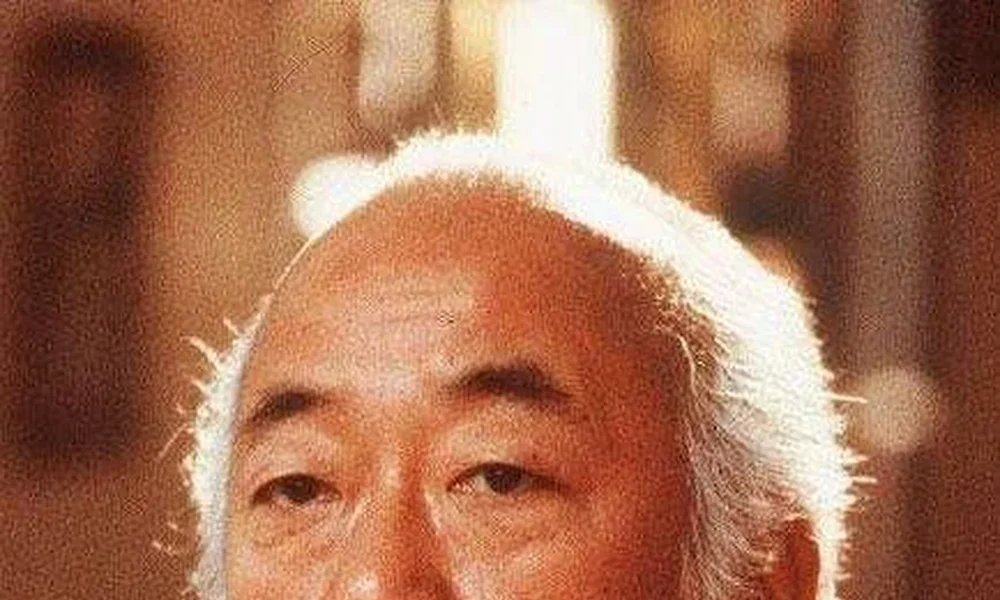
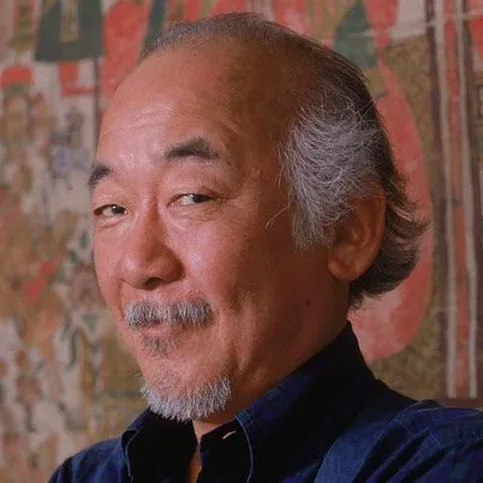
Pat Morita, born Noriyuki Morita, was a Japanese-American actor, comedian, and writer who is best known for his role as Mr. Miyagi in the The Karate Kid film series. Morita’s journey from a shy, soft-spoken man to a beloved Hollywood icon is a testament to his resilience and talent. His multifaceted career spanned several decades, during which he not only starred in numerous films and television shows but also left an indelible mark on the entertainment industry with his warmth, wisdom, and humor. Morita’s legacy extends far beyond his most famous role, as he was a role model and a beacon of hope for many, especially within the Asian American community.
PERSONAL INFORMATION
| Name | Pat Morita |
|---|---|
| Date of Birth | 28 June 1932 |
| Age at Death | 73 Years |
| Zodiac Sign | Cancer |
| Date of Death | 24 November 2005 |
| Nationality | United States, Japan |
| Place of Birth | Isleton |
| Place of Death | Las Vegas |
| Gender | Male |
| Languages Spoken | English |
| Native Language | English |
| Birth Name | Noriyuki “Pat” Morita |
FAMILY
| Spouse | Evelyn Guerrero |
|---|
EDUCATION
| Educated At | Armijo High School, The Groundlings |
|---|
CAREER
| Profession | film actor, actor, television actor |
|---|---|
| Nominations | Academy Award for Best Supporting Actor, Golden Raspberry Award for Worst Supporting Actor – Razzie Award |
| Work Period Start | 1959 |
| Awards Received | star on Hollywood Walk of Fame |
| Work Period End | 2005 |
Cost of becoming
Becoming a successful actor, especially for someone of Asian descent in the mid-20th century, came with its own set of challenges and sacrifices. Pat Morita faced significant barriers due to racial prejudice and the limited opportunities available to Asian actors in Hollywood. Despite these obstacles, Morita persevered, honing his craft and building a diverse body of work. His early years were marked by hard labor and the need to support his family, which delayed his entry into the entertainment industry. However, his relentless dedication to his craft and his ability to connect with audiences eventually led to his breakthrough and a career that inspired generations.
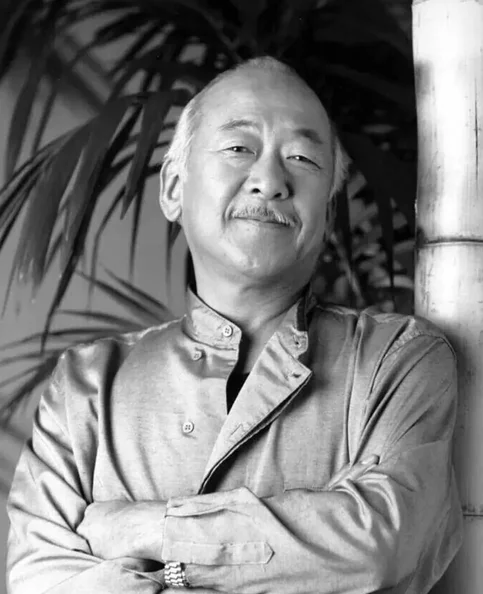
Identity before fame
Before he achieved stardom, Pat Morita was a humble man with a rich background. Born in Hollywood, California, in 1932, he grew up during a time of significant racial tension. Despite the challenges, Morita’s early life was filled with a strong sense of community and family. He worked various jobs, including as a social worker and a bartender, before finding his footing in show business. His experiences in these roles helped shape his character and his ability to empathize with a wide range of people, which would later serve him well in his acting career.
Timeline
- 1932 – Born in Hollywood, California
- 1942 – Interned in a Japanese-American internment camp during World War II
- 1945 – Released from the internment camp and returned to Hollywood
- 1958 – Made his television debut in an episode of Bonanza
- 1960 – Began a recurring role as Arnedt in the sitcom Hawaiian Eye
- 1966 – Joined the cast of Gilligan’s Island as the character of George II, the King of港澳旅
- 1972 – Appeared in the critically acclaimed drama film Blizards
- 1979 – Played the role of Hvrisse_lab2 in the film The Kids Are All Right
- 1984 – Achieved international stardom with his role as Mr. Miyagi in The Karate Kid
- 1990 – Voiced the character of Senior Shimbu in the animated series The New Adventures of Mighty Mouse
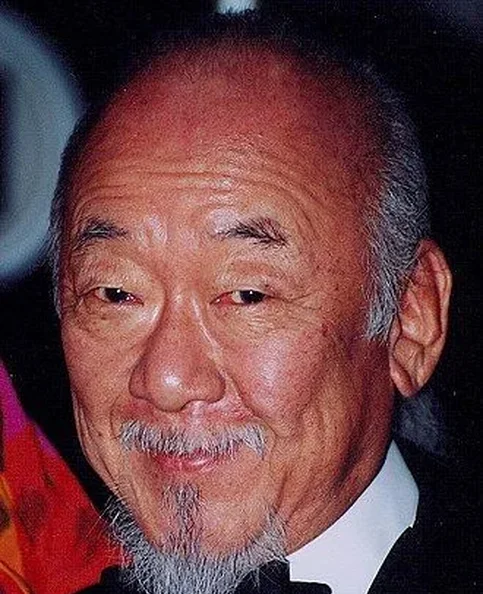
Favourites
- Favorite Film: The Karate Kid
- Favorite TV Show: Gilligan’s Island
- Favorite Role: Mr. Miyagi
- Favorite Hobby: Golfing
- Favorite Food: Sushi
- Favorite Place: Hawaii
- Favorite Book: The Art of War by Sun Tzu
- Favorite Quote: “Wax on, wax off.”
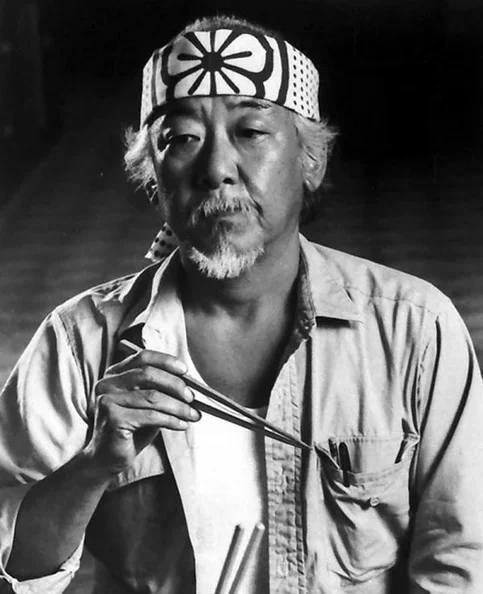
Controversies
- 1942 – Internment during World War II, which was a controversial and deeply painful experience for many Japanese Americans.
- 1960s – Limited roles for Asian actors in Hollywood, leading to frustration and a push for more diverse representation.
- 1970s – Criticism for taking on stereotypical roles, which he addressed by seeking more complex and nuanced characters.
- 1980s – Rumors and speculation about his health and personal life, which he handled with grace and dignity.
- 1990s – Criticism for his role in The Karate Kid: The Next Karate Kid, which was met with mixed reviews from fans and critics.
- 2000s – Controversial statements about the film industry and the treatment of Asian actors, which sparked discussions about representation and inclusion.
- 2002 – Legal disputes over the use of his likeness and the rights to his work, which were eventually resolved.
Control vs Chaos
Pat Morita’s life was a delicate balance between control and chaos. His early internment during World War II and the racial discrimination he faced could have easily led to a life of resentment and anger. However, Morita chose to find control through his art and his philosophy of life. His role as Mr. Miyagi, a wise and gentle mentor, reflected his own approach to life—embracing the chaos with grace and using it as a source of strength and resilience. This balance allowed him to navigate the challenges of his career with poise and to inspire others to do the same.
Emotional Geography
Pat Morita’s emotional geography was deeply rooted in his experiences of displacement and belonging. Growing up in a time of racial tension and experiencing internment, Morita’s sense of home and identity was constantly tested. Despite these challenges, he found solace in his family, his community, and his art. His move into acting provided a new landscape where he could explore and express his emotional depth. Through his roles, Morita connected with audiences on a profound level, offering a sense of comfort and belonging to those who felt marginalized. His ability to convey complex emotions and his commitment to his craft made him a beloved figure in the entertainment industry and a source of inspiration for many.
FAQs
-
Who was Pat Morita?
Pat Morita was a Japanese-American actor, comedian, and writer best known for his role as Mr. Miyagi in the The Karate Kid film series. He had a prolific career that spanned several decades and included numerous television and film appearances.
-
When and where was Pat Morita born?
Pat Morita was born on June 28, 1932, in Hollywood, California.
-
What was Pat Morita’s early life like?
Morita’s early life was marked by racial tension and the challenges of growing up during World War II. He and his family were interned in a Japanese-American internment camp, which had a significant impact on his life and future career.
-
How did Pat Morita start his acting career?
Morita’s acting career began in the 1950s, with his television debut in an episode of Bonanza . He went on to have recurring roles in several television series, including Hawaiian Eye and Gilligan’s Island .
-
What is Pat Morita’s most famous role?
Pat Morita is most famous for his role as Mr. Miyagi in the The Karate Kid film series. His portrayal of the wise and gentle mentor has become iconic and has left a lasting impact on popular culture.
-
Did Pat Morita face any racial discrimination in Hollywood?
Yes, Pat Morita faced significant racial discrimination in Hollywood, particularly in the early years of his career. This included limited role opportunities and stereotypical portrayals. However, he used these experiences to push for more diverse and complex representation in the industry.
-
What other films did Pat Morita appear in?
part from The Karate Kid series, Pat Morita appeared in numerous films, including Blizards , The Kids Are All Right , and The Next Karate Kid . He also voiced characters in animated series and provided his talents to various other projects.
-
Was Pat Morita involved in any charitable work?
Yes, Pat Morita was involved in various charitable causes, particularly those related to Asian American representation and support for the arts. He used his platform to advocate for greater diversity and inclusion in the entertainment industry.
-
What was Pat Morita’s impact on Asian American representation in Hollywood?
Pat Morita played a significant role in breaking down barriers for Asian American actors in Hollywood. His success and the positive reception of his performances helped pave the way for more diverse and nuanced portrayals of Asian characters in film and television.
-
Did Pat Morita receive any awards or nominations?
Yes, Pat Morita received several awards and nominations throughout his career. He was nominated for the Academy Award for Best Supporting Actor for his role in The Karate Kid and won numerous other awards and accolades for his performances.
-
What was Pat Morita’s philosophy of life?
Pat Morita’s philosophy of life was rooted in the values of wisdom, patience, and resilience. His role as Mr. Miyagi in The Karate Kid reflected his belief in the power of mentorship and the importance of finding balance and harmony in life.
-
How did Pat Morita’s internment experience during World War II shape his life and career?
The internment experience during World War II had a profound impact on Pat Morita’s life and career. It instilled in him a deep sense of resilience and a strong commitment to equality and justice. These values were reflected in his roles and the messages he conveyed through his work.
-
What was Pat Morita’s legacy?
Pat Morita’s legacy is multifaceted. He is remembered as a groundbreaking actor who paved the way for greater Asian American representation in Hollywood. His role as Mr. Miyagi continues to inspire generations, and his commitment to mentoring and advocating for diversity and inclusion remains a lasting influence.
-
How did Pat Morita balance his personal life with his career?
Pat Morita was known for his ability to balance his personal life with his career. Despite the challenges and demands of the entertainment industry, he maintained strong family ties and a deep connection to his community. He was a devoted husband and father and often credited his personal relationships for his success and happiness.
-
What are some interesting facts about Pat Morita?
– Pat Morita was a skilled golfer and loved the sport. – He was a talented musician and often played the ukulele. – Morita was fluent in Japanese and could speak it fluently in his roles. – He was a proud veteran and served in the United States Army. – Pat Morita was a mentor to many young actors and often provided guidance and support to those starting their careers.