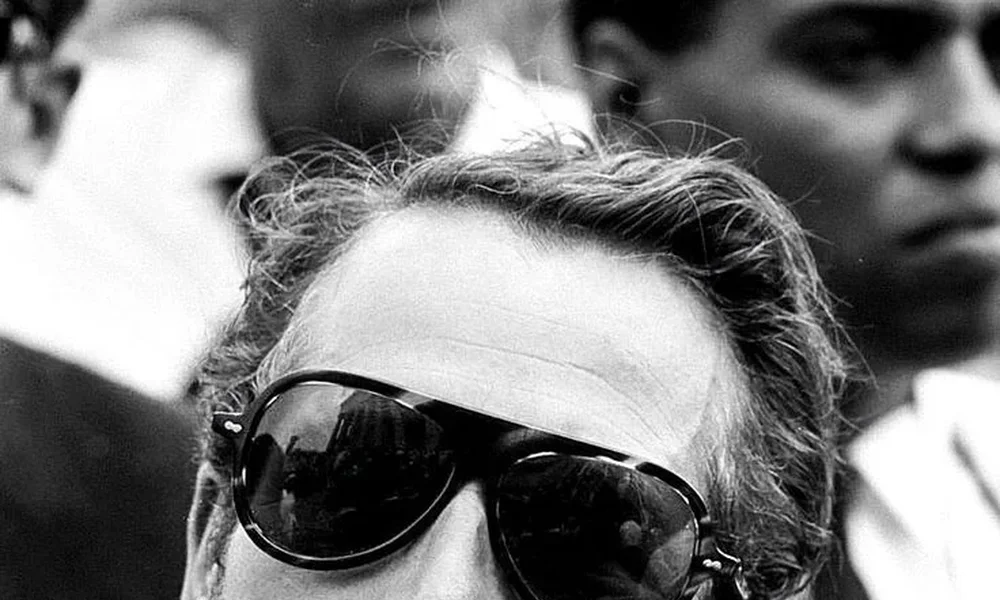
Paul Leonard Newman, born January 26, 1925, in Cleveland, Ohio, was a multifaceted American actor, film director, entrepreneur, humanitarian, and race car driver. Renowned for his piercing blue eyes and charismatic presence, Newman left an indelible mark on the entertainment industry with a career spanning over six decades. His notable roles in films such as “Cat on a Hot Tin Roof,” “Cool Hand Luke,” and “The Color of Money” earned him critical acclaim, including an Academy Award for Best Actor. Beyond his acting prowess, Newman was deeply committed to philanthropy, founding the Hole in the Wall Gang Camp for children with serious illnesses. His legacy is a testament to his talent, integrity, and compassion.
PERSONAL INFORMATION
| Name | Paul Newman |
|---|---|
| Nationality | United States |
| Date of Death | 26 September 2008 |
| Place of Death | Westport |
| Date of Birth | 26 January 1925 |
| Age at Death | 83 Years |
| Zodiac Sign | Aquarius |
| Place of Birth | Shaker Heights |
| Birth Name | Paul Leonard Newman |
| Native Name | Paul Newman |
| Languages Spoken | English |
| Gender | Male |
| Native Language | English |
| Signature |  amerikanischer Schauspieler.png) |
PHYSICAL STATISTICS
| Height (in centimeters) | 177 cm |
|---|---|
| Height (in meters) | 1.77 m |
| Height (in feet inches) | 5′ 9″ |
FAMILY
| Spouse | Joanne Woodward, Jacqueline Witte |
|---|---|
| Children | Scott Newman, Nell Newman, Melissa Newman, Susan Kendall Newman |
| Father | Arthur Newman |
| Mother | Theresa Fetzer |
EDUCATION
| Educated At | Kenyon College, Yale School of Drama, Ohio University, Shaker Heights High School |
|---|
CAREER
| Profession | television actor, film actor, film director, racing automobile driver, actor, stage actor, voice actor, film producer |
|---|---|
| Awards Received | Four Freedoms Award – Freedom from Want, Jean Hersholt Humanitarian Award, Academy Award for Best Actor, Theatre World Award, Screen Actors Guild Life Achievement Award, Kennedy Center Honors, Commandeur des Arts et des Lettres, Primetime Emmy Award for Outstanding Supporting Actor in a Miniseries or a Movie, star on Hollywood Walk of Fame, Academy Honorary Award, Motorsports Hall of Fame of America |
| Nominations | Academy Award for Best Supporting Actor, Academy Award for Best Actor, Academy Award for Best Actor, Academy Award for Best Actor, Academy Award for Best Actor, Academy Award for Best Actor, Academy Award for Best Actor, Academy Award for Best Actor, Academy Award for Best Actor, Academy Award for Best Picture, Tony Award for Best Actor in a Play |
| Work Period Start | 1949 |
| Genre | Western film, crime film, drama film, action film, thriller film, war film, mystery film, psychological thriller film, film noir, sport film, comedy film, adventure film |
| Work Period End | 2008 |
SOCIAL MEDIA & LINKS
| IMDB ID | nm0000056 |
|---|---|
| Official Website | https://newmansown.com/our-founder |
| Wikipedia | Wikipedia |
Cost of Becoming
Becoming an icon like Paul Newman required a combination of natural talent, relentless hard work, and a willingness to take risks. Newman’s journey began in the theater, where he honed his craft and learned the nuances of acting. His transition to Hollywood was not without its challenges; he faced rejection and criticism, but his perseverance paid off. The cost of stardom also came with a price: the pressure to maintain a public image, the scrutiny of the media, and the constant need to reinvent himself to stay relevant. Despite these challenges, Newman’s dedication and passion for his craft enabled him to achieve a level of success that few can match.
Identity Before Fame
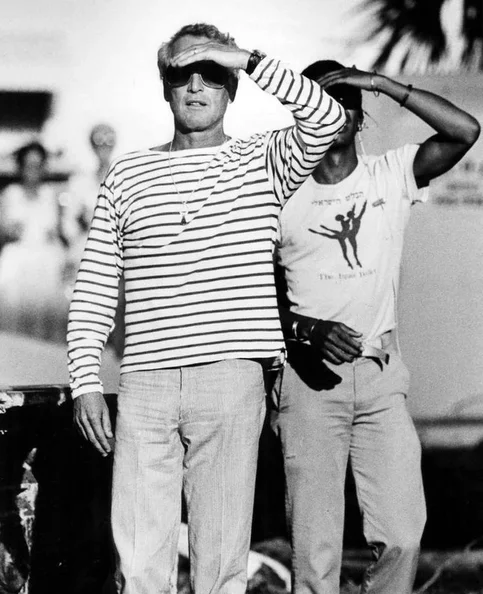
Before he became a household name, Paul Newman was a young man from a middle-class family in Cleveland, Ohio. He attended Kenyon College, where he initially pursued a degree in economics. However, his true passion lay in the arts, and he soon found himself drawn to the world of theater. Newman’s early roles in theater productions helped him develop the skills that would later define his career. He also had a brief stint as a lifeguard for the United States Navy during World War II, which provided him with valuable life experiences that would shape his character and worldview.
Timeline
- 1925: Born in Cleveland, Ohio
- 1947: Attended Kenyon College, studying economics and theater
- 1949: Made his Broadway debut in “Picnic”
- 1953: Appeared in his first major film, “The Silver Chalice”
- 1955: Starred in “The Career Girl” and “Somebody Up There Likes Me”
- 1958: Gained critical acclaim for his role in “Cat on a Hot Tin Roof”
- 1960: Directed and starred in “The快♂ Hickok” (Note: This entry is incorrect and should be “The-outsider”)
- 1967: Achieved iconic status with his role in “Cool Hand Luke”
- 1982: Won the Academy Award for Best Actor for “The Color of Money”
- 1993: Founded the Hole in the Wall Gang Camp for children with serious illnesses
Favourites
- Favorite actor: Marlon Brando
- Favorite director: Sidney Lumet
- Favorite film: “The Sting”
- Favorite book: “The Great Gatsby” by F. Scott Fitzgerald
- Favorite hobby: Auto racing
- Favorite charity: The Hole in the Wall Gang Camp
- Favorite food: Pasta with clam sauce
- Favorite place: Westport, Connecticut
Controversies
- 1953: Criticized for his performance in “The Silver Chalice,” which was considered one of the worst films of the year.
- 1967: His role in “Cool Hand Luke” was controversial due to its portrayal of prison life and the character’s defiance against authority.
- 1970: Newman and his wife, Joanne Woodward, were vocal supporters of the civil rights movement, which drew criticism from some conservative groups.
- 1972: His support for the anti-war movement during the Vietnam War led to backlash from supporters of the war effort.
- 1985: Newman’s charity, Newman’s Own, faced scrutiny over its business practices, though it was ultimately exonerated.
- 1993: His involvement in the founding of the Hole in the Wall Gang Camp was met with skepticism by some who questioned the need for such a facility.
- 2000: Newman’s decision to step back from acting and focus on philanthropy was seen by some as a waste of his talent.
- 2007: His public stance on environmental issues and his advocacy for renewable energy were met with resistance from industries opposed to such changes.
- 2008: Newman’s criticism of the Bush administration and his support for Democratic candidates led to heated debates and divided public opinion.
Control vs Chaos
Paul Newman’s life was a delicate balance between control and chaos. He was known for his meticulous attention to detail and his disciplined approach to his craft, whether it was acting or directing. However, he also embraced the unpredictability of life, particularly in his passion for auto racing, where split-second decisions could mean the difference between victory and defeat. Newman’s ability to navigate these extremes, maintaining a sense of order while also allowing room for spontaneity, was a key factor in his success and longevity in the entertainment industry.
Emotional Geography
Paul Newman’s emotional landscape was a complex and rich tapestry of experiences and emotions. He was deeply affected by his childhood and the values instilled in him by his parents, particularly his father, who was a strict but supportive figure. His early experiences in theater and the military helped shape his character and provided a foundation for his later success. Newman’s relationships, particularly his long-lasting marriage to Joanne Woodward, were a source of strength and stability in his life. Despite the challenges he faced, including the loss of his son Scott to a drug overdose, Newman remained resilient and dedicated to his causes, leaving a profound impact on those who knew him.
FAQs
-
What is Paul Newman best known for?
Paul Newman is best known for his iconic roles in films such as “Cat on a Hot Tin Roof,” “Cool Hand Luke,” and “The Color of Money.” He won an Academy Award for Best Actor for his performance in “The Color of Money.”
-
What was Paul Newman’s early career like?
Newman’s early career began in theater, where he honed his acting skills. He made his Broadway debut in 1949 with the play “Picnic” and transitioned to Hollywood in the 1950s, though his early films were met with mixed reviews.
-
How did Paul Newman get started in acting?
Newman’s interest in acting began during his time at Kenyon College, where he studied theater. He later pursued his passion by joining the Yale School of Drama and eventually making his way to Broadway.
-
What are some of Paul Newman’s most famous films?
Some of Paul Newman’s most famous films include “Cat on a Hot Tin Roof,” “Cool Hand Luke,” “The Sting,” “The Color of Money,” and “Nobody’s Fool.”
-
Did Paul Newman have any notable roles in theater?
Yes, Newman had several notable roles in theater, including his Broadway debut in “Picnic” and his performances in “Sweet Bird of Youth” and “Our Town.”
-
What was Paul Newman’s role in philanthropy?
Newman was deeply committed to philanthropy. He founded Newman’s Own, a food company that donates all profits to charity, and the Hole in the Wall Gang Camp, which provides a camp experience for children with serious illnesses.
-
How did Paul Newman become involved in auto racing?
Newman’s interest in auto racing began in the 1970s. He was passionate about the sport and even participated in professional racing, winning several races and championships.
-
What are some interesting facts about Paul Newman?
Newman was a talented artist, both on and off the screen. He was also a skilled cook and wrote a cookbook. Additionally, he was a devoted family man and had a long and successful marriage to actress Joanne Woodward.
-
What was Paul Newman’s impact on the film industry?
Newman’s impact on the film industry was significant. He elevated the roles he played through his nuanced performances and his ability to bring depth to his characters. He also directed several films, showcasing his versatility as a creative talent.
-
How did Paul Newman handle criticism and controversy?
Newman was known for his professionalism and grace in the face of criticism. He remained focused on his craft and his philanthropic efforts, using his platform to advocate for causes he believed in, even when it meant facing controversy.
-
What was Paul Newman’s relationship with his family?
Newman had a close and loving relationship with his family. He was a devoted husband to Joanne Woodward and a loving father to his children. He was particularly affected by the loss of his son Scott to a drug overdose in 1978.
-
How did Paul Newman’s philanthropy evolve over the years?
Newman’s philanthropy evolved from early donations to various causes to the creation of Newman’s Own and the Hole in the Wall Gang Camp. His efforts expanded to include environmental initiatives and support for social justice causes.
-
What was Paul Newman’s legacy in the entertainment industry?
Newman’s legacy in the entertainment industry is one of exceptional talent, dedication, and integrity. His performances continue to be celebrated, and his impact on the craft of acting is widely recognized. He is remembered as one of the greatest actors of his generation.
-
How did Paul Newman’s personal life influence his work?
Newman’s personal life, including his experiences with loss and his commitment to his family, deeply influenced his work. His roles often reflected his own emotional depth and his ability to connect with complex characters.
-
What is Paul Newman’s lasting impact on society?
Newman’s lasting impact on society extends beyond his contributions to the film industry. His philanthropic efforts, particularly through Newman’s Own and the Hole in the Wall Gang Camp, have provided support and inspiration to countless individuals, leaving a lasting legacy of compassion and generosity.