
Peter Fonda, born on February 23, 1939, in New York City, was a versatile and prominent American actor, screenwriter, and producer. Known for his iconic role in the 1969 film “Easy Rider,” Fonda was a significant figure in the counterculture movement of the 1960s and 1970s. His career spanned several decades, and he left an indelible mark on the film industry. Fonda’s life was a blend of personal struggles, professional triumphs, and a deep connection to artistic expression. This article delves into the multifaceted life of Peter Fonda, exploring his journey from a young aspiring actor to a celebrated icon of American cinema.
PERSONAL INFORMATION
| Name | Peter Fonda |
|---|---|
| Gender | Male |
| Nationality | United States |
| Place of Birth | New York City |
| Date of Birth | 23 February 1940 |
| Age at Death | 79 Years |
| Zodiac Sign | Pisces |
| Religion | atheism |
| Native Name | Peter Fonda |
| Languages Spoken | English |
| Birth Name | Peter Henry Fonda |
| Date of Death | 16 August 2019 |
| Place of Death | Los Angeles |
FAMILY
| Children | Bridget Fonda, Justin Fonda |
|---|---|
| Father | Henry Fonda |
| Mother | Frances Ford Seymour |
| Siblings | Jane Fonda |
| Spouse | Susan Brewer, Portia Rebecca Crockett |
EDUCATION
| Educated At | University of Nebraska Omaha, Westminster School, Brunswick School, Fay School |
|---|
CAREER
| Profession | film actor, film director, screenwriter, film producer, actor, producer |
|---|---|
| Nominations | Academy Award for Best Actor, Academy Award for Best Writing, Original Screenplay |
| Awards Received | Theatre World Award, star on Hollywood Walk of Fame, Golden Globe Award for Best Actor – Motion Picture Drama, Golden Globe Award for Best Supporting Actor – Series, Miniseries or Television Film |
| Work Period Start | 1962 |
| Work Period End | 2018 |
| Field of Work | acting, film screenwriting |
| Notable Works | Thomas and the Magic Railroad, Ulee’s Gold, The Passion of Ayn Rand, Easy Rider |
SOCIAL MEDIA & LINKS
| IMDB ID | nm0001228 |
|---|---|
| @iamfonda | |
| Official Website | http://peterfonda.com/ |
| Wikipedia | Wikipedia |
Cost of becoming
Becoming a successful actor in Hollywood is often a steeply priced endeavor, and Peter Fonda was no exception. Born into a family with a rich theatrical background—his father, Henry Fonda, was a Hollywood legend—Peter faced the added pressure of living up to the Fonda name. Despite the initial setbacks, including a brief stint at the University of Minneapolis and a period of relative obscurity, Peter’s relentless pursuit of his dream paid off. He honed his craft through numerous small roles and off-Broadway productions, eventually landing the breakthrough role in “Easy Rider,” which not only made him a household name but also allowed him to explore his creative vision as a writer and producer.
Identity before fame
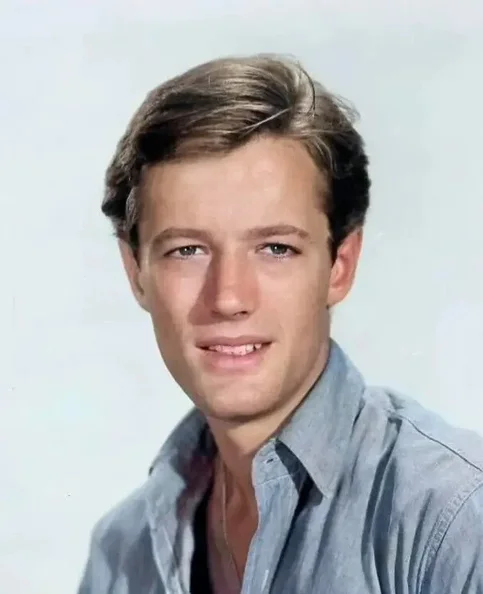
Before achieving fame, Peter Fonda was a young man searching for his place in the world. He grew up in New York City, where his father’s success cast a long shadow. This environment fostered a sense of competition and a need to forge his own path. After dropping out of college, Fonda traveled extensively, working odd jobs and immersing himself in the bohemian culture of the era. This period of exploration and self-discovery was crucial in shaping his identity and artistic sensibilities. Fonda’s early experiences with the theater and his involvement in the burgeoning counterculture movement laid the foundation for the unique perspective he would bring to his future work.
Timeline
- 1939: Born in New York City
- 1943: Parents divorce, leading to a period of family disruption
- 1957: Attends the University of Minneapolis but drops out after a year
- 1960: Begins his acting career with small roles and off-Broadway productions
- 1966: Appears in his first major film, “The Wild Angels”
- 1969: Stars in and co-writes “Easy Rider,” which becomes a cultural phenomenon
- 1979: Works on the film “Wanda Nevada,” for which he receives critical acclaim
- 1990s: Continues to act in both independent and mainstream films, including “Ulee’s Gold”
- 2005: Publishes his autobiography, “Don’t Tell Dad: The Making of a Counter-Culture Legend”
- 2019: Dies on August 16, at the age of 80, after a battle with lung cancer
Favourites
- Favorite film: “Easy Rider” (1969)
- Favorite book: “The Catcher in the Rye” by J.D. Salinger
- Favorite actor: Marlon Brando
- Favorite director: Stanley Kubrick
- Favorite hobby: Motorcycling
- Favorite music: The Doors, Bob Dylan
- Favorite place: Santa Barbara, California
- Favorite quote: “The only thing necessary for the triumph of evil is for good men to do nothing” – Edmund Burke
- Favorite food: Sushi
- Favorite drink: Red wine
Controversies
- 1960s: Rumors of drug use and ))
controversial behavior during the production of “Easy Rider” led to public scrutiny.
- 1970s: Accusations of sexism and inappropriate behavior on set, particularly during the filming of “Wanda Nevada.”
- 1980s: Legal troubles, including a DUI arrest and fines for various traffic violations.
- 1990s: Public disagreement with his sister, Jane Fonda, over political views and family dynamics.
- 2000s: Statements made in interviews about his father and family, which were perceived as controversial and insensitive.
- 2010s: Comments on contemporary actors and the state of the film industry, which sparked debates and criticism.
- 2019: Final interviews where he addressed his health issues and past controversies, leading to mixed reactions from the public.
- 1960s: Allegations of using his family’s influence to secure roles in early films.
- 1970s: Controversial statements about the Vietnam War and the counterculture movement, which polarized public opinion.
- 2000s: Public feuds with former colleagues and collaborators, which were often played out in the media.
Control vs Chaos
Peter Fonda’s life was a constant struggle between maintaining control and embracing chaos. His early career was marked by a need to establish himself independently from his famous father, Henry Fonda. This drive for control often manifested in his meticulous attention to detail, both in his acting and in his filmmaking. However, his involvement in the counterculture movement of the 1960s also exposed him to the liberating and sometimes chaotic aspects of life. “Easy Rider” epitomized this duality, with its themes of freedom and rebellion juxtaposed against the structured narrative of a road trip. Fonda’s ability to balance these opposing forces contributed to his unique artistic vision and enduring legacy.
Emotional Geography
Peter Fonda’s emotional landscape was deeply influenced by his family dynamics, personal experiences, and the cultural milieu of his time. Growing up in the shadow of his father, he often felt the weight of expectations and the need to prove himself. This emotional tension was exacerbated by his parents’ divorce and the subsequent family disruptions. Despite these challenges, Fonda found solace and purpose in his work, using it as a means to express his inner turmoil and connect with others. His roles often reflected his own emotional journey, from the rebellious biker in “Easy Rider” to the philosophical gold prospector in “Ulee’s Gold.” Through his art, Fonda navigated the complex terrain of his inner world, leaving a rich emotional legacy for audiences and critics alike.
FAQs
-
What is Peter Fonda best known for?
Peter Fonda is best known for his role in the 1969 film “Easy Rider,” which he also co-wrote and produced. The film became a cultural phenomenon and is considered a landmark of the New Hollywood era.
-
Who were Peter Fonda’s parents?
Peter Fonda’s parents were Henry Fonda, a legendary American actor, and Frances Fonda. His father’s success in Hollywood had a significant impact on Peter’s career and personal life.
-
What was Peter Fonda’s early career like?
Peter Fonda’s early career was marked by small roles and off-Broadway productions. He faced initial challenges and setbacks but persevered, eventually gaining recognition for his performances in films like “The Wild Angels.”
-
How did “Easy Rider” change Peter Fonda’s life?
“Easy Rider” not only made Peter Fonda a household name but also allowed him to explore his creative vision as a writer and producer. The film’s success provided him with the financial and artistic freedom to pursue other projects.
-
What other notable films did Peter Fonda star in?
Some of Peter Fonda’s other notable films include “Ulee’s Gold” (1997), for which he received critical acclaim, “The Great Race” (1965), and “Wanda Nevada” (1979).
-
What was Peter Fonda’s relationship with his sister, Jane Fonda?
Peter’s relationship with his sister, Jane Fonda, was complex. They had public disagreements and feuds, particularly over political views and family dynamics, but they also shared a deep bond and mutual respect.
-
What controversies did Peter Fonda face during his career?
Peter Fonda faced several controversies, including allegations of drug use, accusations of sexism on set, and public feuds with colleagues. These issues sometimes overshadowed his artistic achievements.
-
What was Peter Fonda’s involvement in the counterculture movement of the 1960s?
Peter Fonda was deeply involved in the counterculture movement of the 1960s. His films, particularly “Easy Rider,” reflected the themes and values of the era, including freedom, rebellion, and social change.
-
What was Peter Fonda’s role in “The Wild Angels”?
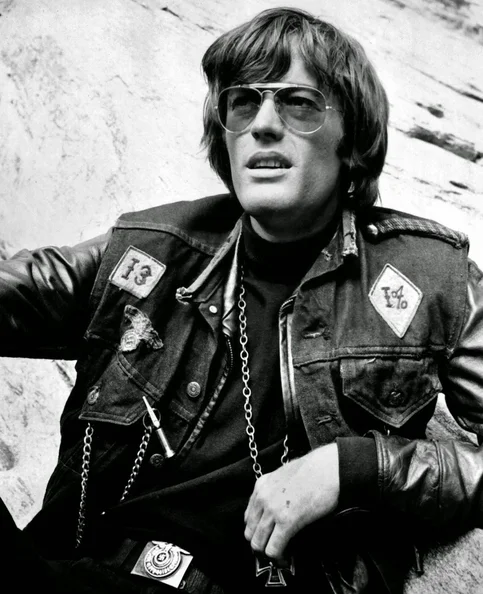
In “The Wild Angels” (1966), Peter Fonda played the role of Heavenly Blues, a member of a motorcycle gang. This film helped establish him as a rising star in the film industry.
-
Did Peter Fonda have any children?
Yes, Peter Fonda had one daughter, Bridget Fonda, born in 1964. Bridget is an actress and filmmaker in her own right.
-
What was Peter Fonda’s approach to acting?
Peter Fonda was known for his method acting approach, drawing on his personal experiences and emotions to bring authenticity to his performances. He was deeply committed to his craft and often immersed himself in his roles.
-
How did Peter Fonda’s family background influence his career?
Peter Fonda’s family background, particularly his father’s success in Hollywood, both helped and hindered his career. While the Fonda name provided some opportunities, it also added pressure to establish himself independently.
-
What was Peter Fonda’s legacy in the film industry?
Peter Fonda’s legacy in the film industry is marked by his groundbreaking work in “Easy Rider” and his contributions to the counterculture movement. He is remembered as a multifaceted artist who pushed the boundaries of traditional storytelling and embraced the spirit of rebellion and creativity.