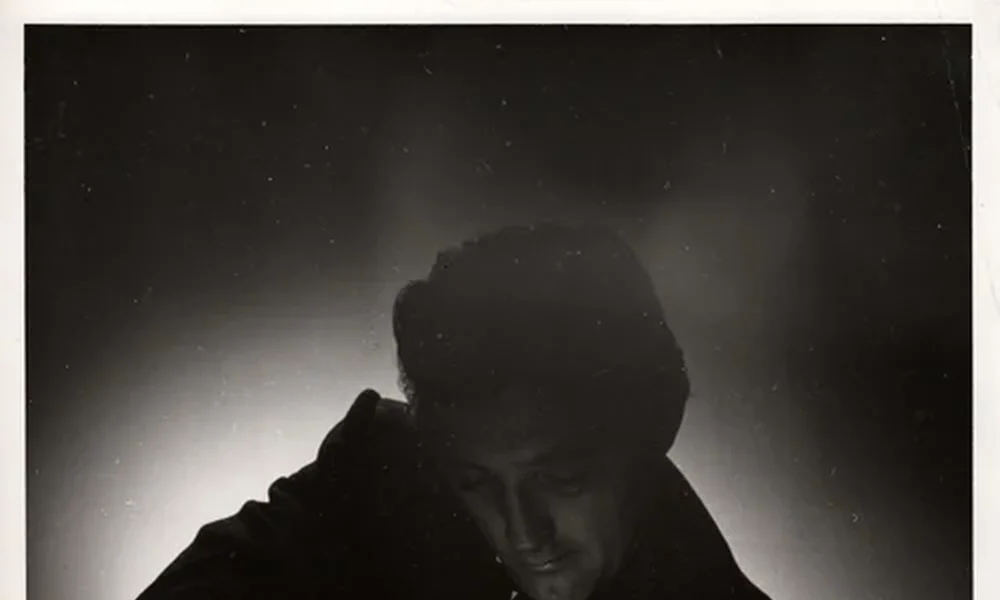
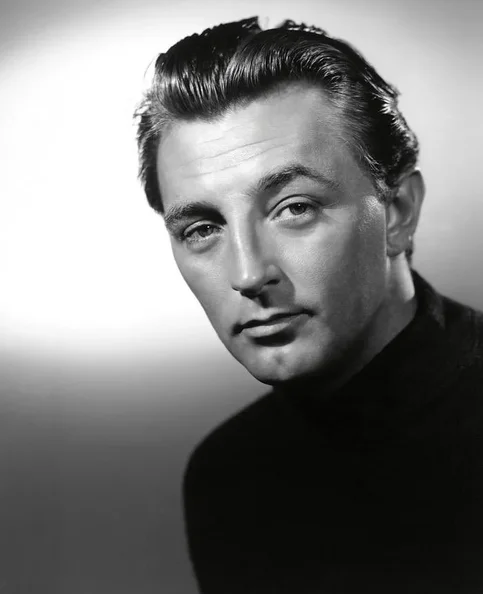
Robert Mitchum was an American film actor, director, and author whose career spanned over five decades. Known for his rugged good looks and a unique, often cynical screen presence, Mitchum became a Hollywood icon. His performances in films like “The Story of G.I. Joe,” “Out of the Past,” and “Cape Fear” are still celebrated today. Mitchum’s life was marked by a blend of artistry, personal struggle, and a rebel spirit that resonated with audiences and fellow artists alike. This article delves into the life and legacy of Robert Mitchum, exploring his journey from a troubled youth to a celebrated actor, his favorite things, controversies, and the emotional and geographical landscapes that shaped him.
PERSONAL INFORMATION
| Name | Robert Mitchum |
|---|---|
| Place of Birth | Bridgeport |
| Place of Death | Santa Barbara |
| Date of Birth | 06 August 1917 |
| Age at Death | 79 Years |
| Zodiac Sign | Leo |
| Date of Death | 01 July 1997 |
| Nationality | United States |
| Signature |  |
| Languages Spoken | English |
| Gender | Male |
| Native Name | Robert Mitchum |
| Native Language | English |
| Birth Name | Robert Charles Durman Mitchum |
PHYSICAL STATISTICS
| Height (in centimeters) | 184 cm |
|---|---|
| Height (in meters) | 1.84 m |
| Height (in feet inches) | 6′ 0″ |
FAMILY
| Children | Christopher Mitchum, James Mitchum |
|---|---|
| Siblings | John Mitchum, Julie Mitchum |
| Father | James Thomas Mitchum |
| Mother | Ann Harriet Gunderson |
EDUCATION
| Educated At | Haaren High School |
|---|
CAREER
| Profession | actor, singer, military officer, film actor, film director, television actor, film producer, screenwriter, composer, director, writer, military personnel, film screenwriter, poet |
|---|---|
| Awards Received | Donostia Award, star on Hollywood Walk of Fame, Golden Globe Cecil B. DeMille Award |
| Nominations | Academy Award for Best Supporting Actor |
| Record Label | Capitol Records |
| Genre | Western film, psychological thriller film, film noir, crime film, drama film, action film, adventure film, horror film, war film, mystery film, fantasy film, psychological horror film, thriller film |
| Instruments | voice |
| Work Period Start | 1937 |
| Work Period End | 1995 |
Cost of becoming
Robert Mitchum’s path to stardom was not easy. Born in 1917 in Bridgeport, Connecticut, he faced numerous challenges and obstacles. His father, James Glenn Mitchum, was a shipyard worker who died in a crane accident when Robert was just three years old. His mother, Ann Harriet Gunderson Mitchum, worked tirelessly to support the family, and Robert had to drop out of school to help. Despite these early setbacks, Mitchum’s tenacity and talent eventually propelled him to the heights of Hollywood. His journey is a testament to the determination and resilience required to overcome adversity and achieve success in the film industry.
Identity before fame
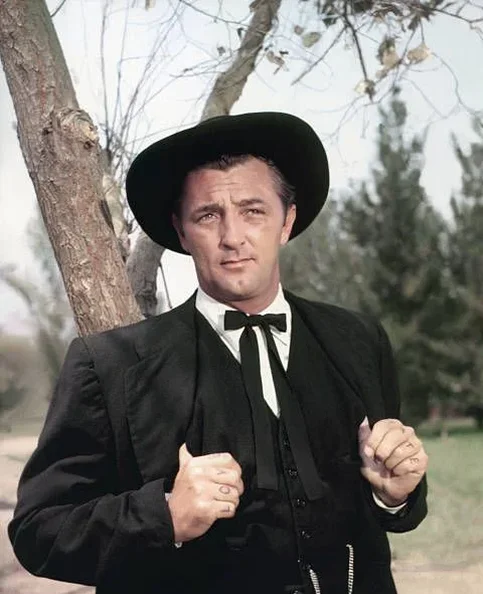
Before he became a Hollywood icon, Robert Mitchum led a life filled with varied experiences. He worked as a shipyard worker, a hobo, and even a boxer. In his youth, he traveled extensively, often riding the rails and working odd jobs to survive. These experiences shaped his worldview and contributed to his rugged and cynical on-screen persona. His early life was marked by a sense of restlessness and a desire for freedom, which would later be reflected in his film roles. Mitchum’s identity was that of a man who had seen the world from the bottom up and had the stories to prove it.
Timeline
- 1917 – Robert Mitchum is born in Bridgeport, Connecticut.
- 1920 – His father dies in a crane accident, leaving his mother to raise him and his siblings alone.
- 1932 – Mitchum drops out of school to help support his family, working various jobs.
- 1938 – He makes his film debut in the short film “Carolyn Born inWvell.”
- 1943 – Mitchum’s breakthrough role comes in “The Story of G.I. Joe.”
- 1947 – He stars in the noir classic “Out of the Past.”
- 1955 – Mitchum directs and stars in “Thunder Road.”
- 1958 – He appears in “The Night of the Hunter,” a critically acclaimed film.
- 1971 – Mitchum is arrested for possession of marijuana, a controversy that garners significant media attention.
- 1997 – Robert Mitchum passes away at the age of 79 in Santa Barbara, California.
Favourites
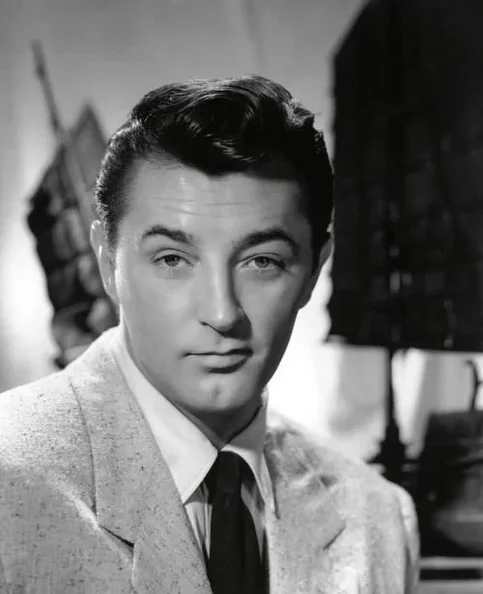
- Cigar – Robert Mitchum was a lifelong smoker, often seen with a cigar in hand.
- Movies – Some of his favorite films include “The Story of G.I. Joe,” “Out of the Past,” and “Cape Fear.”
- Authors – Mitchum was an avid reader and admired authors like Raymond Chandler and Ernest Hemingway.
- Music – He had a deep appreciation for jazz music and often performed in clubs.
- Actors – Mitchum held fellow actors like Marlon Brando and James Dean in high regard.
- Directors – He particularly enjoyed working with directors like John Huston and Orson Welles.
- Locations – Mitchum had a fondness for Santa Barbara, California, where he spent much of his later years.
- Food – He enjoyed simple, hearty meals, reflecting his down-to-earth personality.
Controversies
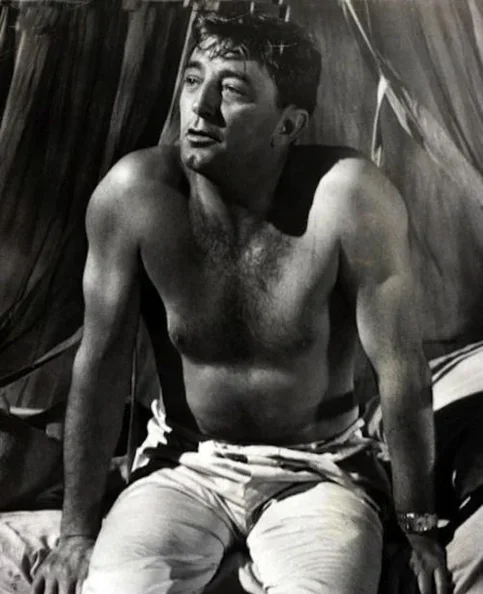
- 1948 Racial Mixing Scandal – Mitchum was arrested for consorting with a woman of a different race, a crime at the time, which caused significant controversy.
- 1971 Marijuana Arrest – He was arrested for possession of marijuana, leading to a highly publicized court case.
- Political Stances – Mitchum’s sometimes controversial political views and statements, particularly during the Cold War era, drew criticism.
- Allegations of Racism – Despite being progressive for his time, he made comments that were perceived as racially insensitive, causing backlash.
- Family Issues – Mitchum’s tumultuous relationship with his family, including his five children, was often in the media spotlight.
- Legal Troubles – He faced several legal issues throughout his life, including fines and fines for speeding and reckless driving.
- Privacy Battles – Mitchum was known for his dislike of the media and often clashed with paparazzi and reporters.
- Public Intemperance – His public displays of anger and drunkenness were frequent subjects of gossip and scandal.
- Drug Use Allegations – Rumors of drug use and addiction followed Mitchum throughout his career.
- Allegations of Womanizing – His reputation as a womanizer and his numerous affairs were often discussed in the media.
Control vs chaos
Robert Mitchum’s life was a delicate balance between control and chaos. On one hand, he was a disciplined actor and director, known for his professionalism and dedication to his craft. On the other hand, his personal life was marked by impulsivity and a rebellious spirit. Mitchum’s ability to navigate these contrasting forces was a significant factor in his enduring appeal. He embodied the quintessential anti-hero, a man who could be both a pillar of strength and a force of nature, always pushing the boundaries of what was expected of him.
Emotional geography
The emotional landscape of Robert Mitchum’s life was as rich and complex as the characters he portrayed on screen. His experiences as a young man, drifting from place to place and job to job, left a deep imprint on his psyche. These travels and the people he met along the way shaped his worldview and informed his performances. Mitchum’s emotional geography was marked by a sense of restlessness and a yearning for freedom, as well as a profound understanding of the human condition. His films often explored themes of isolation, redemption, and the struggle between good and evil, reflecting the inner conflicts that defined his own life.
FAQs
-
When was Robert Mitchum born?
Robert Mitchum was born on August 6, 1917, in Bridgeport, Connecticut.
-
What were some of Robert Mitchum’s most famous films?
Some of Robert Mitchum’s most famous films include “The Story of G.I. Joe,” “Out of the Past,” “Cape Fear,” “Thunder Road,” and “The Night of the Hunter.”
-
What was Robert Mitchum’s early life like?
Robert Mitchum’s early life was marked by hardship and struggle. His father died when he was three, and he had to work from a young age to support his family. He also traveled extensively as a young man, working various jobs and experiencing different parts of the country.
-
How did Robert Mitchum get into acting?
Robert Mitchum entered the film industry in the late 1930s, making his debut in a short film. He gradually built his career through a series of roles, with his breakthrough coming in “The Story of G.I. Joe” in 1943.
-
What kind of roles was Robert Mitchum known for?
Robert Mitchum was known for his roles as rugged, often cynical characters in film noir and action movies. He had a distinctive screen presence that made him a standout in the genre.
-
Did Robert Mitchum direct any films?
Yes, Robert Mitchum directed several films, including “Thunder Road” in 1958. He also directed “TheIFI Story” (1960) and “Wendigo” (1975).
-
What were some of Robert Mitchum’s personal interests?
Robert Mitchum was an avid reader and had a deep appreciation for jazz music. He also enjoyed writing and published a few poems during his lifetime.
-
What was Robert Mitchum’s relationship with his family like?
Robert Mitchum had a complex relationship with his family. He had five children and was known for his occasional absence and tumultuous dynamics, often due to his busy career and personal struggles.
-
Did Robert Mitchum face any legal issues?
Yes, Robert Mitchum faced several legal issues throughout his life, including arrests for consorting with a woman of a different race in 1948 and possession of marijuana in 1971.
-
How did Robert Mitchum’s political views influence his career?
Robert Mitchum’s political views, particularly during the Cold War era, sometimes caused controversy and affected his career. He was known for his progressive stance and occasionally made statements that drew criticism.
-
What was Robert Mitchum’s legacy in the film industry?
Robert Mitchum’s legacy in the film industry is that of a versatile and charismatic actor who left an indelible mark on the genre of film noir. His performances continue to be celebrated for their depth and authenticity.
-
Where did Robert Mitchum spend his later years?
Robert Mitchum spent much of his later years in Santa Barbara, California, where he passed away on July 1, 1997.
-
What is the enduring appeal of Robert Mitchum?
Robert Mitchum’s enduring appeal lies in his unique screen presence, his ability to convey complex emotions through subtle performances, and his iconic roles in classic films. His rebellious spirit and rugged charm continue to resonate with audiences today.