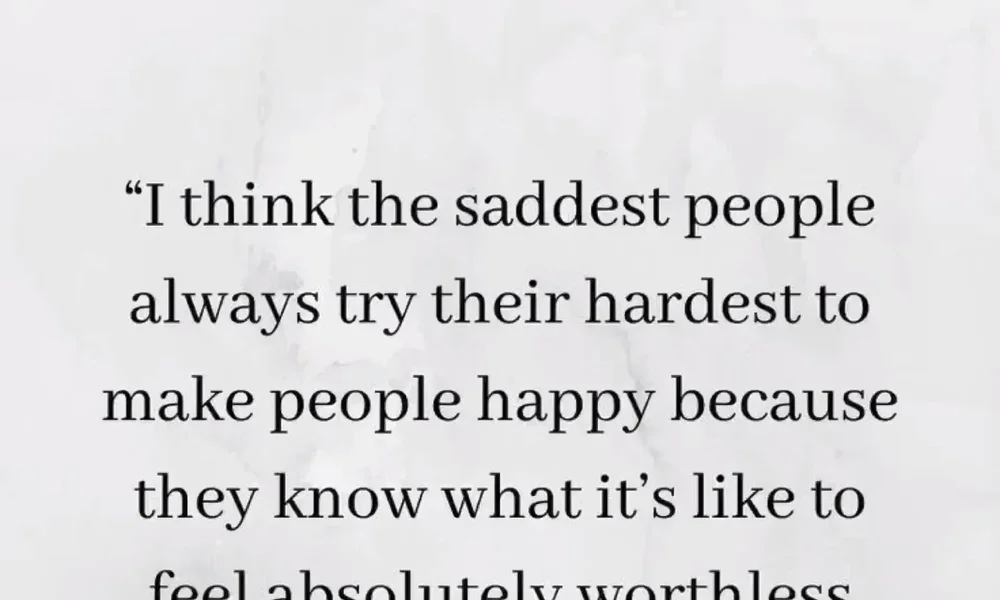
Robin Williams, an American actor and comedian, left an indelible mark on the entertainment industry with his unparalleled talent, infectious laughter, and profound performances. Known for his energetic and improvisational style, Williams rose to fame in the 1970s and continued to captivate audiences with his versatility and emotional depth. From his breakout role in the sitcom Mork & Mindy to his Oscar-winning performance in Good Will Hunting, Williams was a beloved figure whose career spanned over four decades. Beyond his comedic genius, he was a deeply empathetic and generous individual who used his platform to advocate for various causes. Tragically, his life was cut short by his battle with depression and Lewy body dementia, leaving a legacy that continues to inspire and entertain.
PERSONAL INFORMATION
| Name | Robin Williams |
|---|---|
| Date of Death | 11 August 2014 |
| Place of Birth | Chicago |
| Nationality | United States |
| Date of Birth | 21 July 1951 |
| Age at Death | 63 Years |
| Zodiac Sign | Cancer |
| Place of Death | Tiburon, Paradise Cay |
| Residence | Sea Cliff, Bloomfield Hills, Chicago, Paradise Cay, San Francisco |
| Religion | Episcopal Church |
| Birth Name | Robin McLaurin Williams |
| Languages Spoken | English |
| Gender | Male |
| Native Name | Robin Williams |
| Native Language | English |
FAMILY
| Mother | Laura McLaurin |
|---|---|
| Spouse | Valerie Velardi, Marsha Garces, Susan Schneider |
| Children | Zachary Williams, Zelda Williams, Cody Williams |
| Father | Robert Williams |
| Siblings | Robert Williams |
EDUCATION
| Educated At | Juilliard School, Claremont McKenna College, Detroit Country Day School, Redwood High School, College of Marin, Durham College |
|---|
CAREER
| Profession | stand-up comedian, television actor, film actor, actor, comedian, film producer, screenwriter, audiobook narrator, stage actor, voice actor, mime artist |
|---|---|
| Awards Received | Academy Award for Best Supporting Actor, Golden Globe Award for Best Motion Picture – Musical or Comedy, Screen Actors Guild Award for Outstanding Performance by a Male Actor in a Supporting Role, Grammy Award for Best Comedy Album, National Board of Review Award for Best Actor, Golden Globe Award for Best Actor – Motion Picture Musical or Comedy, Golden Globe Award for Best Actor – Motion Picture Musical or Comedy, Screen Actors Guild Award for Outstanding Performance by a Cast in a Motion Picture, MTV Movie Award for Best Comedic Performance, MTV Movie Award for Best Comedic Performance, Grammy Award for Best Comedy Album, Primetime Emmy Award for Individual Performance in a Variety or Music Program, Screen Actors Guild Award for Outstanding Performance by a Cast in a Motion Picture, Golden Globe Cecil B. DeMille Award, Disney Legends, Golden Globe Award for Best Actor – Motion Picture Musical or Comedy, Primetime Emmy Award for Individual Performance in a Variety or Music Program, Grammy Award for Best Comedy Album, Grammy Award for Best Album for Children, Grammy Award for Best Comedy Album, Saturn Award for Best Supporting Actor, Saturn Award for Best Actor, star on Hollywood Walk of Fame, Jane Fonda Humanitarian Award |
| Nominations | Academy Award for Best Actor, Academy Award for Best Supporting Actor, Academy Award for Best Actor, Academy Award for Best Actor, BAFTA Award for Best Actor in a Leading Role, BAFTA Award for Best Actor in a Leading Role, Primetime Emmy Award for Outstanding Lead Actor in a Comedy Series, Grammy Award for Best Album for Children, Screen Actors Guild Award for Outstanding Performance by a Male Actor in a Supporting Role, Golden Globe Award for Best Actor – Motion Picture Musical or Comedy, Grammy Award for Best Comedy Album, Grammy Award for Best New Artist, Golden Globe Award for Best Actor – Motion Picture Drama, David di Donatello for Best Foreign Actor, Grammy Award for Best Comedy Album, MTV Movie Award for Best Comedic Performance, Primetime Emmy Award for Individual Performance in a Variety or Music Program, Screen Actors Guild Award for Outstanding Performance by a Cast in a Motion Picture, Golden Raspberry Award for Worst Actor, Golden Raspberry Award for Worst Supporting Actor – Razzie Award, Golden Globe Award for Best Supporting Actor – Motion Picture, MTV Movie Award for Best Male Performance, Golden Globe Cecil B. DeMille Award, Primetime Emmy Award for Outstanding Guest Actor in a Drama Series, MTV Movie Award for Best On-Screen Duo, Critics’ Choice Movie Award for Best Actor, Satellite Award for Best Actor in a Musical or Comedy, Satellite Award for Best Actor – Motion Picture, Primetime Emmy Award for Outstanding Variety, Music, or Comedy Special, Golden Globe Award for Best Motion Picture – Musical or Comedy, Primetime Emmy Award for Outstanding Writing for a Variety Series |
| Record Label | Columbia Records |
| Work Period Start | 1972 |
| Work Period End | 2014 |
| Member Of | SAG-AFTRA, Screen Actors Guild |
| Field of Work | acting, dubbing |
FINANCIAL
| Net Worth | 100000000 |
|---|
SOCIAL MEDIA & LINKS
| IMDB ID | nm0000245 |
|---|---|
| Official Website | http://www.robinwilliams.com |
| @robinwilliams | |
| RobinWilliams | |
| Wikipedia | Wikipedia |
Cost of becoming
The cost of becoming Robin Williams was not just a matter of talent and hard work but also a profound personal journey. His early years were marked by a series of challenges, including a sense of isolation and a struggle with his own emotional well-being. Williams’s improvisational skills and ability to connect with audiences were both a gift and a source of intense pressure. The high demands of his career, coupled with his own internal battles, took a toll on his mental health. Despite his immense success, Williams grappled with depression, addiction, and the relentless pace of the entertainment industry. His journey illustrates the often hidden costs of achieving greatness, highlighting the importance of mental health and personal well-being.
Identity before fame
Before he became a household name, Robin Williams was a young man searching for his place in the world. Born in Chicago, Illinois, on July 21, 1951, he grew up in a family that valued creativity and education. His mother, Laurie McKee, was a former model, and his father, Robert Fitzgerald Williams, was an executive at Ford Motor Company. Williams’s early years were marked by a love for comedy and a fascination with character creation. He attended Claremont Men’s College (now Claremont McKenna College) and later the Juilliard School, where he honed his skills under the mentorship of John houseman. These formative experiences laid the foundation for his future success, shaping his unique style and comedic genius.
Timeline
- 1951: Robin Williams is born in Chicago, Illinois.
- 1978: Williams gains national attention for his role as Mork in the sitcom Mork & Mindy.
- 1982: He stars in the film Popeye, directed by Robert Altman.
- 1987: Williams delivers a powerful performance in Good Morning, Vietnam, earning his first Academy Award nomination.
- 1993: He voices the character of the Genie in the animated film Aladdin.
- 1997: Williams wins an Academy Award for Best Supporting Actor for his role in Good Will Hunting.
- 1998: He stars in the film What Dreams May Come, which explores themes of love and loss.
- 2002: Williams receives the Mark Twain Prize for American Humor.
- 2009: He is honored with a star on the Hollywood Walk of Fame.
- 2014: Sadly, Robin Williams passes away on August 11, leaving behind a legacy of joy and inspiration.
Favourites
- Movie: Dead Poets Society
- Book: The Catcher in the Rye by J.D. Salinger
- Musician: Billy Joel
- Comedian: Jonathan Winters
- Director: Terry Gilliam
- Hobby: Improv and stand-up comedy
- Charity: The Christopher & Dana Reeve Foundation
- Role: John Keating in Dead Poets Society
Controversies
- 1988: Williams was involved in a dispute over the ownership of the character of Mork in Mork & Mindy.
- 1991: He faced criticism for his comments about President George H.W. Bush during a USO tour.
- 1997: Williams’s portrayal of Sean Maguire in Good Will Hunting was criticized by some for being overly sentimental.
- 2003: He drew controversy for his criticism of Disney during the promotion of Aladdin.
- 2006: Williams was accused of cultural appropriation for his role in The Night at the Museum.
- 2009: He faced backlash for his remarks about the 2008 presidential election.
- 2010: Williams was criticized for his portrayal of a gay character in Fluffer.
- 2011: He was involved in a dispute over the rights to his stand-up comedy material.
- 2012: Williams was criticized for his comedic take on the DSM-5 during a live performance.
- 2013: He faced criticism for his comments about the film industry during an interview.
Control vs chaos
Robin Williams’s career and life were a delicate balance between control and chaos. On stage and screen, he was a master of improvisation, often blurring the lines between scripted material and spontaneous creativity. This unpredictability was a hallmark of his performances, allowing him to connect with audiences in a deeply personal way. However, this same spontaneity could be a source of anxiety and uncertainty, especially when it came to his personal life. Williams’s struggles with addiction and depression often brought chaos into his world, but he found solace and control through his art and his commitment to helping others. His ability to find order in chaos was a testament to his resilience and inner strength.
Emotional geography
Robin Williams’s emotional landscape was a rich and complex tapestry of joy and sorrow. His performances were often marked by a deep emotional resonance, whether he was making people laugh or move them to tears. Williams’s own struggles with depression and addiction added layers of depth to his work, allowing him to tap into a universal human experience of pain and healing. His ability to evoke a wide range of emotions in his audiences was a reflection of his own inner world, a place where laughter and tears were often intertwined. This emotional geography was a key aspect of his legacy, inspiring empathy and connection in those who encountered his work.
FAQs
-
What was Robin Williams’s most famous role?
Robin Williams is perhaps best known for his role as the alien Mork in the sitcom Mork & Mindy. However, his portrayal of the inspirational teacher John Keating in Dead Poets Society and his award-winning performance as Sean Maguire in Good Will Hunting are also widely celebrated.
-
How did Robin Williams get his start in Hollywood?
Williams began his career with a few small roles in local theater productions. His breakthrough came in 1978 when he was cast as Mork in a Happy Days episode that led to the spin-off series Mork & Mindy. This role launched his career and brought him national attention.
-
What is Robin Williams’s educational background?
Robin Williams attended Claremont Men’s College (now Claremont McKenna College) and later studied at the Juilliard School in New York City, where he honed his acting and improvisational skills under the mentorship of John Houseman.
-
What are some of Robin Williams’s notable films?
Some of Robin Williams’s most notable films include Good Morning, Vietnam, Dead Poets Society, The Fisher King, What Dreams May Come, Insomnia, One Hour Photo, and The Birdcage.
-
How did Robin Williams’s comedy style evolve over the years?
Robin Williams’s comedy style evolved from his early days of high-energy, improvisational stand-up to a more nuanced and character-driven approach in his later films. While he continued to showcase his improvisational skills, he also developed a reputation for deep, emotionally resonant performances.
-
What charitable causes did Robin Williams support?
Robin Williams was involved in various charitable causes, including the Christopher & Dana Reeve Foundation, which supports spinal cord injury research and rehabilitation. He also supported veterans and military families through his work with the USO and was a strong advocate for mental health awareness.
-
What were some of Robin Williams’s personal struggles?
Robin Williams struggled with depression, anxiety, and addiction throughout his life. These challenges often impacted his work and personal life, but he also used his platform to raise awareness about mental health issues and the importance of seeking help.
-
How did Robin Williams contribute to the film industry?
Robin Williams contributed to the film industry not only through his performances but also through his support of fellow actors and filmmakers. He was known for his generosity and his willingness to mentor young talent. His roles in both comedies and dramas helped to broaden the range of what was possible for actors in the industry.
-
What impact did Robin Williams have on comedy?
Robin Williams had a significant impact on comedy by redefining what it means to be a comedic actor. His blend of physical comedy, improvisation, and emotional depth inspired a generation of comedians and actors. His ability to switch seamlessly between laughter and tears set a new standard for comedy performances.
-
What are some of Robin Williams’s most memorable quotes?
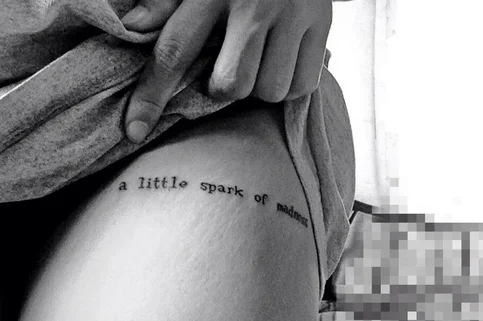
Robin Williams delivered many memorable quotes throughout his career. Some of his most famous include, “You’re only given a little spark of madness. You mustn’t lose it,” and “To thine own self be true, and it must follow, as the night the day, thou canst not then be false to any man.”
-
How did Robin Williams’s death impact the entertainment industry?
Robin Williams’s death on August 11, 2014, sent shockwaves through the entertainment industry and beyond. His passing was a profound loss, and tributes poured in from fans and colleagues around the world. Many expressed gratitude for his contributions to film, television, and comedy, and his legacy continues to inspire and entertain new generations.
-
What posthumous recognitions did Robin Williams receive?
fter his death, Robin Williams received several posthumous recognitions, including the Governors Award from the Academy of Motion Picture Arts and Sciences in 2014. His legacy was also honored at various film festivals and industry events, with many organizations and fans continuing to celebrate his contributions to the arts.
-
What is the Robin Williams Center for directors?
The Robin Williams Center for Directors is a program at the School of Drama at the California Institute of the Arts (CalArts). It was established in his honor to support and develop new talent in the field of directing. The center aims to carry on Williams’s legacy of creativity and mentorship by providing resources and opportunities for aspiring directors.
-
How does Robin Williams’s legacy continue to influence today’s entertainment?
Robin Williams’s legacy continues to influence today’s entertainment through his enduring works and his impact on the industry. His performances in both comedy and drama have set a high bar for actors, and his use of comedy to address serious issues has inspired many to follow in his footsteps. His life and career serve as a reminder of the power of art to bring joy and healing to the world.