
Rock Hudson, born Roy Harold Scherer Jr., was a towering figure in Hollywood during the Golden Age of cinema. Known for his chiseled good looks, debonair charisma, and notable performances in both drama and comedy, Hudson’s career spanned over three decades. Despite his immense public success, Hudson’s personal life was marked by secrecy and tragedy, as he was one of the first major Hollywood stars to publicly acknowledge and later succumb to AIDS. This article delves into the multifaceted life, career, and legacy of Rock Hudson, exploring the intricate dynamics of his journey from Roy Scherer to the iconic actor we remember today.
PERSONAL INFORMATION
| Name | Rock Hudson |
|---|---|
| Gender | Male |
| Place of Birth | Winnetka |
| Place of Death | Marina del Rey |
| Date of Death | 02 October 1985 |
| Nationality | United States |
| Date of Birth | 17 November 1925 |
| Age at Death | 59 Years |
| Zodiac Sign | Scorpio |
| Native Name | Rock Hudson, Roy Harold Scherer Jr. |
| Languages Spoken | English |
| Birth Name | Roy Harold Scherer Jr. |
| Native Language | English |
PHYSICAL STATISTICS
| Height (in centimeters) | 196 cm |
|---|---|
| Height (in meters) | 1.96 m |
| Height (in feet inches) | 6′ 5″ |
FAMILY
| Spouse | Phyllis Gates |
|---|
EDUCATION
| Educated At | New Trier High School |
|---|
CAREER
| Profession | television actor, film actor, stage actor, actor, HIV/AIDS activist, military personnel |
|---|---|
| Nominations | Academy Award for Best Actor |
| Work Period Start | 1948 |
| Work Period End | 1985 |
| Genre | Western film, drama film, horror film, science fiction film, thriller film, science fiction horror film, adventure film, action film, psychological thriller film, mystery film, crime film, psychological horror film |
| Awards Received | star on Hollywood Walk of Fame |
Cost of Becoming
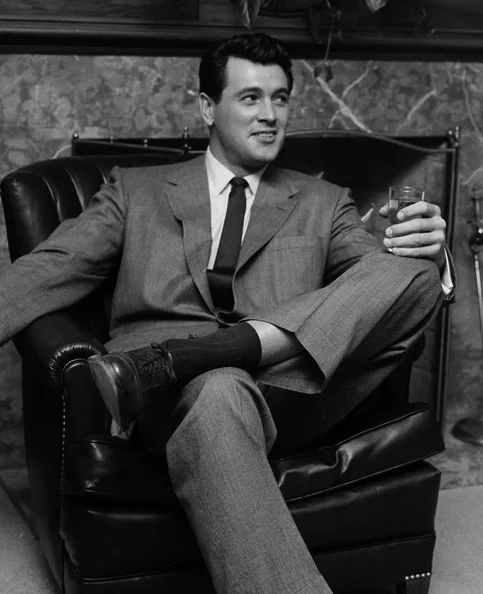
The transformation from Roy Scherer to Rock Hudson came at a significant cost. Hudson’s rise to stardom was meticulously crafted by the Hollywood studio system, particularly by talent agent Henry Willson. In the early 1950s, Willson changed Scherer’s name to Rock Hudson, a move that not only enhanced his marketability but also distanced him from his humble beginnings. The cost of this transformation was the suppression of his true identity, including his sexuality and early life struggles. Hudson’s compliance with the studio’s demands and the constant pressure to maintain a heterosexual image took a toll on his mental and emotional well-being.
Identity Before Fame
Before he became Rock Hudson, Roy Scherer was a young man from Winnetka, Illinois. Growing up in a working-class family, Scherer’s early life was marked by modest beginnings and a love for acting. He moved to California in the late 1940s to pursue his dreams, initially working as a truck driver and laborer. His striking good looks and natural charisma caught the attention of talent agents, leading to his first minor roles in films and eventually his contract with Universal Pictures. The journey from Roy Scherer to Rock Hudson was a gradual but transformative one, shaped by both personal ambition and the demands of the film industry.
Timeline
- 1925: Born Roy Harold Scherer Jr. in Winnetka, Illinois
- 1947: Moves to California to pursue an acting career
- 1951: Cast in his first film, ” rubber plantation “
- 1953: Renamed Rock Hudson by talent agent Henry Willson
- 1955: Starred in the critically acclaimed film “All That Heaven Allows,” directed by Douglas Sirk
- 1957: Won a Golden Globe for Best Actor for his role in “A Farewell to Arms”
- 1959: Appeared in the comedy classic “Pillow Talk” with Doris Day
- 1968: Directed his first film, “Figure in a Landscape”
- 1984: Publicly disclosed his diagnosis with AIDS
- 1985: Passed away on October 2, at the age of 59
Favourites
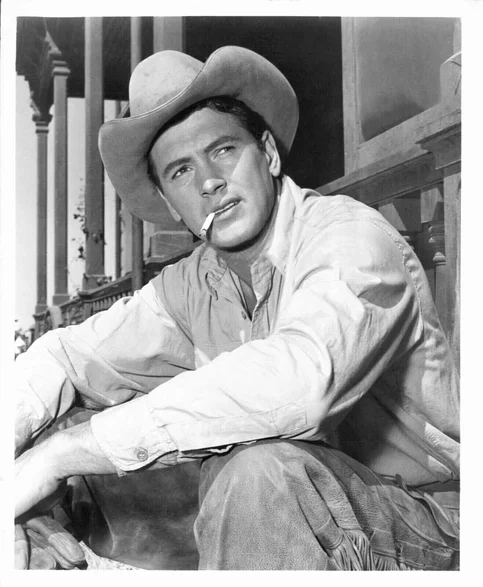
- Favorite Film: “Pillow Talk” (1959)
- Favorite Director: Douglas Sirk
- Favorite Co-Star: Doris Day
- Favorite Genre: Drama
- Favorite Hobby: Interior Design
- Favorite Book: “The Picture of Dorian Gray” by Oscar Wilde
- Favorite Place: Palm Springs, California
- Favorite Food: Steak
- Favorite Drink: Scotch
- Favorite Season: Fall
Controversies
- His public struggles with the closet and the pressure to maintain a heterosexual image
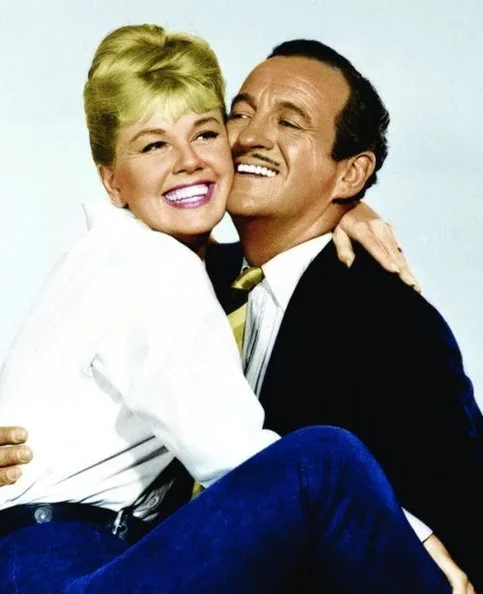
- Alleged affair with Doris Day, which both parties consistently denied
- His relationship with Henry Willson and the controversial nature of their professional partnership
- Speculation about his mental health and the impact of his secret life on his well-being
- His early roles and the typecasting that came with them, limiting his range as an actor
- Public disclosure of his AIDS diagnosis and the subsequent media scrutiny
- His involvement in the film “Lucky Lady” (1975), which was widely panned by critics
- Allegations of on-set conflicts and difficult behavior, particularly during the filming of “Seconds” (1966)
- The controversy surrounding his estate and the distribution of his assets after his death
- His stance on the AIDS crisis and the limited public activism he engaged in
Control vs Chaos
Rock Hudson’s life was a delicate balance between control and chaos. On one hand, he meticulously managed his public image, adhering to the expectations of the Hollywood system and the demands of his studio. This control extended to his personal life, where he carefully guarded his privacy and maintained the facade of a heterosexual lifestyle. On the other hand, the pressure to conform to societal norms and the constant fear of exposure created a chaotic inner world. The tension between his public persona and his true self ultimately took a toll on his mental and physical health, leading to the tragic events that marked the latter part of his life.
Emotional Geography
Rock Hudson’s emotional geography was a complex landscape shaped by the dichotomy of his public and private lives. In Hollywood, he was a celebrated star, adored by fans and respected by colleagues. Privately, however, he faced the constant struggle of living a double life, hiding his true identity from the world. This duality created a sense of isolation and loneliness, even amidst the glamour and success. Hudson’s relationships were often fraught with tension, and his inner turmoil was a testament to the emotional toll of living a life defined by secrets and appearances.
FAQs
-
When was Rock Hudson born?
Rock Hudson was born on November 17, 1925, in Winnetka, Illinois.
-
What was Rock Hudson’s birth name?
His birth name was Roy Harold Scherer Jr.
-
Why did Rock Hudson change his name?
His name was changed to Rock Hudson by talent agent Henry Willson to enhance his marketability and appeal to audiences.
-
What was Rock Hudson’s first major film?
His first major film was “All That Heaven Allows” (1955), directed by Douglas Sirk.
-
What is Rock Hudson’s most famous film?
One of his most famous films is “Pillow Talk” (1959), a romantic comedy co-starring Doris Day.
-
Did Rock Hudson win any major awards?
Yes, he won a Golden Globe for Best Actor for his role in “A Farewell to Arms” (1957).
-
What genre of films was Rock Hudson known for?
He was known for both drama and comedy, with films like “All That Heaven Allows” and “Pillow Talk” being notable examples.
-
Was Rock Hudson openly gay during his career?
No, he was not openly gay during his career. He maintained a heterosexual image to comply with the expectations of the Hollywood system.
-
When did Rock Hudson publicly disclose his diagnosis with AIDS?
He publicly disclosed his diagnosis with AIDS in July 1984.
-
How did Rock Hudson’s AIDS diagnosis impact public awareness of the disease?
His diagnosis brought significant attention to the AIDS crisis and helped to destigmatize the disease, though his impact was limited by the era’s prejudices and lack of understanding.
-
What was Rock Hudson’s relationship with Doris Day like?
They developed a close professional relationship and were often paired in romantic comedies, though there were no known romantic connections between them.
-
What did Rock Hudson do after his acting career?
fter his acting career, Hudson directed a film titled “Figure in a Landscape” (1968) and continued to make occasional appearances in television and film.
-
What was Rock Hudson’s legacy in Hollywood?
Rock Hudson’s legacy includes his contributions to the golden age of Hollywood, his impact on the portrayal of male leads in film, and his tragic role in raising awareness about the AIDS crisis.
-
How did Rock Hudson’s personal life affect his career?
The need to maintain a heterosexual image and the stress of living a double life took a significant toll on his mental and emotional health, which in turn affected his career choices and relationships.
-
What were some of Rock Hudson’s favorite hobbies?
Some of his favorite hobbies included interior design, reading, and spending time in Palm Springs, California.
-
What was Rock Hudson’s last film?
His last film was “The Colonel’s Ring” (1978), though he made a few television appearances after that.
Rock Hudson’s life and career are a poignant reminder of the complexities of fame and the human cost of maintaining a public persona. His legacy extends beyond the films he starred in, touching on issues of identity, acceptance, and the enduring impact of one’s life story on the broader cultural landscape. Despite the challenges he faced, Hudson’s contributions to cinema and his role in bringing awareness to the AIDS crisis continue to resonate with audiences today.