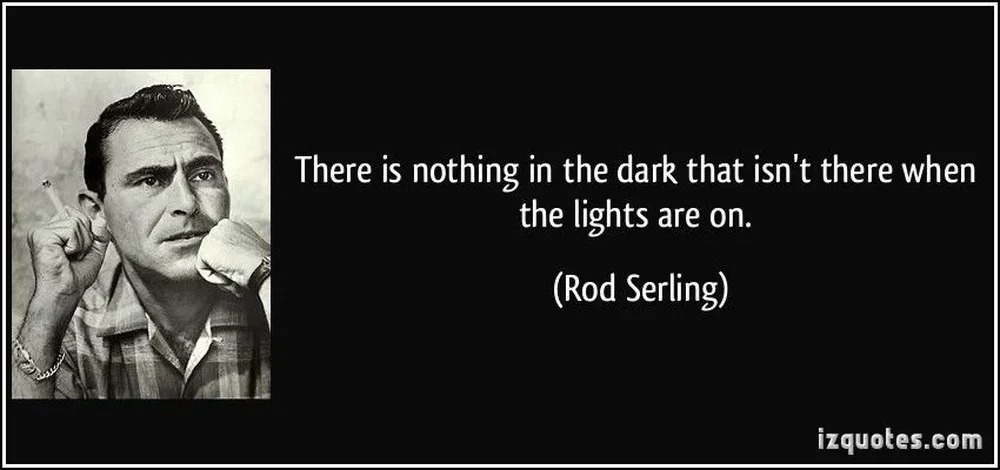
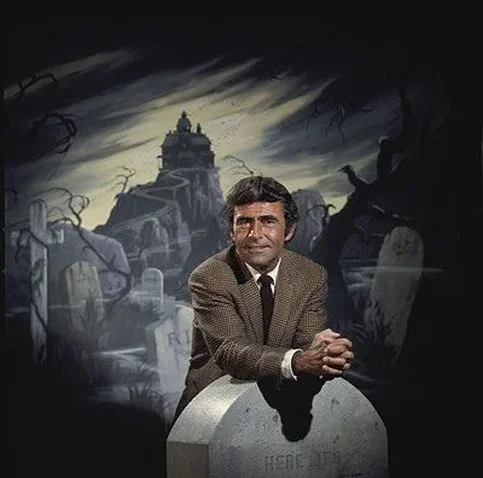
Rod Serling, a towering figure in the annals of American television and screenwriting, is best known for his groundbreaking anthology series, “The Twilight Zone.” Born on December 25, 1924, in Syracuse, New York, Serling’s life and career were marked by a relentless pursuit of storytelling that challenged societal norms and explored the depths of human nature. His works, often tinged with a sense of the surreal and the supernatural, have left an indelible mark on popular culture. Beyond “The Twilight Zone,” Serling’s contributions to television and film have earned him a place among the most influential writers of the 20th century. His life was a blend of personal struggles, professional triumphs, and a deep commitment to using his craft to make a difference in the world.
PERSONAL INFORMATION
| Name | Rod Serling |
|---|---|
| Date of Birth | 25 December 1924 |
| Age at Death | 50 Years |
| Zodiac Sign | Capricorn |
| Date of Death | 28 June 1975 |
| Place of Birth | Syracuse |
| Nationality | United States |
| Place of Death | Rochester |
| Religion | Unitarian Universalism |
| Gender | Male |
| Languages Spoken | English |
| Native Name | Rodman Serling |
| Birth Name | Rodman Edward Serling |
| Nickname | Rod Serling |
FAMILY
| Spouse | Carol Serling |
|---|---|
| Siblings | Robert J. Serling |
EDUCATION
| Educated At | Antioch College, Binghamton High School |
|---|
CAREER
| Awards Received | Bronze Star Medal, Peabody Awards, Purple Heart, Inkpot Award, Science Fiction and Fantasy Hall of Fame, star on Hollywood Walk of Fame, Golden Globe Award for Best Director, Primetime Emmy Award for Outstanding Writing for a Drama Series, Primetime Emmy Award for Outstanding Writing for a Drama Series, Primetime Emmy Award for Outstanding Writing for a Drama Series, Primetime Emmy Award for Outstanding Writing for a Drama Series, Hugo Award for Best Dramatic Presentation, Philippine Liberation Medal, Hugo Award for Best Dramatic Presentation, Hugo Award for Best Dramatic Presentation, Army Good Conduct Medal |
|---|---|
| Profession | writer, film producer, screenwriter, science fiction writer, novelist, actor, television actor |
| Notable Works | Patterns, The Twilight Zone, Planet of the Apes |
| Work Period Start | 1954 |
| Work Period End | 1975 |
Cost of Becoming
The journey of Rod Serling to becoming one of the most celebrated writers in television history was not an easy one. His early years were marked by financial struggles and the challenges of pursuing a career in a highly competitive field. Serling’s experiences as a soldier in World War II, where he witnessed the horrific reality of war, deeply influenced his worldview and his writing. He often drew from his own traumatic experiences to infuse his stories with a raw and authentic emotional depth. The cost of becoming a successful writer for Serling was not just measured in terms of financial sacrifices but also in the personal toll it took on his mental and emotional well-being. Despite these challenges, Serling’s unwavering dedication to his craft and his belief in the power of storytelling propelled him to the pinnacle of his profession.
Identity Before Fame
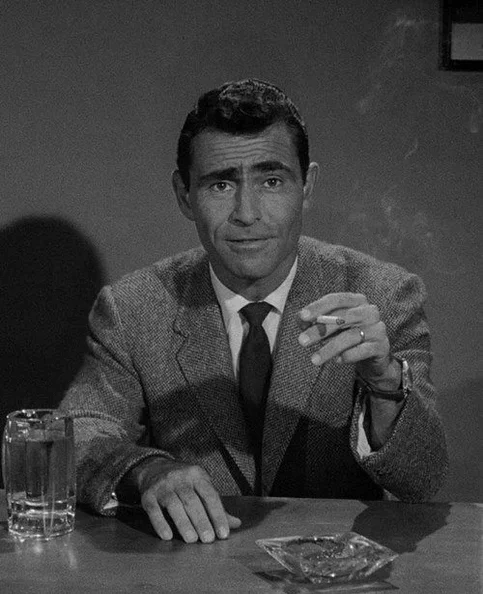
Before he became a household name, Rod Serling was a young man with a passion for writing and a keen interest in social issues. He grew up in a modest family in Binghamton, New York, where he developed a love for literature and storytelling. After serving in the U.S. Army during World War II, Serling returned to the United States and enrolled at Antioch College in Ohio. It was during his college years that he began to hone his writing skills and started submitting scripts to various radio and television shows. His early works, while not widely recognized, laid the foundation for his future success. Serling’s identity before fame was shaped by his experiences as a soldier and his deep commitment to addressing social inequalities through his writing.
Timeline
- 1924 – Born on December 25 in Syracuse, New York
- 1943 – Enlists in the U.S. Army during World War II
- 1946 – Enrolls at Antioch College in Yellow Springs, Ohio
- 1951 – Sells his first television script, “The Time Element,” to “Anthology”
- 1955 – Wins his first Emmy for the teleplay “Patterns”
- 1959 – Creates and hosts “The Twilight Zone,” which premieres on CBS
- 1963 – “The Twilight Zone” ends after five seasons
- 1970 – Develops the DARPA (Defense Advanced Research Projects Agency) series “Night Gallery”
- 1971 – Serves as a professor of television and film at the University of California, Los Angeles (UCLA)
- 1975 – Dies on June 28 in Rochester, New York
Favourites
- Favorite Book: “The Great Gatsby” by F. Scott Fitzgerald
- Favorite Film: “Citizen Kane” directed by Orson Welles
- Favorite Writer: William Faulkner
- Favorite Television Show: “The Twilight Zone” (his own creation)
- Favorite Place: His home in Binghamton, New York
- Favorite Quote: “There is no quick and simple solution to the problems of the world, but there are small, brave, and persistent steps that we can take to make things better.” – Rod Serling
- Favorite Food: Italian cuisine
- Favorite Hobby: Writing and reading
- Favorite Historical Figure: Abraham Lincoln
- Favorite Music: Classical and jazz
Controversies
- Censorship of “The Thanksgiving Day Story”: CBS censored Serling’s original script about racial prejudice, leading to a public outcry.
- Disputes with Network Executives: Serling often clashed with network executives over creative control and the direction of his shows.
- Puerto Rican Controversy: His episode “It’s a Good Life” was criticized for its portrayal of a young boy with psychic powers, which some saw as a reflection of his own experiences.
- Political Activism: Serling’s outspoken views on social and political issues sometimes made him a target of criticism and controversy.
- Battles with Advertisers: He frequently fought with advertisers who tried to influence the content of his shows.
- Personal Struggles: Serling’s battles with alcoholism and depression were well-known, adding to the controversies surrounding his life.
- Criticism of “The Twilight Zone”: Some critics argued that the show’s supernatural elements detracted from its social commentary.
- Feud with Actors: Serling’s high standards and demanding nature sometimes led to conflicts with actors and other crew members.
- Allegations of Plagiarism: There were unsubstantiated claims that Serling plagiarized some of his scripts, though none were ever proven.
- Anti-War Stance: Serling’s strong anti-war stance during the Vietnam era often put him at odds with political conservatives.
- Public Criticisms: He was known for his sharp tongue and often publicly criticized those he felt were compromising the integrity of his work.
Control vs Chaos
Throughout his life and career, Rod Serling constantly navigated the fine line between control and chaos. His meticulous attention to detail and his high standards for his work reflect his need for control, whether it was in the writing process or in the production of his shows. However, the nature of his stories, often delving into the unpredictable and the surreal, also embraced elements of chaos. This duality is evident in “The Twilight Zone,” where Serling crafted narratives that balanced the有序与混沌的对立面,探索了人类心理的复杂性。他的故事经常在现实与超现实之间摇摆,反映了他在艺术创作中对控制与混沌的深刻理解。
Emotional Geography
Rod Serling’s emotional landscape was deeply influenced by his experiences, particularly his wartime service. The trauma he endured in the Pacific Theater during World War II left an indelible mark on his psyche, shaping his worldview and his approach to storytelling. His writing often grappled with themes of fear, uncertainty, and the human condition, reflecting a profound empathy for the struggles of ordinary people. Despite the dark and often unsettling nature of his work, Serling’s stories also carried a sense of hope and a belief in the power of human resilience. This emotional geography, a blend of darkness and light, is what makes his work so enduring and resonant.
FAQs
-
Who was Rod Serling?
Rod Serling was an American screenwriter, playwright, and television producer, best known for creating the anthology series “The Twilight Zone.” He was born on December 25, 1924, in Syracuse, New York, and died on June 28, 1975, in Rochester, New York.
-
What is “The Twilight Zone”?
“The Twilight Zone” is a classic American television series that ran from 1959 to 1964 and was created and hosted by Rod Serling. The show featured standalone episodes that explored supernatural and science fiction themes, often with a moral or social commentary.
-
What other notable works did Rod Serling write?
Besides “The Twilight Zone,” Serling wrote the teleplay for “Requiem for a Heavyweight” and created the series “Night Gallery.” He also wrote for several other television shows and films, including “Seven Days in May.”
-
How did Rod Serling’s military service influence his writing?
Serling’s experiences as a soldier in World War II, particularly the trauma he witnessed, deeply influenced his writing. Many of his stories explored themes of fear, violence, and the absurdity of war, reflecting the emotional and psychological impact of his military service.
-
What was Rod Serling’s educational background?
Serling attended Antioch College in Ohio, where he studied literature and developed his writing skills. He graduated in 1950 and went on to pursue a career in television and screenwriting.
-
How did “The Twilight Zone” perform during its initial run?
“The Twilight Zone” was critically acclaimed and won several prestigious awards, including multiple Emmy Awards. However, it faced challenges with network censorship and viewer ratings, leading to its cancellation after five seasons.
-
What were some of the controversies surrounding Rod Serling?
Serling faced several controversies, including censorship issues with network executives, disputes over creative control, and his outspoken views on social and political issues. He was also known for his battles with alcoholism and depression.
-
How did Rod Serling contribute to social commentary in his work?
Serling often used his writing to address social issues such as racial prejudice, war, and technological advancements. His stories frequently contained moral and ethical messages, challenging viewers to think critically about the world around them.
-
What was Rod Serling’s approach to storytelling?
Serling’s approach to storytelling was characterized by his meticulous attention to detail, his ability to blend the surreal with the realistic, and his deep empathy for his characters. He often drew on his own experiences to create authentic and emotionally resonant narratives.
-
What was the impact of “The Twilight Zone” on television?
“The Twilight Zone” had a significant impact on television, influencing the development of anthology series and the use of storytelling to address social issues. It is still widely regarded as one of the greatest television series of all time and continues to inspire new generations of writers and creators.
-
What legacy did Rod Serling leave behind?
Rod Serling’s legacy is that of a visionary writer who used the medium of television to explore the complexities of human nature and society. His work continues to be celebrated for its creativity, social relevance, and lasting influence on popular culture.
-
How did Rod Serling’s personal life affect his career?
Serling’s personal life, including his experiences as a soldier, his struggles with alcoholism, and his strong moral convictions, deeply influenced his career. These personal experiences often found their way into his writing, adding a layer of authenticity and depth to his stories.
-
What other roles did Rod Serling play in the entertainment industry?
part from writing and producing, Serling also served as a host and narrator for “The Twilight Zone,” and he had a brief stint as a professor of television and film at the University of California, Los Angeles (UCLA).
-
How did Rod Serling’s early life shape his writing?
Serling’s early life, marked by financial struggles and a deep love for literature, instilled in him a strong work ethic and a passion for storytelling. His experiences growing up in Binghamton, New York, and his time at Antioch College provided a rich foundation for his future writing career.