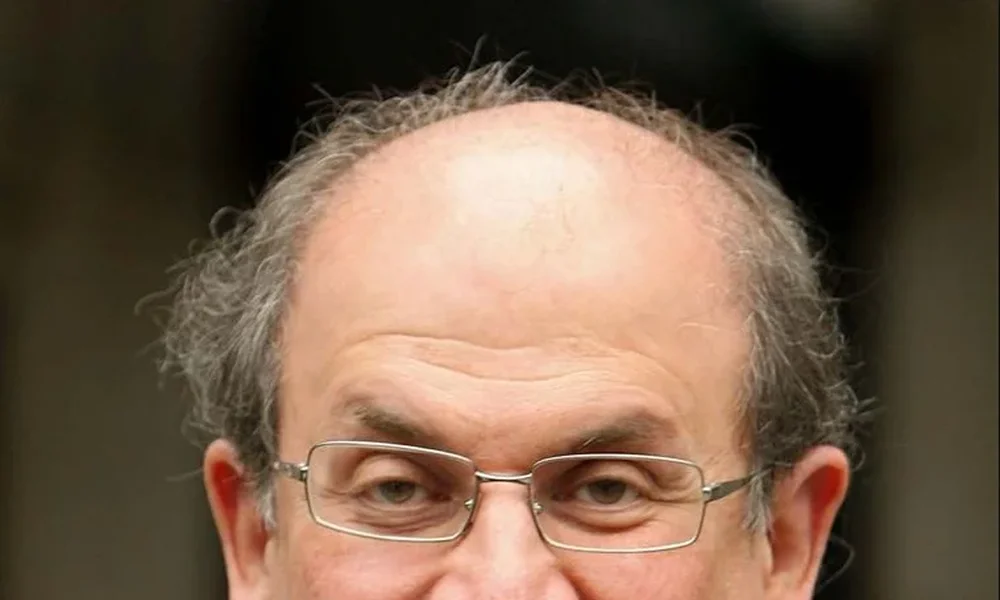
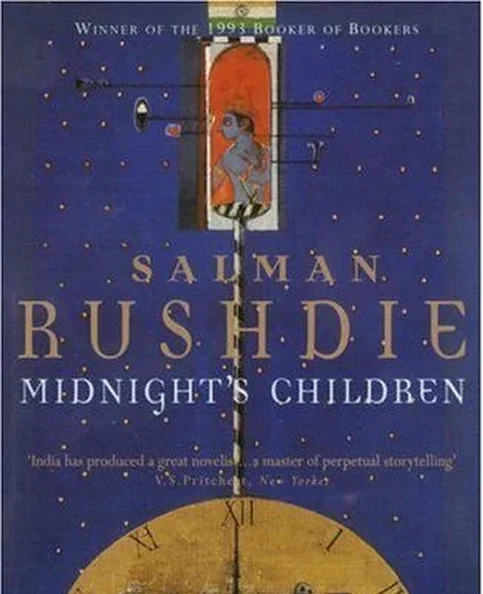
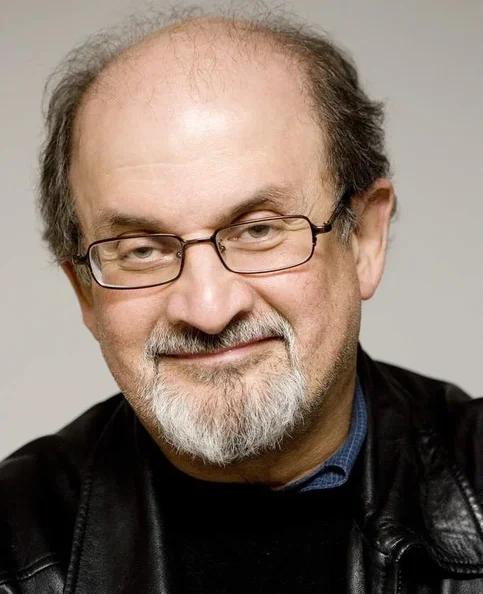
Salman Rushdie, a name synonymous with literary brilliance and controversy, is one of the most renowned and influential authors of our time. Born in Mumbai, India, on June 19, 1947, Rushdie’s works have not only earned him critical acclaim but have also placed him at the center of global debates on freedom of speech, religion, and politics. His magnum opus, Midnight’s Children, won the Booker Prize and has been hailed as a modern classic. However, it is his novel The Satanic Verses that brought him into the international spotlight and led to a fatwa being issued against him by Ayatollah Ruhollah Khomeini, the Supreme Leader of Iran. Rushdie’s life and works continue to be a subject of intense study and debate, making him an enduring figure in the world of literature and beyond.
PERSONAL INFORMATION
| Name | Salman Rushdie |
|---|---|
| Date of Birth | [‘1947-06-19’, ‘1947’] |
| Place of Birth | Mumbai |
| Nationality | United Kingdom, United States, India |
| Native Name | سلمان رشدی |
| Languages Spoken | Urdu, English, Kashmiri |
| Gender | Male |
| Native Language | Urdu, British English, Kashmiri |
| Birth Name | احمد سلمان رشدی |
FAMILY
| Spouse | Marianne Wiggins, Padma Lakshmi, Elizabeth West, Clarissa Luard, Rachel Eliza Griffiths |
|---|---|
| Children | Zafar Rushdie, Milan Rushdie |
| Father | Anis Ahmed Rushdie |
EDUCATION
| Educated At | Rugby School, King’s College, Cathedral and John Connon School |
|---|
CAREER
| Profession | writer, novelist, essayist, screenwriter, children’s writer, actor, author |
|---|---|
| Awards Received | Commandeur des Arts et des Lettres, PEN Pinter Prize, James Tait Black Memorial Prize, Booker Prize, James Joyce Awards, Kurt Tucholsky Prize, Gold Medal of the Círculo de Bellas Artes, Fellow of the Royal Society of Literature, Mythopoeic Awards, Costa Book Awards, Costa Book Awards, The British Book Awards, Common Wealth Award of Distinguished Service, St. Louis Literary Award, Crossword Book Award, Hans Christian Andersen Literature Award, National Arts Awards, Golden PEN Award, Aristeion Prize, Norman Mailer Prize, Austrian State Prize for European Literature, Emperor Has No Clothes Award, Humanist of the Year, honorary doctor of the University of Tromso, Honorary doctor of the University of Liège, Fellow of the American Academy of Arts and Sciences, Carl Sandburg Literary Award, Companion of Honour, Order of the Companions of Honour, Knight Bachelor, Ordre des Arts et des Lettres, honorary doctorate from the University of Paris-VII, Mythopoeic Fantasy Award for Children’s Literature |
| Genre | magic realism |
| Member Of | Royal Society of Literature, PEN America, American Academy of Arts and Sciences |
| Notable Works | The Satanic Verses |
| Employer | Emory University |
| Work Period Start | 1975 |
| Nominations | Dublin Literary Award, Costa Book Awards, Otherwise Award, Q136747220, Booker Prize, Booker Prize, Booker Prize, Booker Prize, Booker Prize, Booker Prize, Locus Award for Best Fantasy Novel, Locus Award for Best Fantasy Novel |
| Field of Work | history |
SOCIAL MEDIA & LINKS
| IMDB ID | nm0750723 |
|---|---|
| Official Website | https://salmanrushdie.com |
| @salmanrushdie | |
| salmanrushdieauthor | |
| Wikipedia | Wikipedia |
Cost of becoming
The path to becoming one of the most celebrated and controversial writers of the 21st century was fraught with challenges. Salman Rushdie’s ascent to literary fame came at a significant personal cost. The fatwa issued against him in 1989, following the publication of The Satanic Verses, forced him into a decade of hiding and constant fear for his life. This period of his life, while terrifying, also deepened his resolve and commitment to the principles of free speech and artistic expression. Despite the threats and the isolation, Rushdie continued to write and publish, using his experiences to inform his work and fuel his creativity.
Identity before fame
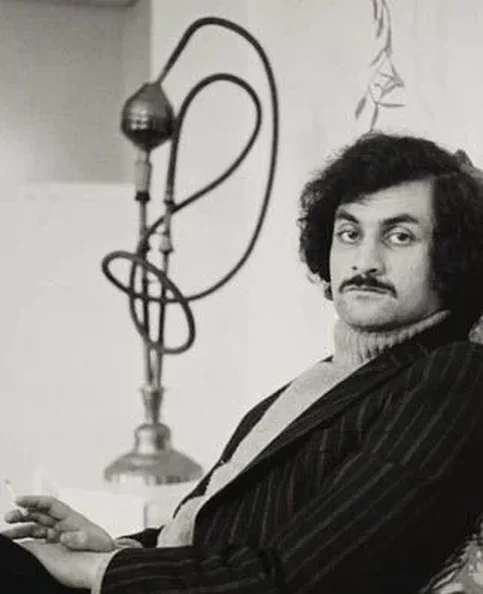
Before he became a household name, Salman Rushdie was a young man with a passion for literature and a desire to explore the complexities of his cultural identity. He was born into a Muslim family in Mumbai and later moved to England to pursue his education. Rushdie attended Rugby School and King’s College, Cambridge, where he studied history. His early years were marked by a strong interest in both Western and Eastern cultures, which would later influence his writing. Before his breakout novel Midnight’s Children, Rushdie worked as a copywriter and wrote short stories. His unique perspective and narrative style began to take shape during this period, laying the foundation for his future success.
Timeline
- 1947: Salman Rushdie is born in Mumbai, India, on June 19.
- 1964: Rushdie moves to England to attend Rugby School.
- 1968: He graduates from King’s College, Cambridge, with a degree in history.
- 1975: Rushdie’s first novel, Grimus, is published but does not receive widespread acclaim.
- 1981: Midnight’s Children is published and wins the Booker Prize, catapulting Rushdie to literary fame.
- 1989: The publication of The Satanic Verses leads to a fatwa issued by Ayatollah Ruhollah Khomeini, forcing Rushdie into hiding.
- 2000: Rushdie is knighted by Queen Elizabeth II for his services to literature.
- 2007: He is appointed a Commander of the Order of the British Empire (CBE).
- 2012: Rushdie returns to India for the first time since the fatwa, speaking at the Jaipur Literature Festival.
- 2019: He is awarded the Presidential Medal of Freedom by U.S. President Joe Biden.
Favourites
- Favorite Books: One Hundred Years of Solitude by Gabriel García Márquez, The Trial by Franz Kafka
- Favorite Authors: Gabriel García Márquez, Franz Kafka, James Joyce
- Favorite Cities: London, New York, Mumbai
- Favorite Films: 2001: A Space Odyssey, The Godfather, Blade Runner
- Favorite Cuisine: Indian and Italian
- Favorite Sports: Cricket
Controversies
- Fatwa on The Satanic Verses: In 1989, Ayatollah Ruhollah Khomeini issued a fatwa calling for Rushdie’s death, leading to a decade of hiding and security.
- Religious Vandalism: His home in Mumbai was vandalized by religious extremists in response to The Satanic Verses.
- Public Apologies: Rushdie issued a public apology to Muslims in 1990, which was met with mixed reactions.
- Security Costs: The British government and taxpayers incurred significant costs to provide security for Rushdie.
- Book Bans: The Satanic Verses was banned in several countries, including India and Pakistan.
- Death Threats: Rushdie received numerous death threats, which forced him to maintain a low profile for years.
- Legal Challenges: He faced legal challenges and lawsuits from various groups and individuals.
- Personal Attacks: Rushdie was physically attacked in 2022 at the Chautauqua Institution in New York.
- Cultural Backlash: His works have been subject to cultural and religious backlash, leading to heated debates on freedom of speech.
- Political Criticisms: Rushdie has been criticized by some for his outspoken views on politics and religion.
Control vs chaos
Salman Rushdie’s life is a vivid illustration of the tension between control and chaos. On one hand, he has meticulously crafted his literary works, drawing from a deep well of personal and historical experiences. His novels are meticulously structured, blending magical realism with profound commentary on society and culture. On the other hand, his personal life has been marked by moments of profound chaos, from the fatwa that forced him into hiding to the physical attack that left him in critical condition. Despite the unpredictability and danger, Rushdie has maintained a remarkable sense of control over his narrative, using his experiences to enrich his writing and advocate for the principles he holds dear.
Emotional geography
The emotional geography of Salman Rushdie’s life is as rich and complex as his literary works. Born and raised in Mumbai, India, Rushdie’s formative years were shaped by the cultural and religious tapestry of the city. His move to England for his education marked a significant shift, exposing him to Western culture and broadening his perspectives. The fatwa and the subsequent years of hiding deepened his sense of dislocation and isolation, yet also strengthened his resolve and creative spirit. Today, Rushdie’s emotional landscape encompasses a deep attachment to both his Indian roots and his adopted home in the West, reflecting the intricate interplay of identity, culture, and personal history that defines his life and work.
FAQs
-
What is Salman Rushdie most famous for?
Salman Rushdie is most famous for his novel Midnight’s Children, which won the Booker Prize, and for the controversy surrounding his book The Satanic Verses, which led to a fatwa issued against him by Ayatollah Ruhollah Khomeini.
-
Where was Salman Rushdie born?
Salman Rushdie was born in Mumbai, India, on June 19, 1947.
-
What is the significance of Midnight’s Children?
Midnight’s Children is significant because it won the Booker Prize and is considered a modern classic. The novel uses magical realism to explore the history of India and its relationship with post-colonial identity.
-
What led to the fatwa against Salman Rushdie?
The fatwa against Salman Rushdie was issued by Ayatollah Ruhollah Khomeini in 1989 following the publication of his novel The Satanic Verses, which was deemed offensive to Islam. The fatwa called for Rushdie’s death and forced him into hiding for nearly a decade.
-
How did Salman Rushdie respond to the fatwa?
Salman Rushdie initially went into hiding and maintained a low profile for nearly a decade. He also issued a public apology to Muslims in 1990, which was met with mixed reactions. Despite the threats, he continued to write and publish, using his experiences to inform his work.
-
What other awards has Salman Rushdie received?
Salman Rushdie has received numerous awards, including the Booker Prize for Midnight’s Children, a knighthood by Queen Elizabeth II, the Order of the British Empire (CBE), and the Presidential Medal of Freedom by U.S. President Joe Biden.
-
What are some of Salman Rushdie’s other notable works?
Some of Salman Rushdie’s other notable works include Midnight’s Children, The Satanic Verses, Shalimar the Clown, The Ground Beneath Her Feet, and Quarantine.
-
How has Salman Rushdie’s work influenced literature?
Salman Rushdie’s work has significantly influenced literature by blending magical realism with historical and cultural themes. His novels often explore the complexities of post-colonial identity, cultural hybridity, and the human condition, inspiring a new generation of writers.
-
What is Salman Rushdie’s position on freedom of speech?
Salman Rushdie is a staunch advocate of freedom of speech and artistic expression. Despite the threats to his life, he has consistently defended the right to free speech and has used his platform to speak out against censorship and oppression.
-
What impact did the fatwa have on Salman Rushdie’s work?
The fatwa had a profound impact on Salman Rushdie’s work, both in terms of his personal experiences and his literary output. The threat to his life deepened his resolve and provided a rich vein of material for his subsequent writings, which often explore themes of identity, exile, and resilience.
-
How has Salman Rushdie’s cultural background influenced his writing?
Salman Rushdie’s cultural background, which is a blend of Indian and Western influences, has deeply influenced his writing. His works often explore the intersections of different cultures and the complexities of post-colonial identity, reflecting his own experiences of belonging to multiple cultural and historical contexts.
-
What is the current state of Salman Rushdie’s safety?
As of the latest updates, Salman Rushdie’s safety remains a concern, but he has come out of hiding and has been able to participate in public events and continue his writing. However, the threat to his life and the need for security remain significant issues.
-
What is the legacy of Salman Rushdie?
Salman Rushdie’s legacy is one of literary brilliance and courage. His works have left an indelible mark on the literary world, and his advocacy for free speech and artistic expression has inspired countless individuals around the globe. Despite the challenges and threats he has faced, Rushdie continues to be a powerful voice for the principles he holds dear.