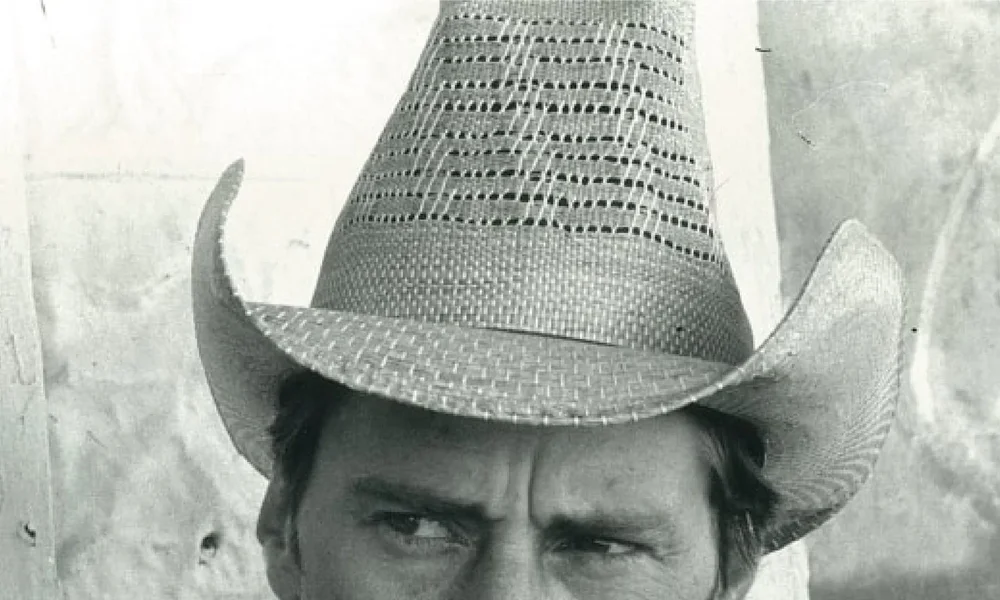
Sam Shepard, born Samuel Shepard Rogers III, was an American playwright, actor, and essayist. Known for his profound influence on modern American theater, Shepard’s work is a blend of naturalism, surrealism, and the American experience. His plays, often rooted in the American West, explore themes of family, identity, and the human condition. Shepard’s multifaceted career also saw him achieve success as an actor, appearing in numerous films, including the critically acclaimed “The Right Stuff.” His life and work have left an indelible mark on the arts, making him a towering figure in American culture.
PERSONAL INFORMATION
| Name | Sam Shepard |
|---|---|
| Nationality | United States |
| Date of Birth | 05 November 1943 |
| Age at Death | 73 Years |
| Zodiac Sign | Scorpio |
| Place of Birth | Fort Sheridan |
| Birth Name | Samuel Shepard Rogers III |
| Date of Death | 27 July 2017 |
| Place of Death | Midway |
| Native Name | Sam Shepard |
| Languages Spoken | English |
| Gender | Male |
| Native Language | English |
FAMILY
| Partner | Jessica Lange |
|---|---|
| Spouse | O-Lan Jones |
| Mother | Jane Elaine Schook |
EDUCATION
| Educated At | Mt. San Antonio College, Duarte High School, Eugene O’Neill Theater Center |
|---|
CAREER
| Profession | actor, film director, screenwriter, dramaturge, playwright, stage actor, film actor, theatrical director, autobiographer, musician |
|---|---|
| Awards Received | Guggenheim Fellowship, Pulitzer Prize for Drama, Fellow of the American Academy of Arts and Sciences, Obie Award, New York Drama Critics Award, Guggenheim Fellowship, PEN/Laura Pels International Foundation for Theater Award, star on Playwrights’ Sidewalk |
| Member Of | American Academy of Arts and Letters, American Academy of Arts and Sciences, Writers Guild of America West |
| Nominations | Academy Award for Best Supporting Actor, Tony Award for Best Play, Tony Award for Best Play |
| Work Period Start | 1960-00-00T00:00:00Z |
| Work Period End | 2017 |
| Genre | Western |
| Field of Work | theatre art, drama, acting, music |
SOCIAL MEDIA & LINKS
| IMDB ID | nm0001731 |
|---|---|
| Official Website | http://www.samshepardarchive.com |
| Sam.Shepard.fanpage, sam-shepard-127700800731347 | |
| Wikipedia | Wikipedia |
Cost of Becoming
The path to becoming Sam Shepard was laden with personal and artistic challenges. From his early days in rural California to his eventual rise to prominence, Shepard faced the dual pressures of familial expectations and the need to find his own voice. His military family背景, particularly his father’s alcoholism, shaped his worldview and influenced his writing. Shepard’s decision to drop out of college and pursue theater in New York City was a significant turning point, marking the beginning of his journey as a playwright. The cost of becoming Sam Shepard was high, but the rewards were equally substantial, as he carved out a unique place in American literature and drama.
Identity Before Fame
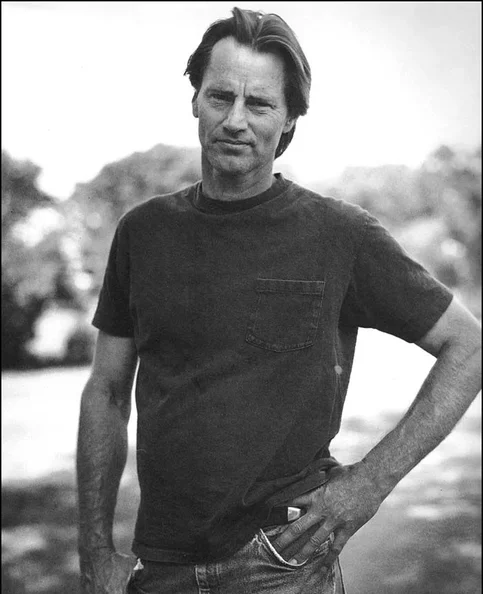
Before he became a household name, Sam Shepard was a modest, unassuming individual. Born on November 5, 1943, in Fort Sheridan, Illinois, and raised in Duarte, California, Shepard grew up in a military family. His father, Samuel Rogers Jr., was a former Air Force pilot, and his mother, Jane Elaine (Shepard), was a farmer and teacher. Shepard’s early life was marked by the harsh realities of rural living and the strain of his father’s alcoholism. These experiences would later permeate his work, providing a rich source of material for his plays and prose. Despite the challenges, Shepard found solace in the arts, particularly in music and theater, which would eventually lead him to New York City and the beginning of his artistic journey.
Timeline
- 1943: Sam Shepard is born in Fort Sheridan, Illinois.
- 1950s: The Shepard family moves to Duarte, California, where Sam grows up in a military household.
- 1961: Shepard drops out of college and moves to New York City to pursue theater.
- 1964: He co-founds the La Mama Experimental Theatre Club in New York City.
- 1966: Shepard’s play “Cowboys” premieres, marking his debut as a playwright.
- 1970s: He gains recognition for his plays, including “Buried Child” (1978), which wins the Pulitzer Prize for Drama.
- 1979: Shepard begins his acting career, appearing in the film “Days of Heaven.”
- 1983: He receives an Academy Award nomination for his role in “The Right Stuff.”
- 1990s: Shepard continues to write and act, with notable works such as “A Lie of the Mind” and “Fool for Love.”
- 2017: Sam Shepard dies on July 27, 2017, at his home in Kentucky, after a battle with Lou Gehrig’s disease (ALS).
Favourites
- Favorite Play: “Buried Child” (1978)
- Favorite Actor Role: Chicameve in “Paris, Texas” (1984)
- Favorite Musical Group: The Byrds
- Favorite Book: “The Great Gatsby” by F. Scott Fitzgerald
- Favorite Place: The American West
- Favorite Animal: Horses
- Favorite Season: Fall
- Favorite Writer: William Faulkner
- Favorite Film: “The Searchers” (1956)
- Favorite Sport: Baseball
Controversies
- Shepard’s relationship with his father, particularly his father’s alcoholism, has been a source of controversy and exploration in his work.
- His decision to drop out of college and pursue theater was met with disapproval from his family.
- Shepard’s personal life, including his relationships and marriages, has been the subject of public scrutiny.
- His portrayal of American masculinity and family dynamics in his plays has been both praised and criticized.
- Shepard’s refusal to engage in interviews or public discussions about his work and personal life has been seen as aloof or standoffish.
- The themes of violence and dysfunction in his plays have raised questions about the portrayal of mental health and domestic issues.
- His political views, particularly his stance on certain social issues, have sometimes been controversial.
- Shepard’s early involvement with La Mama Experimental Theatre Club and the avant-garde theater scene in New York City was seen as radical and challenging by some.
- His acting roles, particularly in films like “The Right Stuff,” have been both praised and criticized for their portrayal of American heroes.
- Shepard’s decision to keep his battle with ALS private until his death has been a topic of debate.
Control vs Chaos
Throughout his life and work, Sam Shepard navigated the delicate balance between control and chaos. His plays often explore the tension between the desire for order and the inevitable chaos of human existence. Whether through the dysfunctional family dynamics in “Buried Child” or the existential wanderings of “Paris, Texas,” Shepard’s characters grapple with the struggle to find meaning and stability in a world that is often unpredictable and unforgiving. This thematic tension reflects Shepard’s own life, marked by the early influence of his father’s alcoholism and his later battles with personal and health challenges. Despite the chaos, Shepard’s artistry and resilience demonstrate a profound sense of control and purpose, shaping his legacy as a master storyteller.
Emotional Geography
Sam Shepard’s emotional geography is deeply rooted in the American West, a landscape that is both physically and metaphorically vast. This region, with its vast open spaces and rugged beauty, mirrors the interior landscapes of his characters. The West, for Shepard, is a place of both freedom and isolation, where the vastness of the land reflects the vastness of the human soul. In his plays, characters are often on a quest for identity and belonging, navigating the emotional terrain of their lives much like pioneers navigating the untamed wilderness. This emotional geography is a central theme in his work, capturing the essence of the human experience in a uniquely American context.
FAQs
-
What is Sam Shepard best known for?
Sam Shepard is best known for his plays, which have had a profound impact on modern American theater. His works, including “Buried Child,” “Fool for Love,” and “A Lie of the Mind,” explore themes of family, identity, and the American experience. He is also recognized for his acting roles, particularly in “The Right Stuff.”
-
What was Sam Shepard’s early life like?
Sam Shepard was born in Fort Sheridan, Illinois, and grew up in Duarte, California. His father was a former Air Force pilot, and his mother was a farmer and teacher. His early life was marked by the challenges of growing up in a military family and the impact of his father’s alcoholism.
-
What were some of Sam Shepard’s notable plays?
Some of Sam Shepard’s notable plays include “Buried Child” (1978), which won the Pulitzer Prize for Drama, “Fool for Love” (1983), “True West” (1980), and “A Lie of the Mind” (1985). These plays are known for their exploration of family dynamics and the human condition.
-
How did Sam Shepard get his start in theater?
Sam Shepard dropped out of college and moved to New York City in 1961 to pursue theater. He co-founded the La Mama Experimental Theatre Club and began writing and performing in plays. His first play, “Cowboys,” premiered in 1966.
-
What was Sam Shepard’s acting career like?
Sam Shepard’s acting career began in the late 1970s with his role in the film “Days of Heaven.” He went on to appear in numerous films, including “The Right Stuff” (1983), for which he received an Academy Award nomination, and “Paris, Texas” (1984).
-
What personal challenges did Sam Shepard face?
Sam Shepard faced several personal challenges throughout his life, including his father’s alcoholism, which deeply influenced his work. He also dealt with the pressures of fame and the personal toll of his artistic and acting careers. Later in life, he battled Lou Gehrig’s disease (ALS).
-
How did Sam Shepard’s military background influence his work?
Shepard’s military background, particularly his father’s service and alcoholism, had a significant impact on his writing. His plays often explore themes of authority, discipline, and the breakdown of order, reflecting the tensions and traumas of military life.
-
What are some recurring themes in Sam Shepard’s plays?
Recurring themes in Sam Shepard’s plays include family dysfunction, the search for identity, the American West, and the tension between control and chaos. His characters often grapple with the complexities of human relationships and the search for personal meaning.
-
How did Sam Shepard view the role of the artist in society?
Sam Shepard saw the role of the artist as a vital one, capable of reflecting and commenting on the human condition. He believed that art should challenge and provoke, pushing the boundaries of what is accepted and understood. His plays often serve as a mirror to society, revealing its strengths and flaws.
-
What was Sam Shepard’s relationship with the avant-garde theater scene in New York City?
Sam Shepard was a key figure in the avant-garde theater scene in New York City during the 1960s and 1970s. He co-founded the La Mama Experimental Theatre Club and was part of a group of artists and writers who were pushing the boundaries of traditional theater. This experience was crucial in shaping his unique style and vision as a playwright.
-
How did Sam Shepard’s health issues impact his later work?
Sam Shepard’s battle with Lou Gehrig’s disease (ALS) had a significant impact on his later work. Despite his declining health, he continued to write and create, demonstrating a remarkable resilience and dedication to his art. His final works often reflect a deeper sense of introspection and a confrontation with mortality.
-
What legacy has Sam Shepard left behind?
Sam Shepard’s legacy is one of profound artistic vision and influence. His plays have become classics of American theater, studied and performed around the world. His contributions to both theater and film have left an indelible mark on American culture, and his exploration of the human condition continues to resonate with audiences today.
-
What are some of Sam Shepard’s lesser-known works?
While “Buried Child” and “Fool for Love” are among his most famous plays, Shepard wrote numerous other works that are lesser-known but equally powerful. These include “The Tooth of Crime” (1972), “The God of Hell” (2004), and “Age of Anxiety” (2014). Each of these plays offers a unique perspective on his themes and style.
-
How did Sam Shepard’s personal relationships influence his writing?
Sam Shepard’s personal relationships, particularly his marriages and romantic partnerships, had a significant influence on his writing. His experiences with love, loss, and family dynamics often found their way into his plays, providing a rich source of emotional and narrative material.