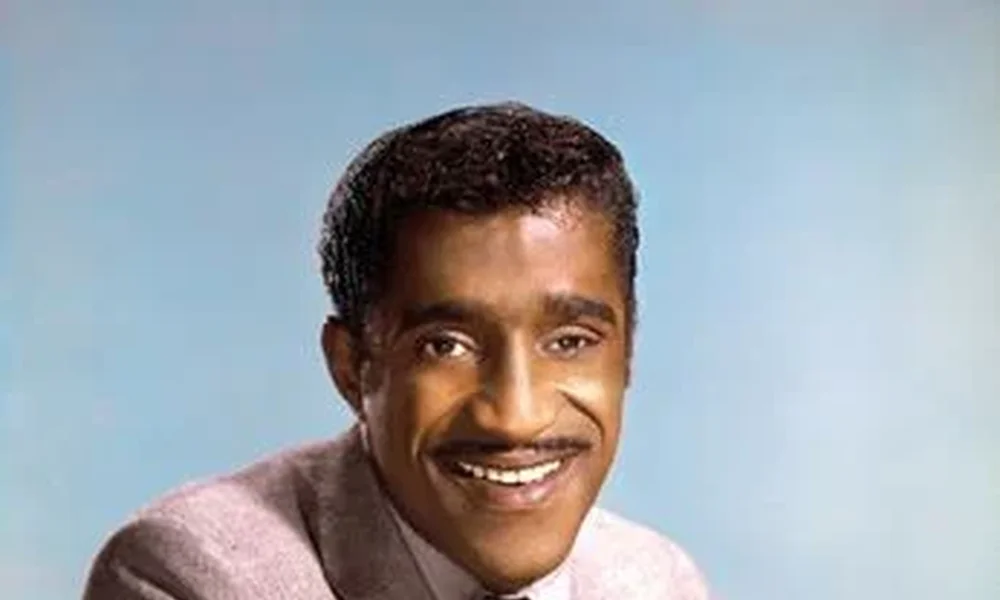
Sammy Davis Jr., a towering figure in American entertainment, was a multifaceted artist whose life was marked by extraordinary talent, racial and personal challenges, and a relentless drive to succeed. Born to a vaudeville performer and a dancer, Sammy began his career at a very young age, eventually becoming a household name in the 1960s as a member of the Rat Pack alongside Frank Sinatra and Dean Martin. His versatile career spanned singing, acting, dancing, and comedy, making him a true entertainer in every sense. Despite the many obstacles he faced, including racial discrimination and personal tragedies, Sammy’s indomitable spirit and unwavering commitment to his craft made him an enduring icon of American popular culture.
PERSONAL INFORMATION
| Name | Sammy Davis Jr. |
|---|---|
| Date of Birth | 08 December 1925 |
| Age at Death | 64 Years |
| Zodiac Sign | Sagittarius |
| Date of Death | 16 May 1990 |
| Place of Birth | New York City |
| Place of Death | Beverly Hills |
| Nationality | United States |
| Languages Spoken | English |
| Gender | Male |
| Birth Name | Samuel George Davis |
| Native Name | Sammy Davis Jr. |
| Native Language | English |
| Ethnicity | African Americans |
PHYSICAL STATISTICS
| Height (in centimeters) | 165 cm |
|---|---|
| Height (in meters) | 1.65 m |
| Height (in feet inches) | 5′ 4″ |
| Eye Color | Dark Brown |
FAMILY
| Spouse | May Britt, Altovise Davis, Loray White |
|---|---|
| Father | Sammy Davis, Sr. |
| Mother | Elvera Sanchez |
CAREER
| Profession | television actor, film actor, autobiographer, jazz musician, stage actor, television presenter, singer, actor, dancer, recording artist, vaudeville performer, entertainer |
|---|---|
| Awards Received | Spingarn Medal, Grammy Lifetime Achievement Award, Kennedy Center Honors, Black Filmmakers Hall of Fame, star on Hollywood Walk of Fame |
| Nominations | Tony Award for Best Actor in a Musical, Golden Raspberry Award for Worst Supporting Actor – Razzie Award |
| Instruments | vibraphone, piano |
| Genre | jazz, traditional pop, big band music, easy listening, show tune, swing music, blues |
| Record Label | Decca, Charly Records, Reprise Records, Verve Records, Motown, MGM Records, RCA Records, 20th Century Fox Records, Applause Records |
| Work Period Start | 1928 |
| Member Of | Rat Pack |
| Work Period End | 1990 |
SOCIAL MEDIA & LINKS
| IMDB ID | nm0002035 |
|---|---|
| 112867505394454 | |
| Official Website | http://www.sammydavis-jr.com/ |
| Wikipedia | Wikipedia |
Cost of becoming
The journey to stardom for Sammy Davis Jr. was far from easy. Growing up in a segregated America, he faced immense racial discrimination and societal barriers. Despite these challenges, Sammy’s early exposure to the world of entertainment through his father and uncle’s vaudeville acts instilled in him a deep passion for performing. He began his professional career as a child performer, often performing under a pseudonym to circumvent child labor laws. The grueling schedule and constant travel took a toll on his personal life, but Sammy’s dedication and talent eventually propelled him to the forefront of the entertainment industry. His perseverance and unwavering commitment to his craft demonstrate the high personal and professional cost of achieving such a remarkable level of success.
Identity before fame
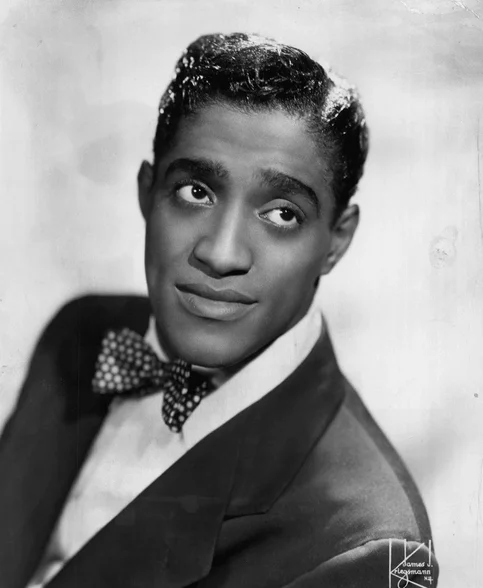
Before he became a household name, Sammy Davis Jr. was known as the youngest member of the Will Mastin Trio, a vaudeville act that included his father and uncle. Born in Harlem, New York, in 1925, Sammy was thrust into the world of entertainment at a very young age. His early years were marked by the constant hustle and bustle of the vaudeville circuit, which provided him with invaluable experience and exposure to various forms of performance. Despite the racial barriers and economic hardships, Sammy’s natural talent and charisma began to shine through, setting the foundation for the legendary entertainer he would become.
Timeline
- 1925: Born in Harlem, New York, to Samuel Davis Sr. and Elvera Sanchez.
- 1933: Began performing with the Will Mastin Trio, a vaudeville act.
- 1943: Enlisted in the United States Army during World War II.
- 1951: Signed with Capitol Records and released his first album, “Stompin’ at the Savoy.”
- 1954: Lost his left eye in a car accident in San Bernardino, California.
- 1956: Starred in the Broadway musical “Mr. Wonderful” and released the album “Just for Lovers.”
- 1960: Married Swedish actress May Britt, causing controversy due to interracial marriage laws.
- 1964: Joined the Rat Pack with Frank Sinatra, Dean Martin, Peter Lawford, and Joey Bishop.
- 1970: Starred in the film “Boss Nova” and continued his successful musical career.
- 1990: Received the Kennedy Center Honors for his contributions to American culture.
Favourites
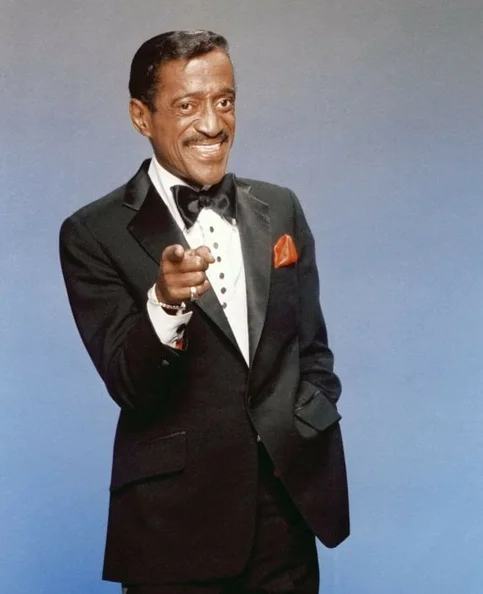
- Music Genre: Jazz and R&B
- Instrument: Piano and drums
- Song: “What Kind of Fool Am I?”
- Movie: “Ocean’s 11” (1960)
- Book: “Yes I Can: The Story of Sammy Davis, Jr.”
- Food: Soul food and Italian cuisine
- Hobby: Collectinghibitnge egss and rare items
- Place: Las Vegas, Nevada
- Person: His father, Samuel Davis Sr.
- Pet: His dogs, including a German Shepherd named Sheba
Controversies
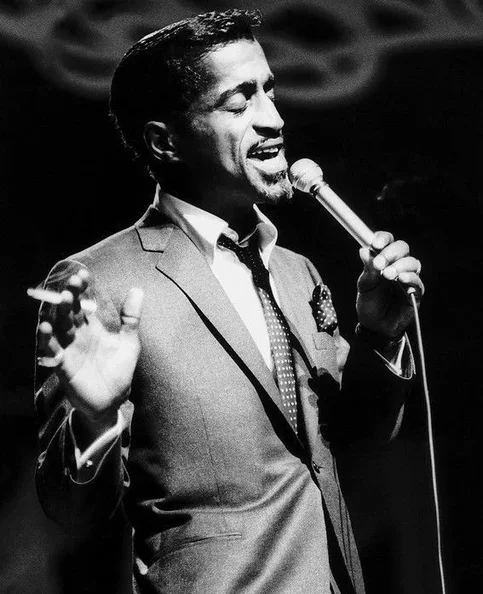
- Racial Intermarriage: Sammy’s marriage to May Britt in 1960 sparked significant controversy due to the prevailing racial segregation laws and societal norms of the time.
- Conversion to Judaism: His decision to convert to Judaism in 1961 was met with mixed reactions, especially within the African American community.
- Pro-Vietnam War Stance: Sammy’s support for the Vietnam War and his performances for American troops in Vietnam were criticized by many in the entertainment industry and civil rights activists.
- Association with the Rat Pack: The Rat Pack’s public behavior, including their raunchy humor and occasional displays of arrogance, often drew criticism from various quarters.
- Allegations of Abuse: Sammy faced allegations of physical abuse from his ex-wife, May Britt, and other personal relationships.
- Political Affiliations: His conservative political views and support for the Republican Party, particularly during the Civil Rights Movement, were often at odds with the views of many of his peers and fans.
- Eye Injury and Recovery: The car accident that cost Sammy his left eye in 1954 and his subsequent recovery and return to the stage were closely scrutinized by the media and public.
- Personal Excesses: Sammy’s lifestyle, including his numerous marriages, gambling debts, and substance use, often came under scrutiny.
- Presidential Inauguration Controversy: Sammy’s participation in the 1981 inauguration of President Ronald Reagan was met with criticism from some African American leaders.
- Financial Struggles: Despite his fame and success, Sammy faced significant financial difficulties throughout his career, including tax problems and large debts.
Control vs Chaos
Throughout his life, Sammy Davis Jr. navigated a fine line between control and chaos. On one hand, he was a meticulous performer, known for his precise timing and polished stage presence. His performances were meticulously choreographed and rehearsed, reflecting his dedication to his craft. On the other hand, his personal life was often marked by turmoil and unpredictability. From his tumultuous marriages and financial struggles to his battles with substance abuse, Sammy’s off-stage life was far from the orderly and disciplined world he created on stage. This duality—between the controlled performer and the chaotic individual—adds a layer of complexity to his legacy, highlighting the personal sacrifices and challenges he faced in pursuit of his art.
Emotional Geography
Sammy Davis Jr.’s emotional landscape was as varied and complex as the stages he graced. His early years in vaudeville instilled in him a deep sense of resilience and adaptability, qualities that served him well throughout his career. Despite the racial discrimination and personal tragedies he faced, Sammy’s love for performing and his unwavering commitment to his art provided him with a sense of purpose and belonging. His relationships, both professional and personal, were often intense and emotionally charged, reflecting the highs and lows of his life. Whether it was the camaraderie of the Rat Pack or the challenges of his marriages, Sammy’s emotional geography was a reflection of his multifaceted personality and the diverse experiences that shaped him as a person and an artist.
FAQs
-
Who was Sammy Davis Jr.?
Sammy Davis Jr. was a renowned American entertainer known for his singing, dancing, acting, and comedy. He was a member of the Rat Pack and a trailblazer in breaking racial barriers in entertainment.
-
Where was Sammy Davis Jr. born?
Sammy Davis Jr. was born in Harlem, New York, in 1925.
-
What was Sammy Davis Jr.’s early life like?
Sammy’s early life was marked by his involvement in the vaudeville circuit from a very young age. He began performing with the Will Mastin Trio, which included his father and uncle.
-
What significant event happened in Sammy’s life in 1954?
In 1954, Sammy was involved in a serious car accident that resulted in the loss of his left eye. This event had a profound impact on his life and career.
-
What was Sammy Davis Jr.’s most famous song?
One of Sammy’s most famous songs is “What Kind of Fool Am I?” which he performed in the musical “Mr. Wonderful.”
-
What was Sammy Davis Jr.’s role in the Rat Pack?
Sammy was a key member of the Rat Pack, a group of entertainers that included Frank Sinatra, Dean Martin, Peter Lawford, and Joey Bishop. They were known for their close friendship and collaborative performances.
-
What was the controversy surrounding Sammy’s marriage to May Britt?
Sammy’s marriage to May Britt in 1960 sparked controversy due to the interracial nature of the relationship, especially given the societal norms and laws of the time.
-
Why did Sammy Davis Jr. convert to Judaism?
Sammy converted to Judaism in 1961, a decision that was met with mixed reactions. Some saw it as a personal and spiritual choice, while others viewed it through the lens of racial and cultural identity.
-
What was Sammy’s stance on the Vietnam War?
Sammy supported the Vietnam War and performed for American troops in Vietnam. This stance was controversial and drew criticism from various quarters.
-
What were some of Sammy’s notable films?
Sammy appeared in several notable films, including “Ocean’s 11” (1960), “Hey Boy! Hey Girl!” (1969), and “Mack and Mabel” (1974).
-
What was Sammy’s relationship with Frank Sinatra like?
Sammy and Frank Sinatra had a close friendship and professional relationship, both as members of the Rat Pack and as individual entertainers. However, their relationship was not without its ups and downs.
-
What are some of Sammy’s most famous television appearances?
Sammy made numerous memorable television appearances, including his performances on “The Ed Sullivan Show,” “The Dean Martin Show,” and his own variety show, “The Sammy Davis Jr. Show.”
-
What were some of Sammy’s personal challenges?
Throughout his life, Sammy faced numerous personal challenges, including racial discrimination, financial difficulties, and health issues. These challenges were often documented in his autobiography, “Yes I Can.”
-
What was Sammy Davis Jr.’s legacy?
Sammy Davis Jr. is remembered as a groundbreaking entertainer who broke racial barriers and inspired generations. His contributions to music, film, and theater, as well as his personal resilience, have cemented his place in American cultural history.