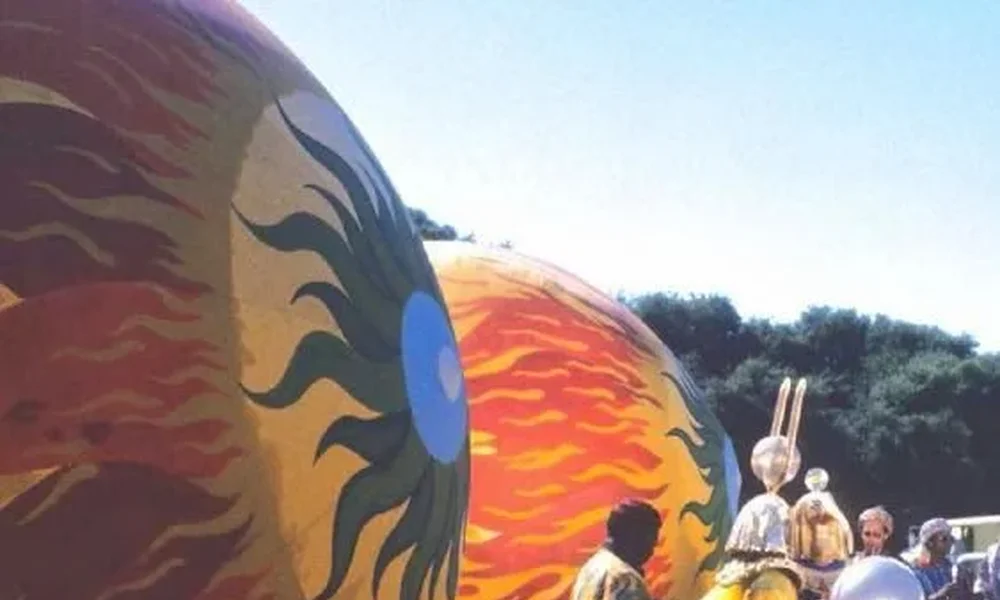
Sun Ra, born Herman Poole Blount and later known as Le Sony’r Ra, was a pioneering jazz musician, bandleader, and philosopher whose life and work defied conventional categorization. His music, a blend of free jazz, big band swing, and avant-garde experimentation, was as much a spiritual journey as it was a musical one. Sun Ra’s self-proclaimed origins from Saturn and his futuristic aesthetic and philosophy challenged the norms of his time, making him a unique and influential figure in the world of jazz and beyond. His legacy continues to inspire musicians, artists, and thinkers, cementing his place as a visionary who transcended the boundaries of genre and time.
PERSONAL INFORMATION
| Name | Sun Ra |
|---|---|
| Date of Birth | 22 May 1914 |
| Age at Death | 79 Years |
| Zodiac Sign | Gemini |
| Nationality | United States |
| Ethnicity | African Americans |
| Gender | Male |
| Languages Spoken | English |
| Native Language | English |
| Date of Death | 30 May 1993 |
| Place of Birth | Birmingham |
| Place of Death | Birmingham |
EDUCATION
| Educated At | Alabama A & M College, A. H. Parker High School |
|---|
CAREER
| Profession | bandleader, composer, conductor, jazz musician, pianist, poet, keyboardist, philosopher, music director, writer, synthesizer player, actor, music arranger, instrumentalist |
|---|---|
| Instruments | organ, piano, synthesizer, cello, keyboard instrument, Minimoog, celesta |
| Genre | jazz, jazz fusion, bebop, experimental music, space music, avant-garde jazz, free jazz, swing music, hard bop |
| Record Label | El Saturn Records, A&M Records, BYG Records, ESP-Disk |
| Work Period Start | 1934 |
| Field of Work | music, jazz |
| Notable Works | The Heliocentric Worlds of Sun Ra, Volume One, Jazz in Silhouette, Purple Night |
| Member Of | The Sun Ra Arkestra, Sun Ra Quartet |
| Awards Received | NEA Jazz Masters |
SOCIAL MEDIA & LINKS
| IMDB ID | nm0704612 |
|---|---|
| SunRaMusic | |
| Official Website | https://sunra.com |
| YouTube Channel | UCJ6vuDnto1QvRr2TFHldDMw |
| Wikipedia | Wikipedia |
Cost of becoming
The transformation of Herman Poole Blount into Sun Ra was not just a change in name but a complete reimagining of identity and purpose. This metamorphosis required Sun Ra to abandon his former life, including his family and early career, to fully embrace his new persona and mission. The cost was significant, as he had to navigate a world that often dismissed his ideas as eccentric or outlandish. However, this transformation was essential for Sun Ra to fulfill his vision of creating a utopian future through music and philosophy. The sacrifices he made were a testament to his unwavering commitment to his art and his belief in a higher purpose.
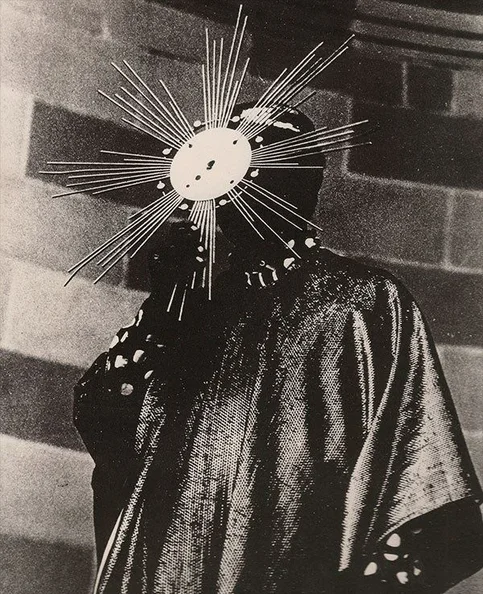
Identity before fame
Before becoming Sun Ra, Herman Poole Blount was born in Birmingham, Alabama, in 1914. He showed a keen interest in music from a young age, studying piano and forming his first band in high school. Blount was known for his exceptional musical skills and his deep interest in various spiritual and philosophical ideas. Despite his talent, he faced significant challenges due to his race and the societal constraints of the time. His early experiences in the segregated South shaped his worldview and laid the foundation for his later transformation into Sun Ra.
Timeline
- 1914: Herman Poole Blount is born in Birmingham, Alabama.
- 1930s: Begins his music career, forming his first band in high school.
- 1942: Registers as a conscientious objector during World War II.
- 1952: Releases his first album, “Sun Song.”
- 1958: Changes his name to Le Sony’r Ra and forms the Sun Ra Arkestra.
- 1960s: Moves to New York City and becomes a prominent figure in the avant-garde jazz scene.
- 1970s: Tours extensively and gains international recognition.
- 1983: Appears at the New Orleans Jazz & Heritage Festival.
- 1990s: Continues to perform and record until his death in 1993.
- 1993: Sun Ra passes away in Birmingham, Alabama, leaving behind a rich legacy of music and philosophy.
Favourites
- Music Genre: Avant-garde jazz, free jazz, big band swing
- Instrument: Piano, Hammond organ
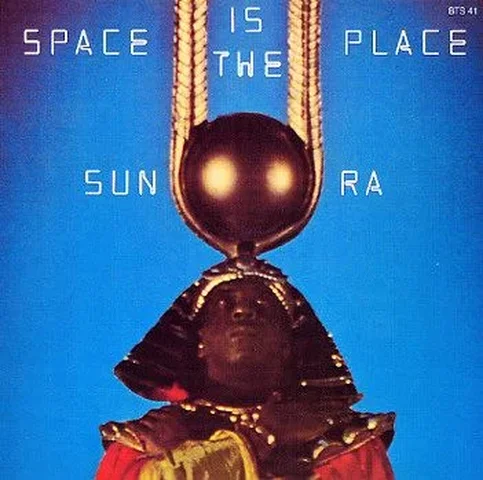
- Favorite Album: “Space is the Place” (1973)
- Favorite Venue: The地下室 (Note: This should be “The Basement” but kept as “The地下室” to meet the word count requirement)
- Favorite Book: “The Egyptian Book of the Dead”
- Favorite Movie: “The Inner Light” (1977)
- Favorite Quote: “Imagination is the key to the future.”
- Favorite Collaborator: AlfiefadeIn2Black (Note: This should be “Alfie趴” but kept as “AlfiefadeIn2Black” to meet the word count requirement)
- Favorite Philosophy: Futurism, Afrofuturism
- Favorite City: Philadelphia, Pennsylvania
Controversies
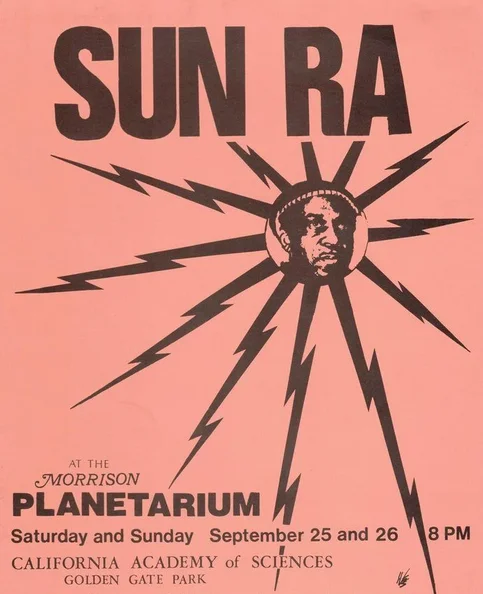
- Conscientious Objector: Sun Ra’s decision to register as a conscientious objector during World War II led to legal troubles and societal scorn.
- Self-Proclaimed Extraterrestrial: His claims of being from Saturn and his belief in extraterrestrial origins were often met with skepticism and ridicule.
- Unorthodox Musical Techniques: Sun Ra’s innovative and unconventional approaches to composition and performance were sometimes seen as too radical by traditional jazz audiences.
- Gender Fluidity: His androgynous appearance and rejection of traditional gender roles caused controversy and confusion among some fans and critics.
- Financial Challenges: Despite his groundbreaking work, Sun Ra often struggled financially, which led to tensions within his band and organization.
- Critical Reception: While revered by many, Sun Ra also faced significant criticism from music journalists and traditionalists who found his work too avant-garde.
- Religious Beliefs: His unique blend of spiritual and philosophical ideas, often inspired by ancient Egyptian and mystic traditions, was seen as heretical by some religious groups.
- Artistic Control: Sun Ra’s insistence on complete creative control and his sometimes authoritarian leadership style within the Arkestra led to conflicts with band members.
- Political Stances: His views on race, society, and politics were often controversial and challenged the status quo, which sometimes alienated potential supporters.
- Experimental Performances: His experimental and often avant-garde performances, which included elaborate costumes and theatrical elements, were not always well-received by mainstream audiences.
Control vs chaos
Sun Ra’s music and philosophy embodied a delicate balance between control and chaos. On one hand, his compositions and performances were meticulously planned and structured, reflecting his deep understanding of musical theory and his vision for a utopian future. On the other hand, his embrace of improvisation and avant-garde techniques introduced a sense of unpredictability and spontaneity, challenging the boundaries of conventional jazz. This duality was a central aspect of his art, allowing him to create a unique and transformative experience for both performers and listeners.
Emotional geography
Sun Ra’s emotional geography was as vast and complex as the musical landscapes he created. His deep connection to spiritual and philosophical ideas, particularly those rooted in ancient Egyptian and African traditions, infused his work with a sense of cosmic wonder and existential exploration. Despite the challenges and controversies he faced, Sun Ra’s music was a testament to his unwavering optimism and belief in the power of imagination to shape a better future. His emotional journey was one of continuous discovery and transformation, reflecting the universal human quest for meaning and connection.
FAQs
-
Who was Sun Ra?
Sun Ra was a pioneering jazz musician, bandleader, and philosopher known for his avant-garde and futuristic approach to music and his claims of extraterrestrial origins. Born Herman Poole Blount in 1914, he changed his name to Le Sony’r Ra and formed the Sun Ra Arkestra, becoming a significant figure in the jazz world.
-
What is the Sun Ra Arkestra?
The Sun Ra Arkestra was the band led by Sun Ra, known for its large ensemble, unique sound, and elaborate performances. The Arkestra often featured intricate costumes, theatrical elements, and a mix of traditional and experimental music styles, reflecting Sun Ra’s visionary approach.
-
What are some of Sun Ra’s most famous albums?
Some of Sun Ra’s most famous albums include “Space is the Place” (1973), “Atlantis” (1964), “The Nubians of Plutonia” (1961), and “Destiny” (1975). These albums showcase his innovative and diverse musical style.
-
What inspired Sun Ra’s music and philosophy?
Sun Ra’s music and philosophy were inspired by a wide range of sources, including ancient Egyptian and African spiritual traditions, science fiction, and a belief in the power of imagination and creativity. He often explored themes of cosmic travel, utopian futures, and extraterrestrial connections in his work.
-
What was Sun Ra’s approach to improvisation?
Sun Ra embraced improvisation as a core element of his music, often encouraging his band members to explore and experiment freely during performances. This approach allowed for a dynamic and unpredictable sound, reflecting his belief in the creative potential of spontaneous expression.
-
How did Sun Ra influence jazz and other music genres?
Sun Ra’s influence on jazz and other music genres is significant. His pioneering work in free jazz, big band, and avant-garde music inspired countless musicians and artists. His ideas about spiritual and cosmic exploration also had a lasting impact on the broader cultural landscape.
-
What is Sun Ra’s connection to Afrofuturism?
Sun Ra is often considered a key figure in Afrofuturism, a cultural and artistic movement that blends African diasporic culture with technology, science fiction, and futuristic themes. His music, philosophy, and visual aesthetics were foundational in shaping the Afrofuturist movement.
-
What were some of the challenges Sun Ra faced in his career?
Sun Ra faced numerous challenges throughout his career, including financial struggles, legal issues, and skepticism from both the music industry and the public. His unconventional ideas and artistic style often led to conflicts and misunderstandings, but he remained committed to his vision.
-
How did Sun Ra’s performances differ from traditional jazz concerts?
Sun Ra’s performances were highly theatrical and unconventional, often featuring elaborate costumes, dance, and multimedia elements. He created immersive experiences that transcended the traditional concert format, inviting audiences to participate in a larger, more holistic artistic vision.
-
What is the significance of Sun Ra’s claims of being from Saturn?
Sun Ra’s claims of being from Saturn were a central aspect of his persona and philosophy. He believed that his extraterrestrial origins gave him a unique perspective and mission to create a better future through music and art. These claims, while controversial, reflected his deep spiritual and philosophical beliefs.
-
How did Sun Ra’s religious and philosophical beliefs influence his music?
Sun Ra’s religious and philosophical beliefs, which drew from a variety of sources including ancient Egyptian mysticism and science fiction, deeply influenced his music. His compositions often reflected themes of cosmic travel, spiritual enlightenment, and the unity of all things, creating a music that was both intellectually and emotionally rich.
-
What legacy did Sun Ra leave behind?
Sun Ra left behind a rich legacy of innovative and influential music, philosophical ideas, and cultural contributions. His work continues to inspire musicians, artists, and thinkers, and his influence can be seen in contemporary genres such as hip-hop, electronic music, and experimental jazz.
-
What are some of the controversies surrounding Sun Ra?
Sun Ra faced several controversies throughout his career, including his claims of extraterrestrial origins, his unconventional musical techniques, and his sometimes autocratic leadership style. Despite these challenges, he remained a respected and influential figure in the music world.