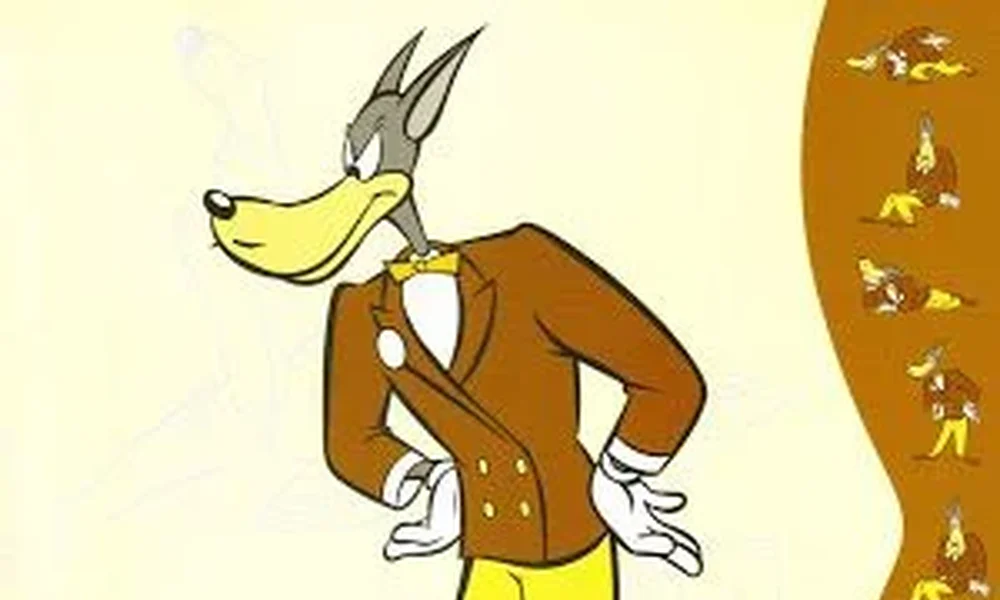
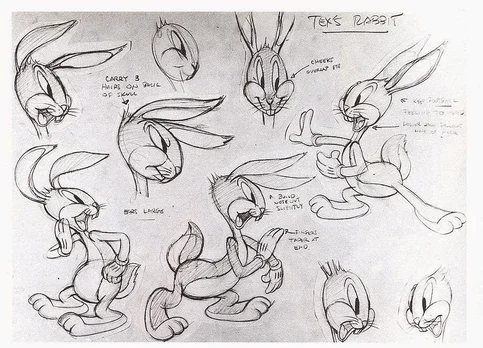
Tex Avery, born Frederick Bean Avery on February 26, 1907, in Taylor, Texas, is one of the most influential and innovative animation directors of the 20th century. Best known for his groundbreaking work at Warner Bros. and MGM, Avery’s unique style and comedic genius left an indelible mark on the animation industry. His creations, such as Bugs Bunny, Daffy Duck, and Droopy, have become iconic figures in popular culture, entertaining generations of audiences with their wit and charm. Avery’s ability to push the boundaries of animation, blending surrealism with slapstick, set the stage for the golden age of cartoons and inspired countless animators and filmmakers.
PERSONAL INFORMATION
| Name | Tex Avery |
|---|---|
| Nationality | United States |
| Place of Death | Burbank |
| Date of Birth | 26 February 1908 |
| Age at Death | 72 Years |
| Zodiac Sign | Pisces |
| Date of Death | 26 August 1980 |
| Place of Birth | Taylor |
| Languages Spoken | English |
| Gender | Male |
| Native Language | English |
| Native Name | Tex Avery |
FAMILY
| Spouse | Patricia Agnes Avery |
|---|
EDUCATION
| Educated At | North Dallas High School |
|---|
CAREER
| Profession | film director, screenwriter, actor, animator, voice actor, storyboard artist, director, visual artist, artist |
|---|---|
| Notable Works | Bugs Bunny |
| Awards Received | Winsor McCay Award |
| Work Period Start | 1928 |
| Employer | Winkler Pictures, Universal Pictures, Warner Bros. Cartoons, Metro-Goldwyn-Mayer, Paramount Pictures |
SOCIAL MEDIA & LINKS
| IMDB ID | nm0000813 |
|---|---|
| Official Website | https://texavery.com |
| Wikipedia | Wikipedia |
Cost of Becoming
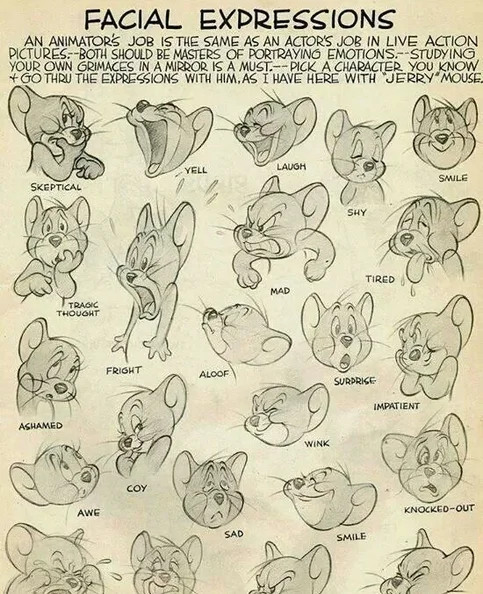
Becoming a legendary animator like Tex Avery was not without its costs. Avery’s journey was marked by perseverance and a relentless pursuit of perfection. He started his career in the early 1930s, a time when the animation industry was still in its infancy. Working long hours and facing numerous rejections, Avery honed his skills and developed his unique style. His innovative approach to animation, which emphasized exaggerated physical comedy and surreal humor, often put him at odds with studio executives who preferred more conventional storytelling. Despite these challenges, Avery’s unwavering commitment to his vision paid off, leading to some of the most beloved cartoons of all time.
Identity Before Fame
Before achieving fame, Tex Avery was a young man with a passion for drawing and a dream of making it in the entertainment industry. He grew up in Texas, where he developed a love for humor and storytelling. After graduating from North Texas State Teachers College (now the University of North Texas), Avery moved to California to pursue a career in animation. His early jobs were at lesser-known studios, where he worked on various projects, including commercials and minor animated shorts. It was during this period that Avery began to experiment with the techniques and styles that would later define his work.
Timeline
- 1907: Born in Taylor, Texas
- 1932: Began working at Walter Lantz Productions, where he directed his first cartoon, “The Fox Hunt”
- 1935: Joined Leon Schlesinger Productions (later known as Warner Bros. Cartoons)
- 1937: Directed “Porky’s Duck Hunt,” which introduced Daffy Duck
- 1940: Created Bugs Bunny in “A Wild Hare”
- 1941: Directed “The Blitz Wolf,” which won the Academy Award for Best Animated Short Film
- 1942: Moved to Metro-Goldwyn-Mayer (MGM)
- 1943: Introduced Droopy in “Dumb-Hounded”
- 1955: Retired from directing and briefly worked on live-action films and television commercials
- 1980: Died due to lung cancer in Burbank, California
Favourites
- Favorite character: Bugs Bunny
- Favorite cartoon: “What’s Cookin’ Doc?”
- Favorite medium: Animation
- Favorite technique: Slapstick humor
- Favorite studio: Warner Bros. and MGM
- Favorite director: Chuck Jones
- Favorite animator: Bob Clampett
- Favorite film: “A Wild Hare”
- Favorite year: 1940 (creation of Bugs Bunny)
Controversies
- 1939: Disagreements with studio executives at Leon Schlesinger Productions over creative control
- 1941: Criticism for the racial stereotypes in “The Merry Old Soul”
- 1942: Clash with MGM executives over the budget and creative direction of “The Cat That Hated People”
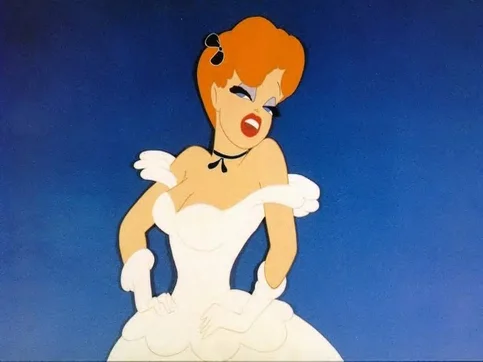
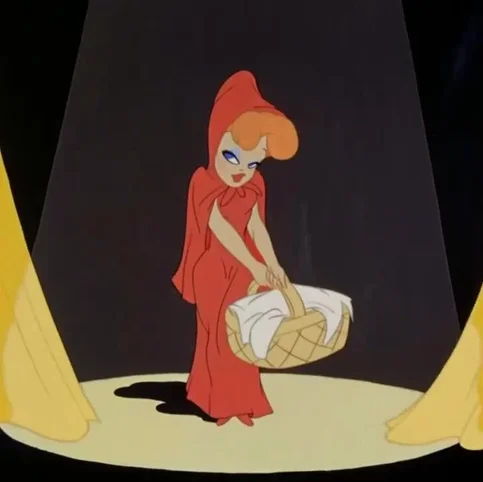
- 1945: Controversy surrounding the portrayal of women in “Red Hot Riding Hood”
- 1950: Allegations of sexism in the workplace at MGM
- 1955: Retirement and brief period of struggling to find new work in the industry
- 1960: Criticism for the commercialization of his characters in television commercials
- 1970: Disputes with the University of North Texas over the naming of a building after him
- 1980: Posthumous controversy over the legacy of his work and its impact on modern animation
Control vs Chaos
Tex Avery’s approach to animation was a perfect balance of control and chaos. On one hand, he was a meticulous planner, carefully scripting and storyboarding his cartoons to ensure they were both funny and visually stunning. On the other hand, his work often embraced the unpredictable and surreal, pushing the boundaries of what was possible in animation. This juxtaposition of order and disorder allowed Avery to create cartoons that were both structured and spontaneous, leading to some of the most memorable and innovative moments in animation history.
Emotional Geography
Tex Avery’s emotional geography was a landscape of creativity and passion. He was driven by a deep love for humor and storytelling, which fueled his relentless pursuit of perfection in his work. Despite the challenges and controversies he faced, Avery remained committed to his vision, often finding solace in the collaborative environment of the animation studio. His emotional connection to his characters and the stories he told was palpable, making his cartoons not just entertaining but also deeply resonant with audiences.
FAQs
-
Who is Tex Avery?
Tex Avery, born Frederick Bean Avery, was an American animation director and producer known for his groundbreaking work in the animation industry. He is best known for creating iconic characters such as Bugs Bunny, Daffy Duck, and Droopy, and for his innovative use of surrealism and slapstick humor in cartoons.
-
When was Tex Avery born?
Tex Avery was born on February 26, 1907, in Taylor, Texas.
-
Where did Tex Avery study?
Tex Avery studied at North Texas State Teachers College (now the University of North Texas), where he developed his skills in drawing and storytelling.
-
What was Tex Avery’s first job in the animation industry?
Tex Avery’s first job in the animation industry was at Walter Lantz Productions, where he directed his first cartoon, “The Fox Hunt,” in 1932.
-
What are some of Tex Avery’s most famous cartoons?
Some of Tex Avery’s most famous cartoons include “A Wild Hare” (introducing Bugs Bunny), “Porky’s Duck Hunt” (introducing Daffy Duck), “The Blitz Wolf,” and “Red Hot Riding Hood.”
-
What was Tex Avery’s style of animation?
Tex Avery’s style of animation was characterized by exaggerated physical comedy, surreal humor, and innovative visual techniques. He often employed rapid pacing, exaggerated expressions, and visual puns to create cartoons that were both funny and visually engaging.
-
What studio did Tex Avery work for?
Tex Avery worked for several studios during his career, including Walter Lantz Productions, Leon Schlesinger Productions (later known as Warner Bros. Cartoons), and Metro-Goldwyn-Mayer (MGM).
-
What is Tex Avery’s most significant contribution to animation?
Tex Avery’s most significant contribution to animation is his role in creating and popularizing iconic characters such as Bugs Bunny and Daffy Duck. He also revolutionized the genre with his pioneering use of surrealism and slapstick humor, setting the stage for the golden age of cartoons.
-
What awards did Tex Avery win?
Tex Avery won the Academy Award for Best Animated Short Film for “The Blitz Wolf” in 1941. He was also nominated for several other awards throughout his career.
-
What controversies did Tex Avery face?
Tex Avery faced several controversies during his career, including disputes with studio executives over creative control, criticism for racial stereotypes in his cartoons, and allegations of sexism in the workplace. Despite these challenges, his work continued to be celebrated for its creativity and innovation.
-
What is the legacy of Tex Avery?
The legacy of Tex Avery is significant and enduring. He is widely regarded as one of the most influential animation directors of the 20th century, and his work has inspired generations of animators and filmmakers. His characters and cartoons continue to be beloved by audiences around the world.
-
When did Tex Avery retire?
Tex Avery retired from directing in 1955, after which he briefly worked on live-action films and television commercials. Despite his retirement, his influence on the animation industry continued to be felt for decades.
-
How did Tex Avery’s work impact modern animation?
Tex Avery’s innovative techniques and storytelling methods have had a profound impact on modern animation. His use of surrealism, exaggeration, and rapid pacing has influenced countless animators and filmmakers, contributing to the development of the medium as we know it today.