
Tim Burton, born on August 25, 1958, is an American filmmaker, animator, and artist whose distinctive and darkly whimsical style has left an indelible mark on the film industry. Known for his unique visual aesthetics and compelling storytelling, Burton has directed a range of critically acclaimed and commercially successful films, including Beetlejuice, Edward Scissorhands, and Sweeney Todd: The Demon Barber of Fleet Street. His collaborations with actors like Johnny Depp and Helena Bonham Carter have become iconic, and his films often explore themes of alienation, eccentricity, and the struggle between conformity and individuality.
PERSONAL INFORMATION
| Name | Tim Burton |
|---|---|
| Gender | Male |
| Nationality | United States |
| Date of Birth | 25 August 1958 |
| Age | 67 Years |
| Zodiac Sign | Virgo |
| Place of Birth | Burbank |
| Birth Name | Timothy Walter Burton |
| Native Name | Tim Burton |
| Residence | Burbank |
| Languages Spoken | English |
| Signature |  |
| Native Language | American English, English |
FAMILY
| Partner | Lisa Marie, Helena Bonham Carter, Monica Bellucci |
|---|---|
| Spouse | Lena Gieseke |
| Children | Billy Burton, Nell Burton |
| Father | Bill Burton |
| Mother | Jean Rae Erickson |
EDUCATION
| Educated At | California Institute of the Arts, Burbank High School |
|---|
CAREER
| Profession | film director, screenwriter, film producer, writer, designer, animator, actor, poet, director |
|---|---|
| Awards Received | Chevalier des Arts et des Lettres, Golden Globe Award for Best Motion Picture – Musical or Comedy, Daytime Emmy Award for Outstanding Children’s Animated Program, Saturn Award for Best Animated Film, Saturn Award for Best Animated Film, Winsor McCay Award, Inkpot Award, Officer of Arts and Letters, Hugo Award for Best Dramatic Presentation, Lumière Award, Lyon Festival of cinema, Ordre des Arts et des Lettres, Golden Lion for Lifetime Achievement, David di Donatello Award for Lifetime Achievement, Empire Awards, Hugo Award, 34th Moscow International Film Festival |
| Nominations | Academy Award for Best Animated Feature, Academy Award for Best Animated Feature |
| Employer | Walt Disney Studios |
| Work Period Start | 1971 |
| Notable Works | The Nightmare Before Christmas |
SOCIAL MEDIA & LINKS
| IMDB ID | nm0000318 |
|---|---|
| Official Website | http://www.timburton.com |
| TimBurton | |
| @TimBurton_JP | |
| @timburton | |
| Wikipedia | Wikipedia |
Cost of becoming
The path to becoming a renowned filmmaker like Tim Burton was not without its challenges. Born and raised in Burbank, California, Burton’s early life was marked by feelings of isolation and a profound connection to the macabre and the fantastical. His unique artistic vision, often inspired by classic horror films and gothic literature, was not always well-received by his peers. Despite these obstacles, Burton’s persistence and unwavering commitment to his craft eventually paid off. His early work as an animator at Disney and his debut feature film, Pee-wee’s Big Adventure, set the stage for a career that would redefine the boundaries of filmmaking. The cost of becoming a filmmaker of his caliber was the sacrifices of conventional acceptance and the relentless pursuit of his artistic vision.

Identity before fame
Before achieving fame, Tim Burton was a quiet and introspective individual who often found solace in the world of art and storytelling. Growing up, he was known for his love of drawing and his fascination with the strange and the eerie. His childhood in Burbank, a suburb of Los Angeles, was somewhat isolating, as he felt out of place in a community that valued conformity. This sense of alienation and his deep connection to the bizarre and the fantastic laid the foundation for his unique artistic style. Burton’s early works, such as his animated shorts and his contributions to television shows, showcased his distinctive vision and set the stage for his future success.
Timeline
- 1958: Born on August 25 in Burbank, California.
- 1975: Graduates from Burbank High School and enrolls at the California Institute of the Arts (CalArts).
- 1982: Begins his career as an animator at Walt Disney Animation Studios.
- 1984: Directs his first short film, Frankenweenie.
- 1985: Releases his first feature film, Pee-wee’s Big Adventure, which becomes a cult classic.
- 1989: Directs Beetlejuice, a critical and commercial success.
- 1990: Releases Edward Scissorhands, starring Johnny Depp, marking the beginning of their long-standing collaboration.
- 1994: Directs Ed Wood, a biographical film about the infamous filmmaker Ed Wood.
- 1999: Releases Sleepy Hollow, a horror film based on Washington Irving’s novella.
- 2005: Directs Charlie and the Chocolate Factory, a modern adaptation of Roald Dahl’s classic novel.
Favourites
- Favorite Actor: Johnny Depp
- Favorite Film: Edward Scissorhands
- Favorite Book: The Tenant of Wildfell Hall by Anne Brontë
- Favorite Musician: Danny Elfman
- Favorite Director: Alfred Hitchcock
- Favorite Artist: Edward Gorey
- Favorite Color: Black
- Favorite Food: Japanese cuisine
- Favorite Place: London, England
- Favorite Time of Day: Night
Controversies
- Corporate Control at Disney: Burton’s creative differences with Disney executives during his time as an animator at the studio were well-documented. His departure from the company after the production of Frankenweenie was seen as a clash between corporate control and artistic vision.
- James Cameron’s Criticism: Burton was openly criticized by director James Cameron, who suggested that Burton’s films lacked substance and were overly stylized. This sparked a debate about the value of visual style versus narrative depth in filmmaking.
- Remakes and Adaptations: Burton’s remakes of classic films, such as Sleepy Hollow and Charlie and the Chocolate Factory, have been met with mixed reactions. Some critics argue that his interpretations often deviate too far from the original source material.
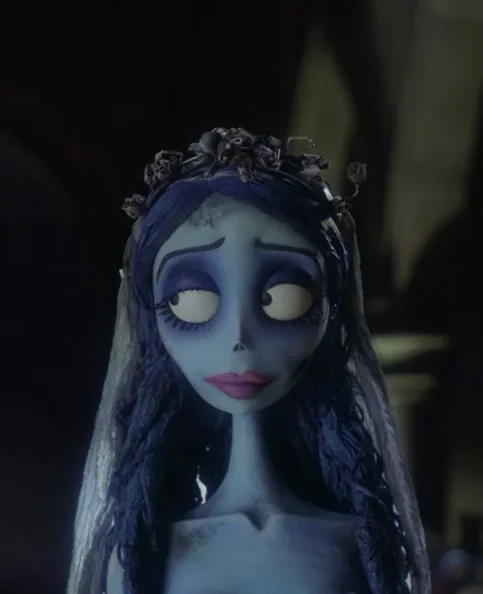
- Political Stance: Burton’s films often contain subversive political messages, which have sometimes been the subject of controversy. For example, Corpse Bride was seen by some as a critique of traditional gender roles and societal expectations.
- Collaborations with Johnny Depp: Burton’s frequent collaborations with Johnny Depp have been both praised and criticized. While many fans appreciate the synergy between the two, others argue that their partnership can sometimes feel repetitive and lacks fresh elements.
- Commercial Success vs. Artistic Integrity: Burton’s films are often commercially successful, but this has led to debates about whether his work prioritizes box office appeal over artistic integrity. Some critics argue that Burton’s later films, such as Dark Shadows, show a compromise between his artistic vision and commercial demands.
- Use of CGI: Burton’s increasing reliance on computer-generated imagery (CGI) in his films has been a point of contention. While CGI has allowed him to create visually stunning worlds, some purists argue that it has diminished the tactile and practical effects that were a hallmark of his earlier work.
Control vs chaos
Tim Burton’s films often explore the tension between control and chaos, a theme that is deeply rooted in his personal experiences and artistic philosophy. His narratives frequently center around characters who are outcasts or misfits, struggling to find their place in a world that is often rigid and unforgiving. Burton’s visual style, characterized by its gothic and surreal elements, reflects this duality. On one hand, his meticulously crafted sets and costumes represent a form of control, a deliberate and precise artistry. On the other hand, the chaotic and often unsettling nature of his storylines and characters embody a sense of unpredictability and rebellion against the norm. This balance between control and chaos is a hallmark of Burton’s work, creating a unique and compelling cinematic experience.
Emotional geography
Tim Burton’s emotional geography is a landscape of contrasts, where the macabre and the whimsical coexist, and the boundaries between dreams and reality are blurred. His films often delve into the inner worlds of their characters, exploring themes of loneliness, alienation, and the search for identity. Burton’s use of dark and surreal imagery, coupled with his eloquent storytelling, creates a rich emotional tapestry that resonates with audiences. His characters, often outsiders or dreamers, navigate through a world that is both familiar and strange, reflecting the universal human experience of feeling out of place. This emotional geography is not just a backdrop but a living, breathing element of his work, adding depth and complexity to his narratives.

FAQs
-
What is Tim Burton best known for?
Tim Burton is best known for his distinctive and gothic visual style, and for directing films such as Beetlejuice, Edward Scissorhands, and Sweeney Todd: The Demon Barber of Fleet Street. His collaboration with Johnny Depp has also become legendary.
-
What was Tim Burton’s first feature film?
Tim Burton’s first feature film was Pee-wee’s Big Adventure, released in 1985. The film was a cult classic and helped establish Burton’s unique style.
-
What inspired Tim Burton’s unique style?
Burton’s unique style is inspired by a combination of his childhood experiences, his love for classic horror films and gothic literature, and his own feelings of isolation and alienation. His art and films often reflect these influences through dark, whimsical, and surreal elements.
-
What is the significance of Tim Burton’s collaborations with Johnny Depp?
The collaboration between Tim Burton and Johnny Depp is significant because it has produced some of Burton’s most acclaimed and popular films, such as Edward Scissorhands, Sleepy Hollow, and Sweeney Todd. Depp’s performances often embody the eccentric and often tragic characters that are central to Burton’s storytelling.
-
What are some of Tim Burton’s most notable films?
Some of Tim Burton’s most notable films include Beetlejuice, Edward Scissorhands, Batman, The Nightmare Before Christmas, Sweeney Todd: The Demon Barber of Fleet Street, and Charlie and the Chocolate Factory.
-
How does Tim Burton incorporate his personal experiences into his films?
Burton often draws on his personal experiences of feeling like an outsider and his fascination with the strange and the macabre. His films frequently feature characters who are outcasts or misfits, and the settings are often whimsical and surreal, reflecting his inner world.
-
What role does music play in Tim Burton’s films?
Music plays a crucial role in Tim Burton’s films, often enhancing the mood and atmosphere. He frequently collaborates with composer Danny Elfman, who has scored many of his films, creating iconic soundtracks that complement his distinctive visual style.
-
What are some of Tim Burton’s early works?
Some of Tim Burton’s early works include the short film Frankenweenie (1984) and his debut feature film Pee-wee’s Big Adventure (1985). These works laid the foundation for his unique style and storytelling.
-
How has Tim Burton’s style evolved over the years?
While Tim Burton’s signature gothic and whimsical style has remained consistent, his films have evolved to incorporate more complex narratives and themes. His later works, such as Sweeney Todd and Dark Shadows, show a greater emphasis on character development and deeper emotional resonance.
-
What is Tim Burton’s approach to filmmaking?
Tim Burton’s approach to filmmaking is highly collaborative and visually driven. He often works closely with his team to create detailed and immersive worlds, and he prioritizes storytelling that is both emotionally resonant and visually striking.
-
What is Tim Burton’s opinion on the use of CGI in his films?
Tim Burton has a nuanced view of CGI. While he appreciates the creative possibilities it offers, he also values practical effects and the tactile quality they bring to his films. This balance between CGI and practical effects is evident in many of his works.
-
What are some of Tim Burton’s lesser-known works?
Some of Tim Burton’s lesser-known works include the short film Vincent (1982) and the documentary Martin Scorsese Presents the Blues: Feel Like Going Home (2003). These works showcase different facets of his creative talents.
-
How does Tim Burton balance commercial success with artistic integrity?
Tim Burton balances commercial success with artistic integrity by staying true to his unique vision while also making films that resonate with a wide audience. He often takes creative risks and explores unconventional themes, which helps maintain the artistic integrity of his work.
-
What impact has Tim Burton had on the film industry?
Tim Burton has had a significant impact on the film industry by redefining the boundaries of gothic and fantasy genres. His distinctive style and storytelling have influenced a generation of filmmakers and artists, and his films continue to be studied and admired for their creativity and emotional depth.