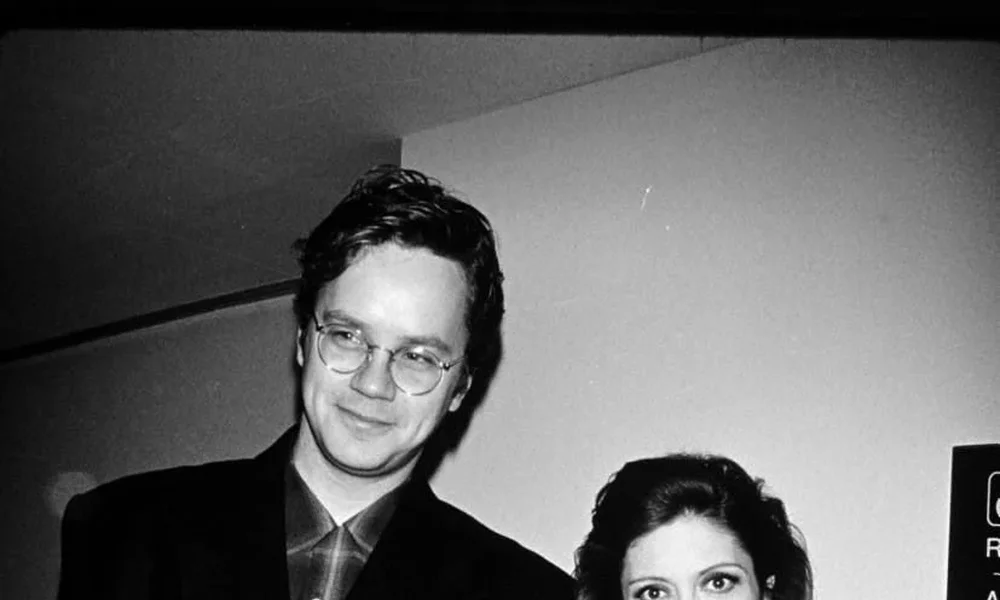
Tim Robbins, a multifaceted artist known for his prolific work as an actor, director, and political activist, has left an indelible mark on the entertainment industry and beyond. Born in 1958, Robbins has had a career that spans several decades, showcasing his versatility and depth. From his early days in theater to his breakthrough performances in film, Robbins has consistently pushed boundaries and challenged the status quo. His commitment to social and political causes has further cemented his status as a prominent figure in both the arts and activism. This comprehensive article delves into the life, career, and impact of Tim Robbins, providing a detailed exploration of his journey from a young theater enthusiast to a celebrated Hollywood icon.
PERSONAL INFORMATION
| Name | Tim Robbins |
|---|---|
| Nationality | United States |
| Date of Birth | 16 October 1958 |
| Age | 67 Years |
| Zodiac Sign | Libra |
| Place of Birth | West Covina |
| Languages Spoken | English |
| Birth Name | Timothy Francis Robbins |
| Residence | Pound Ridge |
| Gender | Male |
| Native Language | English |
PHYSICAL STATISTICS
| Height (in centimeters) | 200 cm |
|---|---|
| Height (in meters) | 2.00 m |
| Height (in feet inches) | 6′ 6″ |
FAMILY
| Partner | Susan Sarandon |
|---|---|
| Father | Gil Robbins |
| Children | Miles Robbins |
EDUCATION
| Educated At | UCLA School of Theater, Film and Television, University of California, Los Angeles, Stuyvesant High School, State University of New York at Plattsburgh |
|---|
CAREER
| Profession | screenwriter, film producer, film actor, film director, actor, television actor, theatrical director, director |
|---|---|
| Awards Received | Academy Award for Best Supporting Actor, Golden Globe Award for Best Supporting Actor – Motion Picture, Golden Globe Award for Best Actor – Motion Picture Musical or Comedy, Cannes Film Festival Award for Best Actor, Officer of Arts and Letters, star on Hollywood Walk of Fame |
| Nominations | Academy Award for Best Supporting Actor, Academy Award for Best Director, Golden Raspberry Award for Worst Supporting Actor – Razzie Award |
| Work Period Start | 1982 |
SOCIAL MEDIA & LINKS
| IMDB ID | nm0000209 |
|---|---|
| Official Website | http://timrobbins.net/ |
| @timrobbinshere | |
| @TimRobbins1 | |
| Wikipedia | Wikipedia |
Cost of Becoming
Becoming Tim Robbins was not without its sacrifices and challenges. Born into a family with a rich artistic background, Robbins was exposed to the performing arts from a young age. His parents, both folk singers and activists, instilled in him a deep sense of social consciousness and a passion for the arts. However, the path to stardom was not easy. Robbins faced numerous rejections and financial hardships, often taking on multiple jobs to support himself while pursuing his dreams. Despite these obstacles, his unwavering dedication and talent eventually led him to success, proving that the cost of becoming a renowned artist is often measured in perseverance and resilience.
Identity Before Fame
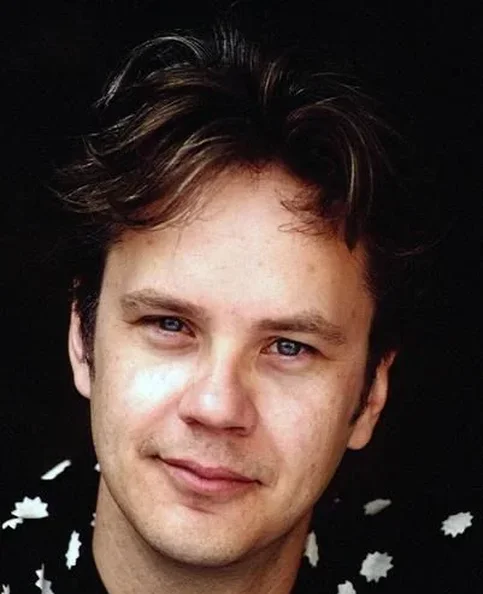
Before achieving fame, Tim Robbins was deeply involved in the theater community. He co-founded the Los Angeles Theater Company, which became a platform for showcasing experimental and socially conscious plays. This early involvement in theater not only honed his craft but also laid the foundation for his future work in film and activism. Robbins’ background in theater provided him with the skills and discipline necessary to excel in the competitive world of Hollywood. His commitment to challenging narratives and exploring complex themes in his performances was evident even in his pre-fame days, setting the stage for his later success.
Timeline
- 1958 – Born in West Covina, California
- 1976 – Attends the University of California, Los Angeles (UCLA)
- 1981 – Co-founds the Los Angeles Theater Company
- 1986 – Acts in the film “Bull Durham,” gaining widespread recognition
- 1992 – Wins the Academy Award for Best Actor for “Mystic River”
- 1994 – Directs and stars in the critically acclaimed film “Dead Man Walking”
- 1999 – Co-founds the Actors’ Gang, a theater group focused on community engagement
- 2003 – Receives an Honorary Golden Bear Award at the Berlin International Film Festival
- 2005 – Directs and stars in “Cradle Will Rock,” a film about the power of art during challenging times
- 2015 – Continues his activism and advocacy for social justice issues
Favourites
- Favorite Film – “One Flew Over the Cuckoo’s Nest” (1975)
- Favorite Director – Robert Altman
- Favorite Actor – Marlon Brando
- Favorite Book – “The Grapes of Wrath” by John Steinbeck
- Favorite Play – “A Streetcar Named Desire” by Tennessee Williams
- Favorite Musical Artist – Bob Dylan
- Favorite Sport – Baseball
- Favorite Food – Mexican cuisine
- Favorite Place – Santa Monica, California
- Favorite Activist – Martin Luther King Jr.

Controversies
- Support for Fidel Castro – Robbins has been a vocal supporter of the Cuban leader, which has garnered criticism from some quarters.
- Anti-War Stances – His vocal opposition to various U.S. military interventions has made him a target of conservative criticism.
- Political Activism – Robbins’ active involvement in political causes, particularly those aligned with left-wing ideologies, has sometimes led to controversy.
- Comments on Israel-Palestine Conflict – His outspoken views on the Israel-Palestine conflict have been a source of contention.
- Support for Francisco Franco – Robbins has been criticized for his nuanced take on the controversial Spanish dictator Francisco Franco.
- Opposition to the Iraq War – His strong stance against the Iraq War has been met with both praise and criticism.
- Environmental Activism – His advocacy for environmental causes has sometimes put him at odds with corporate interests.
- Support for WikiLeaks – Robbins’ support for Julian Assange and WikiLeaks has been a point of contention.
- Comments on the War on Drugs – His criticism of the U.S. drug policy has been a subject of debate.
- Support for Bernie Sanders – His vocal support for Bernie Sanders during the 2016 and 2020 presidential campaigns has drawn criticism from supporters of other candidates.
Control vs Chaos
Throughout his career, Tim Robbins has navigated the delicate balance between control and chaos. His work often reflects a tension between the structured world of Hollywood and the more improvisational and experimental nature of theater. This duality is evident in his directorial projects, such as “Dead Man Walking” and “Cradle Will Rock,” where he explores themes of order and disorder. Robbins’ ability to embrace chaos while maintaining a clear vision has been a key factor in his success, allowing him to push the boundaries of conventional storytelling and create compelling, thought-provoking works of art.
Emotional Geography
Tim Robbins’ emotional geography is deeply rooted in his experiences and the places that have shaped him. Growing up in California, the natural beauty and diverse cultural landscape of the state have had a profound influence on his artistic sensibilities. His time in Los Angeles, a city known for its vibrant arts scene and social advocacy, has further enriched his emotional landscape. The theaters and film sets where he has honed his craft, the political rallies where he has championed social justice, and the quiet moments of reflection in his personal life all contribute to the rich tapestry of his emotional geography. This emotional depth infuses his work with a sense of authenticity and resonance that resonates with audiences around the world.
FAQs
-
How did Tim Robbins get his start in the entertainment industry?
Tim Robbins got his start in the entertainment industry through his involvement in theater. He co-founded the Los Angeles Theater Company, which provided him with a platform to develop his acting and directing skills. His early work in theater helped him build a strong foundation and gain recognition in the arts community.
-
What is Tim Robbins’ most critically acclaimed performance?
One of Tim Robbins’ most critically acclaimed performances is his role as Andy Dufresne in the film “The Shawshank Redemption” (1994). His portrayal of the wrongly convicted banker who befriends a fellow inmate and ultimately escapes from prison is widely regarded as one of his finest performances.
-
What political causes is Tim Robbins passionate about?
Tim Robbins is passionate about various political causes, including social justice, environmental protection, and civil rights. He has been a vocal supporter of anti-war movements, prison reform, and the rights of marginalized communities. His activism has often involved participating in protests, speaking at rallies, and using his platform to raise awareness about important issues.
-
What are some of Tim Robbins’ notable film directorial works?
Some of Tim Robbins’ notable directorial works include “Bob Roberts” (1992), a political satire film, “Dead Man Walking” (1995), a drama about the death penalty, and “Cradle Will Rock” (1999), a historical drama about the power of art. These films showcase his talent as both an actor and a director, as well as his commitment to tackling complex and socially relevant themes.
-
How has Tim Robbins balanced his acting and directing careers?
Tim Robbins has balanced his acting and directing careers by carefully selecting projects that align with his artistic and personal values. He often takes on roles that challenge him both as an actor and a director, allowing him to explore different facets of his creativity. His dedication to social and political causes has also provided a unifying theme that informs both his acting and directing choices.
-
What is the Actors’ Gang, and what is its mission?
The Actors’ Gang is a theater company co-founded by Tim Robbins in 1991. Based in Los Angeles, the company is dedicated to creating socially conscious and experimental theater. One of its key missions is to engage with underserved communities and support social justice causes. The Actors’ Gang has also been involved in educational and outreach programs, using the arts to promote healing and positive change.
-
What awards has Tim Robbins won?
Tim Robbins has won numerous awards throughout his career, including an Academy Award for Best Actor for his role in “Mystic River” (2003). He has also received multiple Golden Globe nominations and won the Honorary Golden Bear Award at the Berlin International Film Festival in 2003. His work as a director, particularly for “Dead Man Walking,” has also been highly acclaimed.
-
How has Tim Robbins used his platform to support social causes?
Tim Robbins has used his platform to support social causes by participating in advocacy campaigns, speaking at rallies, and producing content that raises awareness about important issues. He has been involved in anti-war activism, prison reform, and environmental protection efforts. His films and theater productions often address social and political themes, further amplifying his message of social justice and equality.
-
What is Tim Robbins’ relationship with the film industry?
Tim Robbins has had a long and fruitful relationship with the film industry, both as an actor and a director. He has worked with some of the most renowned filmmakers and has collaborated with a wide range of talented artists. Despite the industry’s often glitzy and commercial nature, Robbins has maintained a commitment to authentic and meaningful storytelling, often choosing projects that challenge the status quo and explore complex social issues.
-
What are some of Tim Robbins’ favorite books?
Tim Robbins is known to be an avid reader, and some of his favorite books include “The Grapes of Wrath” by John Steinbeck, “A Streetcar Named Desire” by Tennessee Williams, and “One Hundred Years of Solitude” by Gabriel García Márquez. These works often reflect his interest in social justice, complex characters, and powerful storytelling.
-
How has Tim Robbins’ background in theater influenced his acting and directing?
Tim Robbins’ background in theater has deeply influenced his acting and directing. His early experience in experimental and socially conscious plays has provided him with a strong foundation in character development, improvisation, and ensemble performance. This background has allowed him to bring a nuanced and authentic approach to his film roles and directorial projects, often drawing on the collaborative and immersive nature of theater.
-
What is Tim Robbins’ stance on the death penalty?
Tim Robbins is a vocal opponent of the death penalty. His stance is reflected in his directorial work, particularly the film “Dead Man Walking” (1995), which tells the story of a nun who becomes the spiritual advisor to a death row inmate. Through this film and his activism, Robbins has advocated for the abolition of the death penalty, emphasizing the need for rehabilitation and compassion over retribution.
-
What are some of Tim Robbins’ favorite films?
Some of Tim Robbins’ favorite films include “One Flew Over the Cuckoo’s Nest” (1975), “The Godfather” (1972), and “12 Angry Men” (1957). These films often explore complex themes, powerful performances, and thought-provoking narratives, which resonate with Robbins’ own artistic and philosophical interests.
-
How does Tim Robbins balance his artistic and activist pursuits?
Tim Robbins balances his artistic and activist pursuits by integrating his values and beliefs into his creative work. Whether he is acting in a film, directing a play, or participating in a protest, he remains committed to using his talents to promote social change and justice. His projects often serve as a vehicle for addressing important issues, allowing him to merge his artistic and activist goals in a meaningful way.
-
What impact has Tim Robbins had on the entertainment industry and beyond?
Tim Robbins has had a significant impact on the entertainment industry and beyond through his multifaceted career. His contributions as an actor, director, and political activist have brought attention to important social issues and inspired others to use their platforms for positive change. By challenging conventional narratives and pushing boundaries, Robbins has left a lasting legacy that extends far beyond the screen, influencing both the arts and the broader cultural landscape.