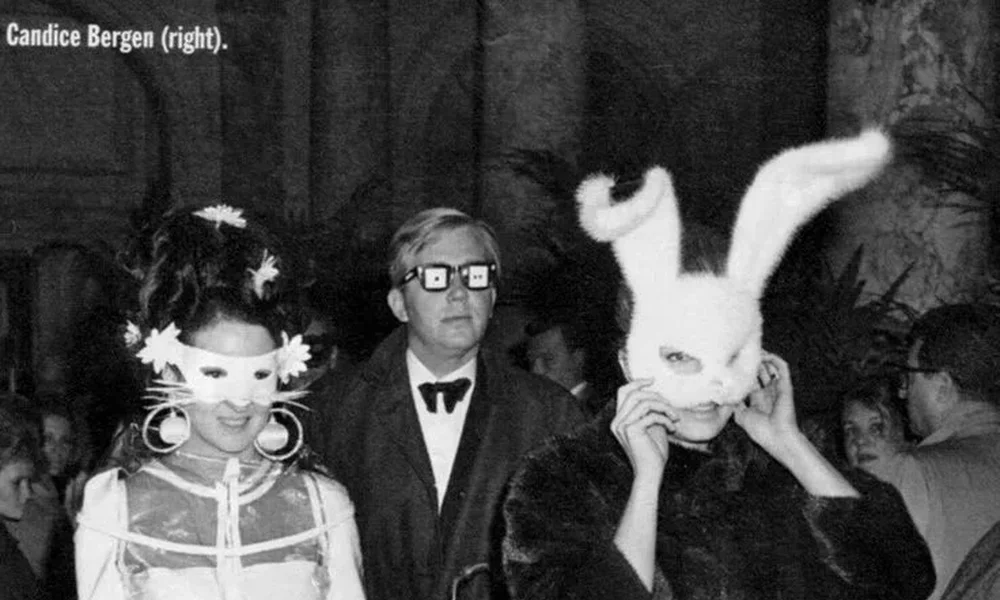
Truman Capote, born Truman Streckfus Persons on September 30, 1924, in New Orleans, Louisiana, was a prolific American writer renowned for his literary works, including the novella “Breakfast at Tiffany’s” and the non-fiction novel “In Cold Blood.” His life was a blend of brilliance and controversy, marked by a unique writing style that blurred the lines between fiction and journalism. Capote’s works often delved into the human condition, exploring themes of loneliness, love, and the darker aspects of society. His influence on American literature and his flamboyant personality made him a significant figure in the 20th century.
PERSONAL INFORMATION
| Name | Truman Capote |
|---|---|
| Gender | Male |
| Place of Birth | New Orleans |
| Place of Death | Los Angeles |
| Nationality | United States |
| Date of Birth | 30 September 1924 |
| Age at Death | 59 Years |
| Zodiac Sign | Libra |
| Date of Death | 25 August 1984 |
| Birth Name | Truman Streckfus Persons |
| Signature |  |
| Languages Spoken | English |
| Native Name | Truman Capote |
EDUCATION
| Educated At | Greenwich High School, Dwight School |
|---|
CAREER
| Profession | screenwriter, novelist, writer, playwright, autobiographer, actor, journalist |
|---|---|
| Genre | Southern Gothic |
| Notable Works | In Cold Blood, Breakfast at Tiffany’s |
| Member Of | American Academy of Arts and Letters, Bavarian Academy of Fine Arts |
| Awards Received | O. Henry Award |
| Work Period Start | 1943 |
| Work Period End | 1982 |
| Field of Work | creative and professional writing, journalism, film screenwriting, film acting |
SOCIAL MEDIA & LINKS
| IMDB ID | nm0001986 |
|---|---|
| YouTube Channel | UCrekr2FptQ0qu4T8jVLAucg |
| Wikipedia | Wikipedia |
Cost of becoming
The path to becoming Truman Capote was fraught with challenges and personal struggles. Born to a young, ambitious mother and a salesman father, Capote’s childhood was marked by instability and a lack of parental presence. His parents divorced when he was just four years old, and he was sent to live with his mother’s relatives in Monroeville, Alabama. This early displacement and the absence of a stable family environment deeply influenced his writing and his worldview. Despite these challenges, Capote’s innate talent and drive propelled him to become one of the most celebrated writers of his time.
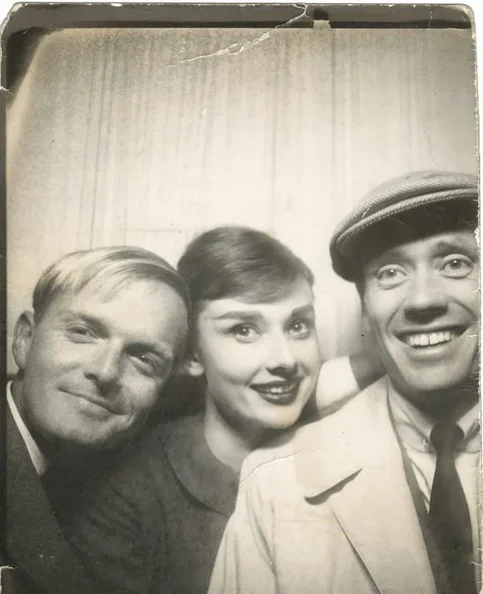
Identity before fame
Before he became a household name, Truman Capote was known as a shy and introverted child with a keen interest in writing. He spent much of his childhood reading and writing, often finding solace in his imagination. His friendship with Harper Lee, who later wrote “To Kill a Mockingbird,” was a significant influence during this period. Capote’s early life in the South, particularly his time in Monroeville, provided him with a rich tapestry of experiences that would later inform his writing. His first published work, “Miriam,” appeared in 1945 in The New Yorker, marking the beginning of his literary career.
Timeline
- 1924: Truman Capote is born in New Orleans, Louisiana.
- 1929: His parents divorce, and he is sent to live with his mother’s relatives in Monroeville, Alabama.
- 1945: His first published work, “Miriam,” appears in The New Yorker.
- 1948: Capote’s first novel, “Other Voices, Other Rooms,” is published and becomes a bestseller.
- 1958: He publishes the novella “Breakfast at Tiffany’s,” which gains widespread acclaim.
- 1966: “In Cold Blood,” his non-fiction novel, is published and solidifies his reputation as a master of the genre.
- 1975: He publishes “Answered Prayers,” a controversial novel that alienates many of his friends.
- 1980: Capote suffers a collapse at a party in Manhattan, signaling a decline in his health.
- 1984: He dies at the age of 59 in Los Angeles, California.
Favourites
- Book: “The Great Gatsby” by F. Scott Fitzgerald
- Place: Manhattan, New York
- Food: Seafood, particularly oysters
- Drink: Brandy
- Author: Marcel Proust
- Season: Summer
- Color: Lavender
- Activity: Reading and writing
Controversies
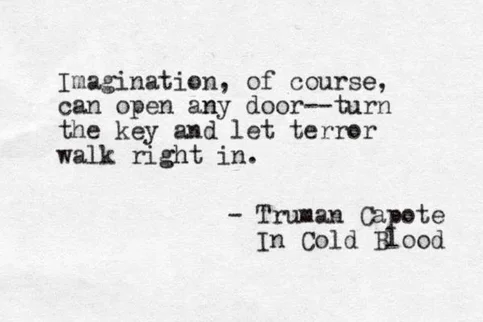
- Publication of “Answered Prayers” in Esquire in 1975, which exposed the private lives of his social circle and led to many friendships ending.
- Disagreements with Norman Mailer, a fellow writer, over the style and content of their work.
- Frequent public appearances and interviews, which often included controversial statements and behaviors.
- Criticism of his work being labeled as “too feminine” and lacking the depth of other male authors.
- His open bisexuality and relationships, which were often the subject of scandal and gossip.
- Allegations of plagiarism and borrowing heavily from the lives of his friends in his writing.
- Claims that his research for “In Cold Blood” involved manipulation and exploitation of the killers and their families.
- His public feuds with other celebrities and writers, often fueled by alcohol and drugs.
- Accusations of being a social climber and using his literary success to gain entry into high society.
Control vs. chaos
Truman Capote’s life was a delicate balance between control and chaos. On one hand, he was meticulous in his writing, often spending years researching and crafting his works. His attention to detail and his ability to weave fact and fiction together in a seamless narrative demonstrated his mastery of control. On the other hand, his personal life was marked by turmoil and unpredictability. His struggle with addiction, his tumultuous friendships, and his public feuds were all indicators of the chaos that often reigned in his personal life. This dichotomy between his professional and personal worlds added layers of complexity to his character and his work.
Emotional geography
Truman Capote’s emotional landscape was deeply influenced by his childhood and the places he called home. The small town of Monroeville, Alabama, with its stark contrasts of beauty and poverty, left an indelible mark on his psyche. The bustling streets of New York City, with their endless possibilities and glittering social scene, provided a backdrop for his adult life and career. Capote’s ability to capture the essence of these places and the emotions they evoked is evident in his writing, where the setting often plays as significant a role as the characters themselves. His emotional geography was a blend of the rural South and the urban North, each contributing to the richness of his literary works.
FAQs
-
What was Truman Capote’s most famous book?
Truman Capote’s most famous book is “In Cold Blood,” a non-fiction novel that details the 1959 murder of the Clutter family in Kansas. It is considered a masterpiece of the true-crime genre.
-
What is “Breakfast at Tiffany’s” about?
“Breakfast at Tiffany’s” is a novella that tells the story of Holly Golightly, a young woman in New York City who is trying to make a life for herself. It explores themes of identity, loneliness, and the search for belonging.
-
How did Truman Capote start his writing career?
Capote’s writing career began when he was a teenager. He started by writing short stories, and his first published work, “Miriam,” appeared in The New Yorker in 1945.
-
What was Truman Capote’s relationship with Harper Lee?
Truman Capote and Harper Lee were childhood friends who grew up together in Monroeville, Alabama. They remained close throughout their lives, and Capote is believed to have been the inspiration for the character of Dill in Lee’s novel “To Kill a Mockingbird.”
-
Why was “Answered Prayers” so controversial?
“Answered Prayers” was a novel that Capote began writing in the 1970s. It was highly controversial because it revealed intimate details about the private lives of his friends, many of whom were prominent figures in high society. The publication of excerpts in Esquire magazine led to many of his friendships ending.
-
What was Truman Capote’s writing style?
Truman Capote’s writing style was characterized by its elegance and precision. He was known for his ability to blend fact and fiction, creating narratives that felt both real and artistic. His prose was often described as lyrical and evocative.
-
How did Truman Capote’s personal life influence his writing?
Capote’s personal life, marked by his troubled childhood, his bisexuality, and his struggles with addiction, deeply influenced his writing. His experiences provided a rich source of material and emotional depth, which he often mined in his works.
-
What was Truman Capote’s role in the development of the non-fiction novel?
Truman Capote is often credited with pioneering the non-fiction novel genre with “In Cold Blood.” The book combines the techniques of journalistic reporting with the literary style of a novel, creating a groundbreaking form of writing that has since become widely recognized.
-
What was Truman Capote’s relationship with Norman Mailer?
Truman Capote and Norman Mailer had a contentious relationship. They often engaged in public feuds and were critical of each other’s work. Their rivalry was a significant part of the literary landscape of the 1960s and 1970s.
-
What was Truman Capote’s impact on American literature?
Truman Capote’s impact on American literature is significant. His works, particularly “In Cold Blood” and “Breakfast at Tiffany’s,” have become classics and continue to be widely studied and celebrated. His unique writing style and his contributions to the non-fiction novel genre have left a lasting legacy.
-
What were some of Truman Capote’s hobbies besides writing?
Besides writing, Truman Capote enjoyed reading, traveling, and socializing. He was a prolific socialite and often attended high-profile events and parties. He was also known for his love of cuisine and his enjoyment of fine dining.
-
What was Truman Capote’s educational background?
Truman Capote did not complete a formal education. He dropped out of high school and was largely self-taught. Despite this, he was a voracious reader and had a deep knowledge of literature and the arts.
-
What were some of the challenges Truman Capote faced in his career?
Truman Capote faced several challenges throughout his career, including criticism from his peers, controversies surrounding his personal life, and the toll that his lifestyle took on his health. His struggle with addiction and his public feuds often overshadowed his literary achievements.
Truman Capote’s life and work continue to fascinate readers and scholars. His unique blend of literary talent and personal charisma has cemented his place as one of the most significant figures in American literature. Despite the controversies and challenges he faced, Capote’s legacy endures, and his contributions to the literary world remain unparalleled.