
William Hanna, often remembered alongside his long-time collaborator Joseph Barbera, is a towering figure in the world of animation. Born on July 14, 1910, in Melrose, New Mexico, Hanna went on to co-found Hanna-Barbera Productions, which became one of the most prolific and influential animation studios in history. Known for creating iconic characters such as Tom and Jerry, Yogi Bear, and The Flintstones, Hanna’s contributions to the field have left an indelible mark on popular culture. His career spanned several decades, during which he won numerous awards and honors, solidifying his legacy as a pioneer in animation. This article delves into the life, achievements, and impact of William Hanna, exploring his journey from a young engineer to a legend in the animation industry.
PERSONAL INFORMATION
| Name | William Hanna |
|---|---|
| Gender | Male |
| Place of Birth | Melrose |
| Nationality | United States |
| Date of Birth | 14 July 1910 |
| Age at Death | 90 Years |
| Zodiac Sign | Cancer |
| Ethnicity | Irish Americans |
| Birth Name | William Denby Hanna |
| Languages Spoken | English |
| Native Name | William Hanna |
| Native Language | English |
| Date of Death | 22 March 2001 |
| Place of Death | North Hollywood |
EDUCATION
| Educated At | Compton High School, University of California, Los Angeles, Compton College |
|---|
CAREER
| Profession | film producer, film director, animator, writer, painter, screenwriter, structural engineer, voice actor, executive producer, actor, television producer, comics artist |
|---|---|
| Awards Received | Daytime Emmy Award, star on Hollywood Walk of Fame, Winsor McCay Award, Primetime Emmy Award, Distinguished Eagle Scout Award |
| Nominations | Academy Award for Best Animated Short Film, Academy Award for Best Animated Short Film |
| Employer | Metro-Goldwyn-Mayer, Harman and Ising |
| Member Of | Scouting America |
| Work Period Start | 1930 |
| Work Period End | 2001 |
Cost of Becoming
The path to becoming a legendary animator was not easy for William Hanna. Born into a modest family, Hanna faced numerous challenges and obstacles that tested his resolve and determination. Initially, he pursued a career in engineering, but his passion for the arts and his creative instincts eventually led him to the world of animation. The transition required significant sacrifices, including financial instability and the risk of failure. However, Hanna’s unwavering commitment to his craft and his ability to adapt and innovate paid off, as he co-founded Hanna-Barbera Productions, which became a cornerstone of the animation industry. The cost of becoming a legend was high, but the rewards were immeasurable.

Identity Before Fame
Before achieving fame and recognition, William Hanna led a relatively ordinary life. He was born and raised in Melrose, New Mexico, and later moved to California with his family. Hanna’s early years were marked by a strong interest in engineering and technical skills. He attended Compton Junior College, where he studied engineering, but his true passion lay in the arts. After graduating, Hanna worked as an engineer for a time but soon found himself drawn to the world of animation. His decision to pursue a career in this field was a significant turning point, setting the stage for his future success and legendary status.
Timeline
- 1910 – Born on July 14 in Melrose, New Mexico
- 1930 – Began working as an engineer
- 1937 – Joined Metro-Goldwyn-Mayer (MGM) as an animator
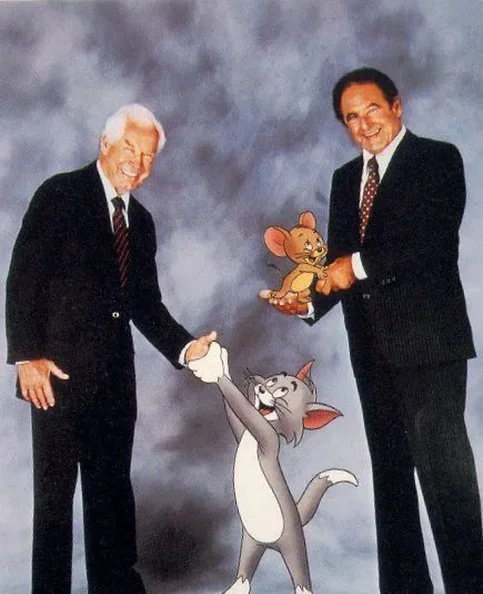
- 1940 – Teamed up with Joseph Barbera to create Tom and Jerry
- 1956 – Co-founded Hanna-Barbera Productions
- 1961 – Launched The Flintstones, which became a cultural phenomenon
- 1971 – Created Scooby-Doo, Where Are You!
- 1987 – Won the inaugural Governors Award from the National Academy of Television Arts and Sciences
- 1996 – Inducted into the Television Academy Hall of Fame
- 2001 – Died on March 22 in Los Angeles, California
Favourites
- Favorite Project: Tom and Jerry, which he co-created with Joseph Barbera
- Favorite Character: Tom from Tom and Jerry
- Favorite Collaboration: Working with Joseph Barbera
- Favorite Studio: Hanna-Barbera Productions
- Favorite Award: The Governors Award from the National Academy of Television Arts and Sciences
- Favorite Hobby: Golfing and collecting art
- Favorite Book: “Don Quixote” by Miguel de Cervantes
- Favorite Movie: “Citizen Kane” by Orson Welles
- Favorite Music: Classical music, particularly works by Beethoven
- Favorite Place: His home in California
Controversies
- Accusations of Racial Stereotyping: Some of Hanna-Barbera’s early works, including characters like Bert and Harry from The Jetsons, have been criticized for perpetuating racial stereotypes.
- Industry Criticism: Hanna and Barbera faced criticism from other animators who felt that their studio’s use of limited animation techniques compromised the quality of their work.
- Union Disputes: During the 1980s, there were several disputes with animation unions regarding working conditions and pay at Hanna-Barbera Productions.
- Lawsuits: Hanna and Barbera were involved in several legal battles, including a lawsuit over the rights to the Yogi Bear character in the 1990s.
- Workplace Complaints: Some former employees of Hanna-Barbera Productions have alleged that the working environment was stressful and demanding, leading to high turnover rates.
- Environmental Concerns: Some activists criticized the studio for its environmental practices, including the use of toxic chemicals in the animation process.
- Child Labor: There were allegations of child labor being used in the production of some Hanna-Barbera shows, particularly in overseas studios.
- Contract Issues: There were several instances where the studio faced allegations of unfair contract practices, particularly with voice actors and writers.
- Public Image: Hanna and Barbera’s public image was sometimes tarnished by their involvement in corporate scandals and mergers.
- Creative Differences: There were several instances of creative differences between Hanna and Barbera, which sometimes led to public disputes and disagreements.
Control vs Chaos
William Hanna was a master of balancing control and chaos in the chaotic world of animation production. His meticulous attention to detail and organizational skills were crucial in managing the day-to-day operations of Hanna-Barbera Productions. However, he also recognized the importance of embracing the creative chaos that often emerges in the artistic process. This balance allowed the studio to produce a wide range of high-quality content while maintaining a structured and efficient workflow. Hanna’s ability to navigate this delicate equilibrium was a key factor in the studio’s long-term success and innovative spirit.
Emotional Geography
William Hanna’s emotional geography was deeply rooted in his love for storytelling and his commitment to creating content that resonated with audiences of all ages. His experiences growing up in a close-knit family and his early exposure to engineering and the arts shaped his perspective on the world. Despite the challenges and controversies that arose throughout his career, Hanna maintained a strong sense of purpose and a deep passion for his work. This emotional landscape was reflected in the characters and stories he brought to life, which continue to captivate and entertain audiences decades after their creation.
FAQs
-
What is William Hanna best known for?
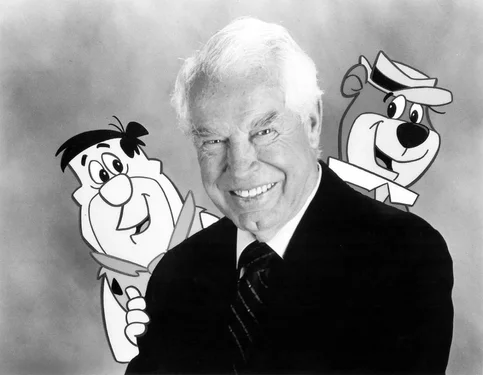
William Hanna is best known for co-founding Hanna-Barbera Productions and creating iconic animated characters and series, such as Tom and Jerry, The Flintstones, and Scooby-Doo.
-
When did William Hanna start his career in animation?
William Hanna began his career in animation in 1937 when he joined Metro-Goldwyn-Mayer (MGM) as an animator.
-
What was William Hanna’s first major project with Joseph Barbera?
William Hanna’s first major project with Joseph Barbera was the creation of Tom and Jerry, which debuted in 1940.
-
How did William Hanna and Joseph Barbera meet?
William Hanna and Joseph Barbera met at MGM in the late 1930s. They quickly formed a strong partnership and began collaborating on various animation projects.
-
What was the most significant achievement of Hanna-Barbera Productions?
One of the most significant achievements of Hanna-Barbera Productions was the creation of The Flintstones, which became one of the most popular and longest-running animated series in history.
-
Did William Hanna win any awards for his work in animation?
Yes, William Hanna won numerous awards for his work in animation, including seven Academy Awards and multiple Emmy Awards.
-
What was William Hanna’s role in the development of limited animation?
William Hanna played a significant role in the development of limited animation, a technique that allowed for faster and more cost-effective production of animated series.
-
How did William Hanna’s background in engineering influence his work in animation?
William Hanna’s background in engineering provided him with a strong understanding of technical processes, which he applied to the development of efficient animation techniques and production methods.
-
What was William Hanna’s approach to managing a successful animation studio?
William Hanna’s approach to managing Hanna-Barbera Productions was characterized by his meticulous attention to detail, strong organizational skills, and a commitment to innovation and quality.
-
How did William Hanna and Joseph Barbera’s partnership evolve over the years?
William Hanna and Joseph Barbera’s partnership evolved from a professional collaboration into a deep friendship, with both men working closely together for over six decades.
-
What was the impact of Hanna-Barbera Productions on the animation industry?
Hanna-Barbera Productions had a profound impact on the animation industry by popularizing weekend morning cartoons, developing new animation techniques, and creating a roster of beloved characters and series.
-
What were some of the challenges William Hanna faced during his career?
William Hanna faced numerous challenges, including financial instability, creative differences, and industry criticism. However, he consistently rose to the occasion and overcame these obstacles through his determination and innovation.
-
How did William Hanna’s legacy continue after his passing?
William Hanna’s legacy continues through the enduring popularity of the characters and series he created, as well as the recognition he received through awards and hall of fame inductions.