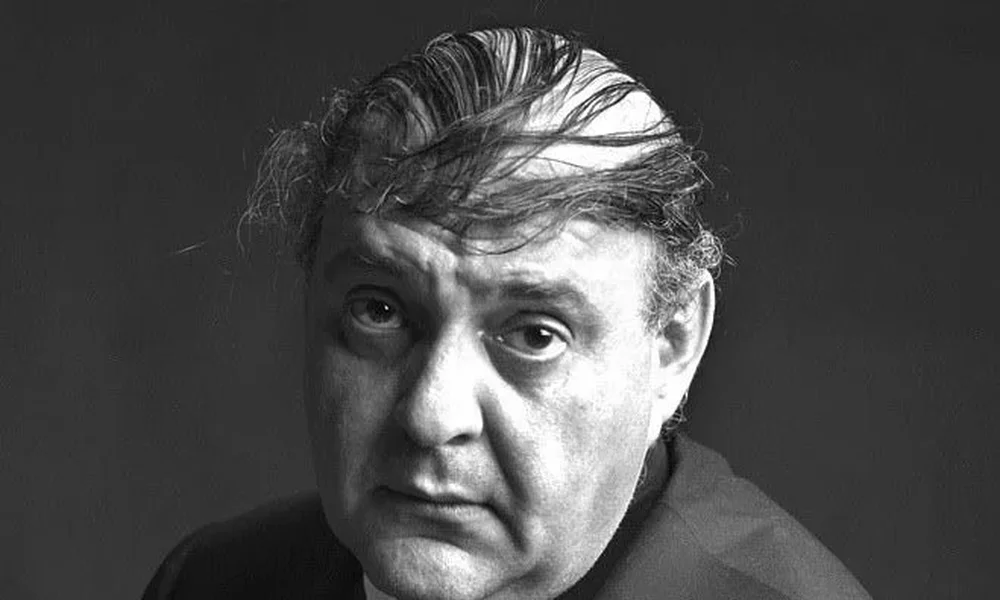
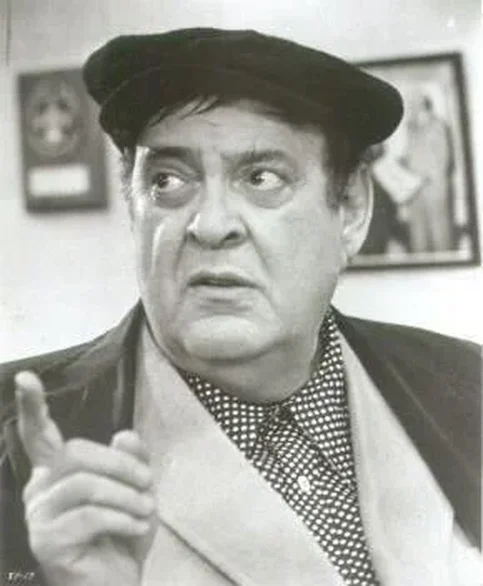
Zero Mostel, a name that resonates deeply within the annals of American theater and film, represents a complex and captivating figure. Born in 1915 and passing away in 1977, Mostel was a versatile actor known for his dynamic performances and the controversies that plagued his career. Despite facing significant challenges, including blacklisting during the McCarthy era, he emerged as a towering presence in the entertainment industry. His ability to transform into a wide range of characters, from the comedic to the dramatic, earned him critical acclaim and a place in the hearts of audiences worldwide. Mostel’s legacy is one of brilliance, resilience, and a relentless pursuit of artistic integrity.
PERSONAL INFORMATION
| Name | Zero Mostel |
|---|---|
| Gender | Male |
| Date of Birth | 28 February 1915 |
| Age at Death | 62 Years |
| Zodiac Sign | Pisces |
| Date of Death | 08 September 1977 |
| Place of Birth | Brooklyn |
| Place of Death | Philadelphia |
| Nationality | United States |
| Languages Spoken | English |
| Ethnicity | American Jews |
| Birth Name | Samuel Joel Mostel |
FAMILY
| Spouse | Clara Sverd, Kate Mostel |
|---|---|
| Children | Josh Mostel |
EDUCATION
| Educated At | City College of New York, Art Students League of New York, New York University, Seward Park High School |
|---|
CAREER
| Profession | film actor, stage actor, voice actor, television actor, actor |
|---|---|
| Awards Received | Tony Award for Best Actor in a Play, Tony Award for Best Actor in a Musical, Tony Award for Best Actor in a Musical, Drama Desk Award for Outstanding Actor in a Play |
| Nominations | Tony Award for Best Actor in a Play |
| Genre | Western |
| Work Period Start | 1943 |
| Field of Work | acting |
Cost of Becoming
The journey of Zero Mostel to stardom was not without its significant sacrifices and hurdles. Early in his career, his unconventional style and refusal to conform to the norms of the industry often led to conflicts with producers and directors. During the 1950s, he was blacklisted due to alleged communist sympathies, a period that nearly derailed his career. Yet, his unwavering commitment to his craft and personal values allowed him to persevere. The cost of becoming a renowned actor was high, but Mostel’s dedication and resilience paid off, earning him the respect and admiration of his peers and audiences alike.
Identity Before Fame
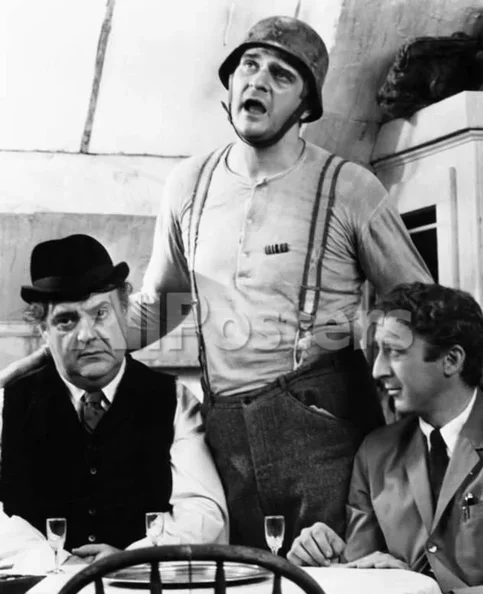
Before he became a household name, Zero Mostel was a young man from Brooklyn, New York, with a passion for the arts. He grew up in a family of artists and developed an early interest in painting and acting. Mostel’s initial forays into the entertainment world were through local theater groups and small roles in Broadway productions. His early experiences honed his skills and prepared him for the challenges that lay ahead. Despite the setbacks and the often tumultuous path to success, Mostel’s identity as an artist was firmly established long before he achieved fame.
Timeline
- 1915: Born in Brooklyn, New York.
- 1930s: Begins acting in local theater groups and develops his artistic skills.
- 1942: Drafted into the United States Army, serving in World War II.
- 1945: Returns to New York and resumes his acting career.
- 1949: Achieves critical acclaim for his performance in the Broadway play “All My Sons.”
- 1950s: Blacklisted during the McCarthy era for alleged communist sympathies.
- 1961: Wins Tony Award for Best Actor in a Musical for “A Funny Thing Happened on the Way to the Forum.”
- 1965: Performs in the original Broadway production of “Fiddler on the Roof.”
- 1970: Stars in the film “The Front,” which addresses the Hollywood blacklist.
- 1977: Dies in New York City at the age of 62.
Favourites
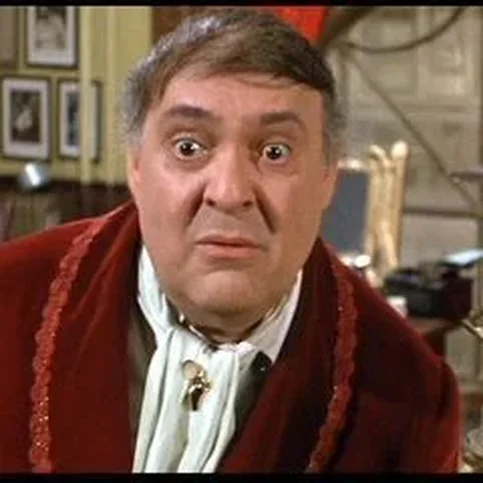
- Favorite Role: Tevye in “Fiddler on the Roof.”
- Favorite Play: “A Funny Thing Happened on the Way to the Forum.”
- Favorite Director: George Abbott.
- Favorite Film: “The Producers.”
- Favorite Actor: Charlie Chaplin.
- Favorite Artist: Pablo Picasso.
- Favorite Book: “The Brothers Karamazov” by Fyodor Dostoevsky.
- Favorite City: New York City.
Controversies
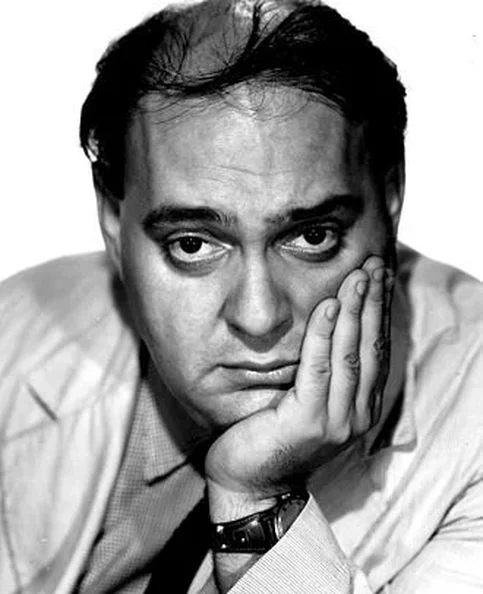
- Blacklisted during the McCarthy era: Accused of communist sympathies, which led to a period of unemployment and social isolation.
- Conflict with the House Un-American Activities Committee: Refused to name names and testify against his colleagues.
- Public disputes with producers and directors: Known for his sometimes combative nature and strong opinions.
- Controversial behavior on set: Famously disruptive and difficult to work with at times.
- Legal battles over contracts: Engaged in several legal disputes over contract terms and rights.
- Allegations of substance abuse: Reports of heavy drinking and occasional drug use.
- Public outbursts and tantrums: Known for his volatile temper and occasional public meltdowns.
- Disagreements with co-workers: Had several well-documented feuds with fellow actors and crew members.
- Political activism: Strongly vocal about his political beliefs, which often put him at odds with mainstream society.
- Personal life scandals: Rumors and media speculation about his private life and relationships.
Control vs Chaos
Zero Mostel’s life was a constant struggle between control and chaos. His artistic vision and commitment to his craft demanded a high level of control, whether it was in his performances or his personal projects. However, his temperamental nature and the external pressures he faced often led to chaotic situations, both on and off the stage. The tension between these two forces shaped his career and personal life, often resulting in brilliant yet tumultuous outcomes.
Emotional Geography
Mostel’s emotional landscape was deeply influenced by his experiences, particularly the dark period of his blacklisting and the subsequent struggle to reclaim his career. This emotional geography reflects a journey of resilience and artistic integrity. Despite the hardships, he maintained a strong sense of self and a deep connection to his art, which provided a grounding force in the face of adversity. His ability to channel his emotional life into his performances made him a truly compelling and memorable actor.
FAQs
-
What was Zero Mostel’s most famous role?
Mostel’s most famous role is Tevye in the original Broadway production of “Fiddler on the Roof.” His portrayal of the endearing and struggle-ridden milkman won him critical acclaim and a place in theater history.
-
How did Zero Mostel start his acting career?
Mostel began his acting career in the 1930s, participating in local theater groups and small roles in Broadway productions. He honed his skills through these early experiences, which laid the foundation for his future success.
-
What was Zero Mostel’s biggest challenge in his career?
The biggest challenge Mostel faced was his blacklisting during the McCarthy era. Accused of having communist sympathies, he was unable to work for several years, which significantly impacted his career and personal life.
-
What did Zero Mostel do during World War II?
Mostel served in the United States Army during World War II. His service experience likely had a profound impact on his outlook and his approach to his craft.
-
What awards did Zero Mostel win?
Mostel won several awards throughout his career, including a Tony Award for Best Actor in a Musical for his role in “A Funny Thing Happened on the Way to the Forum” and multiple nominations for other prestigious awards.
-
How did Zero Mostel’s blacklisting affect his career?
The blacklisting had a significant impact on Mostel’s career, leading to a period of unemployment and social isolation. However, he eventually overcame these challenges and returned to the stage and screen with renewed vigor and success.
-
What was Zero Mostel’s relationship with the House Un-American Activities Committee?
Mostel was subpoenaed by the House Un-American Activities Committee and famously refused to name names or testify against his colleagues, demonstrating his strong principles and commitment to his beliefs.
-
What was Zero Mostel’s impact on the entertainment industry?
Mostel’s impact on the entertainment industry was profound. His dynamic performances and commitment to artistic integrity inspired many actors and helped to push the boundaries of what was possible on stage and screen.
-
What were Zero Mostel’s notable artistic influences?
Mostel was influenced by a variety of artists, including Charlie Chaplin and Pablo Picasso. He drew inspiration from their work and incorporated elements of their styles into his own performances and artistic endeavors.
-
How did Zero Mostel balance his artistic vision with commercial success?
Mostel often struggled to balance his artistic vision with the demands of commercial success. While he was known for his uncompromising approach to his craft, he also achieved significant commercial success with roles in popular productions like “Fiddler on the Roof” and “A Funny Thing Happened on the Way to the Forum.”
-
What was Zero Mostel’s legacy?
Mostel’s legacy is one of artistic brilliance and resilience. His contributions to theater and film continue to be celebrated, and he is remembered as a courageous and talented actor who never wavered in his commitment to his art.
-
What was Zero Mostel’s relationship with his co-stars and colleagues?
Mostel’s relationships with his co-stars and colleagues were complex. While he was respected for his talent, his strong personality and occasional combative nature sometimes led to conflicts and tensions on set.
-
What were Zero Mostel’s hobbies and interests outside of acting?
Mostel had a keen interest in painting and was known for his artistic skills. He also had a deep appreciation for literature and was an avid reader, particularly of works by authors like Fyodor Dostoevsky.