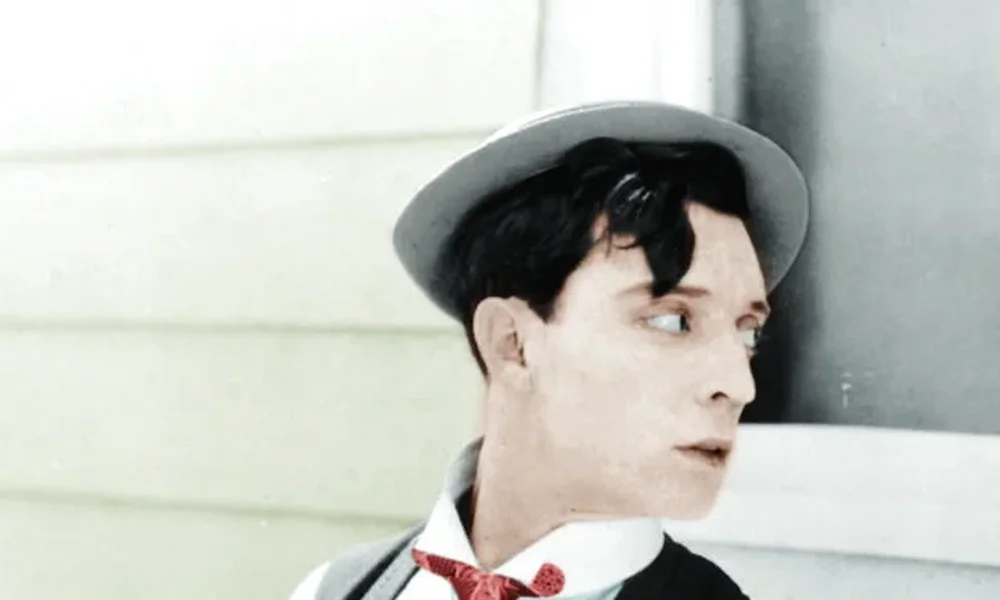
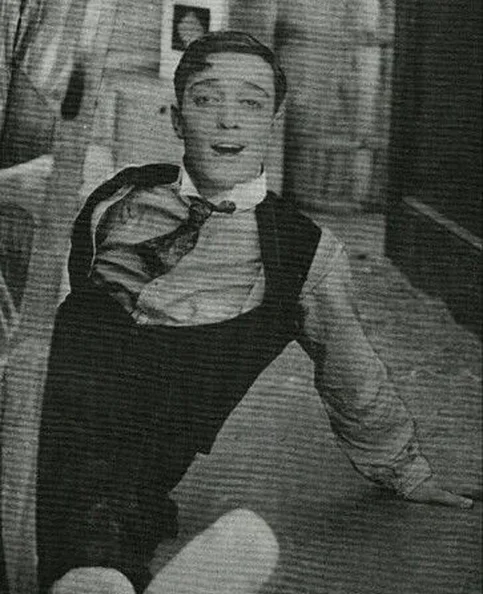
Buster Keaton, born Joseph Frank Keaton, is an iconic figure in the history of silent film comedy. Known for his deadpan expressions and impeccable physical comedy, Keaton left an indelible mark on cinema. His career spanned several decades, from his early days in vaudeville to his peak as a solo filmmaker and beyond. Despite facing numerous challenges, including personal setbacks and industry changes, Keaton’s legacy endures as a pioneer and master of visual storytelling. This article delves into the life, work, and enduring influence of Buster Keaton, providing a comprehensive overview of his journey from a young performer to a celebrated cinematic genius.
PERSONAL INFORMATION
| Name | Buster Keaton |
|---|---|
| Place of Birth | Piqua |
| Date of Birth | 04 October 1895 |
| Age at Death | 70 Years |
| Zodiac Sign | Libra |
| Place of Death | Woodland Hills |
| Residence | Beverly Hills |
| Birth Name | Joseph Francis Keaton VI, Joseph Frank Keaton |
| Date of Death | 01 February 1966 |
| Nationality | United States |
| Languages Spoken | English |
| Gender | Male |
| Nickname | Frigo, Buster, Kamenná tvář, The Great Stone Face, Pamplinas |
| Native Name | Buster Keaton |
| Native Language | English |
PHYSICAL STATISTICS
| Height (in centimeters) | 165 cm |
|---|---|
| Height (in meters) | 1.65 m |
| Height (in feet inches) | 5′ 4″ |
FAMILY
| Spouse | Natalie Talmadge, Eleanor Keaton |
|---|---|
| Father | Joe Keaton |
| Mother | Myra Keaton |
| Children | Joseph Talmadge Keaton, Robert Talmadge Keaton |
CAREER
| Awards Received | Academy Honorary Award, star on Hollywood Walk of Fame |
|---|---|
| Profession | comedian, film producer, writer, film editor, military personnel, stunt performer, television actor, stage actor, mime artist, film director, actor, producer, film actor, military officer, director, screenwriter, film screenwriter |
| Work Period Start | 1917 |
| Work Period End | 1966 |
| Genre | comedy film, silent film, drama film, independent film, adventure film, action film, romance film, historical drama film, historical film |
SOCIAL MEDIA & LINKS
| IMDB ID | nm0000036 |
|---|---|
| Official Website | http://www.busterkeaton.com |
| Wikipedia | Wikipedia |
Cost of becoming
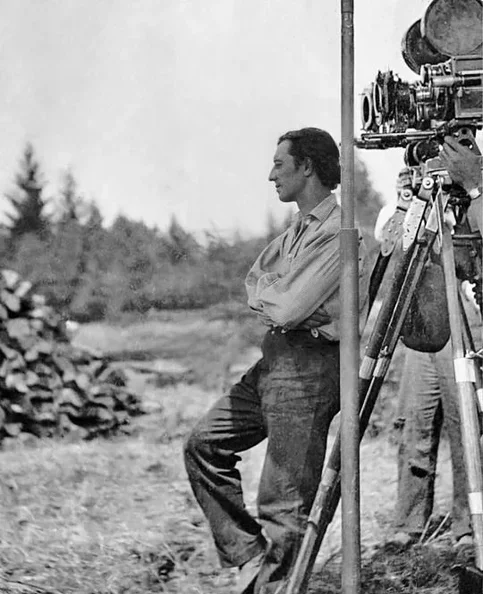
The path to stardom for Buster Keaton was paved with a combination of natural talent, relentless practice, and a deep understanding of physical comedy. Growing up in a vaudeville family, Keaton learned the art of performance at a very young age. The cost of becoming a renowned comedian and filmmaker was not just the physical toll of rigorous training and dangerous stunts but also the emotional and mental discipline required to perfect his craft. Keaton’s commitment to his art was unwavering, and his dedication to innovation in filmmaking techniques set the stage for his remarkable career in the silent film era.
Identity before fame
Before achieving fame, Buster Keaton was a part of the famous vaudeville act “The Three Keatons,” which included his parents, Joe and Myra Keaton. Born in Piqua, Kansas, on October 4, 1895, Keaton’s early life was immersed in the world of performance. He began performing with his family at the tender age of three, showcasing his natural talent for physical comedy and acrobatics. The rigorous training and exposure to the stage from a young age laid the foundation for his future success in the film industry.
Production Houses Associated With Buster Keaton
| Production House | Number of Movies |
|---|---|
| Buster Keaton Productions | 7 |
| Metro-Goldwyn-Mayer | 7 |
| Joseph M. Schenck Productions | 3 |
| United Artists | 2 |
| RKO Radio Pictures | 2 |
| Vogue Productions | 2 |
| Metro Pictures Corporation | 1 |
| Paramount Pictures | 1 |
| Michael Todd Company | 1 |
| Casey Productions | 1 |
Directors Buster Keaton Frequently Works With
| Director | Number of Movies |
|---|---|
| Buster Keaton | 13 |
| Edward Sedgwick | 4 |
| Edward F. Cline | 3 |
| Salvador de Alberich | 2 |
| Albert S. Rogell | 2 |
| Charles Reisner | 2 |
| Clyde Bruckman | 1 |
| A. Edward Sutherland | 1 |
| Billy Wilder | 1 |
| John G. Blystone | 1 |
Movie Genres of Buster Keaton
| Genre | Number of Movies |
|---|---|
| Comedy | 149 |
| Documentary | 41 |
| Romance | 23 |
| Music | 22 |
| Drama | 17 |
| Western | 8 |
| Action | 7 |
| Adventure | 7 |
| History | 7 |
| TV Movie | 6 |
Year-wise Movies of Buster Keaton
| Year | Number of Movies |
|---|---|
| 2026 | 2 |
| 2025 | 1 |
| 2023 | 1 |
| 2021 | 1 |
| 2020 | 2 |
| 2019 | 1 |
| 2018 | 1 |
| 2016 | 4 |
| 2015 | 1 |
| 2014 | 1 |
| 2011 | 1 |
| 2007 | 2 |
| 2006 | 2 |
| 2004 | 1 |
| 2001 | 2 |
Timeline
- 1895: Born in Piqua, Kansas, as Joseph Frank Keaton
- 1900: Began performing with his family in the vaudeville act “The Three Keatons”
- 1917: Made his film debut in the short film “The Butcher’s Boy” with Fatty Arbuckle
- 1920: Directed and starred in his first feature film, “The Saphead”
- 1923: Released the critically acclaimed film “Our Hospitality,” which showcased his mastery of physical comedy
- 1924: Directed and starred in “The Navigator,” which is considered one of his greatest works
- 1926: Released “Battling Butler,” a film that demonstrated his ability to blend comedy with action
- 1928: Signed a contract with Metro-Goldwyn-Mayer (MGM), which marked the beginning of a challenging period in his career
- 1934: Divorced his first wife, Natalie Talmadge, and faced personal and professional setbacks
- 1949: Made a comeback in the film “The Story of Molly A’Dook,” marking a resurgence in his career
Favourites
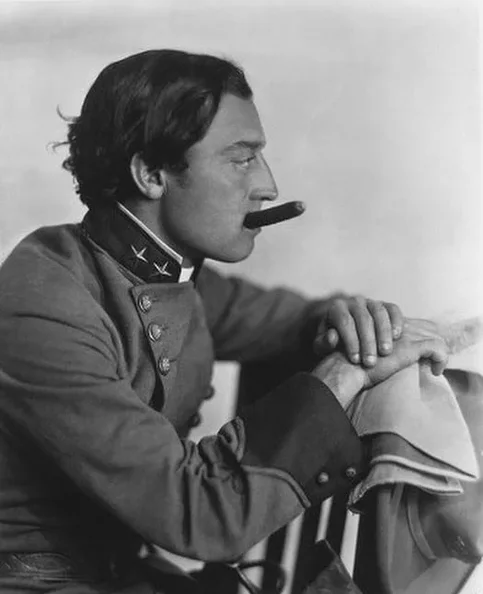
- Favorite films: “The General” (1926), “Steamboat Bill, Jr.” (1928)
- Favorite co-stars: Fatty Arbuckle, Jimmy Ward
- Favorite genres: Silent comedy, slapstick
- Favorite directors: Himself, Roscoe “Fatty” Arbuckle
- Favorite locations to film: Various scenic locations, particularly those that offered unique comedic opportunities
- Favorite stunts: Complex and dangerous physical feats that showcased his mastery of timing and precision
- Favorite method of relaxation: Spending time with family and friends, often engaging in recreational activities
Controversies
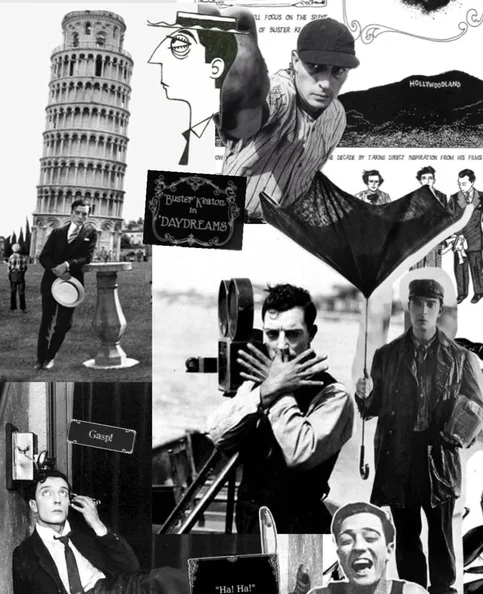
- Abuse allegations: Rumors of physical abuse from his father, Joe Keaton, circulated throughout his early career
- Contract disputes: Legal battles with Metro-Goldwyn-Mayer (MGM) over creative control and financial compensation
- Personal life: Public disputes with his first wife, Natalie Talmadge, and the subsequent divorce, which was highly publicized
- Allegations of alcoholism: Rumors of excessive drinking, which may have contributed to some of his personal and professional struggles
- Critical reception: Mixed reviews of some of his later films, which were often overshadowed by his earlier works
- Industry changes: Resistance to the transition from silent films to talkies, which led to a period of decline in his career
- Financial troubles: Significant financial losses and debts accumulated during the latter part of his career
Control vs chaos
Buster Keaton’s approach to filmmaking and performance was marked by a delicate balance between control and chaos. While his meticulous planning and attention to detail ensured that each scene was executed with precision, his willingness to embrace the unpredictable elements of physical comedy and improvisation added a dynamic and spontaneous quality to his work. This duality allowed Keaton to create films that were both technically brilliant and emotionally engaging, cementing his status as a master of the silent film era.
Emotional geography
Buster Keaton’s emotional landscape was as complex and nuanced as his physical performances. Despite his outwardly stoic and deadpan expressions, Keaton’s films often explored themes of loneliness, isolation, and the human struggle for connection. His personal life, marked by both triumphs and tragedies, further enriched his understanding of the emotional depth that could be conveyed through visual storytelling. Keaton’s ability to convey a wide range of emotions through subtle facial expressions and body language made his characters relatable and deeply human, resonating with audiences across generations.
FAQs
-
Who was Buster Keaton?
Buster Keaton, born Joseph Frank Keaton, was an American actor, comedian, filmmaker, and stunt performer. He is best known for his work in silent film comedy, where he became a legendary figure due to his deadpan expressions and intricate physical stunts.
-
When was Buster Keaton born?
Buster Keaton was born on October 4, 1895, in Piqua, Kansas.
-
How did Buster Keaton start his career?
Keaton began his career at a very young age, performing with his family in the vaudeville act “The Three Keatons.” He honed his skills in physical comedy and acrobatics from an early age, which set the foundation for his future success in the film industry.
-
What is Buster Keaton’s most famous film?
Buster Keaton’s most famous film is “The General” (1926), a silent comedy and action film that is widely regarded as one of the greatest films ever made. It showcases his mastery of physical comedy and innovative filmmaking techniques.
-
How did Keaton’s career change with the advent of sound films?
The transition from silent films to talkies marked a challenging period in Keaton’s career. While he struggled to adapt to the new format, his earlier works continued to be celebrated, and he eventually found success in later years through guest appearances and supporting roles.
-
What was Buster Keaton’s family life like?
Keaton’s family life was complex. He was born into a vaudeville family and began performing with his parents from a young age. His personal life included a tumultuous marriage to Natalie Talmadge, which ended in divorce, and subsequent relationships and marriages.
-
Did Buster Keaton win any awards?
While Buster Keaton did not receive many awards during his lifetime, his work has been widely recognized and celebrated posthumously. He received a Lifetime Achievement Award from the American Film Institute in 1965, and many of his films continue to be honored and studied in film programs and festivals around the world.
-
How did Keaton’s background in vaudeville influence his work in film?
Keaton’s background in vaudeville profoundly influenced his film work. The physical comedy, acrobatics, and timing he learned from his early performances translated seamlessly to the film medium, allowing him to create some of the most memorable and innovative comedy sequences in cinema history.
-
What is the significance of “The Three Keatons” in Keaton’s early life?
“The Three Keatons” was the vaudeville act that featured Buster, his father Joe, and his mother Myra. This act was crucial in shaping Keaton’s skills and stage presence, providing him with the foundation and experience necessary to transition into the film industry.
-
How did Keaton’s collaborations with Fatty Arbuckle impact his career?
Keaton’s collaborations with Fatty Arbuckle, including the short film “The Butcher’s Boy” in 1917, were instrumental in launching his film career. Arbuckle’s mentorship and support were crucial in helping Keaton refine his comedic skills and transition to feature films.
-
What was the impact of Keaton’s move to Metro-Goldwyn-Mayer (MGM)?
Keaton’s move to MGM in 1928 had a significant impact on his career. While it provided him with more resources and exposure, it also led to a loss of creative control, which some argue contributed to the decline in the artistic quality of his later films.
-
What are some of Keaton’s most notable stunts?
Keaton was known for his daring and complex stunts, many of which he performed himself without the use of doubles. Notable stunts include the iconic house facade falling on him in “Steamboat Bill, Jr.” and the train scenes in “The General,” which were both performed without special effects.
-
How did Keaton’s personal life affect his career?
Keaton’s personal life, particularly his divorce from Natalie Talmadge and subsequent financial and emotional struggles, had a significant impact on his career. These personal issues influenced his work and contributed to a period of decline in his professional output.
-
What is the lasting legacy of Buster Keaton?
Buster Keaton’s legacy is one of innovation, artistry, and enduring influence. His contributions to cinema, particularly in the silent film era, have been widely recognized and celebrated. His films continue to be studied and appreciated for their technical brilliance and emotional depth, and he is remembered as one of the greatest comedians in film history.
-
How has Buster Keaton’s work influenced modern comedy and filmmaking?
Keaton’s work has had a profound impact on modern comedy and filmmaking. His use of physical comedy, precise timing, and innovative storytelling techniques have influenced countless filmmakers and comedians. Many contemporary filmmakers and comedians cite Keaton as an inspiration, and his legacy continues to be felt in the industry today.