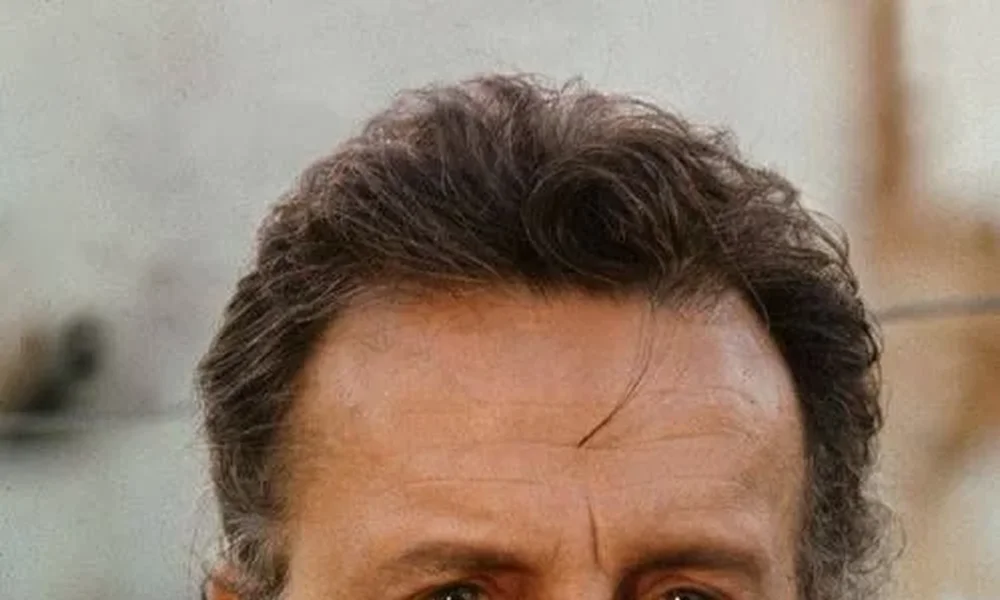
George C. Scott was an American actor and director renowned for his commanding presence, powerful performances, and distinctive voice. Born on October 18, 1927, Scott’s career spanned over five decades, during which he earned numerous accolades, including an Academy Award for Best Actor for his role in “Patton” (1970). Known for his versatility, he excelled in both stage and screen, leaving an indelible mark on the landscape of American cinema. Scott’s life was a blend of professional success and personal complexities, making him a fascinating figure in the history of American entertainment.
PERSONAL INFORMATION
| Name | George C. Scott |
|---|---|
| Gender | Male |
| Nationality | United States |
| Date of Birth | 18 October 1927 |
| Age at Death | 71 Years |
| Zodiac Sign | Libra |
| Date of Death | 22 September 1999 |
| Birth Name | George Campbell Scott |
| Religion | atheism |
| Languages Spoken | English |
| Place of Death | Westlake Village |
| Place of Birth | Wise |
| Native Name | George C. Scott |
FAMILY
| Children | Campbell Scott, Devon Scott |
|---|---|
| Spouse | Carolyn Hughes, Patricia Reed Scott, Colleen Dewhurst, Colleen Dewhurst, Trish Van Devere |
EDUCATION
| Educated At | University of Missouri, Redford High School |
|---|
CAREER
| Nominations | Academy Award for Best Supporting Actor, Academy Award for Best Supporting Actor, Academy Award for Best Actor, Academy Award for Best Actor, Tony Award for Best Actor in a Play, Tony Award for Best Actor in a Play, Tony Award for Best Actor in a Play, Tony Award for Best Actor in a Play, Tony Award for Best Featured Actor in a Play, Golden Raspberry Award for Worst Actor |
|---|---|
| Awards Received | Academy Award for Best Actor, Theatre World Award, Primetime Emmy Award for Outstanding Lead Actor in a Miniseries or a Movie, Primetime Emmy Award for Outstanding Supporting Actor in a Miniseries or a Movie, Clarence Derwent Awards |
| Genre | Western |
| Work Period Start | 1958 |
| Notable Works | Dr. Strangelove, Patton, The Hospital |
| Work Period End | 1999 |
| Profession | film actor, stage actor, film director, film producer, actor, director |
Cost of Becoming
The journey to stardom for George C. Scott was not easy. His early life was marked by financial struggles and personal challenges. Scott’s dedication to his craft and his relentless pursuit of excellence came at a significant cost. He often turned down lucrative offers to maintain artistic integrity, which sometimes led to financial instability. Despite this, Scott’s commitment to his roles and his deep respect for the craft of acting set him apart from many of his contemporaries. His refusal to compromise on his artistic principles was a defining aspect of his career, and it ultimately contributed to his enduring legacy.
Identity Before Fame
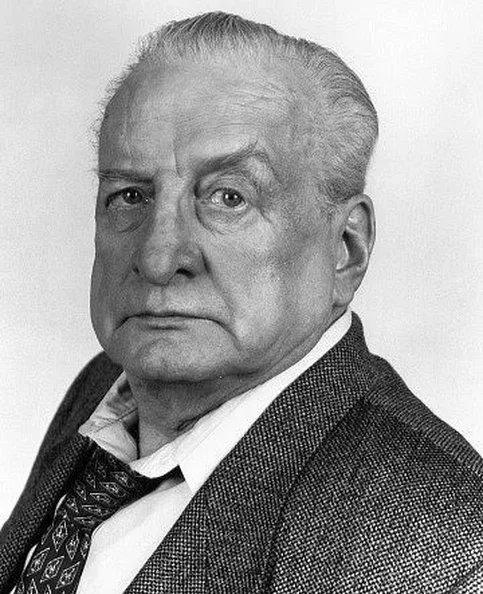
Before achieving fame, George C. Scott led a relatively modest life. He grew up in a family that valued military service and discipline. Joining the United States Marine Corps at a young age, Scott’s early experiences instilled in him a strong sense of duty and a disciplined work ethic. After his military service, he pursued his passion for acting, enrolling in the American Academy of Dramatic Arts. His early roles on stage in New York City’s theater district helped him hone his skills and build a foundation for his future success. Scott’s early life was characterized by a blend of military discipline and artistic passion, which would later define his approach to acting.
Production Houses Associated With George C Scott
| Production House | Number of Movies |
|---|---|
| 20th Century Fox | 5 |
| Columbia Pictures | 4 |
| New Line Cinema | 2 |
| International Film Productions | 2 |
| Otto Preminger Films | 1 |
| Hawk Films | 1 |
| Rossen Films | 1 |
| Nelvana | 1 |
| Castle Rock Entertainment | 1 |
| Thalia AG | 1 |
Directors George C Scott Frequently Works With
| Director | Number of Movies |
|---|---|
| Harold Becker | 2 |
| John Huston | 2 |
| Richard Fleischer | 2 |
| Otto Preminger | 1 |
| Stanley Kubrick | 1 |
| Robert Rossen | 1 |
| Hendel Butoy | 1 |
| Mike Gabriel | 1 |
| Franklin J. Schaffner | 1 |
| William Peter Blatty | 1 |
Movie Genres of George C Scott
| Genre | Number of Movies |
|---|---|
| Drama | 42 |
| TV Movie | 25 |
| Comedy | 13 |
| Thriller | 13 |
| Crime | 12 |
| Documentary | 10 |
| Mystery | 8 |
| Romance | 6 |
| Adventure | 6 |
| Family | 6 |
Year-wise Movies of George C Scott
| Year | Number of Movies |
|---|---|
| 1999 | 3 |
| 1998 | 1 |
| 1997 | 3 |
| 1996 | 1 |
| 1995 | 2 |
| 1994 | 2 |
| 1993 | 2 |
| 1991 | 2 |
| 1990 | 4 |
| 1989 | 1 |
| 1987 | 1 |
| 1986 | 3 |
| 1984 | 2 |
| 1983 | 2 |
| 1982 | 1 |
Timeline
- 1927: George C. Scott was born on October 18 in Wise, Virginia.
- 1946: Enlisted in the United States Marine Corps.
- 1950: Discharged from the Marine Corps and enrolled in the American Academy of Dramatic Arts.
- 1955: Made his Broadway debut in “The Teahouse of the August Moon.”
- 1958: Appeared in the film “The Defiant Ones” alongside Tony Curtis.
- 1967: Won a Tony Award for Best Actor for his performance in “The Little Foxes.”
- 1970: Won the Academy Award for Best Actor for his role in “Patton,” but refused to accept it.
- 1977: Directed and starred in the film “The Changeling.”
- 1990: Received a Lifetime Achievement Award from the American Film Institute.
- 1999: Passed away on September 22 in Westlake Village, California.
Favourites
- Books: “War and Peace” by Leo Tolstoy, “The Great Gatsby” by F. Scott Fitzgerald
- Movies: “Citizen Kane” (1941), “On the Waterfront” (1954)
- Theatrical Works: “Hamlet” by William Shakespeare, “Death of a Salesman” by Arthur Miller
- Directorial Works: “The Changeling” (1980)
- Actors: Marlon Brando, James Dean
- Directors: Orson Welles, Elia Kazan
- Directing Style: Realism, attention to detail, deep character development
- Genres: Drama, Historical, War
- Food and Drink: Steak, red wine
- Quotes: “The only thing more important than the law is the truth.” – from “In the Heat of the Night” (1967)
Controversies
- Rejection of Academy Award: In 1970, Scott won the Academy Award for Best Actor for “Patton” but refused to accept it, citing his disdain for the competitive nature of awards.
- Conflict with Directors: Scott was known for his confrontational attitude on set, often clashing with directors and producers over creative differences.
- Crisis of Faith: Scott’s early life in the Marine Corps and his later struggles with alcoholism were often attributed to a crisis of faith and a search for meaning.
- Public Outbursts: Scott had several well-documented public outbursts, including a particularly heated exchange with a “60 Minutes” interviewer.
- Marriage and Divorce: His four marriages and subsequent divorces were fodder for tabloid speculation and public interest.
- Political Views: Scott’s outspoken views on politics and the military sometimes drew criticism and controversy.
- Refusal of Salaries: He famously turned down a salary of $2 million for “The Taking of Pelham 123” (1974) to maintain his artistic integrity.
- Personal Life: His relationships with co-stars and the media were often turbulent, leading to several public scandals.
- Health Issues: Scott’s health problems, including a heart attack in 1994, were heavily covered by the media.
- Charitable Work: Despite his sometimes controversial public persona, Scott was known for his charitable work and support of veterans.
Control vs Chaos
George C. Scott’s life was a constant struggle between his desire for control and the chaos that often enveloped his personal and professional life. His meticulous approach to acting and directing was a testament to his need for order and precision. However, his personal life was marked by tumultuous relationships, public outbursts, and health issues, which often threatened to derail his carefully crafted persona. Scott’s ability to maintain his professional integrity despite the chaos around him was a testament to his resilience and strength of character.
Emotional Geography
Scott’s emotional landscape was deeply influenced by his early experiences in the Marine Corps and his later struggles with alcoholism. These experiences shaped his worldview and his approach to both life and art. His performances were often characterized by a raw, emotional intensity that resonated with audiences. Despite his outward confidence and control, Scott was a deeply introspective and emotionally complex individual. His ability to convey the full spectrum of human emotions, from profound sadness to intense anger, was a hallmark of his unique talent.
FAQs
-
Who was George C. Scott?
George C. Scott was an American actor and director renowned for his powerful performances and distinctive voice. He won an Academy Award for Best Actor for his role in “Patton” (1970) and was known for his versatility in both stage and screen acting.
-
What is George C. Scott’s most famous role?
George C. Scott’s most famous role is that of General George S. Patton in the 1970 film “Patton,” for which he won the Academy Award for Best Actor. However, he famously rejected the award.
-
Did George C. Scott have any other notable awards?
Yes, George C. Scott won numerous awards throughout his career, including a Tony Award for Best Actor for his performance in “The Little Foxes” (1967) and a Lifetime Achievement Award from the American Film Institute in 1990.
-
What was George C. Scott’s early life like?
George C. Scott was born on October 18, 1927, in Wise, Virginia. He joined the United States Marine Corps at a young age, which instilled in him a strong sense of discipline. After his military service, he pursued his passion for acting by enrolling in the American Academy of Dramatic Arts.
-
What was George C. Scott’s approach to acting?
Scott was known for his meticulous and methodical approach to acting. He was deeply committed to his roles and often immersed himself fully in the characters he portrayed, leading to powerful and memorable performances.
-
How did George C. Scott get his start in the film industry?
Scott made his film debut in “The Defiant Ones” (1958) and gradually built his reputation through a series of notable performances in both stage and screen. His breakthrough role came with the film “Patton” (1970).
-
What was George C. Scott’s directorial work?
Scott directed and starred in the 1980 film “The Changeling,” which is considered one of his most significant directorial works. He was known for his attention to detail and deep character development in his films.
-
Did George C. Scott have any notable personal controversies?
Yes, Scott was known for his confrontational attitude on set, public outbursts, and turbulent personal life. He had several well-documented conflicts with directors, producers, and the media, and his personal relationships were often the subject of tabloid speculation.
-
What was George C. Scott’s legacy?
George C. Scott’s legacy is that of a powerful and versatile actor who left an indelible mark on American cinema. His commitment to his craft, his memorable performances, and his artistic integrity continue to inspire actors and filmmakers to this day.
-
What was George C. Scott’s impact on the film industry?
Scott’s impact on the film industry is significant. His powerful and nuanced performances, coupled with his directorial work, have influenced generations of actors and filmmakers. His refusal of the Academy Award for “Patton” also highlighted his stance against the competitive nature of awards.
-
What were George C. Scott’s favorite books and movies?
Scott was known to be a fan of literary classics such as “War and Peace” by Leo Tolstoy and “The Great Gatsby” by F. Scott Fitzgerald. Among his favorite films were “Citizen Kane” (1941) and “On the Waterfront” (1954).
-
How did George C. Scott handle criticism?
Scott was known for his strong opinions and often did not shy away from voicing his criticisms, both in his personal life and in interviews. He was particularly critical of the competitive nature of the film industry and the superficiality of awards.
-
What were George C. Scott’s views on acting and directing?
Scott believed deeply in the power of realism and attention to detail in both acting and directing. He emphasized the importance of deep character development and the ability to convey genuine emotions on screen.
-
What was George C. Scott’s relationship with alcohol?
Scott struggled with alcoholism throughout his life, which sometimes affected his personal and professional life. However, he often used his experiences to inform his performances, bringing a sense of raw authenticity to his roles.
-
What was George C. Scott’s greatest challenge?
One of Scott’s greatest challenges was balancing his artistic integrity with the demands of the film industry. His refusal to compromise on his principles sometimes led to financial instability and personal conflicts, but it also contributed to the depth and authenticity of his work.
George C. Scott’s life and career are a testament to the power of commitment and the complexity of human nature. His legacy as a formidable actor and director continues to influence and inspire artists and audiences alike. Despite the challenges and controversies he faced, Scott’s contributions to the world of cinema are undeniable, and his memory lives on through his iconic performances and enduring legacy.