
Lenny Bruce, a towering figure in the world of stand-up comedy, is often remembered for his fearless approach to taboo subjects and his trailblazing impact on free speech. Born in 1925, Bruce’s career was marked by both unparalleled brilliance and significant controversy. His unapologetic critique of society, politics, and religion earned him a place in the pantheon of influential comedians, but it also led to his downfall. Despite his challenges, Bruce’s legacy endures as a symbol of artistic integrity and the power of comedy to challenge the status quo.
PERSONAL INFORMATION
| Name | Lenny Bruce |
|---|---|
| Date of Birth | 13 October 1925 |
| Age at Death | 40 Years |
| Zodiac Sign | Libra |
| Nationality | United States |
| Place of Birth | Mineola |
| Religion | atheism |
| Gender | Male |
| Date of Death | 03 August 1966 |
| Place of Death | Hollywood |
| Languages Spoken | English |
| Native Language | English |
| Signature |  |
FAMILY
| Spouse | Honey Harlow |
|---|---|
| Partner | Lotus Weinstock |
| Mother | Sally Marr |
EDUCATION
| Educated At | Wellington C. Mepham High School |
|---|
CAREER
| Profession | writer, actor, screenwriter, journalist, singer, comedian, film director |
|---|---|
| Record Label | Philles Records, Fantasy |
| Instruments | voice |
| Work Period Start | 1947 |
| Field of Work | satire, political satire, film, television |
SOCIAL MEDIA & LINKS
| IMDB ID | nm0115533 |
|---|---|
| Official Website | http://www.lennybruceofficial.com/ |
| Wikipedia | Wikipedia |
Cost of Becoming
Becoming Lenny Bruce came at a steep price. His relentless pursuit of truth and his unflinching willingness to tackle taboo subjects often placed him at odds with the establishment. The cost was not just professional but personal, as his uncompromising nature strained relationships and led to legal battles that ultimately contributed to his financial ruin. Yet, Bruce’s commitment to his art and his principles never wavered, making him a pioneering figure in the annals of comedy and free speech.
Identity Before Fame
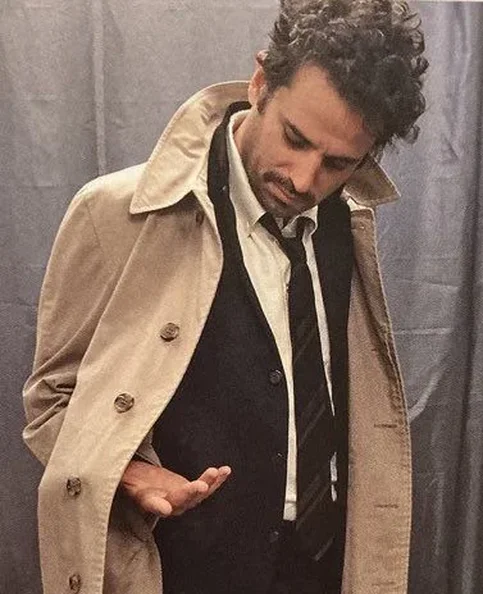
Before he became a household name, Lenny Bruce was born Leonard Alfred Schneider in 1925 in Mineola, New York. His early life was marked by instability and a lack of direction. Raised by his parents, who were vaudeville performers, Bruce dropped out of high school and joined the U.S. Navy during World War II. It was during his time in the Navy that he began to hone his comedic skills, performing for his fellow soldiers and developing the raw talent that would later propel him to fame.
Production Houses Associated With Lenny Bruce
| Production House | Number of Movies |
|---|---|
| John Magnuson Associates | 2 |
| Imagination | 1 |
| Columbus Productions | 1 |
| Whyaduck Productions | 1 |
| HBO Documentary Films | 1 |
| Screen Classics Inc. | 1 |
| Tangerine Entertainment | 1 |
| Showtime Networks | 1 |
| Castle Rock Entertainment | 1 |
| Sexy Intellectual | 1 |
Directors Lenny Bruce Frequently Works With
| Director | Number of Movies |
|---|---|
| John Magnuson | 2 |
| Phil Tucker | 2 |
| Jeffrey Schwarz | 2 |
| Joel Gallen | 1 |
| Fred Baker | 1 |
| Lenny Bruce | 1 |
| Robert B. Weide | 1 |
| Ferne Pearlstein | 1 |
| Jeff Lieberman | 1 |
| Daniel Kremer | 1 |
Movie Genres of Lenny Bruce
| Genre | Number of Movies |
|---|---|
| Documentary | 15 |
| Comedy | 7 |
| Crime | 2 |
| Music | 1 |
| Western | 1 |
| Animation | 1 |
| Action | 1 |
| Adventure | 1 |
| TV Movie | 1 |
| Horror | 1 |
Year-wise Movies of Lenny Bruce
| Year | Number of Movies |
|---|---|
| 2023 | 1 |
| 2017 | 1 |
| 2016 | 1 |
| 2012 | 1 |
| 2011 | 1 |
| 2009 | 1 |
| 2008 | 1 |
| 1998 | 1 |
| 1994 | 1 |
| 1992 | 2 |
| 1988 | 1 |
| 1986 | 1 |
| 1972 | 1 |
| 1971 | 2 |
| 1967 | 1 |
Timeline
- 1925 – Leonard Alfred Schneider is born in Mineola, New York.
- 1942 – Joins the U.S. Navy and serves during World War II.
1946 – Discharged from the Navy and begins performing stand-up comedy. - 1951 – Changes his name to Lenny Bruce and starts gaining recognition in the comedy circuit.
- 1953 – Appears on television for the first time on “Arthur Godfrey’s Talent Scouts.”
- 1958 – Releases his first album, “The Sick Comic.”
- 1961 – Arrested for obscenity during a performance in San Francisco.
- 1964 – Indicted on obscenity charges in New York City.
- 1966 – Sentenced to four months in jail for obscenity.
- 1966 – Dies of a morphine overdose at the age of 40.
Favourites
- City: New York City
- Hobby: Writing and performing comedy
- Book: “The Devil and Daniel Webster” by Stephen Vincent Benét
- Musician: Charlie Parker
- Food:** Italian cuisine
- Film:** “Some Like It Hot” (1959)
- Comedy Partner:** Mort Sahl
- Dream Destination:** Paris, France
Controversies
- 1956 -** Arrested for⇑💥⇑ using drugs at the San Francisco Freewheelers Club.
- 1961 -** Indicted for obscenity during a performance in San Francisco, leading to a high-profile trial.
- 1962 -** Banned from performing in certain venues due to his controversial material.
- 1963 -** Arrested in Chicago for an obscenity violation during a comedy routine.
- 1964 -** Indicted in New York City for obscenity, with charges stemming from his use of profanity and sexual content.
- 1965 -** Convicted of obscenity in New York and sentenced to four months in jail.
- 1966 -** Died of a morphine overdose, raising questions about his struggles with addiction.
- 1970 -** Posthumously pardoned by New York Governor George Pataki for his 1964 obscenity conviction.
Control vs Chaos
Lenny Bruce’s life was a constant struggle between control and chaos. His comedic performances were meticulously crafted, yet they often spiraled into unpredictable territory as he pushed the boundaries of what was acceptable. This tension between structure and spontaneity was a hallmark of his style, allowing him to connect with audiences on a deep, emotional level. Despite his efforts to maintain control, the chaos of his personal life and the societal backlash he faced often dictated the course of his career.
Emotional Geography
The emotional landscape of Lenny Bruce’s life was as complex as it was varied. His early experiences of instability and the loss of his mother at a young age shaped his perspective on life and humor. As he navigated the highs and lows of fame, Bruce’s emotions oscillated between moments of profound joy and deep despair. His ability to channel these emotional extremes into his art is what made his comedy so powerful and resonant with audiences. Despite the challenges he faced, Bruce’s emotional journey remains a poignant and enduring part of his legacy.
FAQs
-
When was Lenny Bruce born?
Lenny Bruce was born on October 13, 1925, in Mineola, New York.
-
What is Lenny Bruce’s real name?
Lenny Bruce’s real name was Leonard Alfred Schneider.
-
What is Lenny Bruce known for?
Lenny Bruce is known for his groundbreaking and controversial stand-up comedy that tackled taboo subjects such as religion, politics, and sex. He is often considered a pioneer in the art of social satire and free speech.
-
How did Lenny Bruce get his start in comedy?
Lenny Bruce began his comedy career after being discharged from the U.S. Navy in 1946. He started performing at small clubs and gradually gained recognition in the comedy circuit.
-
What were some of Lenny Bruce’s notable performances?
Some of Lenny Bruce’s notable performances include his appearance on “Arthur Godfrey’s Talent Scouts” in 1953 and his controversial shows that led to his arrests for obscenity in San Francisco and New York.
-
Why was Lenny Bruce arrested?
Lenny Bruce was arrested multiple times for obscenity charges, primarily due to his use of profanity and sexual content in his comedy routines. His most famous arrest occurred in 1961 in San Francisco, which led to a high-profile trial.
-
What was Lenny Bruce’s impact on comedy?
Lenny Bruce’s impact on comedy is significant. He is credited with influencing a generation of comedians and paving the way for more progressive and daring comedic content. His legacy includes the role he played in advocating for free speech and breaking down social taboos.
-
What were some of Lenny Bruce’s personal struggles?
Lenny Bruce faced numerous personal struggles, including addiction, financial difficulties, and legal battles. His battles with the law, particularly over obscenity charges, took a toll on his mental and physical health.
-
How did Lenny Bruce die?
Lenny Bruce died of a morphine overdose on August 3, 1966, at the age of 40. His death was ruled accidental, and it highlighted the depths of his struggles with addiction.
-
What is the significance of Lenny Bruce’s posthumous pardon?
In 2003, Lenny Bruce was posthumously pardoned by New York Governor George Pataki for his 1964 obscenity conviction. The pardon was seen as a recognition of his contributions to free speech and his role in pushing the boundaries of artistic expression.
-
What is Lenny Bruce’s legacy?
Lenny Bruce’s legacy is one of artistic integrity and fearless expression. He is remembered for his groundbreaking work in stand-up comedy, his advocacy for free speech, and his influence on subsequent generations of comedians. His legacy continues to inspire those who value the power of humor to challenge and change the world.
-
What were some of Lenny Bruce’s most famous quotes?
Lenny Bruce is known for many famous quotes, including “We’re all bozos on this bus” and “Comedians are the only people who tell the truth in this country.” These quotes reflect his biting wit and his ability to cut through societal pretenses.
-
How did Lenny Bruce’s military service influence his comedy?
Lenny Bruce’s time in the U.S. Navy during World War II provided him with a unique perspective on life and human nature. His experiences in the military and his interactions with diverse people influenced his comedic style, which often reflected a deep understanding of human behavior and societal issues.
-
What were some of Lenny Bruce’s most popular albums?
Lenny Bruce released several albums during his career, including “The Sick Comic” (1958) and “The Lenny Bruce Originals” (1960). These albums are considered classics and are still celebrated for their raw and honest humor.