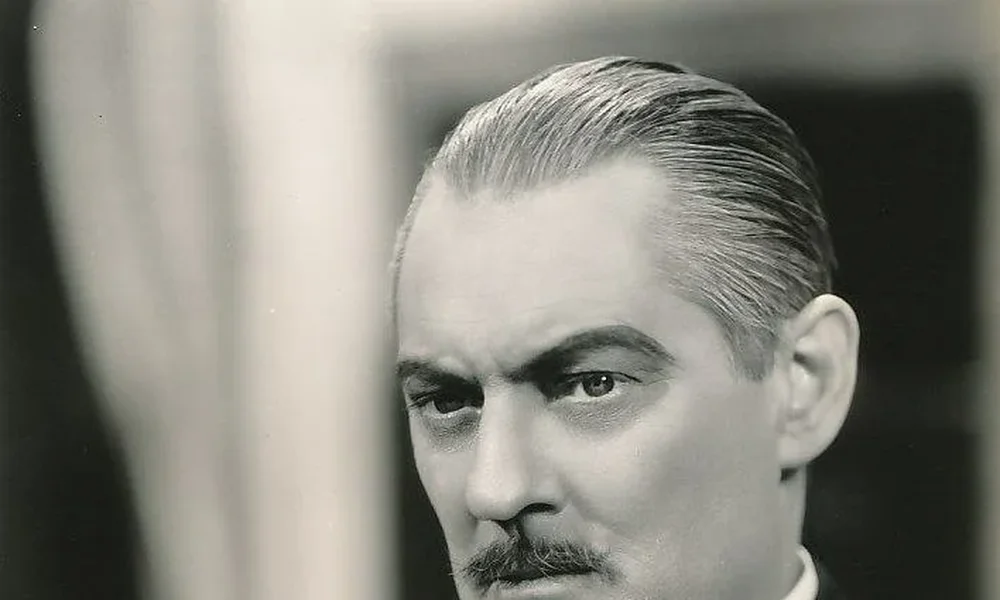
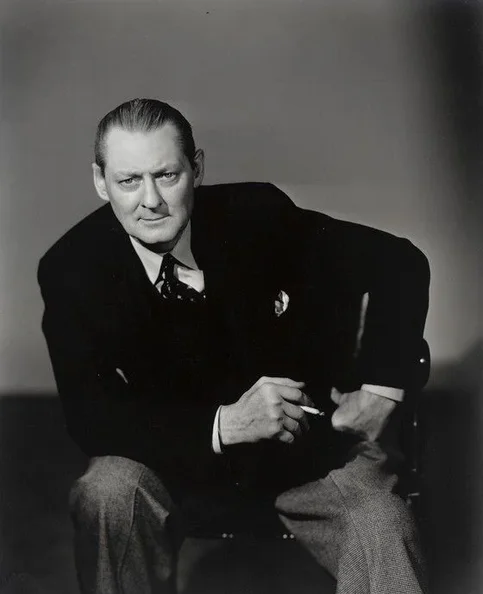
Lionel Barrymore, born Lionel Herbert Blyth, is a towering figure in the history of American cinema and theater. Born on April 28, 1878, in Philadelphia, Pennsylvania, Barrymore carved out a distinguished career that spanned over six decades. He was a member of the renowned Barrymore family, one of the most prominent acting dynasties in the United States. Known for his versatility and theatrical prowess, Lionel Barrymore graced the stages of Broadway and the silver screens of Hollywood, leaving an indelible mark on the world of entertainment.
PERSONAL INFORMATION
| Name | Lionel Barrymore |
|---|---|
| Nationality | United States |
| Place of Birth | Philadelphia |
| Place of Death | Van Nuys |
| Date of Birth | 28 April 1878 |
| Age at Death | 76 Years |
| Zodiac Sign | Taurus |
| Date of Death | 15 November 1954 |
| Birth Name | Lionel Herbert Blythe |
| Gender | Male |
| Languages Spoken | English |
| Native Language | English |
| Native Name | Lionel Barrymore |
FAMILY
| Father | Maurice Barrymore |
|---|---|
| Mother | Georgiana Drew |
| Spouse | Doris Rankin, Irene Fenwick |
| Siblings | John Barrymore, Ethel Barrymore |
EDUCATION
| Educated At | Episcopal Academy |
|---|
CAREER
| Profession | film director, composer, musician, screenwriter, stage actor, film actor, actor, television presenter |
|---|---|
| Awards Received | Academy Award for Best Actor, star on Hollywood Walk of Fame |
| Nominations | Academy Award for Best Actor, Academy Award for Best Director |
| Work Period Start | 1893 |
| Genre | Western |
| Work Period End | 1954 |
Cost of Becoming
Becoming Lionel Barrymore was not without its challenges. Growing up in an acting family, he faced the pressure of living up to the Barrymore name. Despite early setbacks and personal struggles, including a difficult relationship with his father and a career-threatening injury that left him unable to walk, Barrymore persevered. His determination and resilience paid off as he transitioned from the stage to the burgeoning film industry, where he found immense success and critical acclaim. The cost of this transformation was significant, both emotionally and physically, but it forged a legacy that continues to inspire actors and filmmakers today.
Identity Before Fame
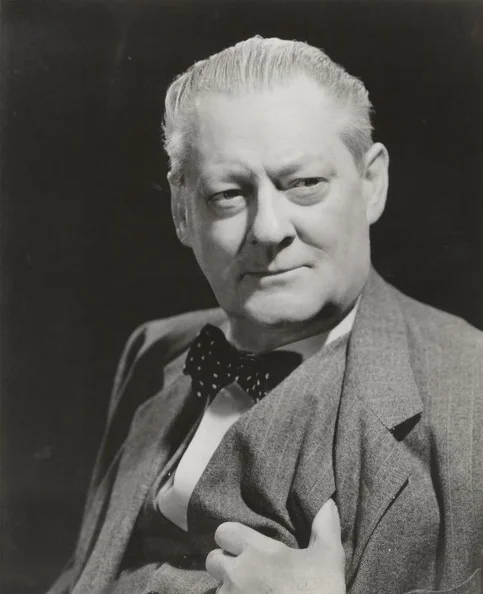
Before he achieved stardom, Lionel Barrymore was a young man navigating the complex world of theater and early cinema. He began his career on the stage, following in the footsteps of his illustrious family. His early performances were marked by a mix of triumphs and setbacks. While he enjoyed some initial success, he also faced criticism and rejection. This period of his life was crucial in shaping his character and honing his craft. The rigorous training and exposure to various roles helped him develop a deep understanding of human emotion and the nuances of performance, laying the foundation for his future success.
Production Houses Associated With Lionel Barrymore
| Production House | Number of Movies |
|---|---|
| Metro-Goldwyn-Mayer | 19 |
| Columbia Pictures | 2 |
| Liberty Films | 1 |
| Warner Bros. Pictures | 1 |
| Wharton | 1 |
| The Selznick Studio | 1 |
| Vanguard Films | 1 |
| Sony Pictures Home Entertainment | 1 |
| Rosas Productions | 1 |
| Selznick International Pictures | 1 |
Directors Lionel Barrymore Frequently Works With
| Director | Number of Movies |
|---|---|
| Tod Browning | 3 |
| Victor Fleming | 3 |
| Frank Capra | 2 |
| Edward Sedgwick | 2 |
| Harold S. Bucquet | 2 |
| Salvador de Alberich | 1 |
| John Huston | 1 |
| Leopold Wharton | 1 |
| George B. Seitz | 1 |
| Theodore Wharton | 1 |
Movie Genres of Lionel Barrymore
| Genre | Number of Movies |
|---|---|
| Drama | 176 |
| Comedy | 36 |
| Romance | 35 |
| Documentary | 24 |
| Crime | 19 |
| Western | 16 |
| Adventure | 12 |
| Mystery | 9 |
| History | 9 |
| Music | 8 |
Year-wise Movies of Lionel Barrymore
| Year | Number of Movies |
|---|---|
| 2008 | 1 |
| 2005 | 1 |
| 2004 | 1 |
| 2003 | 2 |
| 2002 | 1 |
| 1987 | 1 |
| 1986 | 1 |
| 1976 | 2 |
| 1974 | 1 |
| 1972 | 1 |
| 1970 | 1 |
| 1956 | 1 |
| 1955 | 1 |
| 1953 | 2 |
| 1952 | 1 |
Timeline
- 1878: Lionel Herbert Blyth is born in Philadelphia, Pennsylvania.
- 1896: Begins his acting career on the stage.
- 1911: Marries Dagmar Sjoblom.
- 1912: Makes his Broadway debut.
- 1916: Appears in his first film, “The Cheat.”
- 1922: Wins the Pulitzer Prize for his play “Constant Wife.”
- 1927: Directs and stars in “The Sea Beast,” an adaptation of “Moby-Dick.”
- 1931: Wins the Academy Award for Best Actor for his role in “A Free Soul.”
- 1935: Begins his long-running role as Ebenezer Scrooge in “A Christmas Carol” radio adaptations.
- 1956: Dies on November 15 in Hollywood, California.
Favourites
- Role: Ebenezer Scrooge in “A Christmas Carol” radio adaptations.
- Play: “A Free Soul.”
- Director: John Ford.
- Actor: John Barrymore, his brother.
- Book: “Moby-Dick” by Herman Melville.
- Place: Hollywood, California.
- Food: Fine dining, particularly at the Brown Derby restaurant.
- Hobby: Writing and directing plays.
Controversies
- Alcoholism: Lionel Barrymore struggled with alcoholism throughout much of his adult life, which affected his health and career.
- Marital Issues: His marriage to Dagmar Sjoblom was tumultuous, and they eventually divorced in 1932.
- Political Views: His conservative political views and support for the Republican Party sometimes led to conflicts with colleagues and audiences.
- Health Problems: His role as Ebenezer Scrooge in the radio adaptations of “A Christmas Carol” was often hampered by his declining health and mobility issues.
- Financial Troubles: Despite his fame and success, Barrymore faced financial difficulties at various points in his life.
- Public:%Image: His public persona as a stern and demanding actor sometimes clashed with his private life, leading to criticism and scrutiny.
- Critical Reception: Some of his later films received mixed reviews, raising questions about his artistic choices and relevance in the evolving film industry.
- Family Feuds: Tensions within the Barrymore family, particularly with his brother John Barrymore, added to the controversies surrounding his personal life.
- Industry Politics: His involvement in industry politics and Guild leadership sometimes put him at odds with other prominent figures in Hollywood.
- Health Decline: His health issues, including arthritis and a fall that left him in a wheelchair, became a topic of public discussion and concern.
Control vs Chaos
Lionel Barrymore’s life was a delicate balance between control and chaos. Despite his meticulous attention to detail and disciplined approach to his craft, he faced numerous personal and professional challenges that threatened to derail his career. His battle with alcoholism and health issues added an element of unpredictability to his life, yet he managed to maintain a level of control that allowed him to continue his work and achieve great success. This juxtaposition of order and disorder is a recurring theme in Barrymore’s legacy, reflecting the complexities of a life lived in the public eye.
Emotional Geography
Lionel Barrymore’s emotional landscape was as vast and varied as the roles he played. From the highs of critical acclaim and popular success to the lows of personal struggles and health issues, his life was a tapestry of intense emotions. His performances on stage and screen were often rooted in a deep understanding of human nature, drawing from his own experiences of joy, pain, and resilience. This emotional depth and authenticity resonated with audiences, making him a beloved and respected figure in the world of entertainment.
FAQs
-
Who was Lionel Barrymore?
Lionel Barrymore was an American actor, director, and writer, born on April 28, 1878, in Philadelphia, Pennsylvania. He was a member of the famous Barrymore family and had a distinguished career in both theater and film.
-
What are some of his most famous roles?
Some of Lionel Barrymore’s most famous roles include Ebenezer Scrooge in the radio adaptations of “A Christmas Carol,” Dr. Alexander Stone in “Key Largo,” and Clarence in “It’s a Wonderful Life.”
-
What awards did Lionel Barrymore win?
Lionel Barrymore won the Academy Award for Best Actor for his role in “A Free Soul” in 1931. He also won the Pulitzer Prize for his play “Constant Wife” in 1922.
-
What was Lionel Barrymore’s early career like?
Lionel Barrymore began his career on the stage, making his Broadway debut in 1912. He faced both successes and setbacks early in his career, which helped him develop his craft and resilience.
-
How did Lionel Barrymore transition to film?
Lionel Barrymore made his film debut in 1916 with “The Cheat.” He successfully transitioned from stage to film, becoming a prominent figure in early Hollywood and appearing in numerous films over the years.
-
What were some of his directing credits?
Lionel Barrymore directed several films, including “The Sea Beast” (1927), an adaptation of “Moby-Dick,” and “Madame X” (1929). He was known for his directorial skills and attention to detail.
-
What was his relationship with his family like?
Lionel Barrymore’s relationship with his family, particularly his brother John Barrymore, was often complex. They had a famous rivalry and faced tensions, but they also supported each other in their careers.
-
How did his personal life affect his career?
Lionel Barrymore’s personal life, including his struggles with alcoholism and health issues, had a significant impact on his career. Despite these challenges, he continued to work and achieve success in both film and radio.
-
What was his role in “A Christmas Carol” radio adaptations?
Lionel Barrymore played the role of Ebenezer Scrooge in the annual radio adaptations of Charles Dickens’ “A Christmas Carol” from 1934 to 1953. These performances became a beloved tradition and cemented his association with the character.
-
What were his contributions to theater?
Lionel Barrymore made significant contributions to theater, not only as an actor but also as a playwright and director. His plays, such as “Constant Wife,” were critically acclaimed and showcased his versatility.
-
What was his political stance?
Lionel Barrymore was known for his conservative political views and support for the Republican Party. His political stance sometimes led to conflicts with colleagues and audiences, but it also reflected his personal beliefs and values.
-
How did he influence later generations of actors?
Lionel Barrymore’s influence on later generations of actors is significant. His dedication to his craft, his versatility, and his ability to bring depth to his performances continue to inspire actors and filmmakers today.
-
What is his legacy in the film industry?
Lionel Barrymore’s legacy in the film industry is that of a versatile and talented artist who contributed to the golden age of Hollywood. His performances in classic films and his role in shaping the early film industry have left a lasting impact on the world of cinema.
Lionel Barrymore’s life and career are a testament to the power of perseverance and talent. Despite the many challenges he faced, he achieved remarkable success and left an enduring legacy in both theater and film. His contributions to the arts and his influence on future generations of actors and filmmakers continue to be celebrated and studied today.