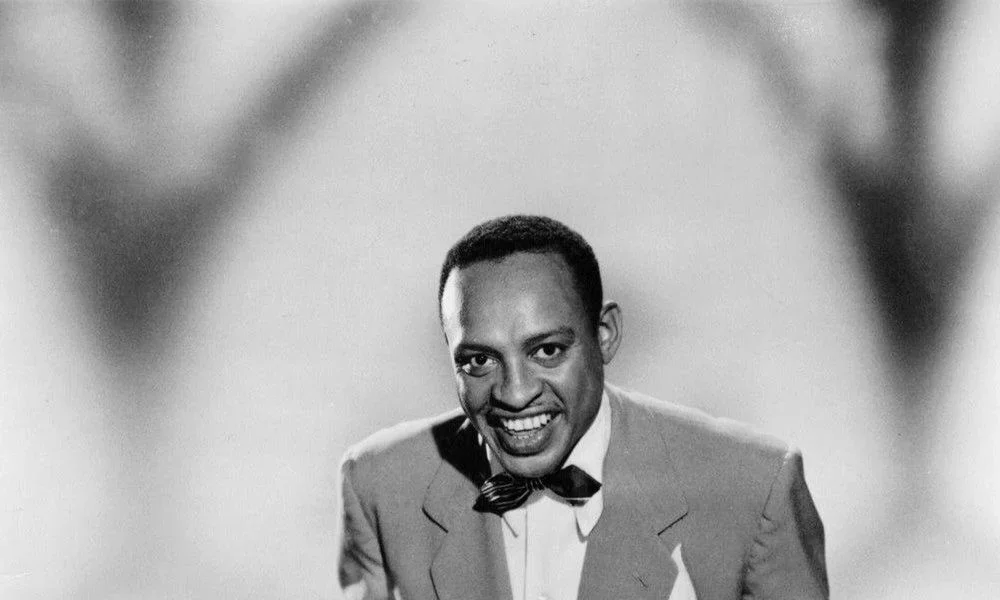
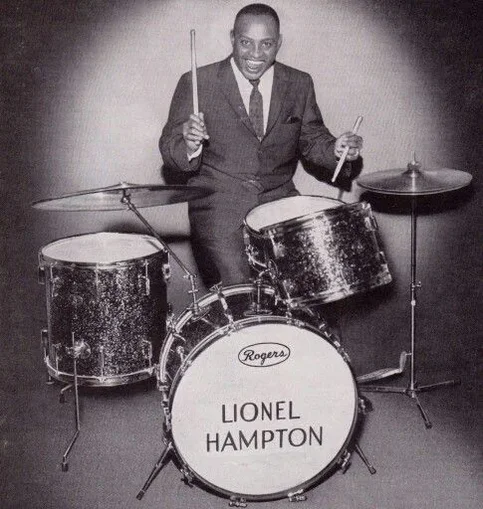
Lionel Hampton, often affectionately known as “Hamp,” was one of the most influential jazz musicians of the 20th century. Born on April 20, 1908, in Louisville, Kentucky, Hampton carved out a remarkable career spanning over seven decades. His mastery of the vibraphone and drums, combined with his charismatic stage presence, made him a beloved figure in the world of jazz. Hampton’s contributions extended beyond music; he was also a significant cultural icon and a trailblazer for racial integration in the music industry. His life and legacy continue to inspire musicians and fans alike, cementing his place in the annals of jazz history.
PERSONAL INFORMATION
| Name | Lionel Hampton |
|---|---|
| Place of Birth | Louisville |
| Place of Death | New York City |
| Nationality | United States |
| Date of Birth | 20 April 1908 |
| Age at Death | 94 Years |
| Zodiac Sign | Taurus |
| Date of Death | 31 August 2002 |
| Gender | Male |
| Religion | Christian Science |
| Languages Spoken | English |
| Native Language | English |
| Ethnicity | African Americans |
EDUCATION
| Educated At | University of Southern California, USC Thornton School of Music |
|---|
CAREER
| Profession | bandleader, saxophonist, composer, jazz musician, actor, percussionist, pianist, vocalist |
|---|---|
| Awards Received | National Medal of Arts, Paul Acket Award, Kennedy Center Honors, star on Hollywood Walk of Fame, NEA Jazz Masters |
| Instruments | vibraphone, percussion instrument, voice, drum kit, piano |
| Genre | swing music, big band, mainstream jazz |
| Record Label | Decca, Audio Fidelity |
| Member Of | Alpha Phi Alpha, Lionel Hampton and His Orchestra |
| Work Period Start | 1927 |
Cost of becoming
The journey to becoming Lionel Hampton was not easy. Born into poverty, Hampton faced numerous challenges from a young age. His early life was marked by hard work and perseverance. He started playing drums in a youth band and later joined the California Cotton Pickers in the 1920s. The financial struggles of the Great Depression only heightened the difficulty of pursuing a career in music. Despite these obstacles, Hampton’s talent and passion for music prevailed. His relentless dedication to his craft, coupled with his ability to connect with audiences, eventually propelled him to stardom. The cost of becoming Lionel Hampton was high, but the rewards were immeasurable.
Identity before fame
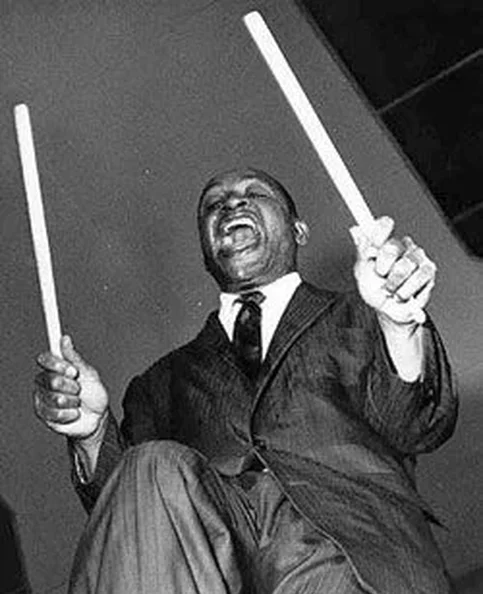
Before his rise to fame, Lionel Hampton had a modest beginning. He grew up in Birmingham, Alabama, where he showed an early interest in music. His family’s financial struggles forced him to work various jobs, including as a bellhop and a delivery boy. These experiences, though challenging, instilled in him a strong work ethic and a deep appreciation for the value of hard work. Hampton’s early exposure to gospel music and his participation in church choirs laid the foundation for his musical journey. His identity before fame was that of a determined young man with a passion for music, striving to make a name for himself in a world that often seemed stacked against him.
Timeline
- 1908: Born on April 20 in Louisville, Kentucky.
- 1916: Moves to Birmingham, Alabama, with his family.
- 1926: Joins the California Cotton Pickers, a popular jazz band.
- 1930: Records with Louis Armstrong and his Hot Five, gaining national recognition.
- 1937: Performs at the first-ever outdoor jazz concert in Chicago.
- 1942: Forms his own big band, the Lionel Hampton Orchestra.
- 1950: Tours Europe, further expanding his international reputation.
- 1975: Receives a lifetime achievement award from the National Academy of Recording Arts and Sciences.
- 1996: Inducted into the Big Band and Jazz Hall of Fame.
- 2002: Passes away on August 31 at the age of 94.
Favourites
- Instrument: Vibraphone
- Musician: Louis Armstrong
- Genre: Jazz
- Food: Seafood
- City: Chicago
- Instrumental player: Charlie Parker
- Singer: Ella Fitzgerald
- Composer: Duke Ellington
- Book: “The Story of Jazz” by Ralph J. Gleason
- Hobby: Golf
Controversies
- Racial Segregation: Hampton faced significant opposition during the early years of his career due to racial segregation in the music industry.
- Financial Disputes: He was involved in several financial disputes with band members and management over royalty payments and contracts.
- Political Involvement: Hampton’s support for certain political figures and causes was sometimes controversial, especially during the civil rights movement.
- Musical Changes: Some purists criticized Hampton for his willingness to experiment with new musical styles and collaborations, arguing that it diluted the purity of traditional jazz.
- Band Management: There were accounts of tension and conflict within his band, particularly over creative control and performance opportunities.
- Personal Life: Hampton’s personal life was not without controversy, including allegations of infidelity and strained relationships with band members and family.
- Legal Issues: He faced legal challenges, including a lawsuit from a former band member over unpaid wages.
- Health Concerns: Hampton’s health issues, particularly in his later years, were a source of controversy, with some questioning his ability to perform and sustain his musical career.
- Media Criticism: There were instances where media outlets criticized Hampton’s stage presence and performance style, suggesting it was too flamboyant or theatrical.
- Industry Critiques: Some industry insiders and critics were critical of Hampton’s commercial success, suggesting it was at the expense of artistic integrity.
Control vs chaos
Lionel Hampton’s life and career were a delicate balance between control and chaos. On one hand, he was a meticulous planner and organizer, known for his disciplined approach to music and performance. He demanded the best from his band members and was known for his high standards. On the other hand, Hampton’s adventurous spirit and willingness to take risks often led him into uncharted territory. His experimentation with new musical styles and collaborations sometimes resulted in unexpected outcomes, both positive and negative. This juxtaposition of control and chaos was a defining characteristic of Hampton’s legacy, reflecting his ability to navigate the complexities of the music industry while staying true to his artistic vision.
Emotional geography
Lionel Hampton’s emotional geography was a rich tapestry of experiences, emotions, and connections. His deep love for music and his passion for performance were at the core of his emotional world. Hampton’s early struggles and the hardships he faced during the Great Depression shaped his resilience and determination. His relationships with fellow musicians, including Louis Armstrong and Duke Ellington, fostered a sense of camaraderie and mutual respect. Despite the challenges and controversies he encountered, Hampton maintained a positive and optimistic outlook, always looking forward to the next performance and the next opportunity to share his love for music with the world. His emotional geography was a reflection of his enduring spirit and his unwavering commitment to his art.
FAQs
-
Where was Lionel Hampton born?
Lionel Hampton was born on April 20, 1908, in Louisville, Kentucky. He moved to Birmingham, Alabama, as a child and later to Chicago, where he began his musical career.
-
What instrument is Lionel Hampton most famous for playing?
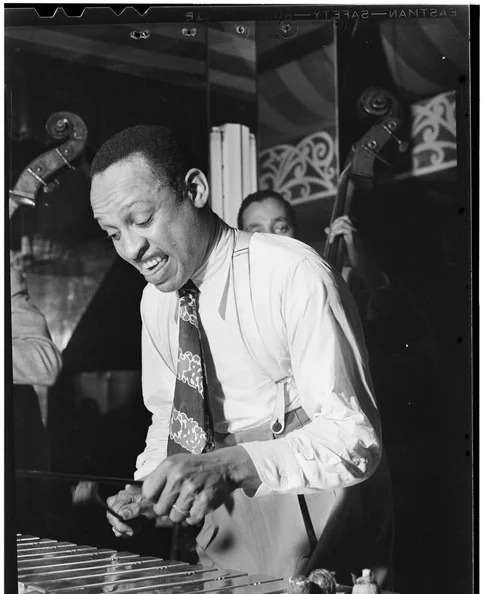
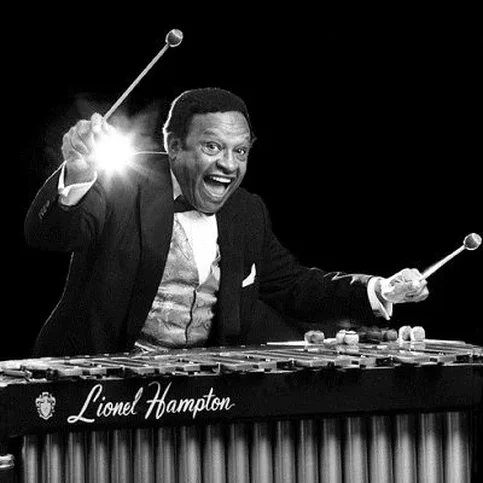
Lionel Hampton is most famous for playing the vibraphone. He brought the instrument to prominence in jazz and was known for his virtuosic technique and energetic performances.
-
How did Lionel Hampton start his career in music?
Hampton started his career in music by playing drums in a youth band. He later joined the California Cotton Pickers in the 1920s and began to establish himself as a reputable musician.
-
Who were some of Lionel Hampton’s notable collaborations?
Lionel Hampton collaborated with many notable musicians, including Louis Armstrong, Duke Ellington, and Charlie Parker. These collaborations were pivotal in his career and helped solidify his place in jazz history.
-
What significant awards did Lionel Hampton receive?
Lionel Hampton received numerous awards throughout his career, including a lifetime achievement award from the National Academy of Recording Arts and Sciences and induction into the Big Band and Jazz Hall of Fame in 1996.
-
How did Lionel Hampton contribute to racial integration in the music industry?
Lionel Hampton was a trailblazer for racial integration in the music industry. He performed with white musicians and bands, breaking down racial barriers and helping to pave the way for greater diversity in jazz.
-
What was Lionel Hampton’s impact on the vibraphone?
Lionel Hampton’s impact on the vibraphone was profound. He transformed the instrument from a novelty to a respected solo instrument in jazz, developing techniques and styles that influenced generations of vibraphonists.
-
What was Lionel Hampton’s approach to band leadership?
Lionel Hampton was known for his high standards and disciplined approach to band leadership. He demanded the best from his band members and was known for his meticulous planning and organization.
-
How did Lionel Hampton balance control and creativity in his music?
Lionel Hampton balanced control and creativity by maintaining a disciplined approach to music while also embracing experimentation and collaboration. His willingness to take risks and explore new styles kept his music fresh and exciting.
-
What were some of Lionel Hampton’s favorite hobbies?
Lionel Hampton had a passion for golf and was known to enjoy playing in his spare time. He also had a love for seafood and was known to enjoy good food.
-
How did Lionel Hampton handle controversies and conflicts during his career?
Lionel Hampton faced various controversies and conflicts during his career, including financial disputes and political involvement. He often addressed these issues with a combination of diplomacy and determination, focusing on his music and his legacy.
-
What was Lionel Hampton’s legacy after his death?
Lionel Hampton’s legacy after his death in 2002 is one of enduring influence and inspiration. He is remembered as one of the greatest jazz musicians of the 20th century, a pioneer for racial integration, and a beloved figure in the music industry.
-
How did Lionel Hampton’s personal life impact his music?
Lionel Hampton’s personal life, including his relationships and health issues, had a significant impact on his music. Despite the challenges he faced, he remained dedicated to his craft and continued to perform and innovate throughout his career.
-
What is the Lionel Hampton International Jazz Festival?
The Lionel Hampton International Jazz Festival is an annual event held in Moscow, Idaho, where Hampton once taught at the University of Idaho. The festival celebrates his contributions to jazz and features performances by renowned musicians and emerging talent.