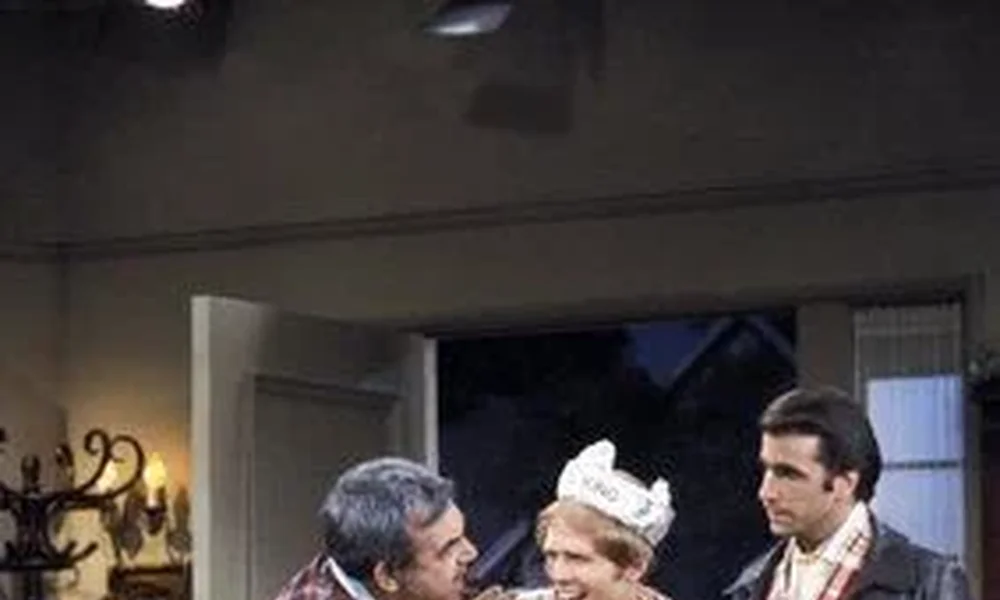
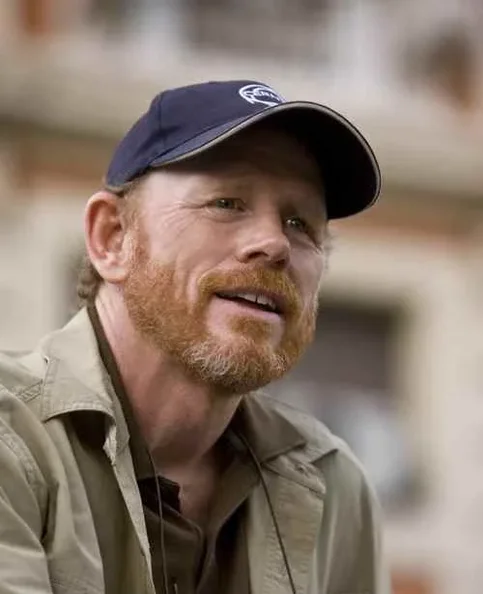
Ron Howard is a multifaceted figure in the entertainment industry, known for his work as an actor, director, and producer. Born on March 1, 1954, in Duncan, Oklahoma, Howard has had a career spanning over six decades. He first gained recognition as a child actor, notably in the TV series The Andy Griffith Show, before transitioning into a highly acclaimed and influential director. His directorial works, such as A Beautiful Mind and Apollo 13, have earned him numerous awards and nominations. Howard’s ability to blend technical precision with emotional depth has made him a respected figure in Hollywood, consistently churning out films that resonate with audiences and critics alike.
PERSONAL INFORMATION
| Name | Ron Howard |
|---|---|
| Nationality | United States |
| Date of Birth | 01 March 1954 |
| Age | 71 Years |
| Zodiac Sign | Pisces |
| Place of Birth | Duncan |
| Birth Name | Ronald William Howard |
| Languages Spoken | English |
| Gender | Male |
| Native Name | Ron Howard |
| Residence | Encino |
| Native Language | English |
| Signature |  |
FAMILY
| Children | Bryce Dallas Howard, Paige Howard, Reed Howard, Jocelyn Howard |
|---|---|
| Father | Rance Howard |
| Mother | Jean Speegle Howard |
| Siblings | Clint Howard |
| Spouse | Cheryl Howard |
EDUCATION
| Educated At | University of Southern California, John Burroughs High School, USC School of Cinematic Arts, Desilu |
|---|
CAREER
| Profession | actor, film producer, film director, voice actor, screenwriter, television director, television actor, film actor, television producer, director |
|---|---|
| Awards Received | Academy Award for Best Director, National Medal of Arts, Daytime Emmy Award, Directors Guild of America Award, Saturn Award for Best Director, Directors Guild of America Award for Outstanding Directing – Feature Film, Primetime Emmy Award for Outstanding Limited Miniseries, Critics’ Choice Movie Award for Best Director, Academy Award for Best Picture, Directors Guild of America Award for Outstanding Directing – Feature Film, Primetime Emmy Award for Outstanding Comedy Series, Daytime Emmy Award for Outstanding Children’s Animated Program, Daytime Emmy Award for Outstanding Children’s Animated Program, star on Hollywood Walk of Fame, Dallas-Fort Worth Film Critics Association Award for Best Director |
| Nominations | Hugo Award for Best Dramatic Presentation, Saturn Award for Best Director, Directors Guild of America Award for Outstanding Directing – Feature Film, Golden Globe Award for Best Supporting Actor – Motion Picture, Hugo Award for Best Dramatic Presentation, Directors Guild of America Award for Outstanding Directing – Feature Film, Hugo Award for Best Dramatic Presentation, Golden Globe Award for Best Director, Primetime Emmy Award for Outstanding Animated Program, Primetime Emmy Award for Outstanding Limited Miniseries, Academy Award for Best Director, Academy Award for Best Picture, Directors Guild of America Award for Outstanding Directing – Feature Film, Critics’ Choice Movie Award for Best Director, Golden Globe Award for Best Director, BAFTA Award for Best Film, Australian Film Institute Award for Best Foreign Film, BAFTA Award for Best Direction, Golden Bear, Primetime Emmy Award for Outstanding Comedy Series, Critics’ Choice Movie Award for Best Director, Primetime Emmy Award for Outstanding Comedy Series, Primetime Emmy Award for Outstanding Comedy Series, Golden Raspberry Award for Worst Director, Best Sports Movie ESPY Award, Daytime Emmy Award for Outstanding Children’s Animated Program, Critics’ Choice Movie Award for Best Director, Academy Award for Best Picture, Academy Award for Best Director, Satellite Award for Best Director, Daytime Emmy Award for Outstanding Children’s Animated Program, Directors Guild of America Award for Outstanding Directing – Feature Film, Golden Globe Award for Best Director, BAFTA Award for Best Film, Daytime Emmy Award for Outstanding Children’s Animated Program, Producers Guild of America Award for Best Theatrical Motion Picture, BAFTA Award for Best Direction, Daytime Emmy Award for Outstanding Children’s Animated Program, Daytime Emmy Award for Outstanding Children’s Animated Program, Daytime Emmy Award for Outstanding Children’s Animated Program, Satellite Award for Best Director, Golden Globe Award for Best Motion Picture – Drama, BAFTA Award for Best British Film, Screen Actors Guild Award for Outstanding Performance by an Ensemble in a Comedy Series |
| Work Period Start | 1956 |
| Notable Works | Frost/Nixon, Cinderella Man, A Beautiful Mind, Unsung Heroes: The Story of America’s Female Patriots |
| Field of Work | film direction, film production |
SOCIAL MEDIA & LINKS
| IMDB ID | nm0000165 |
|---|---|
| @realronhoward, @RealRonHoward | |
| RealRonHoward | |
| @realronhoward | |
| Wikipedia | Wikipedia |
Cost of becoming
The journey to becoming a renowned director and producer was not without its challenges for Ron Howard. He had to navigate the early pressures of child stardom, which brought both fame and scrutiny. Transitioning from acting to directing required a deep understanding of storytelling and a vision that could translate to the screen. Howard’s relentless pursuit of perfection and his commitment to authenticity in his films often meant long hours and meticulous planning. Despite the demands, Howard’s dedication and passion for filmmaking have paid off, earning him widespread acclaim and a place among the elite in the film industry.
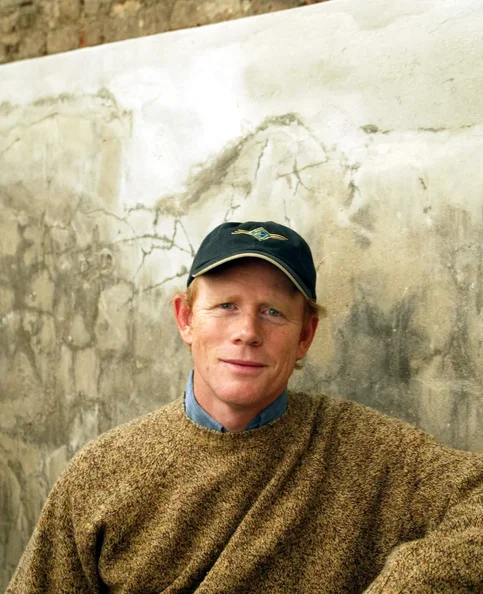
Identity before fame
Before his rise to fame, Ron Howard was a young boy from a supportive family in Duncan, Oklahoma. His father, Rance Howard, was an actor and his mother, Jeanne, was a teacher. Howard’s early exposure to the entertainment industry came through his parents, who encouraged his interest in acting. He made his debut at the age of five in The Journey of Natty Gann and continued to act in various productions throughout his childhood. This early start laid the foundation for his future success, as he developed a natural talent and a deep love for the craft.
Production Houses Associated With Ron Howard
| Production House | Number of Movies |
|---|---|
| Lucasfilm Ltd. | 3 |
| Universal Pictures | 2 |
| New World Pictures | 2 |
| Film Shows Inc. | 1 |
| Cayuga Productions | 1 |
| CBS Productions | 1 |
| The Coppola Company | 1 |
| Imagine Documentaries | 1 |
| The De Laurentiis Company | 1 |
| Paramount Pictures | 1 |
Directors Ron Howard Frequently Works With
| Director | Number of Movies |
|---|---|
| Ron Winston | 1 |
| John Brahm | 1 |
| Richard L. Bare | 1 |
| Robert Stevens | 1 |
| Douglas Heyes | 1 |
| George Lucas | 1 |
| Adam Countee | 1 |
| Sandy Oliveri | 1 |
| Don Siegel | 1 |
| Bill L. Norton | 1 |
Movie Genres of Ron Howard
| Genre | Number of Movies |
|---|---|
| Documentary | 51 |
| Comedy | 22 |
| TV Movie | 18 |
| Drama | 15 |
| Family | 8 |
| Adventure | 7 |
| Thriller | 6 |
| Music | 6 |
| Science Fiction | 5 |
| Romance | 5 |
Year-wise Movies of Ron Howard
| Year | Number of Movies |
|---|---|
| 2026 | 1 |
| 2025 | 1 |
| 2024 | 2 |
| 2023 | 3 |
| 2022 | 2 |
| 2021 | 2 |
| 2020 | 1 |
| 2019 | 3 |
| 2018 | 1 |
| 2017 | 1 |
| 2016 | 2 |
| 2013 | 3 |
| 2012 | 1 |
| 2011 | 4 |
| 2010 | 2 |
Timeline
- 1954 – Born in Duncan, Oklahoma.
- 1959 – Began acting at the age of five in The Journey of Natty Gann.
- 1964 – Starred in The Andy Griffith Show as Opie Taylor.
- 1977 – Directed his first film, Grand Theft Auto.
- 1985 – Directed the critically acclaimed film Cocoon.
- 1995 – Directed Apollo 13, which received nine Academy Award nominations.
- 2001 – Won the Academy Award for Best Director for A Beautiful Mind.
- 2017 – Directed The Da Vinci Code and its sequels.
- 2018 – Directed Solo: A Star Wars Story.
- 2023 – Directed Thirteen Lives, based on the true story of the Thai cave rescue.
Favourites
- Directing – A Beautiful Mind
- Acting – His role as Richie Cunningham in Happy Days
- Genre – Drama and biographical films
- Actor to work with – Tom Hanks
- Producer – Brian Grazer, his long-time collaborator
- Book – A Beautiful Mind by Sylvia Nasar
- Movie – 2001: A Space Odyssey directed by Stanley Kubrick
- Musician – Paul McCartney
- Director – Stanley Kubrick
- Place – New York City
Controversies
- Director Change on Solo: A Star Wars Story – Howard was brought in to replace Phil Lord and Christopher Miller, leading to speculation and mixed reviews about his involvement in the film.
- Questions about The Da Vinci Code Accuracy – The film adaptation of Dan Brown’s novel faced criticism for its historical and religious inaccuracies.
- Critical Backlash for Hillbilly Elegy – The film received significant criticism for its portrayal of Appalachian culture and its handling of sensitive issues.
- Rumored Creative Differences with Producers – Howard has been involved in projects where creative differences with producers and studios have been speculated but not confirmed.
- Allegations of Excessive Perfectionism – Some insiders have suggested that Howard’s insistence on perfection and attention to detail can lead to challenging working conditions.
- Controversial Interviews – Howard has occasionally made controversial statements during interviews, which have sparked debate and discussion.
- Legal Disputes – He has been involved in legal disputes over film rights and contracts, though most have been resolved privately.
- Environmental Impact of Filming – Some of Howard’s films have been criticized for their environmental impact, particularly in locations with sensitive ecosystems.
- Representation of Marginalized Groups – Howard has faced criticism for the representation of marginalized groups in some of his films, though he has addressed these concerns and taken steps to improve.
- Use of CGI – The extensive use of CGI in some of his films has been a point of contention among critics and audiences who prefer practical effects.
Control vs chaos
Ron Howard’s filmmaking career is characterized by a delicate balance of control and chaos. On one hand, he is known for his meticulous planning and attention to detail, ensuring that every aspect of his films is carefully crafted. He often spends months in pre-production, researching and preparing to bring his vision to life. On the other hand, Howard understands the importance of embracing the unpredictable nature of filmmaking. He is open to improvisation and encourages his cast and crew to bring their own creativity to the table. This blend of structure and spontaneity allows Howard to create films that are both technically proficient and emotionally resonant.
Emotional geography
The emotional geography of Ron Howard’s films often takes the audience on a journey of discovery and self-reflection. Whether it’s the profound journey of John Nash in A Beautiful Mind or the harrowing survival story in Apollo 13, Howard’s films delve deep into the human condition. He has a unique ability to explore complex emotions and themes, from the triumph of the human spirit to the dark corners of the mind. Howard’s films are not just entertainment; they are a window into the soul, inviting viewers to connect with the characters and stories on a deeply personal level.
FAQs
-
What is Ron Howard’s most famous film?
One of Ron Howard’s most famous films is A Beautiful Mind (2001), which won him the Academy Award for Best Director. The film is a biographical drama about the life of mathematician John Nash and his struggle with schizophrenia.
-
How did Ron Howard start his career?
Ron Howard began his career as a child actor, appearing in the TV series The Andy Griffith Show. He later starred in Happy Days and transitioned into directing in the late 1970s.
-
What are some of Ron Howard’s notable directorial works?
Some of Ron Howard’s notable directorial works include A Beautiful Mind, Apollo 13, Cocoon, The Da Vinci Code, and Solo: A Star Wars Story.
-
Who did Ron Howard work with frequently?
Ron Howard has frequently collaborated with producer Brian Grazer. Together, they have produced and directed numerous successful films under their production company, Imagine Entertainment.
-
What awards has Ron Howard won?
Ron Howard has won two Academy Awards, including Best Director for A Beautiful Mind. He has also received numerous other awards and nominations for his work in film and television.
-
How does Ron Howard approach directing?
Ron Howard is known for his meticulous approach to directing, often spending extensive time in pre-production. He is detail-oriented and values authenticity, working closely with his cast and crew to achieve the best possible result.
-
What inspired Ron Howard to become a director?
Ron Howard’s transition from acting to directing was inspired by his love for storytelling and his desire to have more creative control over the projects he worked on. He wanted to bring his vision to life and tell stories that resonated with audiences.
-
What is Ron Howard’s favorite film genre?
Ron Howard favors drama and biographical films. He is particularly drawn to stories that explore the human condition and delve into the complexities of real-life characters and events.
-
How does Ron Howard handle creative differences on set?
Ron Howard is known for his collaborative approach. He encourages input from his cast and crew and is open to feedback and suggestions. When creative differences arise, he strives to find a balance that serves the story and the creative vision of the film.
-
What is Ron Howard’s approach to casting?
Ron Howard places a strong emphasis on casting actors who can bring depth and authenticity to their roles. He often works with a mix of established and up-and-coming talent, choosing actors who can best embody the characters and bring the script to life.
-
How has Ron Howard’s directing style evolved over the years?
Over the years, Ron Howard’s directing style has evolved to become more refined and nuanced. Early in his career, he focused on lighter, more comedic films. As he gained experience, he transitioned to more complex and dramatic projects, refining his ability to tell emotionally resonant stories.
-
What is Ron Howard’s next project?
Ron Howard is always working on new projects, and while specific details can change, he is known for choosing films that challenge him creatively and offer new storytelling opportunities. His upcoming projects often include a mix of drama, biography, and historical narratives.
-
How does Ron Howard balance his personal life with his career?
Ron Howard is known for his strong family values and has found a way to balance his demanding career with his personal life. He prioritizes spending time with his family and has spoken about the importance of maintaining that balance to stay grounded and inspired.
-
What is Ron Howard’s legacy in the film industry?
Ron Howard’s legacy in the film industry is marked by his ability to consistently deliver high-quality, emotionally impactful films. He is respected for his technical prowess, his storytelling skills, and his ability to bring complex and nuanced stories to the screen.